
Portrait of Blaise Cendrars — History & Facts
When Amedeo Modigliani painted Portrait of Blaise Cendrars in 1917, he was capturing not just a sitter, but a legend of the Parisian avant-garde. Cendrars, the one-armed poet and globe-trotter, had already become a fixture among the artists and writers of Montparnasse, his war wound a badge of both sacrifice and modernity. The portrait stands as a rare intersection of two restless spirits: Modigliani, whose own health was failing, and Cendrars, who had survived both the trenches and the feverish nights of Parisian cafés.
This meeting of minds and fates is the true subject of the work. The painting freezes Cendrars in a moment of introspection, his elongated face and narrowed eyes echoing Modigliani’s signature style—a style that distills character to its essentials. The poet’s tilted head, the set of his jaw, and the direct yet distant gaze suggest both resilience and fatigue, perhaps a nod to the trauma of war and the relentless drive of creation. Modigliani’s palette is subdued, the background simple, drawing the viewer’s attention to the sitter’s presence rather than his surroundings.
Unlike the flamboyant color and movement of Chaim Soutine’s portraits of the same circle, Modigliani’s approach is meditative, seeking the inner life rather than the outward drama. The precise journey of Portrait of Blaise Cendrars after its creation is not fully documented, a fate common to many of Modigliani’s works, which often passed through the hands of friends, dealers, and collectors in the turbulent years after his early death in 1920. The painting belongs to a crucial period in Modigliani’s career, when he turned almost exclusively to portraiture, seeking to capture the personalities of his contemporaries in the Paris art world. Today, the work stands as a testament not only to Modigliani’s unique vision but also to the vibrant, sometimes precarious lives of the artists and writers who shaped the modern age.
Its presence in museum collections continues to spark interest in the intertwined stories of art, literature, and survival in early twentieth-century Paris.
More Artworks by Amedeo Modigliani
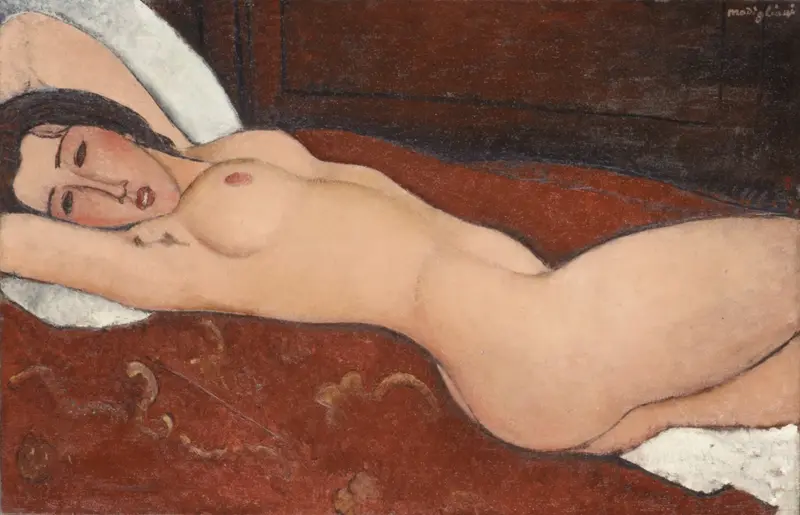
Reclining Nude
Amedeo Modigliani

Portrait Of Jeanne Hébuterne
Amedeo Modigliani

Jeanne Hébuterne
Amedeo Modigliani
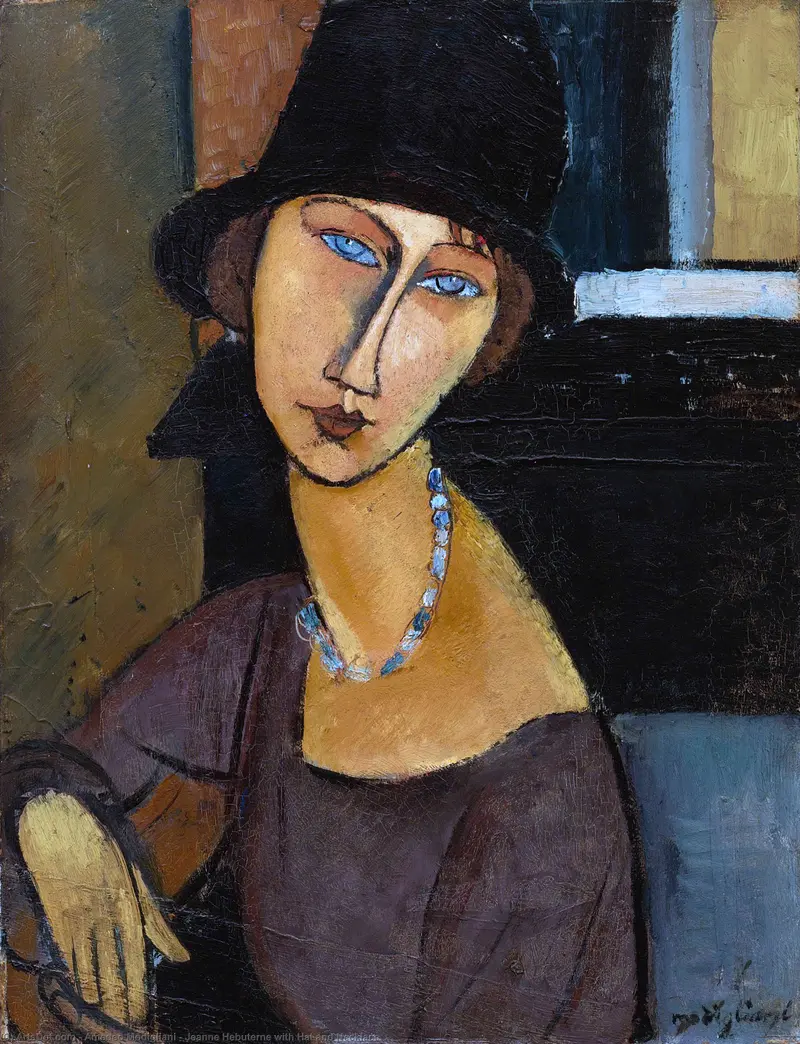
Jeanne Hébuterne with Hat and Necklace
Amedeo Modigliani
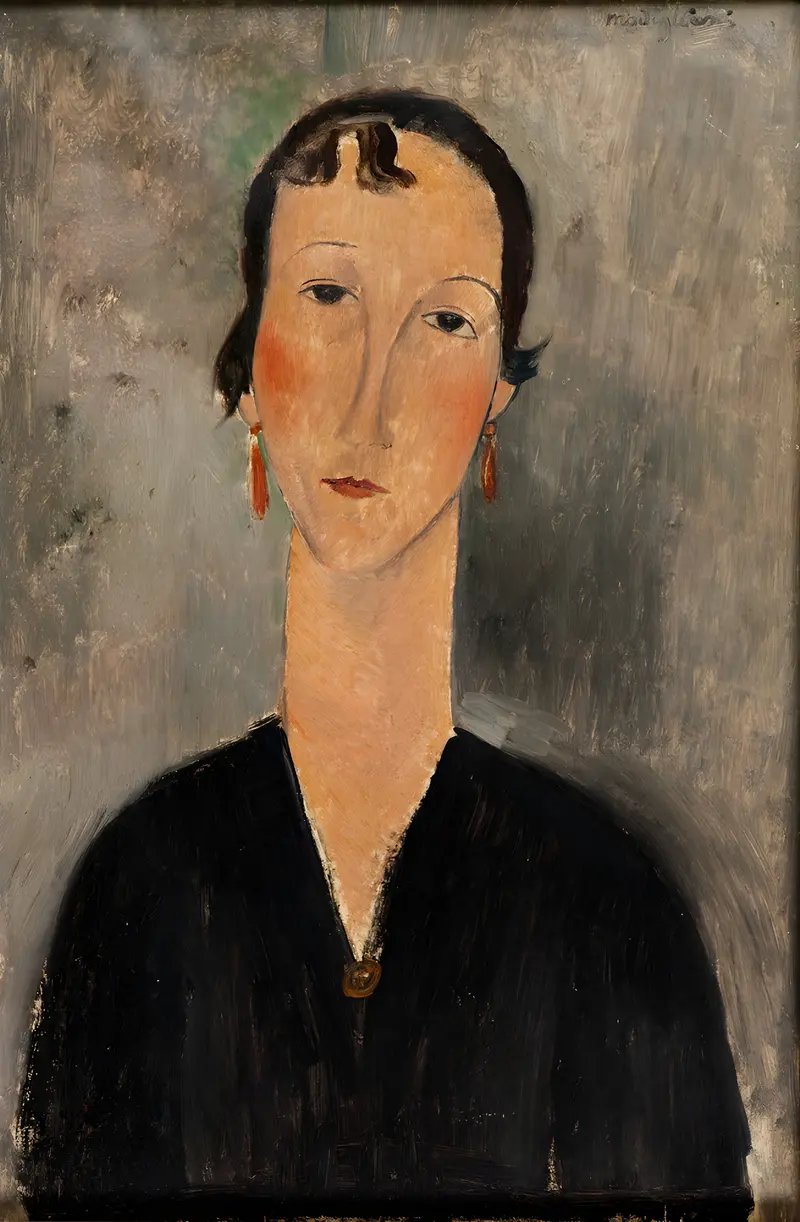
Femme aux boucles d'oreilles
Amedeo Modigliani
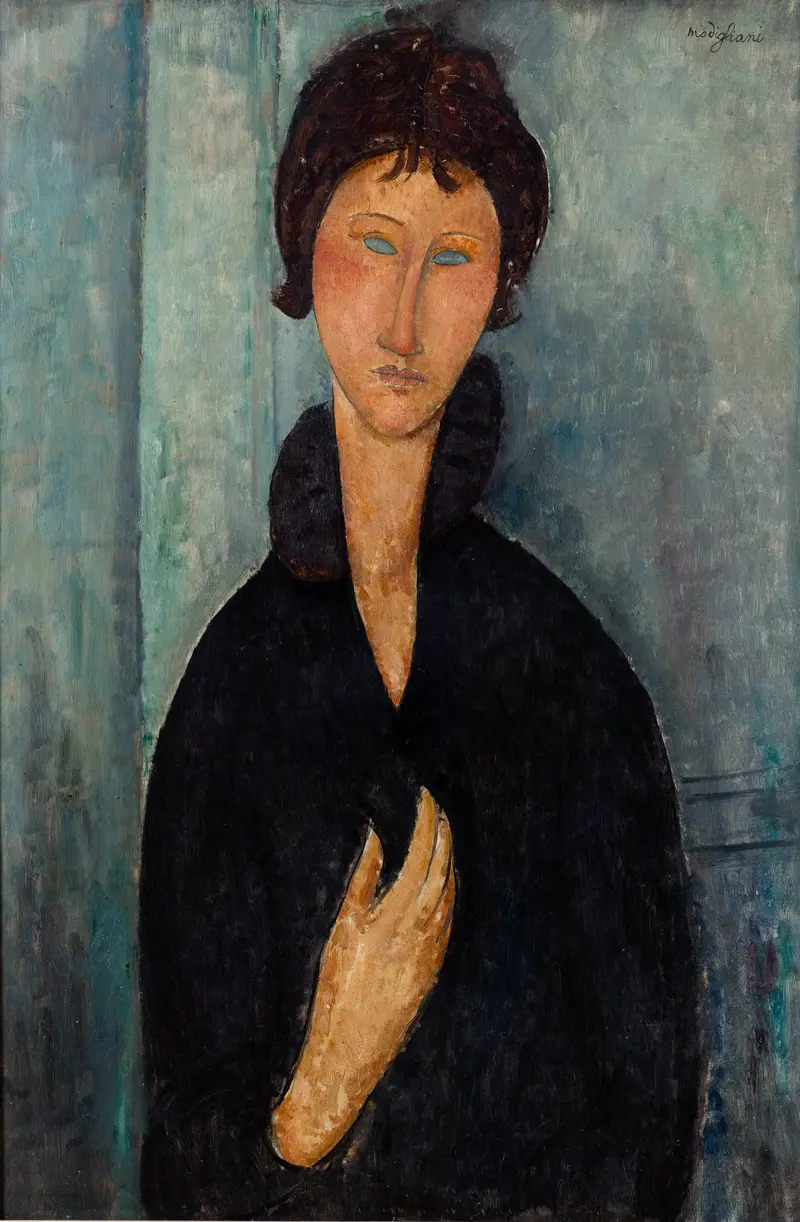
Femme aux yeux bleus
Amedeo Modigliani
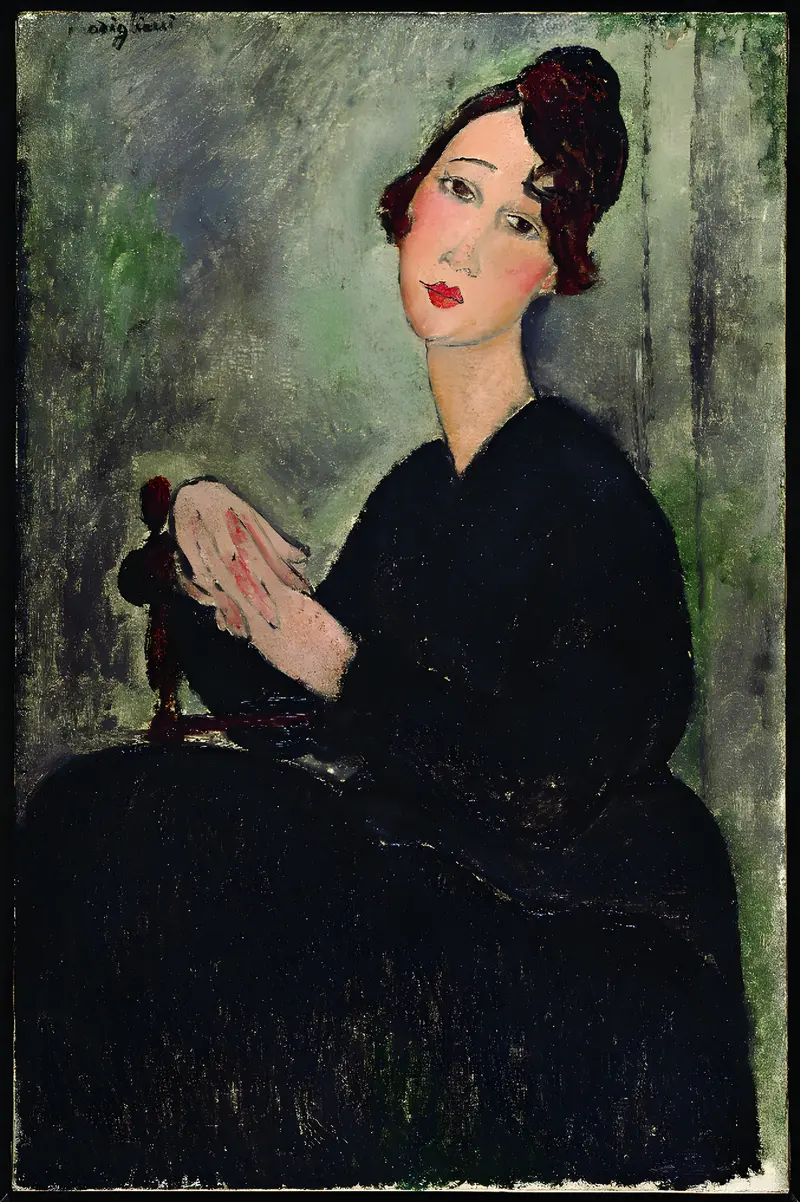
Portrait of Dedie
Amedeo Modigliani
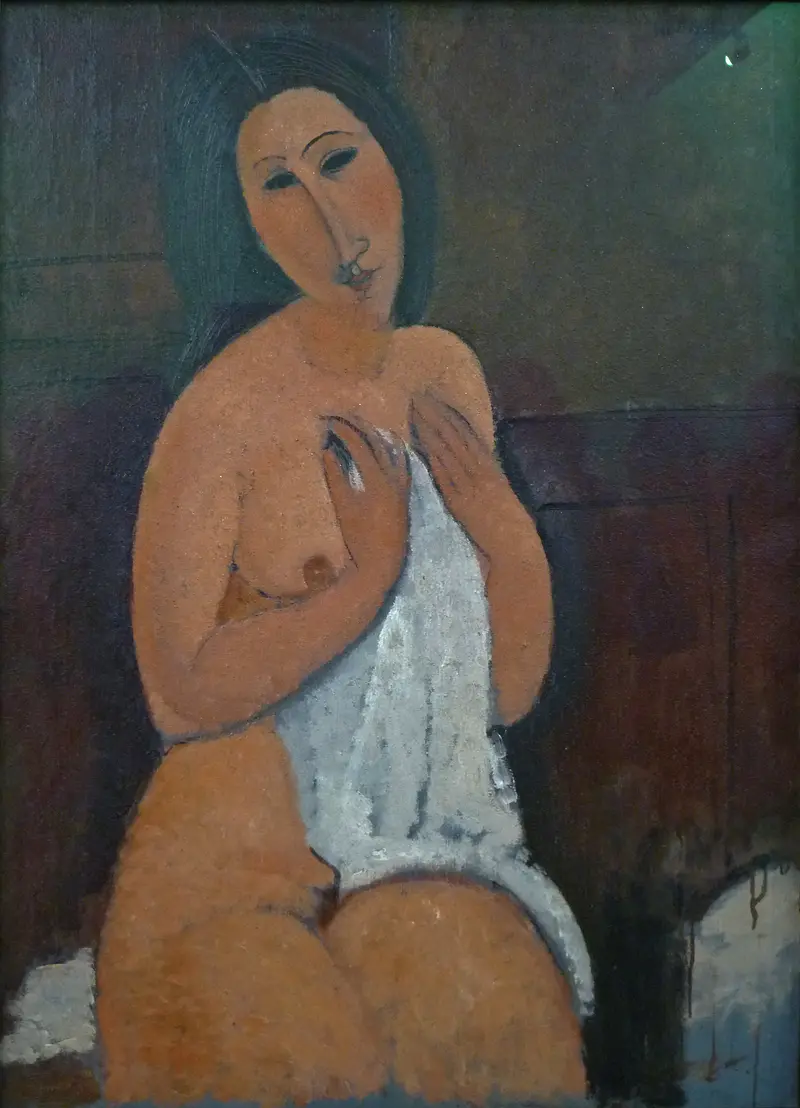
Seated nude with shirt
Amedeo Modigliani
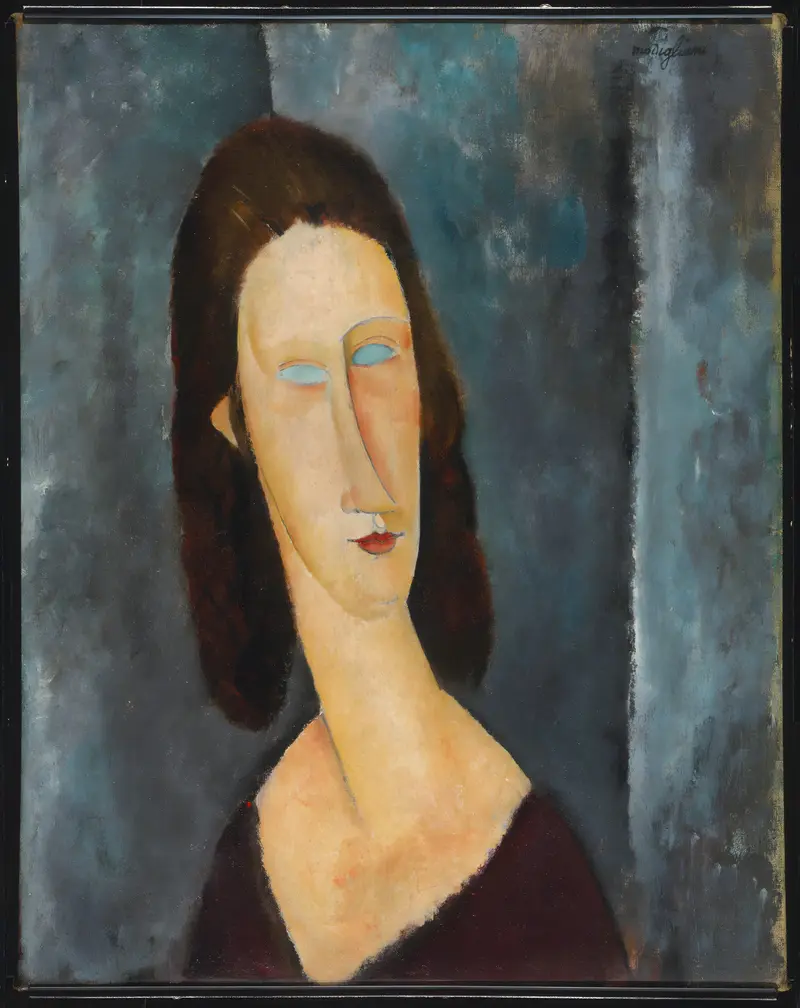
Blue Eyes (Portrait of Madame Jeanne Hébuterne)
Amedeo Modigliani
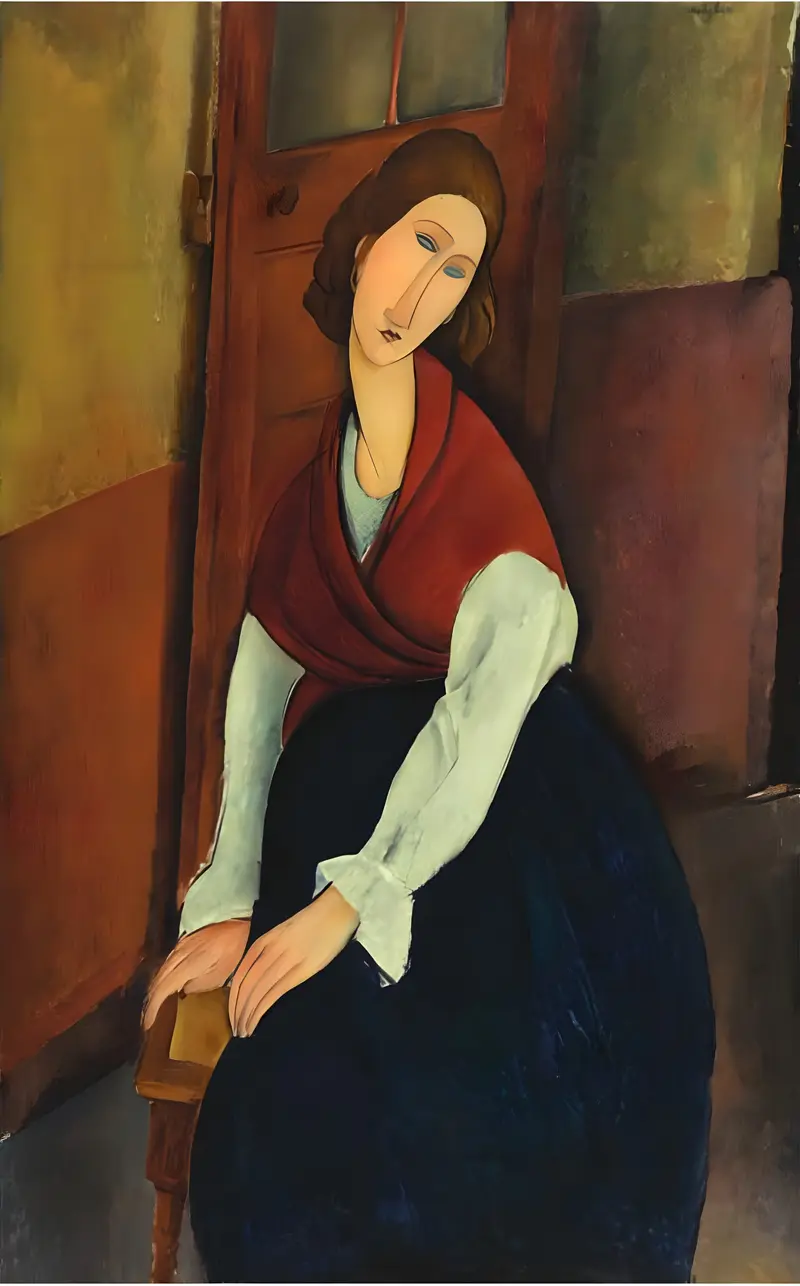
Jeanne Hebuterne in Red Shawl
Amedeo Modigliani





