
Portrait of Caroline Nerdrum — History & Facts
What first catches the eye in Portrait of Caroline Nerdrum is the quiet self-possession of its sitter, poised at the intersection of youth and adulthood. The artist, Adolph Tidemand, frames Caroline with a sweeping arc of dark drapery, as if unveiling her to the viewer. Her gaze is direct but not confrontational, inviting us to linger on the delicate transparency of her lace collar and the careful ringlets of her hair.
The red velvet of the chair and the subtle gold of her necklace offer flashes of warmth against the cool, shadowed background, drawing attention to her composed expression and pale complexion. Every detail is chosen for its ability to guide the viewer’s attention, from the gentle pressure of her hands on her lap to the unfinished border that hints at the painter’s process. This portrait belongs to the world of mid-19th century Norway, when likenesses such as this were tokens of family pride and social standing. Painted in 1843, it reflects the era’s fascination with individuality and the subtle codes of respectability—note the modest jewelry, the restrained palette, the careful distinction between public display and private self.
Adolph Tidemand was known for his ability to capture the psychological presence of his sitters, and here he balances formality with a hint of intimacy. Now held in the Oslo Museum (accession number OB.00505), Portrait of Caroline Nerdrum stands as a record of both a particular young woman and the values of her time—look again, and see how much is said in silence.
More Artworks by Adolph Tidemand

Bridal Procession on the Hardangerfjord
Adolph Tidemand
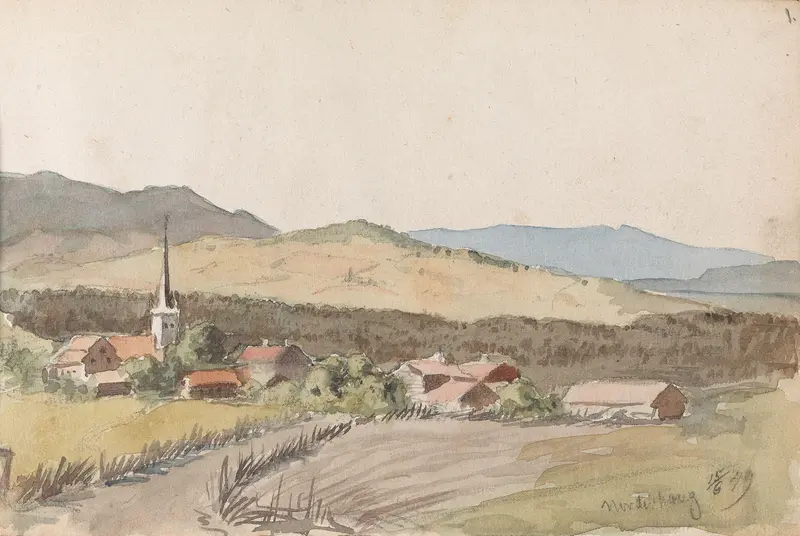
Fra Haugsbygd
Adolph Tidemand
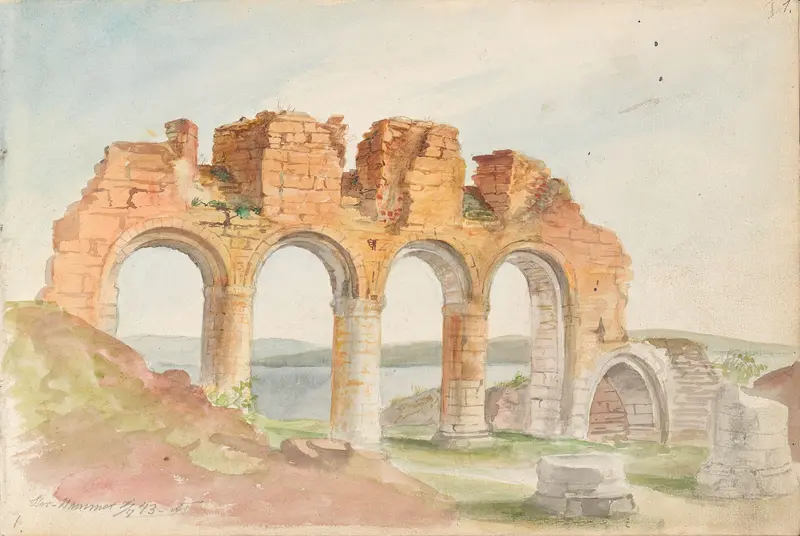
Domkirkeruinen, Hamar
Adolph Tidemand
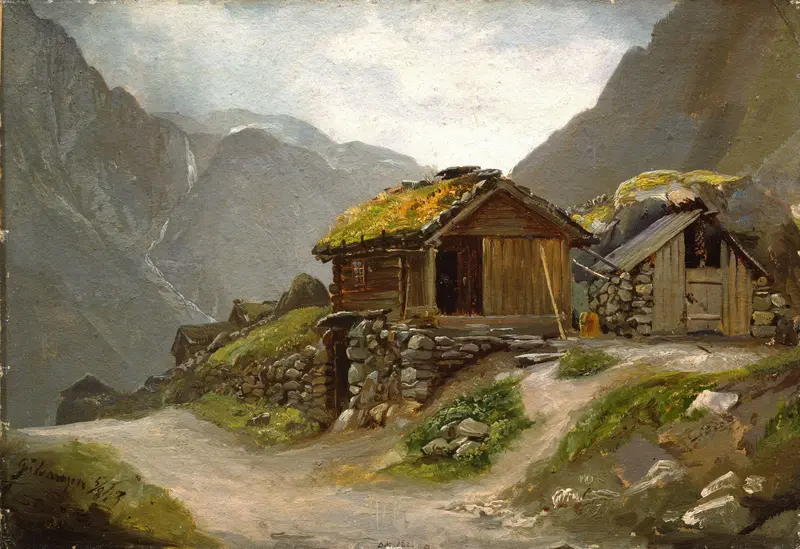
View from Gudvangen
Adolph Tidemand

View of Gudvangen
Adolph Tidemand
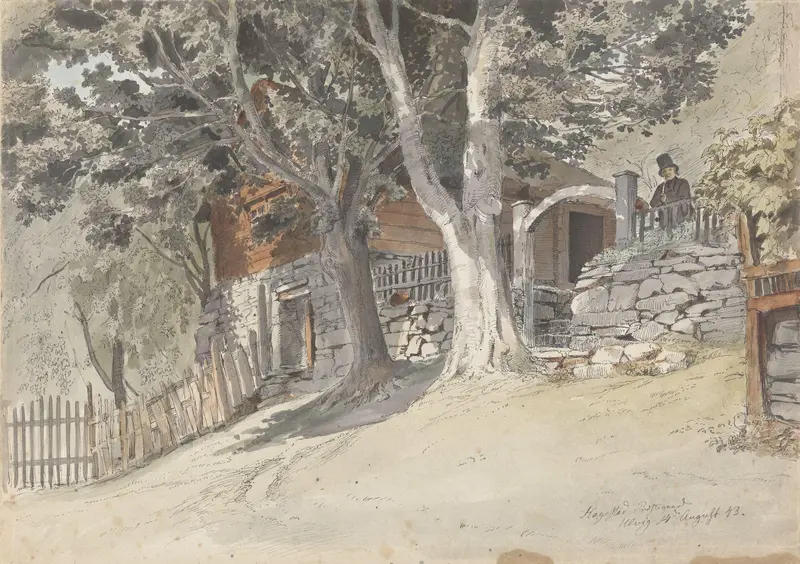
Hagestad prestegård, Ulvik i Hardanger
Adolph Tidemand
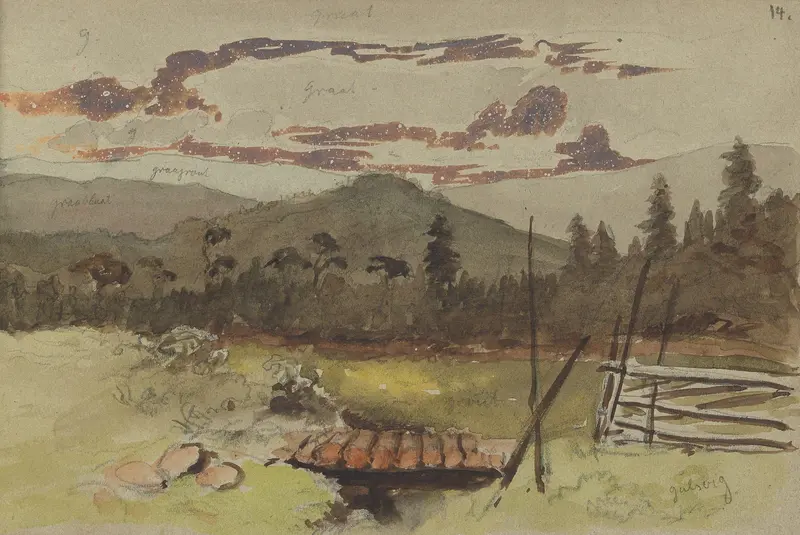
Fra Gulsvik
Adolph Tidemand
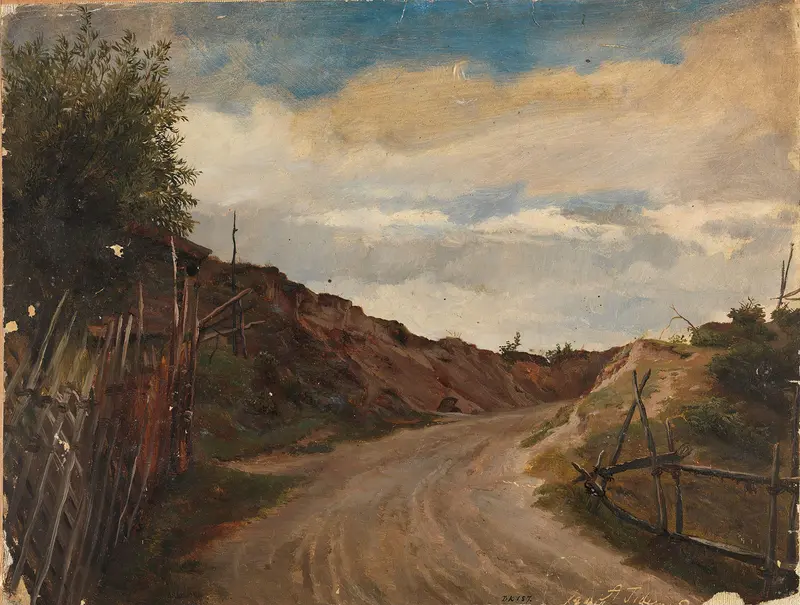
Country Road
Adolph Tidemand
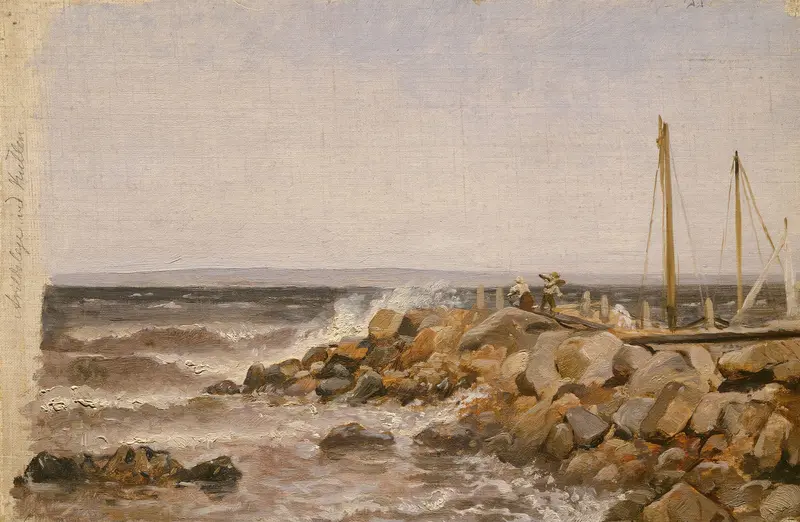
From Kullen in Sweden
Adolph Tidemand
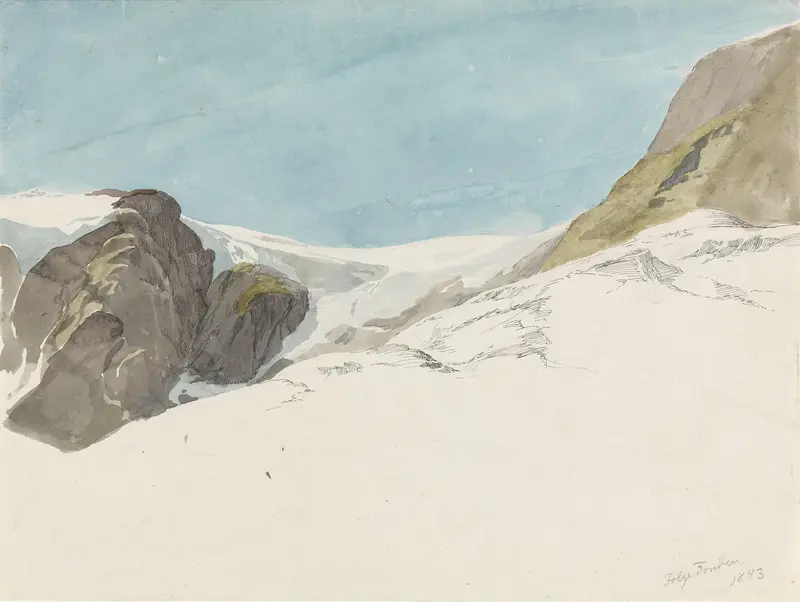
Untitled
Adolph Tidemand





