
Portrait of Dominicus Rosmale, Director of the Rotterdam Chamber of the Dutch East India Company, elected 1677 — History & Facts
Where does light end, and longing begin? In the quiet folds of a silk robe, in the weight of a gaze that pierces through time, decay meets reverence in a masterful portrayal of legacy. Focus first on the subject’s poised expression, a blend of authority and introspection. As you draw your eyes upward from the intricate lace collar to the rich, dark background, note how the painter utilizes a subdued palette to evoke both depth and gravity. The way the light gently caresses the contours of Dominicus Rosmale’s face reveals not just his features, but the weight of his responsibilities.
Each brushstroke is deliberate, allowing the fabric textures and subtle highlights to speak of both opulence and the passage of time. Delve deeper into the nuanced details: the faint cracks in the paint, a mirror to the inevitable decay that shadows all human endeavors. Here, the director’s gaze seems to linger on distant memories, reflecting a life steeped in the industry of trade and ambition. This portrait, while undoubtedly a testament to his status, also hints at the impermanence of power—each thread woven into the fabric of society slowly fraying at the edges. Pieter van der Werff painted this portrait between 1695 and 1722, a period marked by both personal and societal transitions.
During this time, he was at the height of his career in Rotterdam, grappling with the volatile art market while producing works that captured the essence of Dutch society. This painting not only immortalizes Rosmale but also encapsulates a moment when the golden age of Dutch prosperity was beginning to show signs of wear, reflecting the complexity of human legacy amid the inevitability of time.
More Artworks by Pieter van der Werff
Browse all →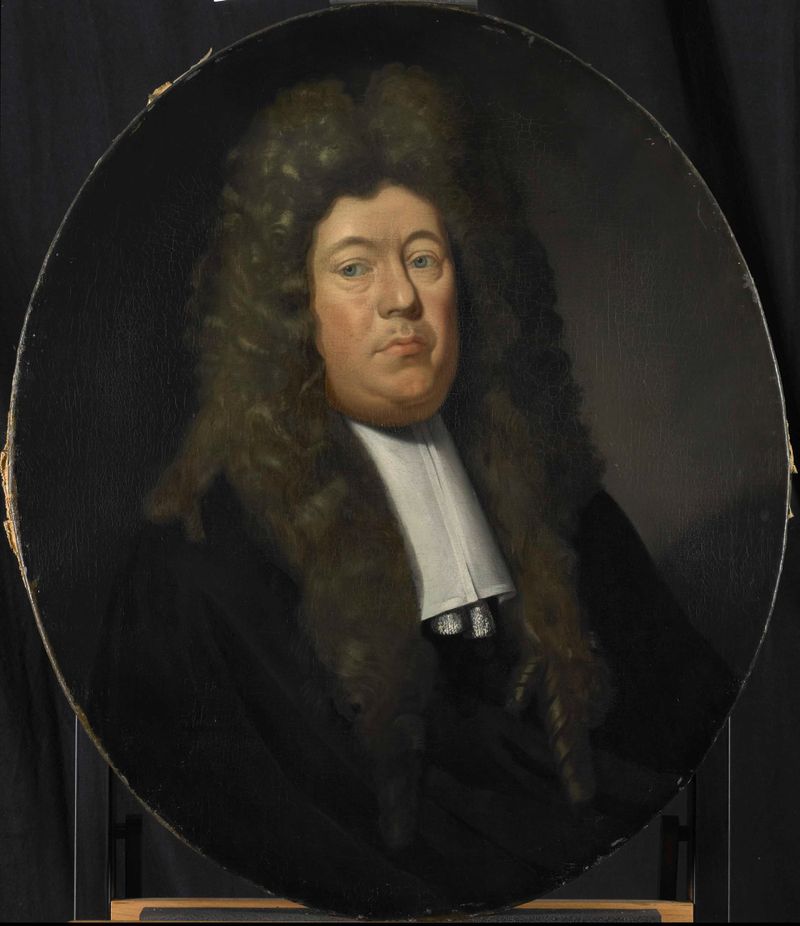
Portrait of Adriaen Paets, Director of the Rotterdam Chamber of the Dutch East India Company, elected 1668
Pieter van der Werff
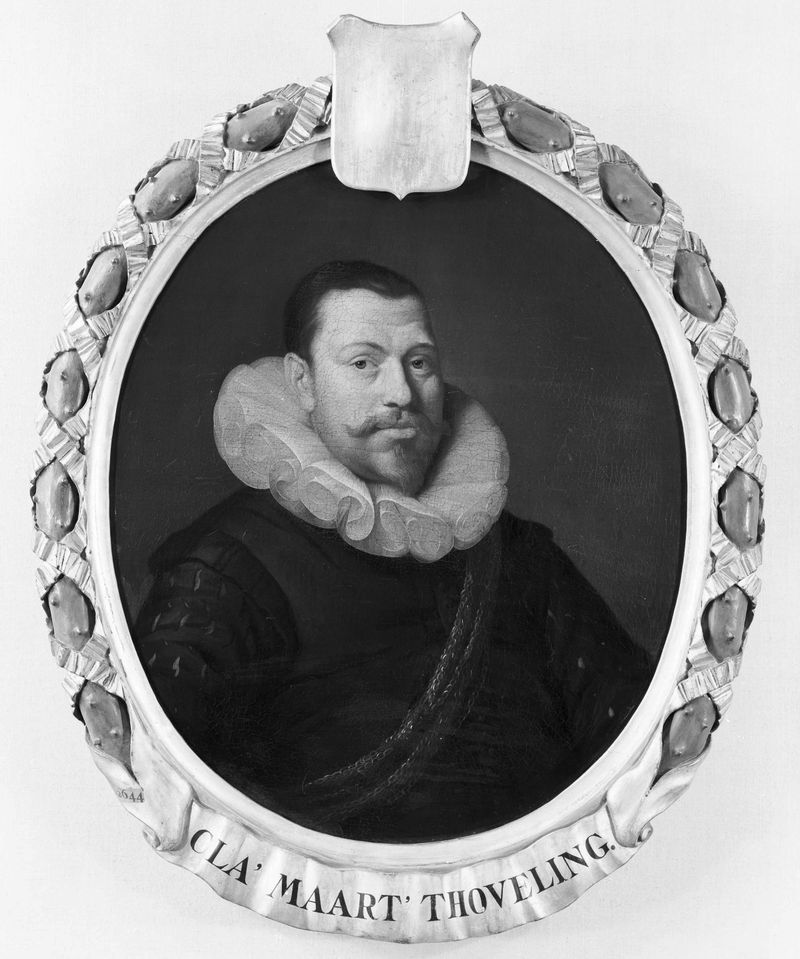
Portrait of Claes Maertensz Thoveling, Director of the Rotterdam Chamber of the Dutch East India Company, elected 1619
Pieter van der Werff
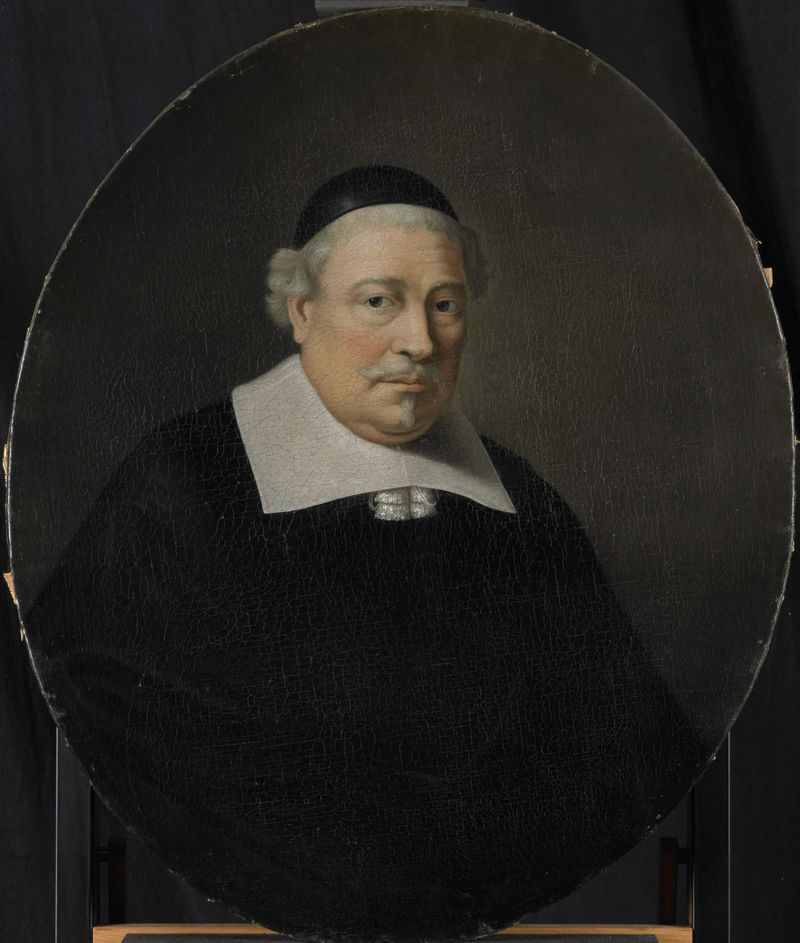
Portrait of Cornelis de Koningh, Director of the Rotterdam Chamber of the Dutch East India Company, elected 1649
Pieter van der Werff
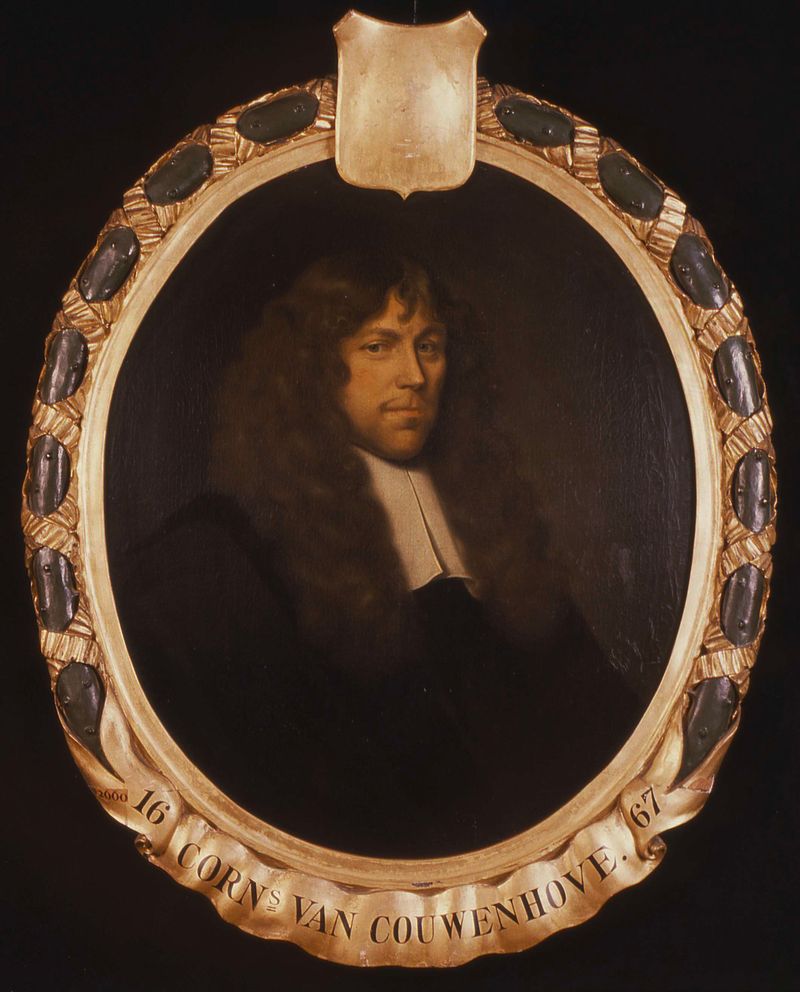
Portrait of Cornelis van Couwenhove, Director of the Rotterdam Chamber of the Dutch East India Company, elected 1667
Pieter van der Werff
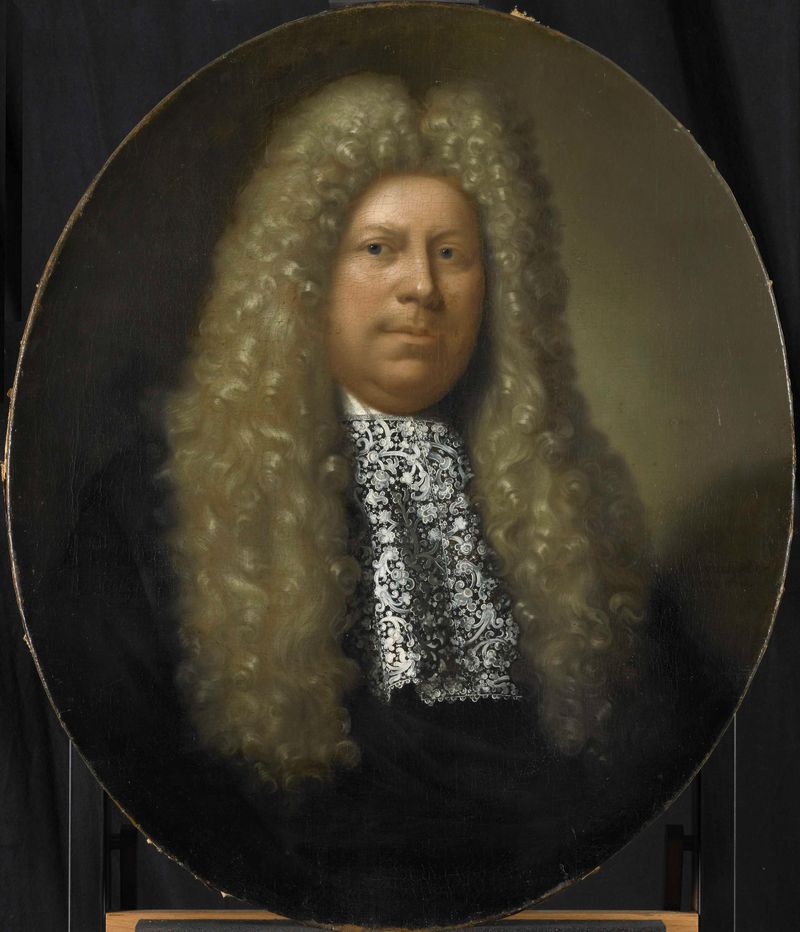
Portrait of Jacob Dane, Director of the Rotterdam Chamber of the Dutch East India Company, elected 1689
Pieter van der Werff
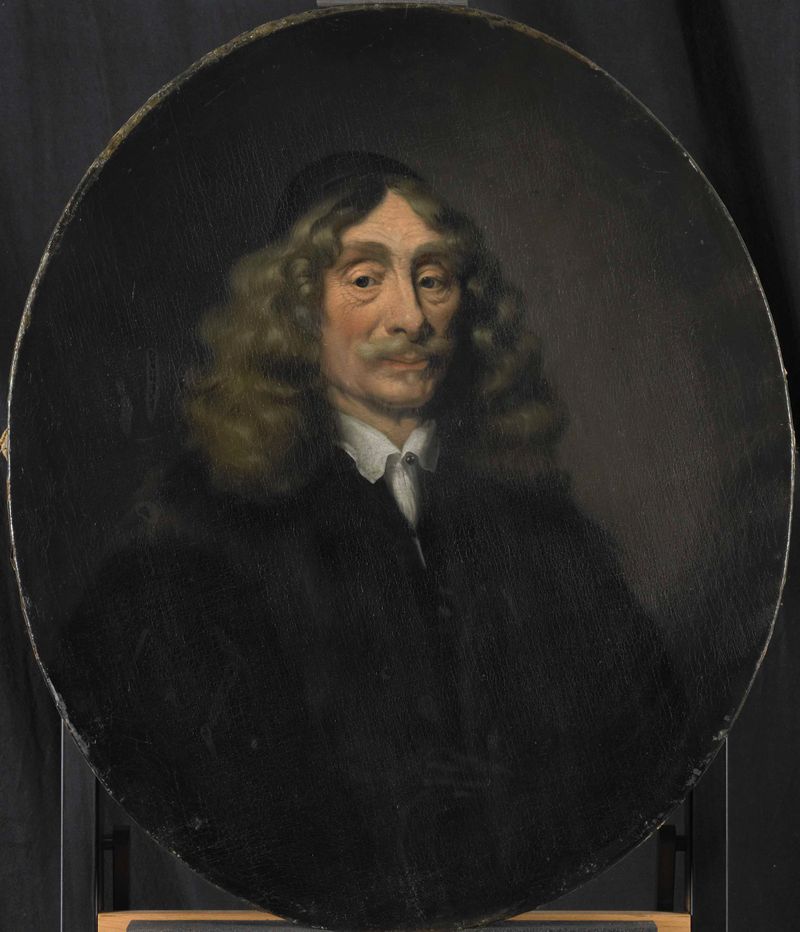
Portrait of Johan de Reus, Director of the Rotterdam Chamber of the Dutch East India Company, elected 1657
Pieter van der Werff
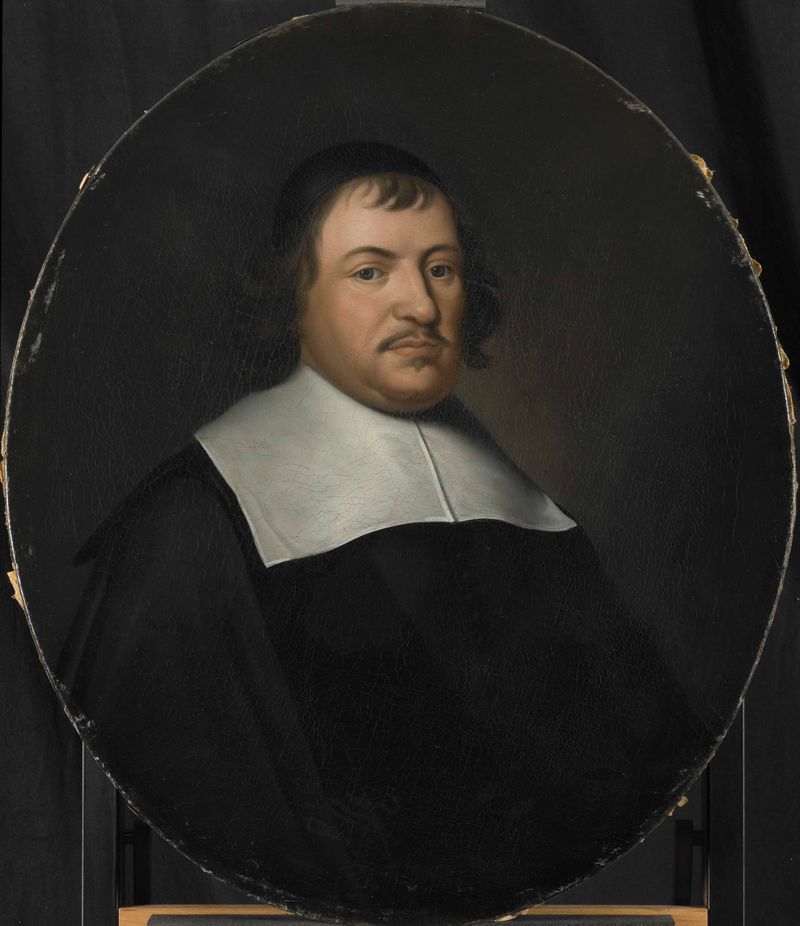
Portrait of Cornelis van den Bergh, Director of the Rotterdam Chamber of the Dutch East India Company, elected 1659
Pieter van der Werff
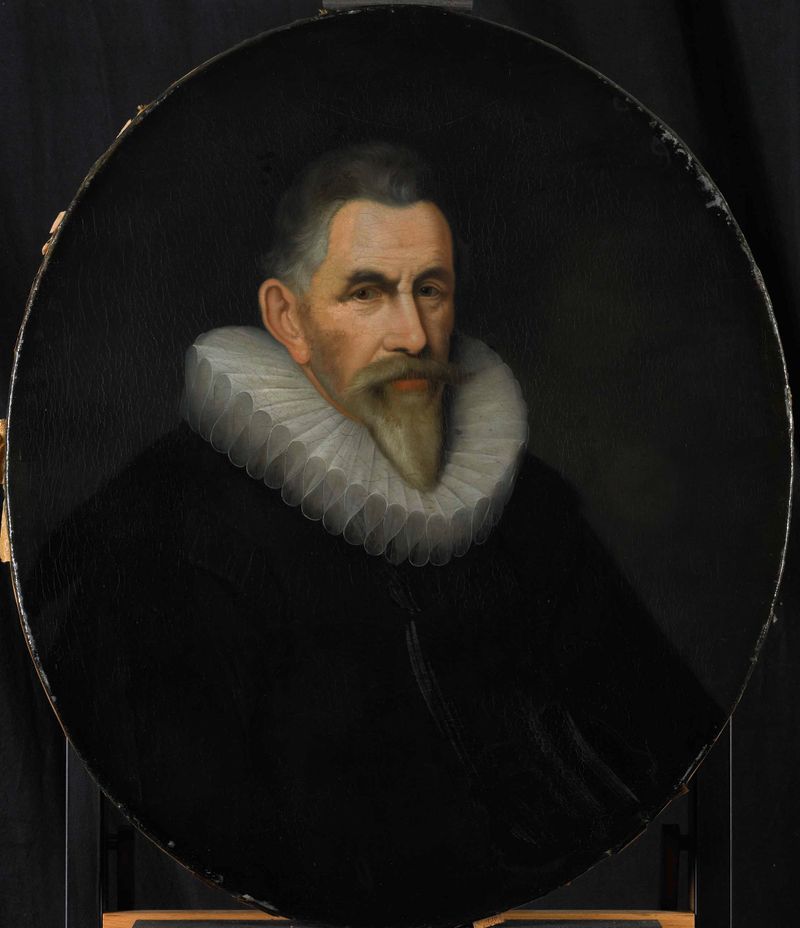
Portrait of Johan van der Veecque, Director of the Rotterdam Chamber of the Dutch East India Company, elected 1602
Pieter van der Werff
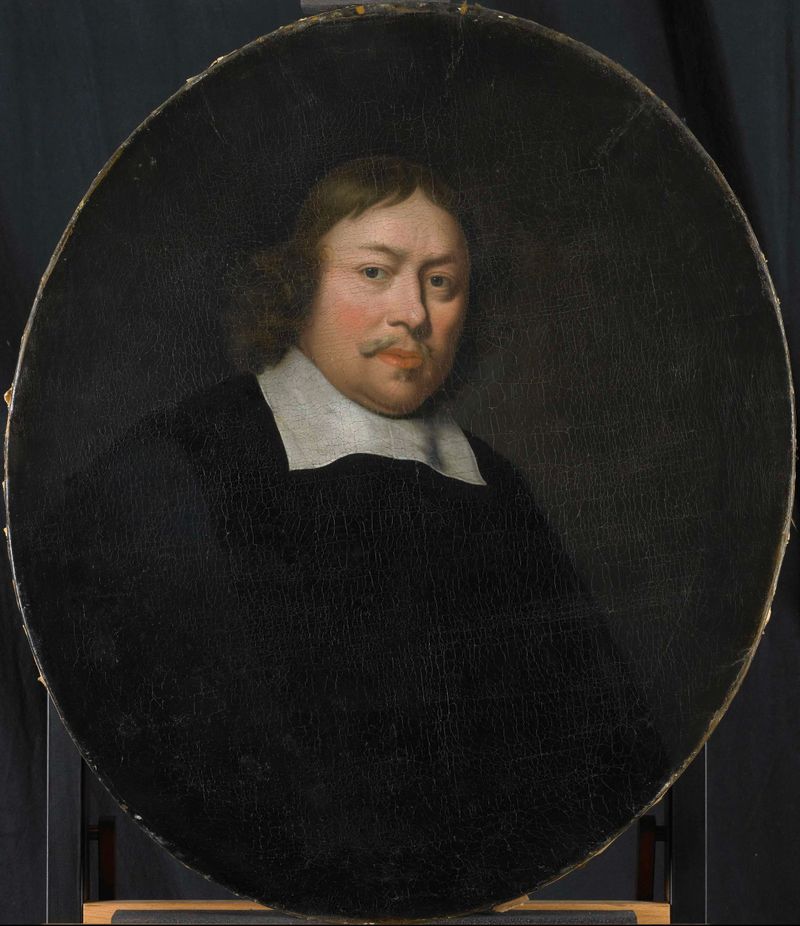
Portrait of Gerard van Bergen, Director of the Rotterdam Chamber of the Dutch East India Company, elected 1653
Pieter van der Werff
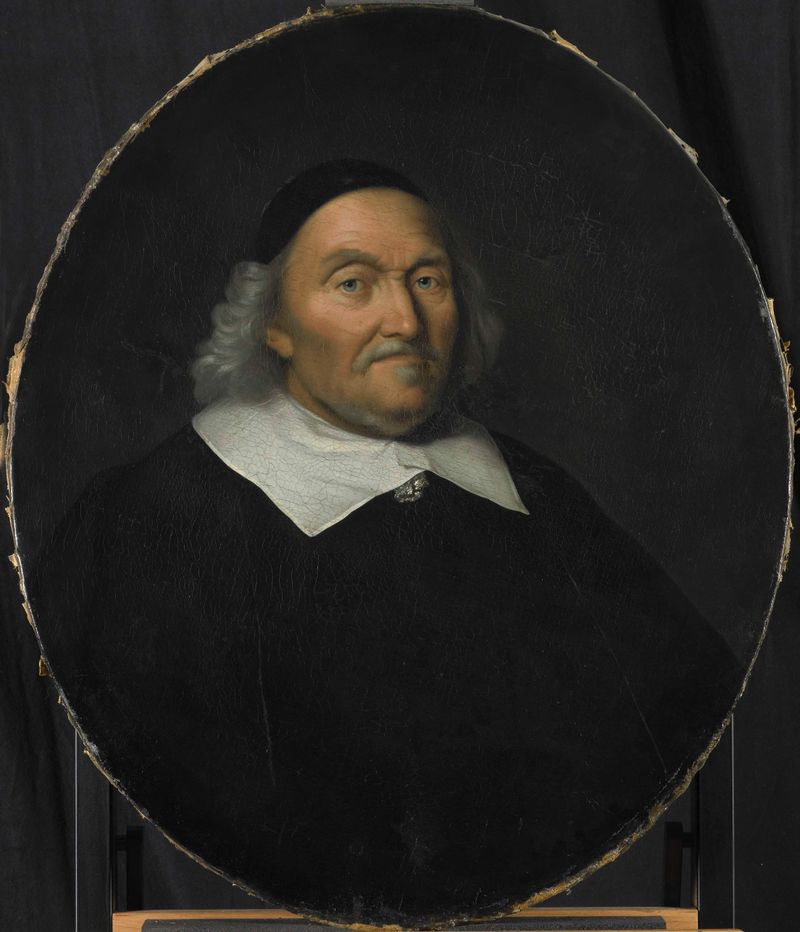
Portrait of Hendrik Nobel, Director of the Rotterdam Chamber of the Dutch East India Company, elected 1625
Pieter van der Werff
More Portrait Art
Browse all →
Las meninas
Diego Velázquez

Self-portrait with a Bandaged Ear and Pipe
Unidentified artist

Girl with a Pearl Earring
Johannes Vermeer

The Sampling Officials of the Amsterdam Drapers’ Guild, Known as ‘The Syndics’
Rembrandt van Rijn

The Hundred Guilder Print: the man seen on the back in the lower left corner
Rembrandt van Rijn

Portrait of Dr Gachet
Vincent van Gogh