
Portrait of Elseberg Herrestvedt — History & Facts
A single, searching gaze holds the viewer in Portrait of Elseberg Herrestvedt by Adolph Tidemand, painted in 1871. The subject’s upward look, almost as if caught in a moment of reflection or prayer, draws us into her inner world. The crisp white of her traditional headscarf frames her face with clarity, while the dark, buttoned dress anchors her in the gravity of the moment.
Light falls gently across her features, illuminating the smoothness of her skin and the quiet strength in her expression, while the plain background keeps all attention on her presence. Every detail—the silver clasps at her collar, the careful rendering of fabric—signals respect for both sitter and tradition. This portrait belongs to a world where national identity and rural life were central concerns for artists like Tidemand, who became known for his depictions of Norwegian folk culture. In the late nineteenth century, such portraits often served to honor local customs and the dignity of everyday people, at a time when Norway was seeking to define itself culturally and politically.
Painted in 1871 and now held by the National Museum of Art, Architecture and Design, this work is a quiet testament to the era’s fascination with the lives and faces of ordinary Norwegians. Its calm gravity invites viewers to linger, searching for the story behind those steady eyes.
More Artworks by Adolph Tidemand

Bridal Procession on the Hardangerfjord
Adolph Tidemand
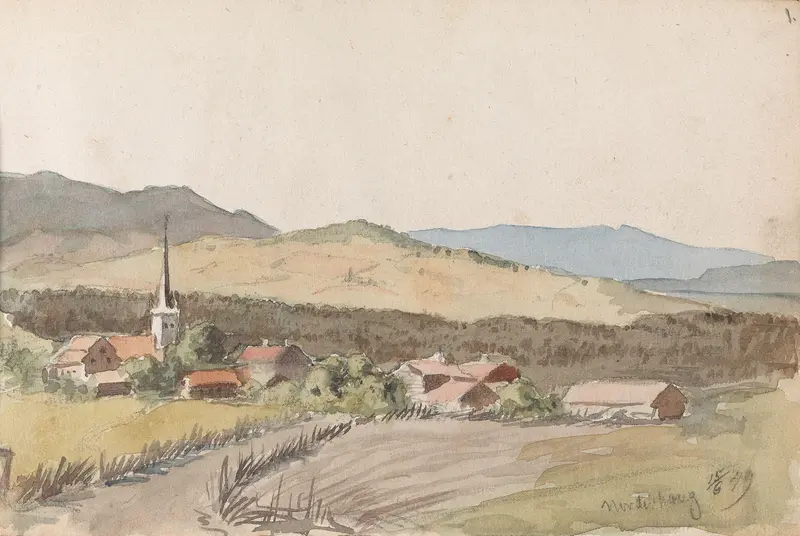
Fra Haugsbygd
Adolph Tidemand
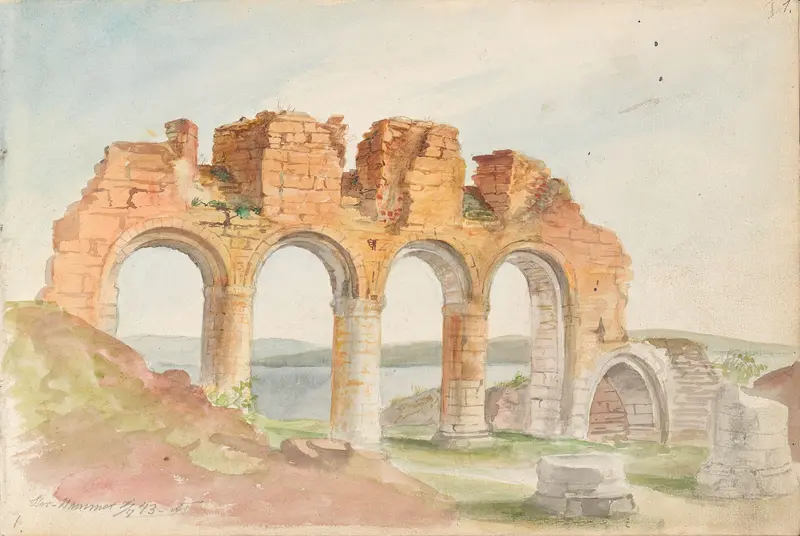
Domkirkeruinen, Hamar
Adolph Tidemand
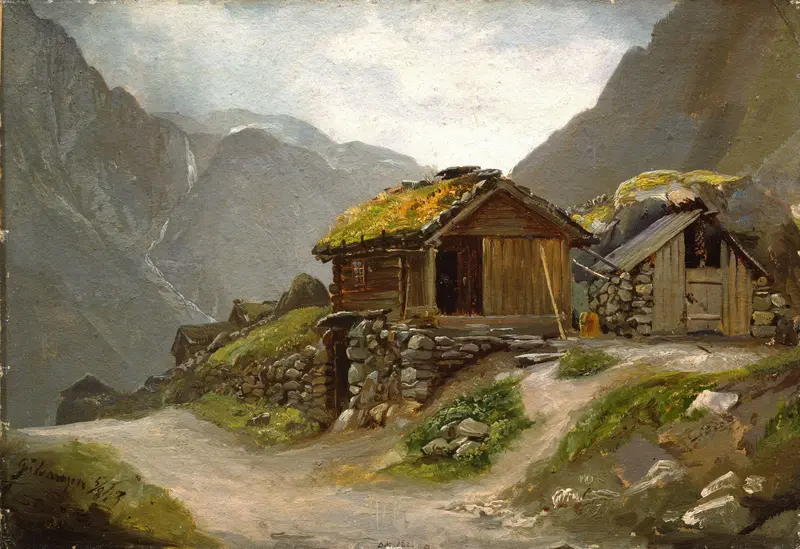
View from Gudvangen
Adolph Tidemand
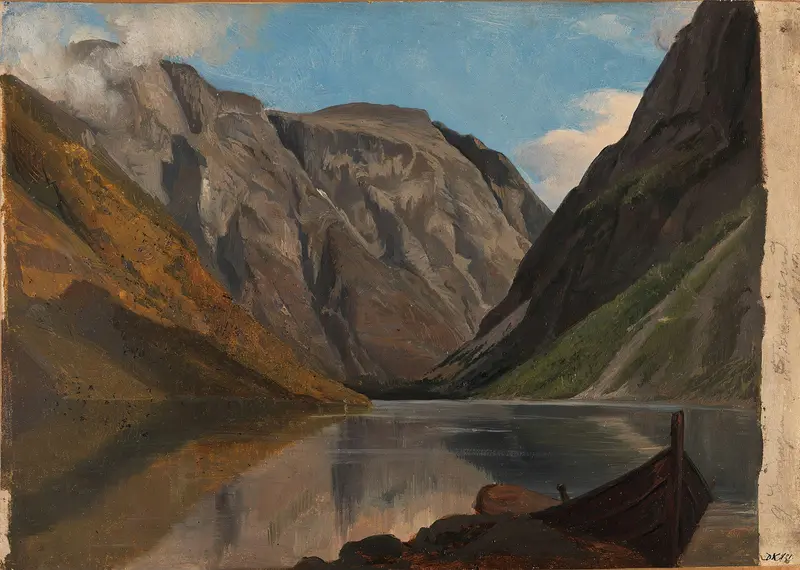
View of Gudvangen
Adolph Tidemand
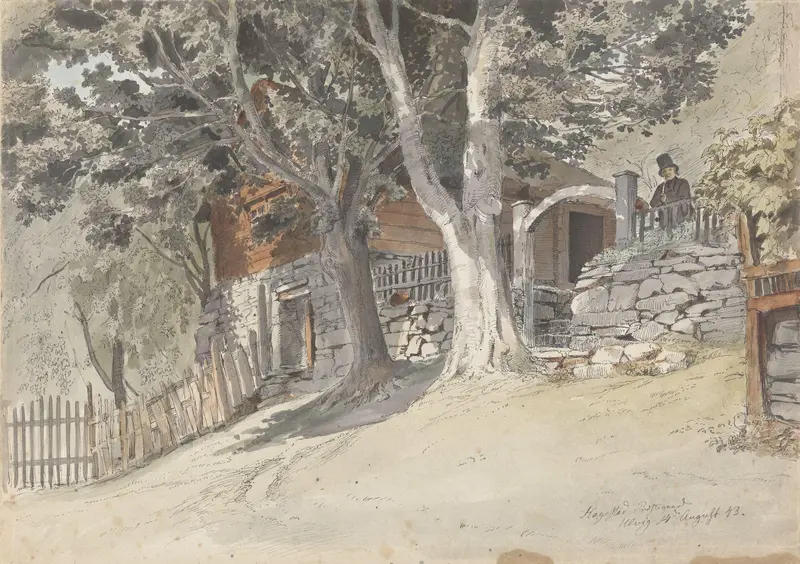
Hagestad prestegård, Ulvik i Hardanger
Adolph Tidemand
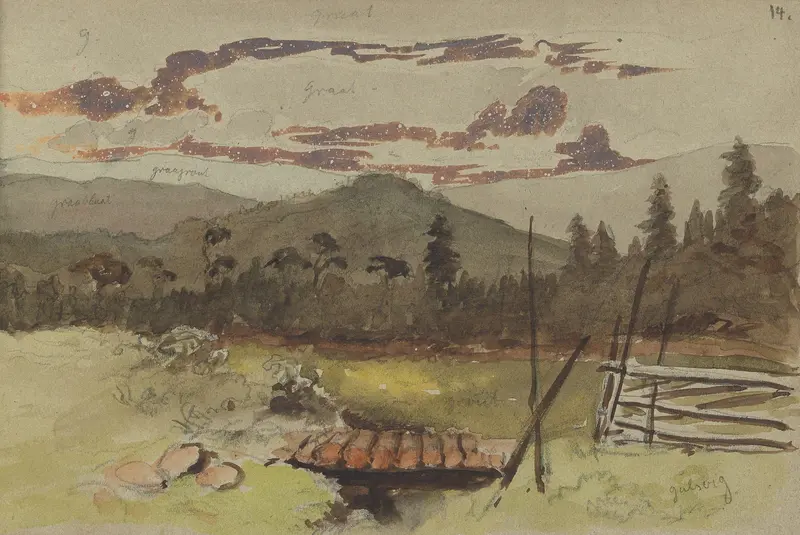
Fra Gulsvik
Adolph Tidemand
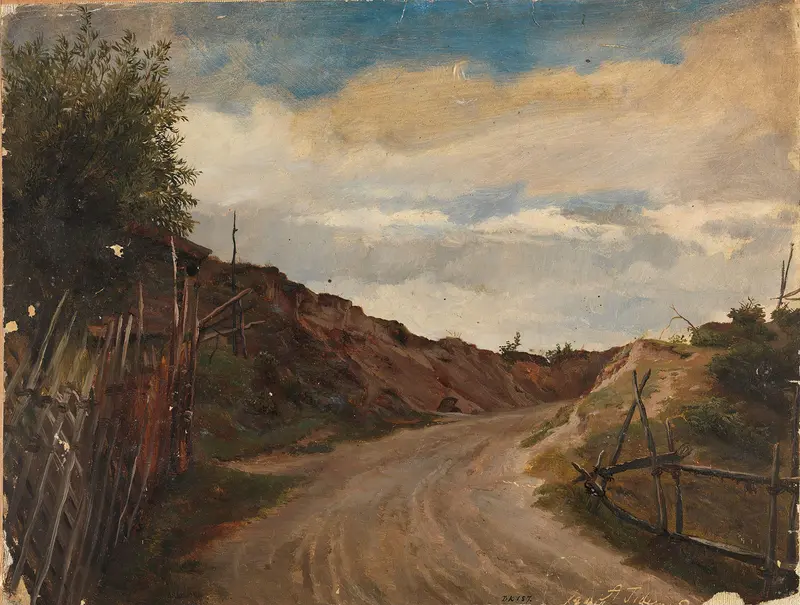
Country Road
Adolph Tidemand
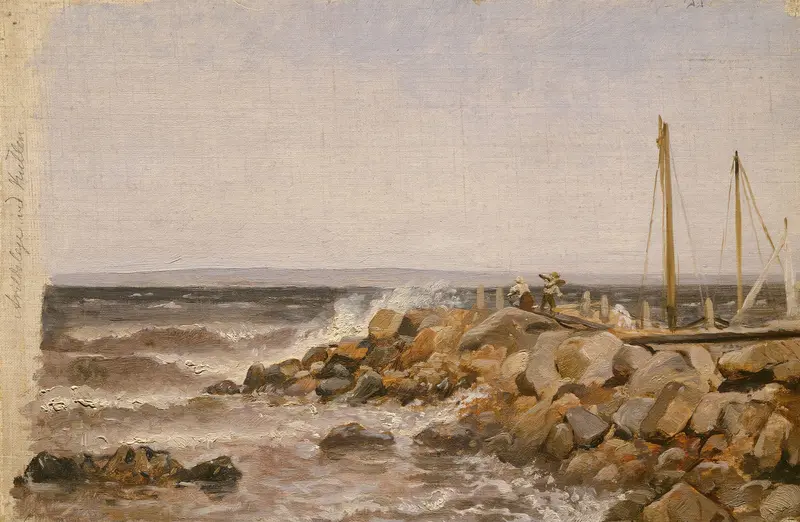
From Kullen in Sweden
Adolph Tidemand
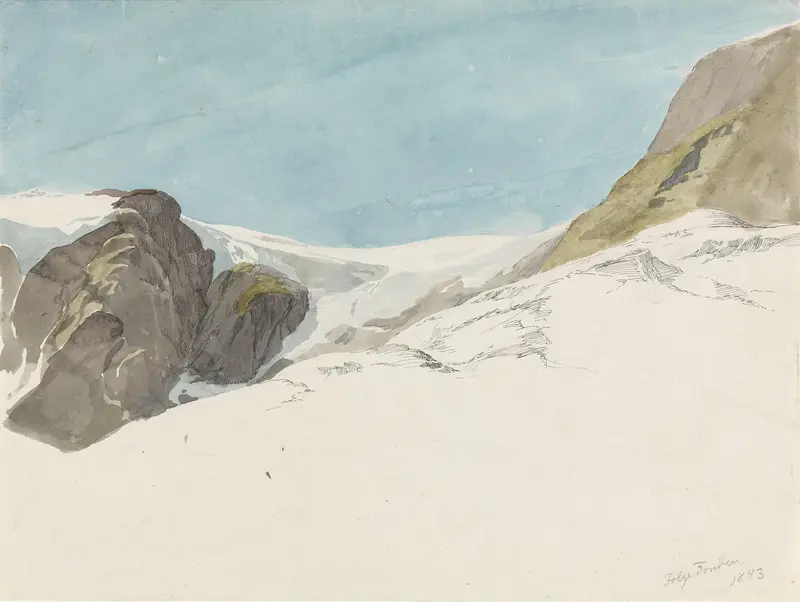
Untitled
Adolph Tidemand





