
Portrait of Gunild Olsdatter from Tinn — History & Facts
What first draws the eye is the quiet confidence in the sitter’s gaze, set against a background that offers no distraction, only a gentle swirl of muted tones that throws her features into sharper relief. The young woman’s cheeks are touched with the pink of youth, her lips gently pressed, neither smiling nor frowning, as if caught in a moment of inward thought. Her costume is rendered with loving care: the crisp white of her blouse, the deep, earthy brown of her dress, and the vivid red accents of her scarf and headband, each brushstroke celebrating the textures and traditions of rural Norway.
The golden brooch at her neck glimmers softly, a focal point that hints at pride or perhaps a family treasure. Light falls from the left, illuminating her face and the folds of her sleeve, guiding the viewer’s attention to the interplay of fabric and flesh, tradition and individuality. Painted in 1848 by Adolph Tidemand, this portrait belongs to a period when Norwegian artists looked to their own countryside for inspiration, documenting the people and customs that defined a national identity in flux. Portraits like this were often created to honor local figures or to serve as studies for larger historical compositions, capturing the dignity of everyday life in a rapidly changing society.
The work now resides in the National Museum of Art, Architecture and Design, a fitting home for a painting that speaks to the roots of Norwegian culture. History has kept few traces of Gunild Olsdatter herself, but Tidemand’s brush preserves her presence, inviting us to linger on the details and imagine the world she inhabited.
More Artworks by Adolph Tidemand

Bridal Procession on the Hardangerfjord
Adolph Tidemand
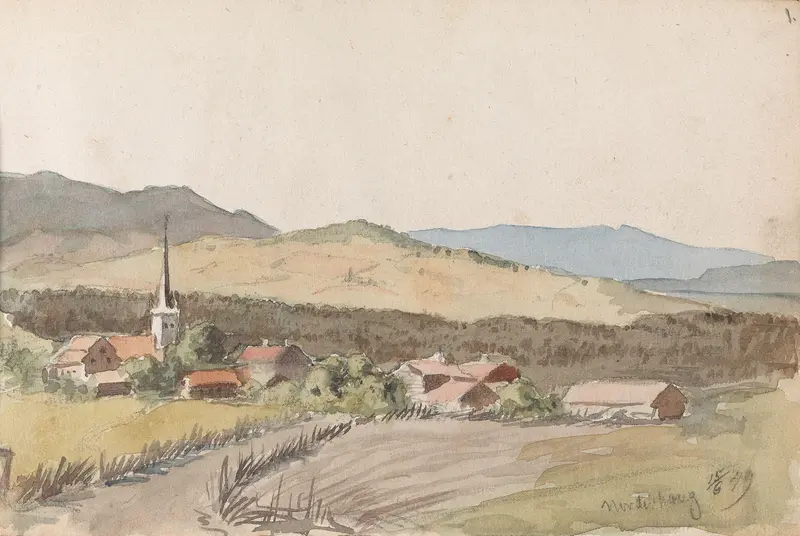
Fra Haugsbygd
Adolph Tidemand
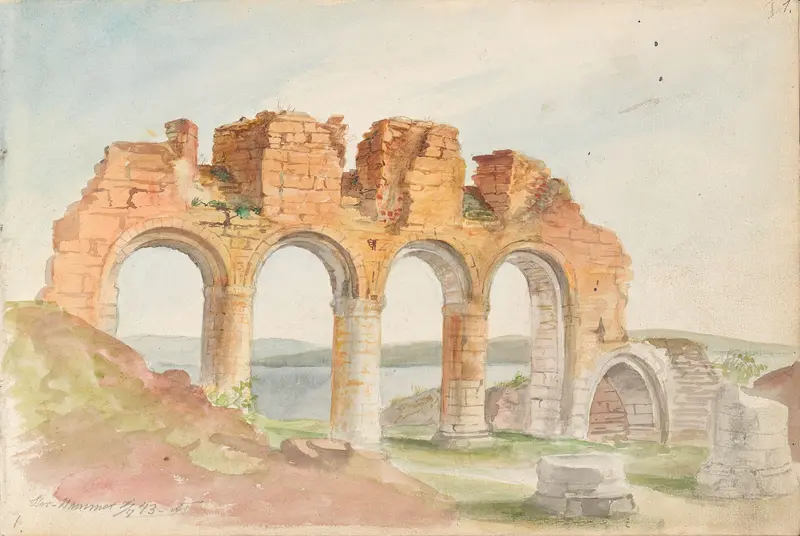
Domkirkeruinen, Hamar
Adolph Tidemand
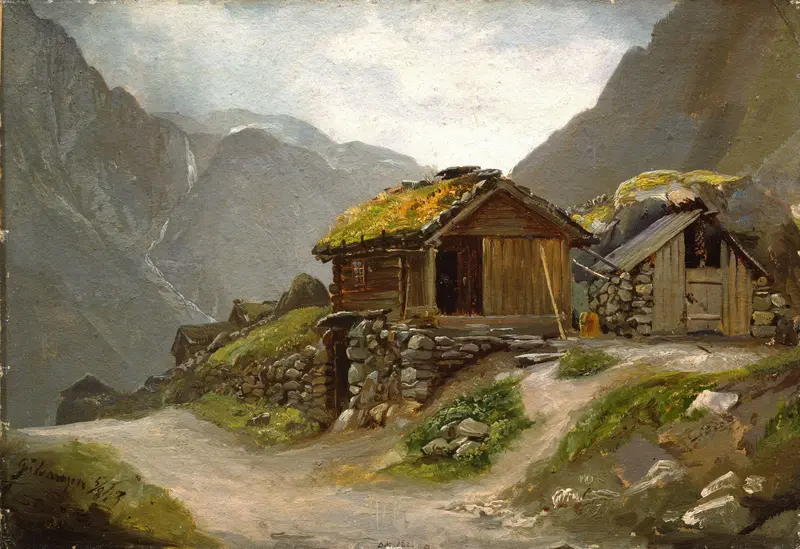
View from Gudvangen
Adolph Tidemand
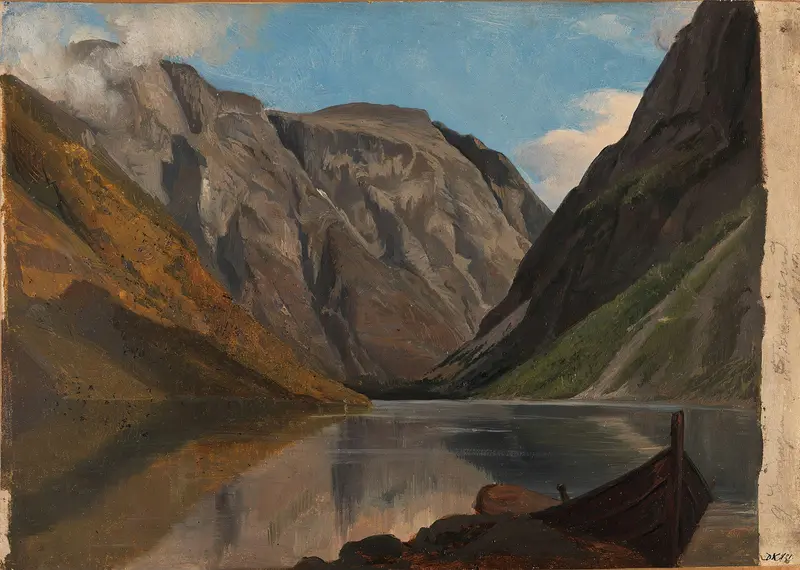
View of Gudvangen
Adolph Tidemand
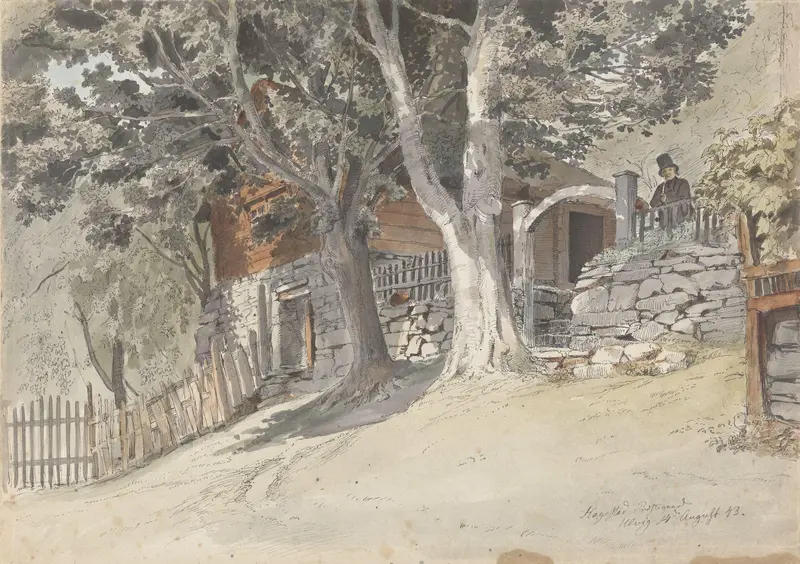
Hagestad prestegård, Ulvik i Hardanger
Adolph Tidemand
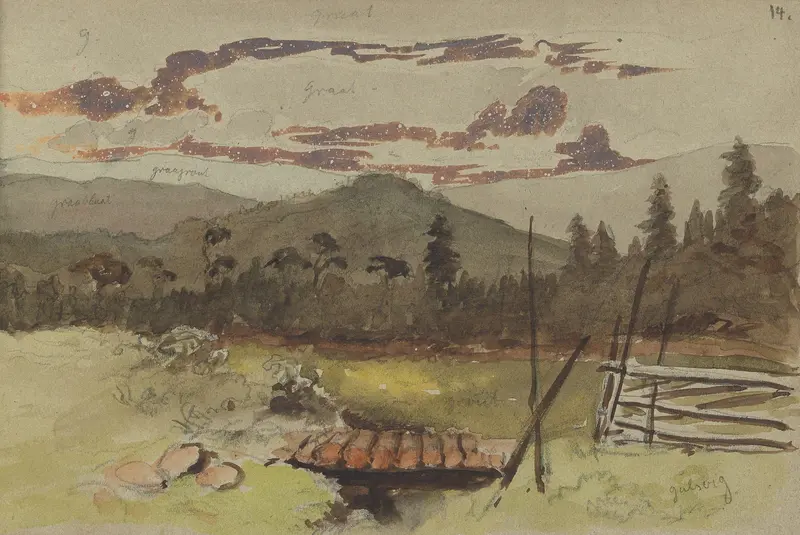
Fra Gulsvik
Adolph Tidemand
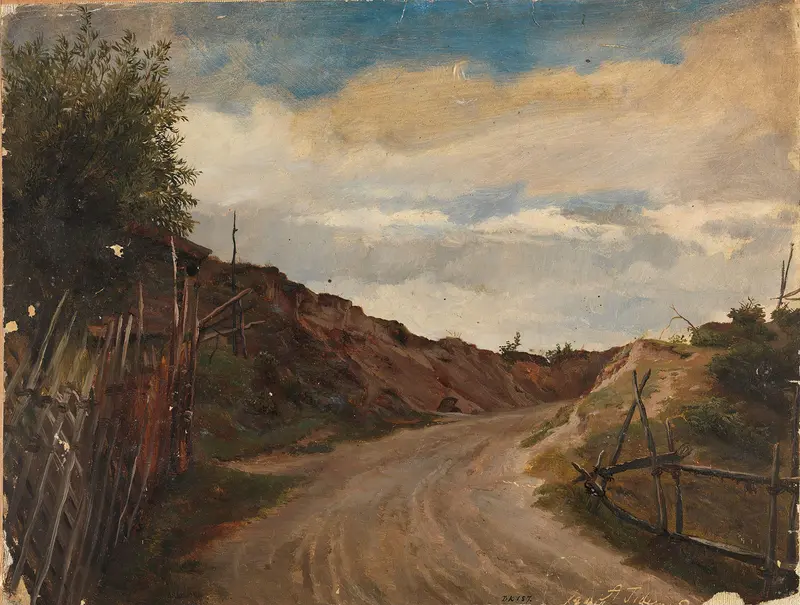
Country Road
Adolph Tidemand
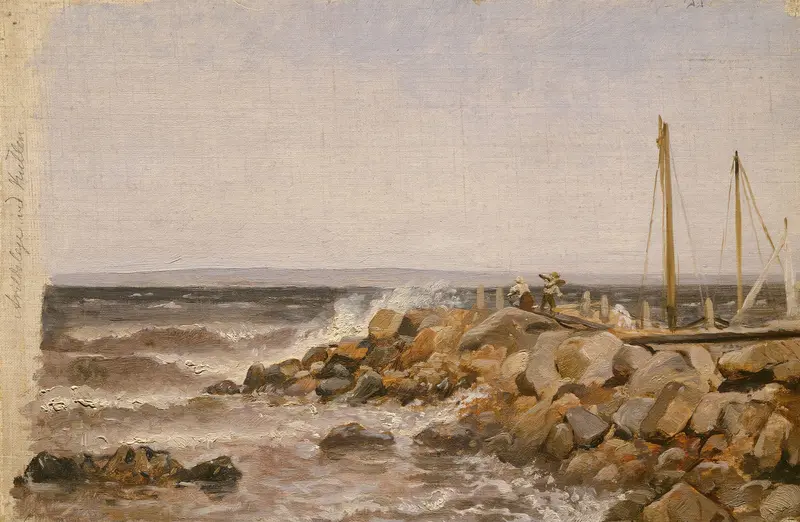
From Kullen in Sweden
Adolph Tidemand
Untitled
Adolph Tidemand





