
Portrait of Ingeborg Anderdatter Gulsvig — History & Facts
What first catches the eye in Portrait of Ingeborg Anderdatter Gulsvig is the quiet force of the sitter’s gaze, direct yet reserved, set against a dark, nearly featureless background that throws every nuance of her expression into relief. The artist, Adolph Tidemand, has chosen to frame Ingeborg in a way that draws attention to her individuality: her headscarf, tied with a vivid red bow, and the intricate silver brooch at her collar are not simply decorative, but signal her connection to a particular place and tradition. The light, falling softly from the left, shapes her face with gentle clarity, suggesting both the freshness of youth and a certain gravity.
The unfinished edges of the canvas, visible at the bottom, remind us that we are looking at a moment captured in the artist’s hand—intimate, unvarnished, and immediate. Painted in 1849, this portrait belongs to a moment in Scandinavian art when interest in rural life and national identity was surging. Artists like Tidemand traveled widely, seeking out the faces and costumes of ordinary people, often at a time when industrialization threatened to erase local customs. Such portraits were rarely grand commissions; more often, they were studies or tributes, sometimes kept by the artist or exchanged among collectors who valued the documentation of “folk types.” History has kept few traces of Ingeborg herself, but the painting’s survival in a digital collection today—Google Arts & Culture—invites us to look closely, and to wonder what stories her quiet presence might have told to those who knew her.
More Artworks by Adolph Tidemand

Bridal Procession on the Hardangerfjord
Adolph Tidemand
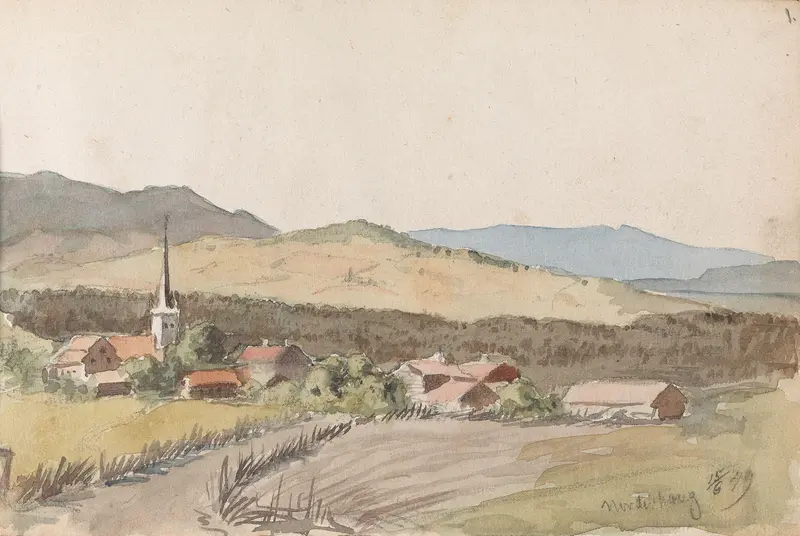
Fra Haugsbygd
Adolph Tidemand
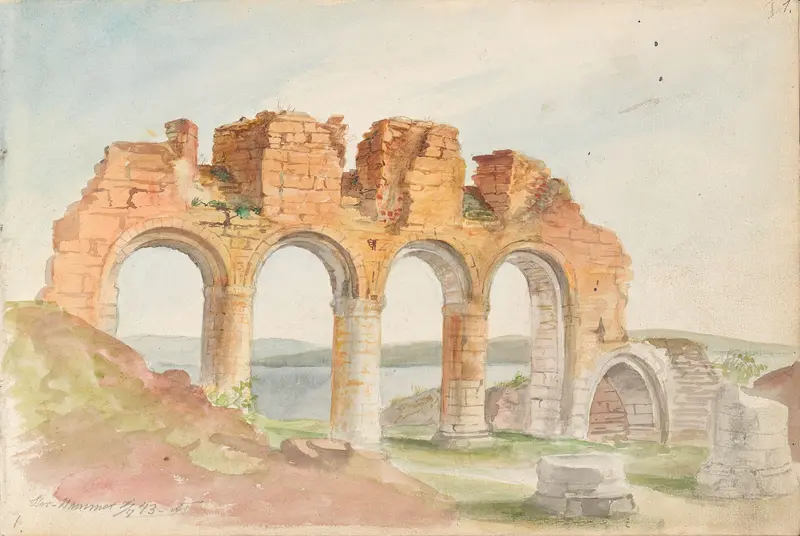
Domkirkeruinen, Hamar
Adolph Tidemand
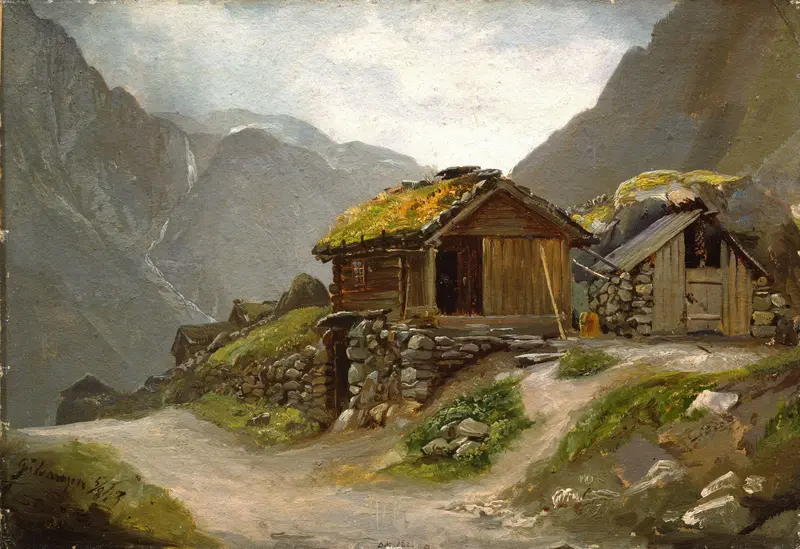
View from Gudvangen
Adolph Tidemand
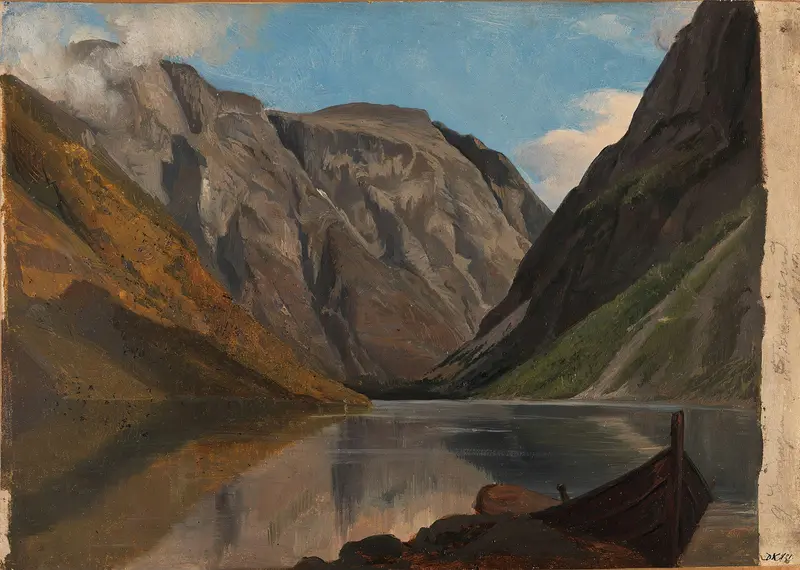
View of Gudvangen
Adolph Tidemand
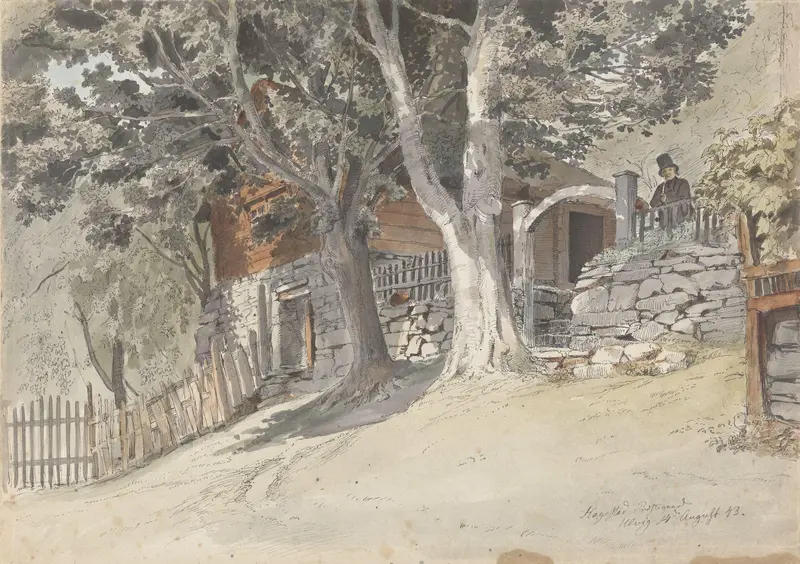
Hagestad prestegård, Ulvik i Hardanger
Adolph Tidemand
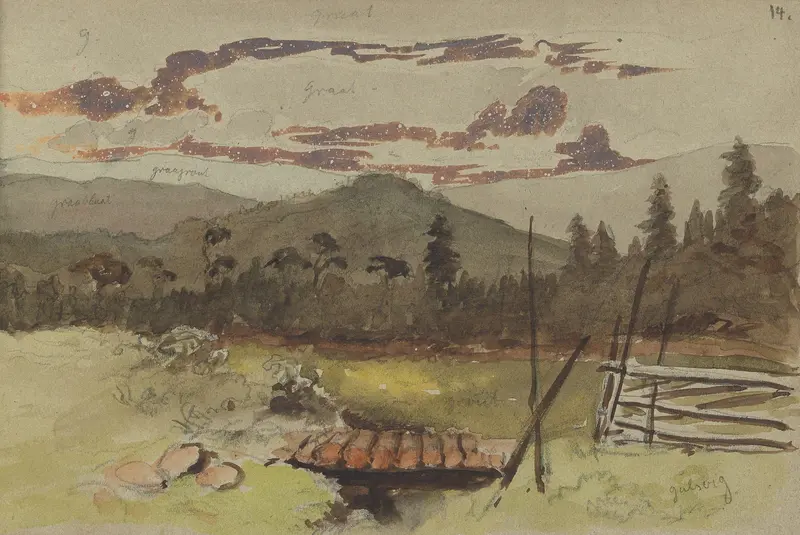
Fra Gulsvik
Adolph Tidemand
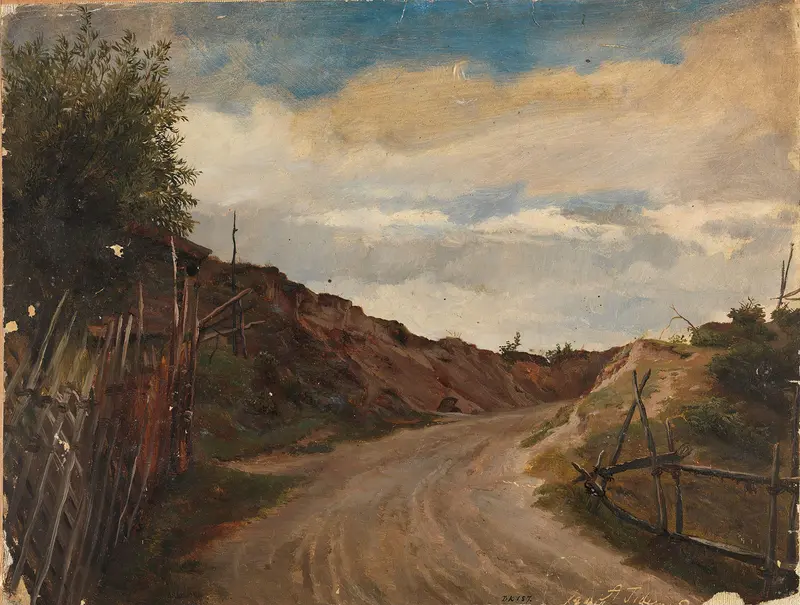
Country Road
Adolph Tidemand
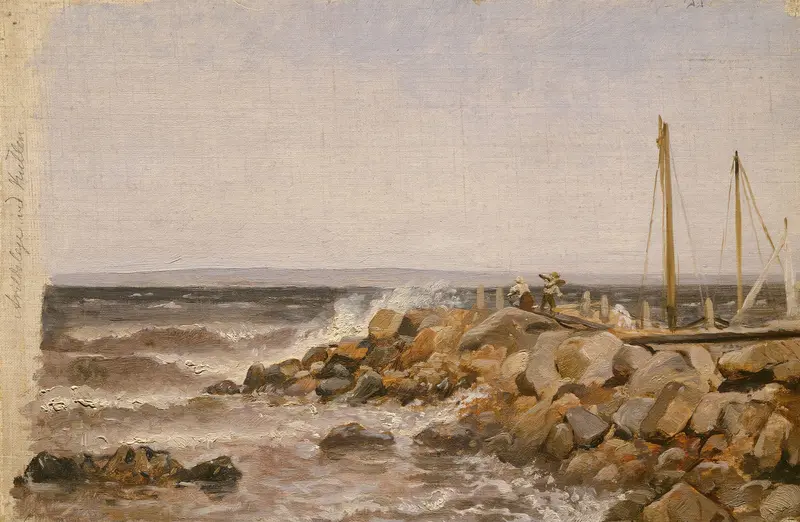
From Kullen in Sweden
Adolph Tidemand
Untitled
Adolph Tidemand





