
Portrait of Ingeborg Skjønne from Numedal — History & Facts
The first thing to catch the eye is the woman’s steady, almost weighty gaze, meeting the viewer with a presence that feels both private and unyielding. Her face, softly illuminated against a deep, undistracting background, draws all attention to her expression—a blend of endurance and quiet dignity. The painter, Adolph Tidemand, has chosen to render every crease and shadow with care, the headscarf and green neckerchief framing her features like a badge of identity.
The brushwork on her embroidered bodice and the subtle glint of buttons suggest a life marked by tradition and resilience, while the somber palette lets the smallest details—a flush in the cheeks, a glimmer in the eye—carry the emotional weight. Painted in 1848, this portrait belongs to a period when artists across Scandinavia turned their attention to the everyday people of their homelands, seeking authenticity in the faces and costumes of rural life. Portraits such as this were not merely likenesses; they were statements of cultural pride and social observation, often commissioned or collected by those eager to celebrate local identity in a rapidly changing world. Now held in the National Museum of Art, Architecture and Design, the work stands as a testament to a time when the ordinary became worthy of close, respectful study.
Look again at her face: it is a record not just of a person, but of a world in transition.
More Artworks by Adolph Tidemand

Bridal Procession on the Hardangerfjord
Adolph Tidemand
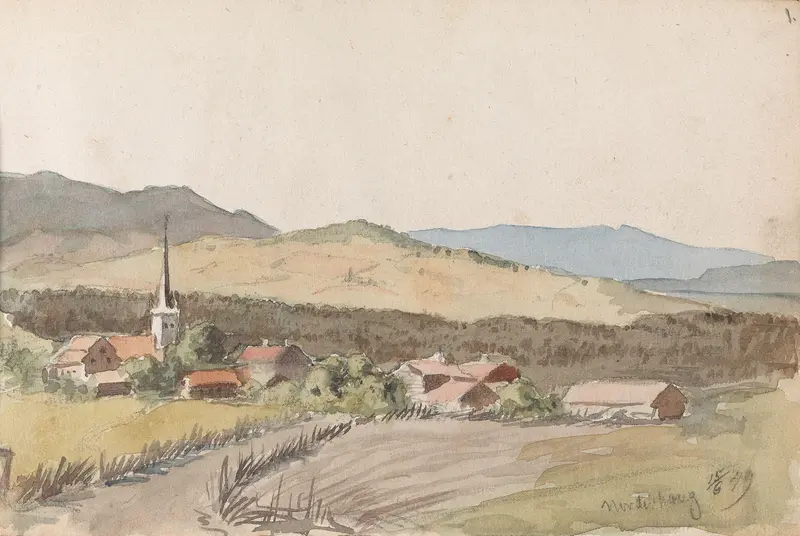
Fra Haugsbygd
Adolph Tidemand
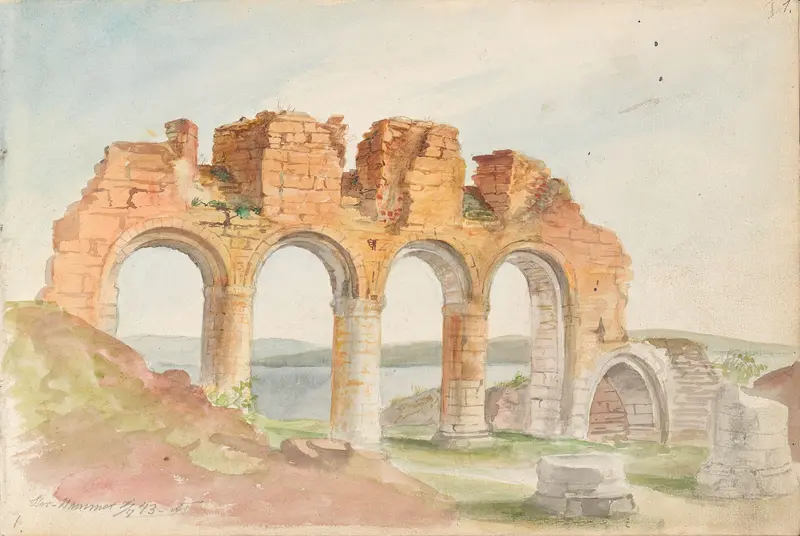
Domkirkeruinen, Hamar
Adolph Tidemand
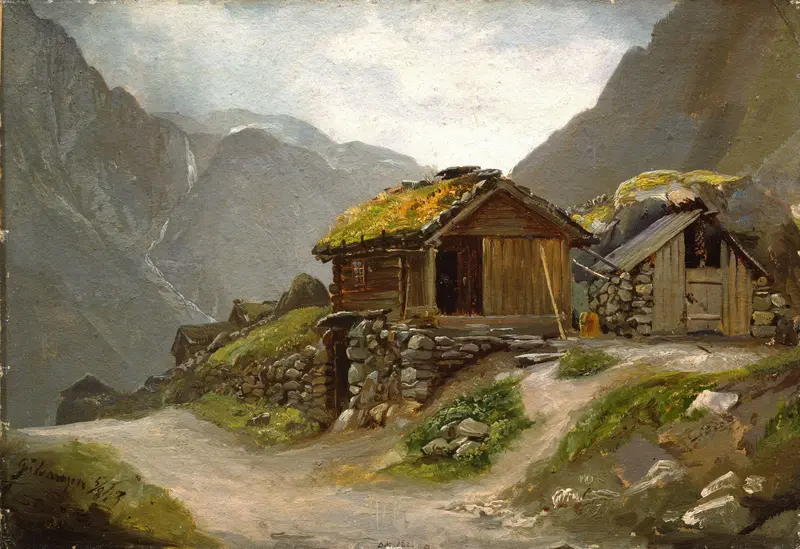
View from Gudvangen
Adolph Tidemand

View of Gudvangen
Adolph Tidemand
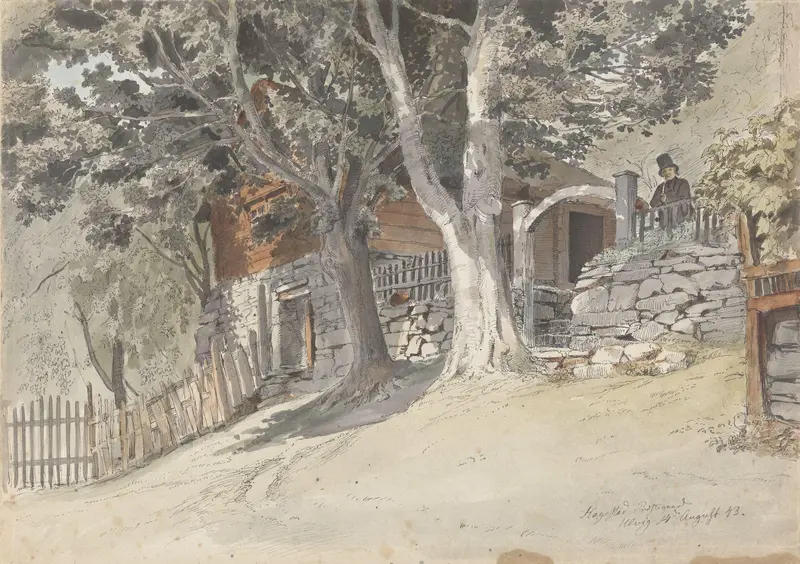
Hagestad prestegård, Ulvik i Hardanger
Adolph Tidemand
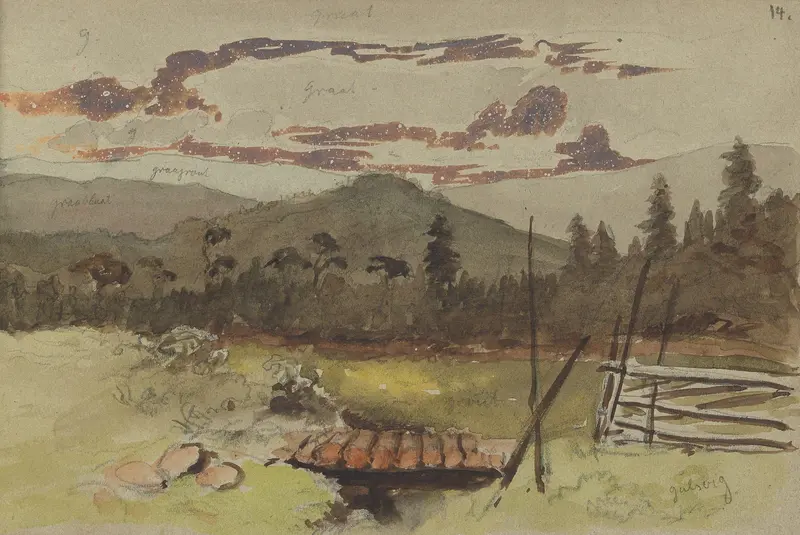
Fra Gulsvik
Adolph Tidemand
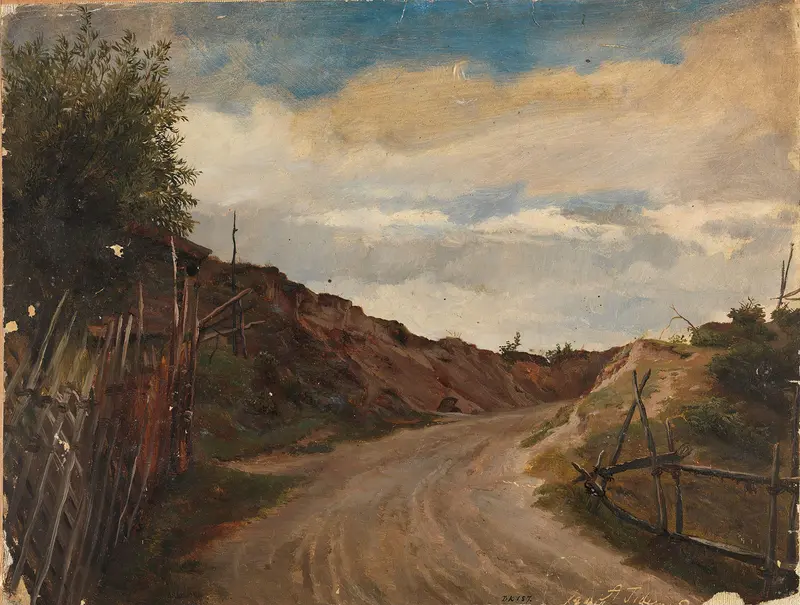
Country Road
Adolph Tidemand
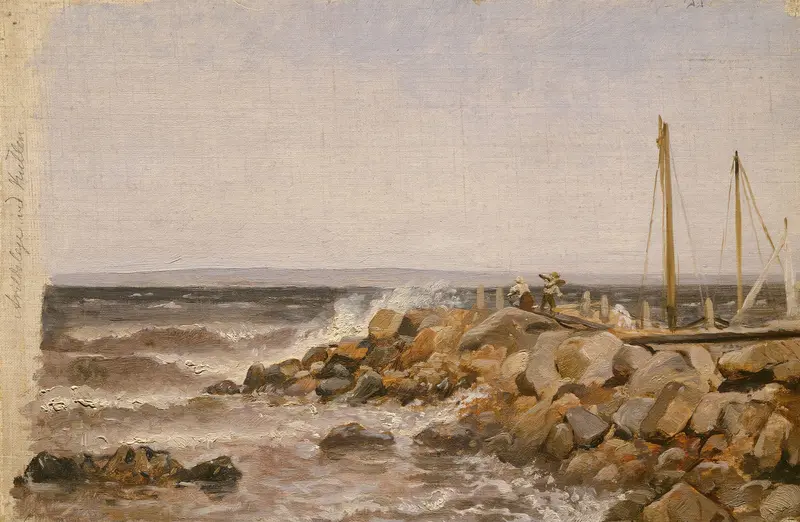
From Kullen in Sweden
Adolph Tidemand
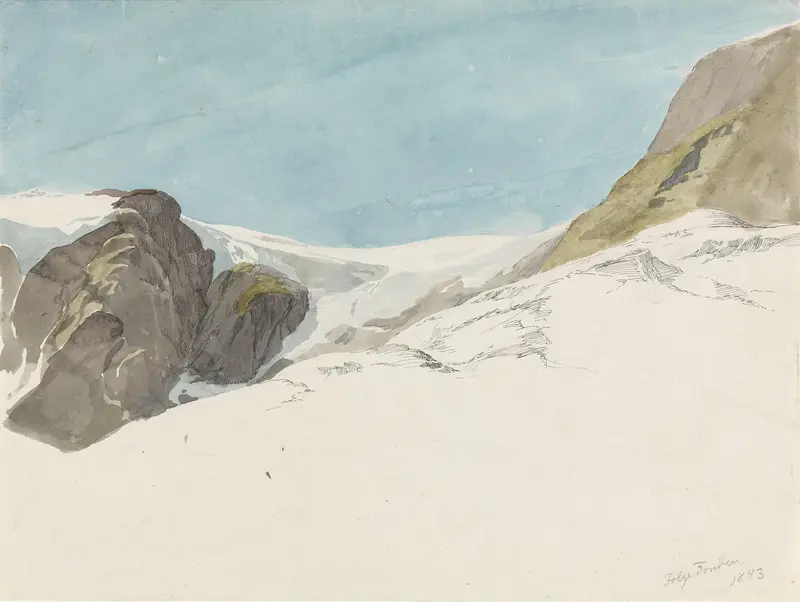
Untitled
Adolph Tidemand





