
Portrait of Jan van Loon and his family — History & Facts
What first draws the eye in Portrait of Jan van Loon and his family is the sense of choreography—each figure arranged as if on a stage, yet the scene feels lived-in, not posed. The patriarch, Jan van Loon, anchors the group, his calm gaze and steady hand resting on a loyal dog, while the matriarch sits beside him, her embroidery box open, a quiet emblem of domestic order. Light pours in from the tall window, catching on the silks and lace of the women’s dresses, and guiding us toward the younger generation: a naval officer in blue, two elegantly dressed daughters at a card table, and children scattered with toys and books.
Every gesture and glance is a clue—the little girl reaching for the plant, the boy on the floor with his hat tossed aside—hinting at personalities and relationships within the family. Painted in 1786, this family portrait belongs to a world on the cusp of change. The late eighteenth century saw prosperous Dutch families like the van Loons commissioning such works to assert their status, taste, and unity. These paintings were not just records, but declarations—of lineage, of enlightenment values, of worldly confidence.
The artist, Adriaan de Lelie, was known for capturing the subtleties of social life, and here he weaves together fashion, architecture, and affection into a single tableau. History has kept few traces of this specific painting’s journey, but its presence in the 2014 exhibition Adriaan de Lelie en het achttiende-eeuwse familieportret reminds us that these images were both private treasures and public statements. Look again, and see how each detail—down to the portrait-within-the-portrait above the fireplace—invites us to imagine the conversations and ambitions of a family in the age of reason.
More Artworks by Adriaan de Lelie
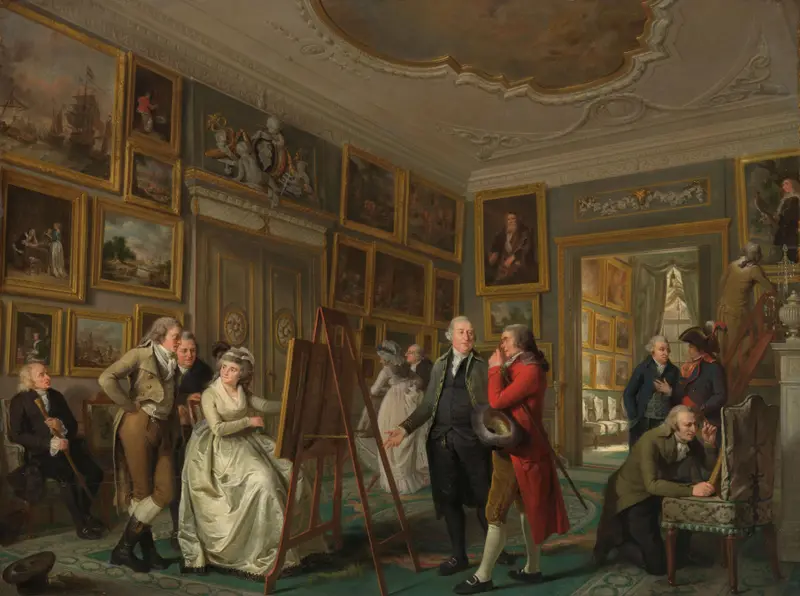
The Art Gallery of Jan Gildemeester Jansz
Adriaan de Lelie
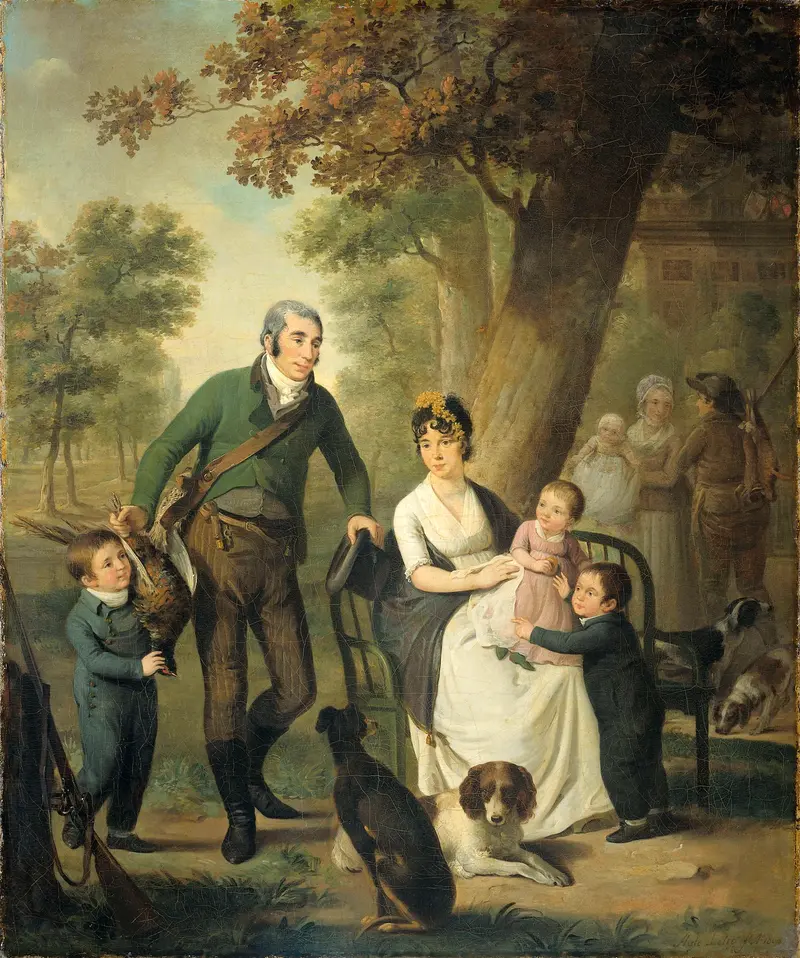
Jonkheer Gysbert Carel Rutger Reinier van Brienen van Ramerus(1771-1821), with his Wife and four of their Children
Adriaan de Lelie
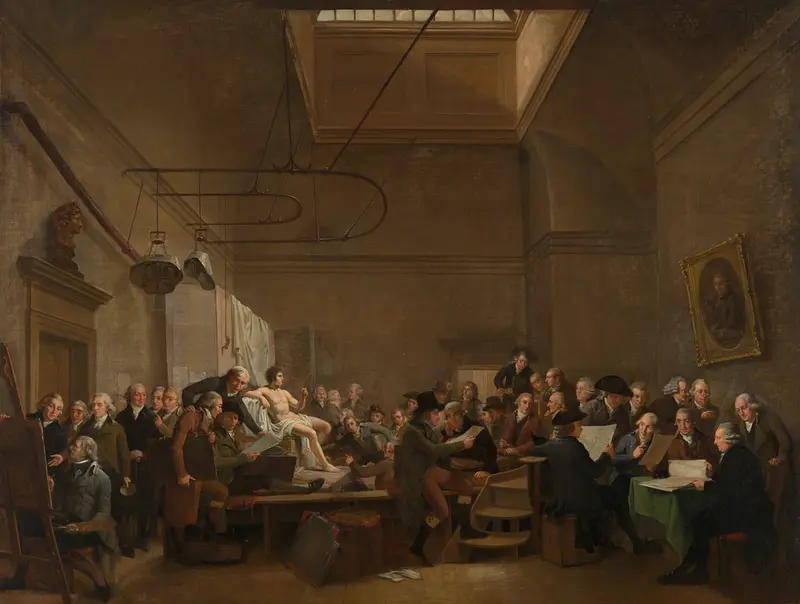
The Drawing Gallery of the Felix Meritis Society
Adriaan de Lelie
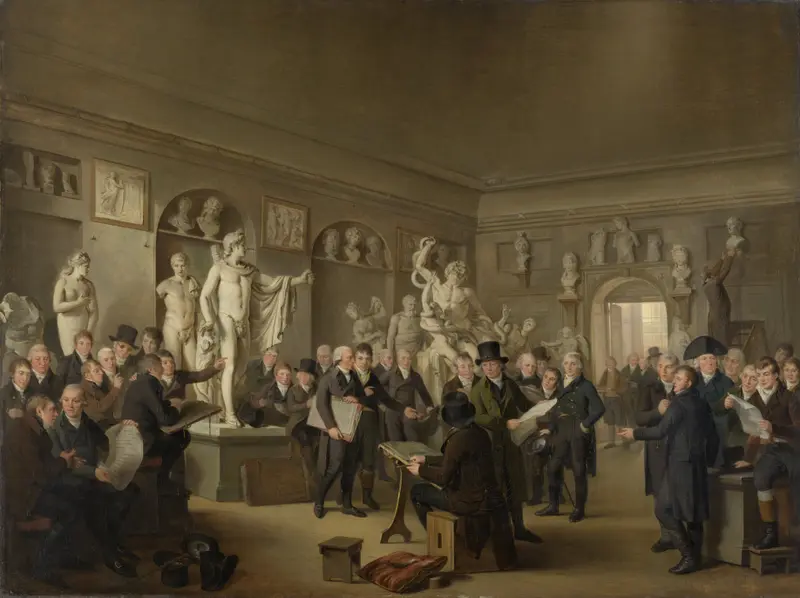
The Sculpture Gallery of the Felix Meritis Society
Adriaan de Lelie
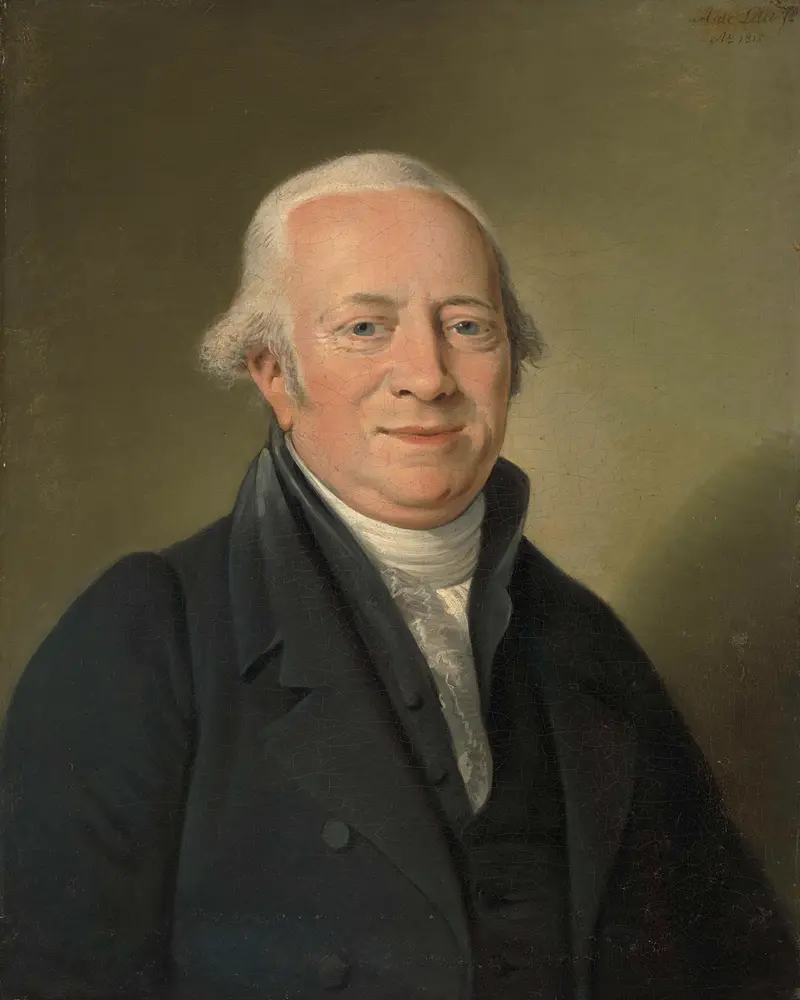
Cornelis Sebille Roos (1754-1820), Amsterdam Art Dealer and Keeper of the Nationale Konst-Gallery in Huis ten Bosch, The Hague
Adriaan de Lelie
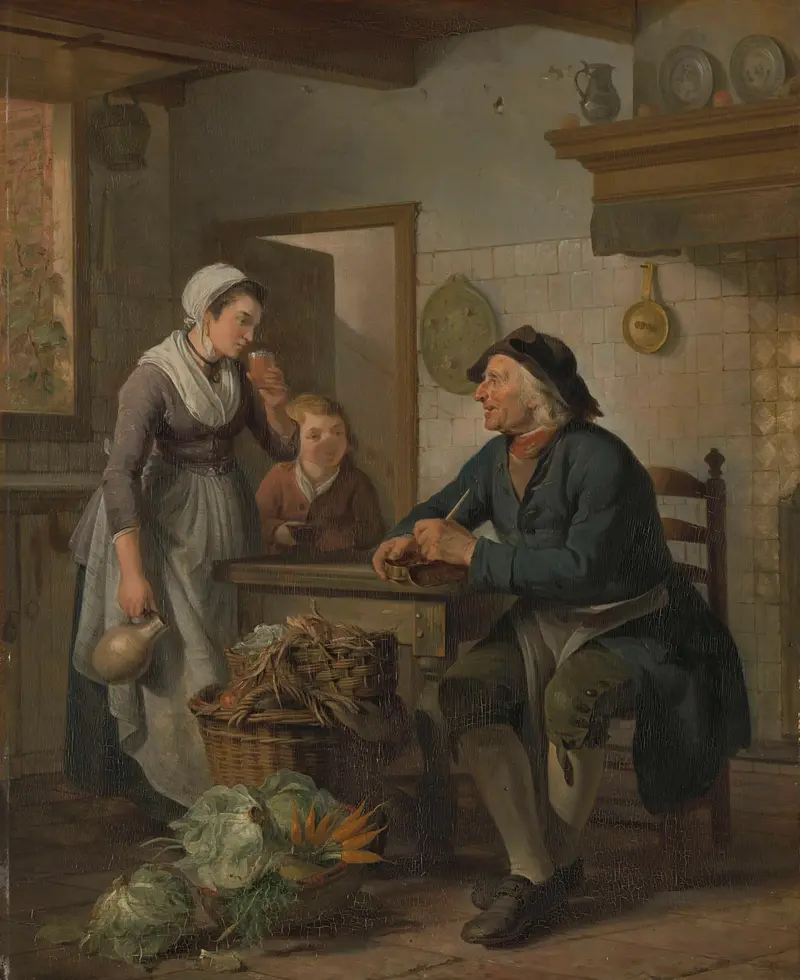
Morning Visit
Adriaan de Lelie
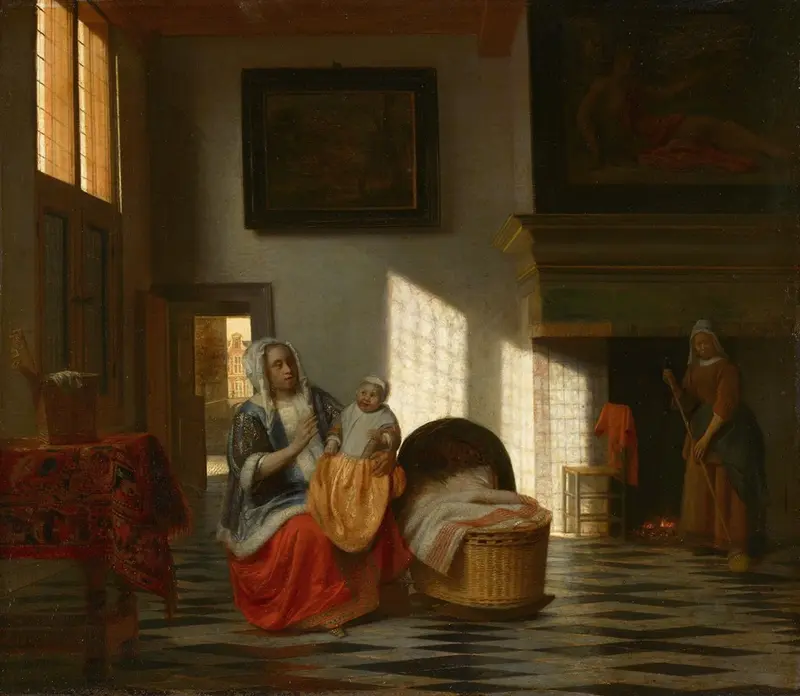
Mother and Two Children with Still Life
Adriaan de Lelie
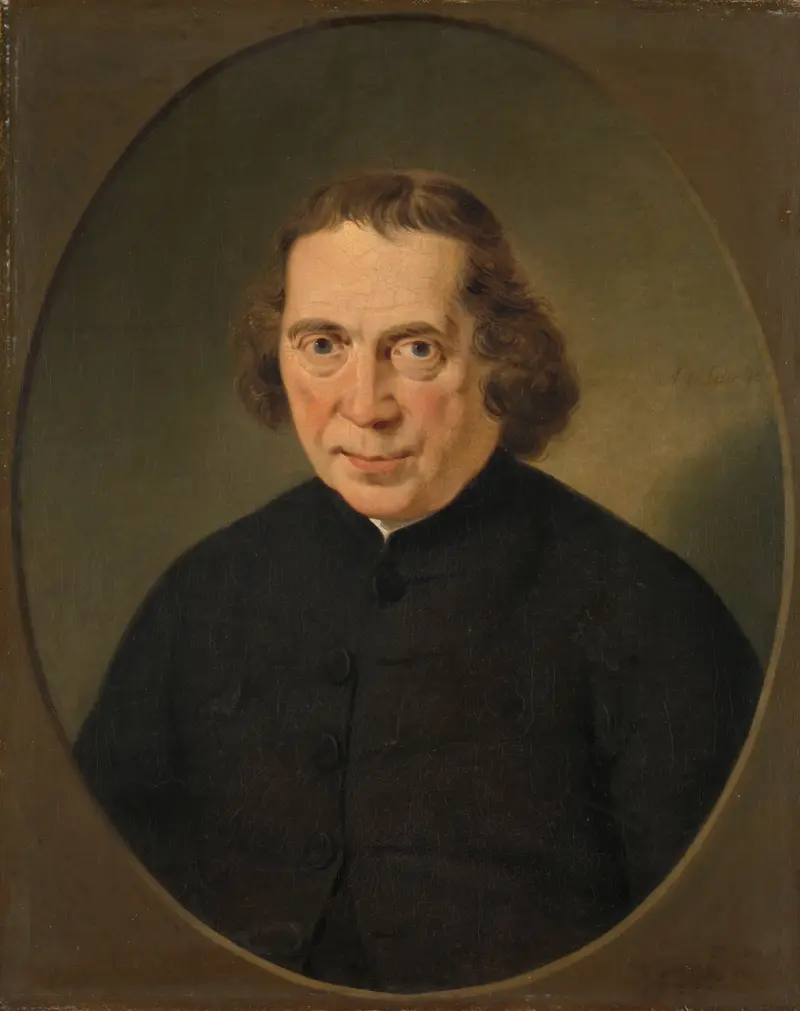
Portrait of Jan Nieuwenhuyzen
Adriaan de Lelie
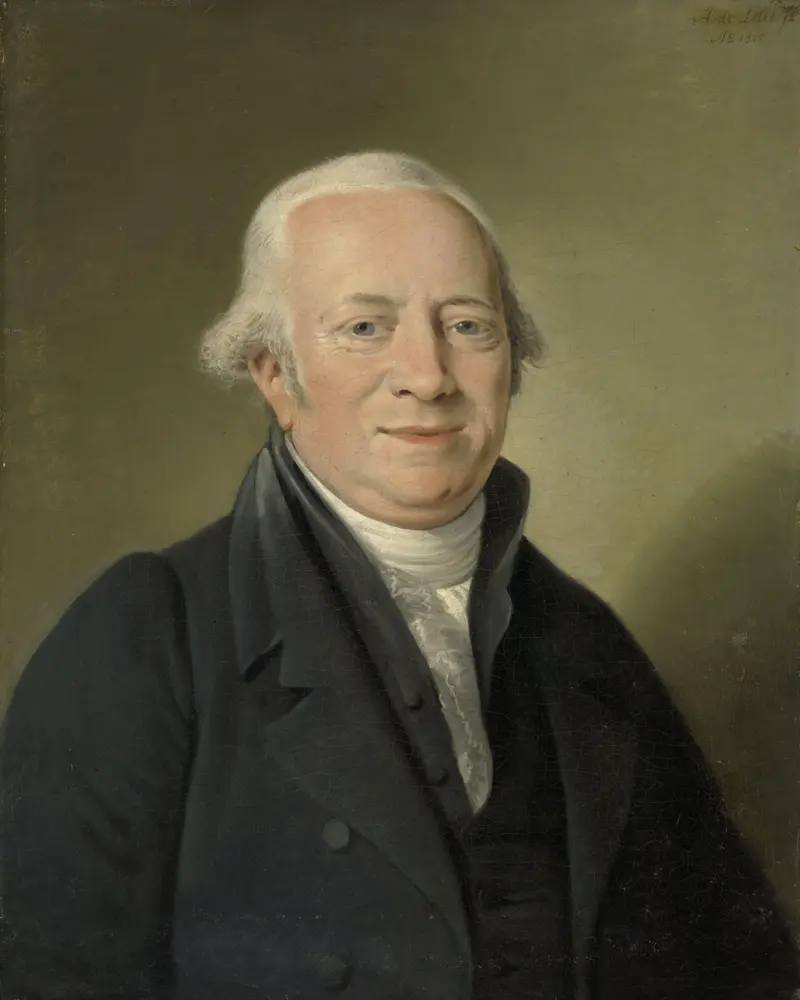
Portrait of Cornelis Sebille Roos, Art Dealer in Amsterdam and Inspector of the National Konst-Gallery and the Huis ten Bosch in The Hague
Adriaan de Lelie
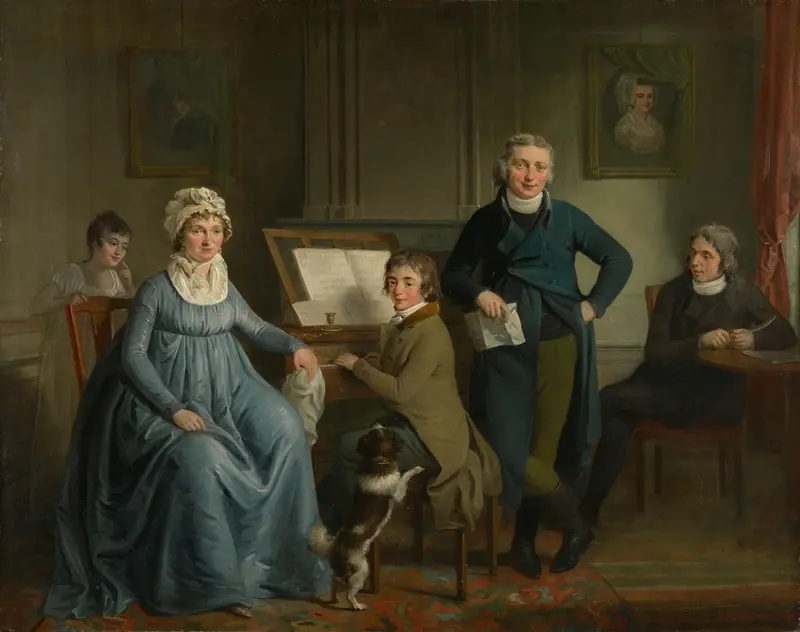
Musical family
Adriaan de Lelie





