
Portrait of Madame Reynouard — History & Facts
When Amedeo Modigliani painted Portrait of Madame Reynouard in 1916, he was at the height of his brief but feverish career in Paris, surrounded by a circle of writers, artists, and patrons who were drawn to his singular vision. The sitter, Madame Reynouard, was the wife of a prominent publisher and a supporter of the avant-garde, and her portrait is one of a small handful of commissions Modigliani accepted during a period when he often struggled to pay for canvases. Unlike many of his other portraits, this one was not painted for the art market but for a private home, making its survival and visibility today all the more remarkable. The painting captures Madame Reynouard seated, her elongated neck and almond-shaped eyes rendered with the unmistakable stylization that marks Modigliani’s mature style.
Her gaze is direct yet distant, her lips closed in a slight, enigmatic expression. The background is spare, allowing the viewer’s attention to rest entirely on the sitter’s face and hands, which are delicately folded in her lap. The cool, muted palette and the gentle modeling of her features create a sense of introspection—she is present, but her thoughts are elsewhere.
Compared to the psychological intensity of Modigliani’s Portrait of Jeanne Hébuterne, this work is more restrained, offering a quiet dignity rather than overt emotion. The exact provenance of Portrait of Madame Reynouard is not fully documented, but it is known that the painting remained in private hands for many years, passing through the Reynouard family before entering the art market in the mid-20th century. Its attribution has never been seriously questioned, as the style and signature are consistent with Modigliani’s portraits from 1916. Today, the painting is celebrated as a quintessential example of Modigliani’s approach to portraiture—merging the influence of African sculpture, Renaissance elongation, and the modernist search for psychological depth.
It stands as a testament to the artist’s ability to capture the individuality of his sitters while transforming them into icons of his own unique world.
More Artworks by Amedeo Modigliani
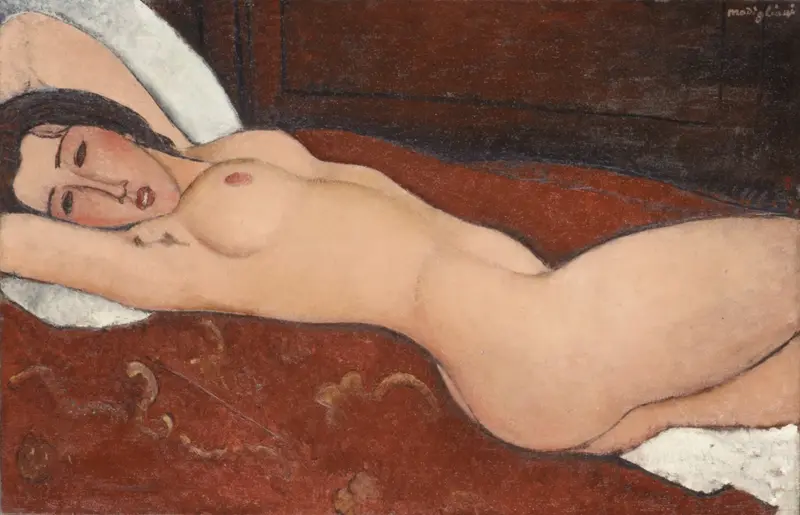
Reclining Nude
Amedeo Modigliani

Portrait Of Jeanne Hébuterne
Amedeo Modigliani

Jeanne Hébuterne
Amedeo Modigliani
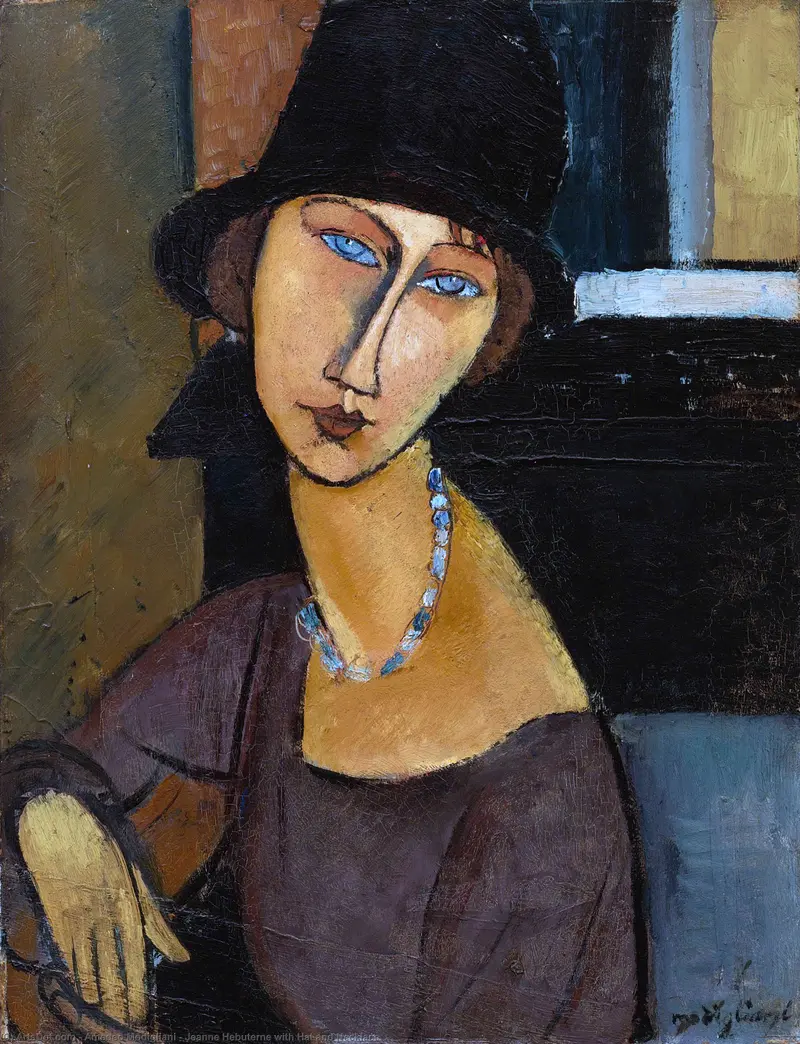
Jeanne Hébuterne with Hat and Necklace
Amedeo Modigliani
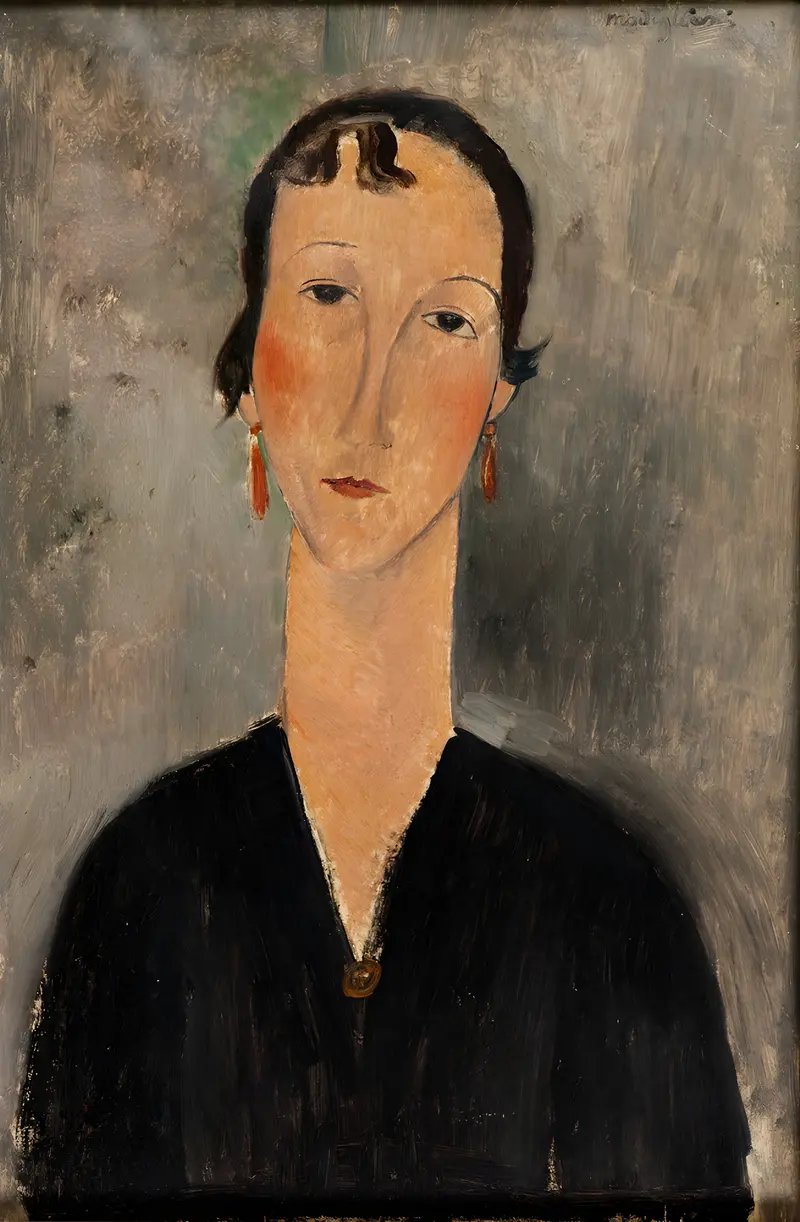
Femme aux boucles d'oreilles
Amedeo Modigliani
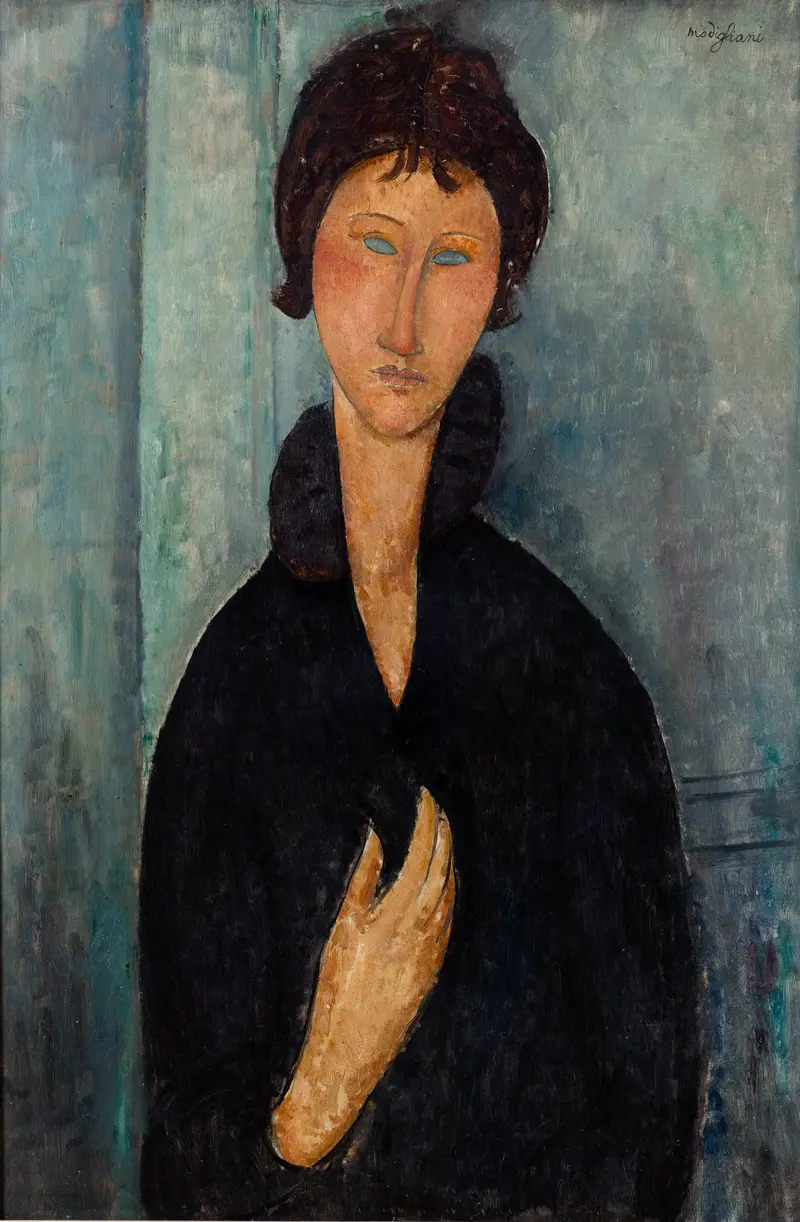
Femme aux yeux bleus
Amedeo Modigliani
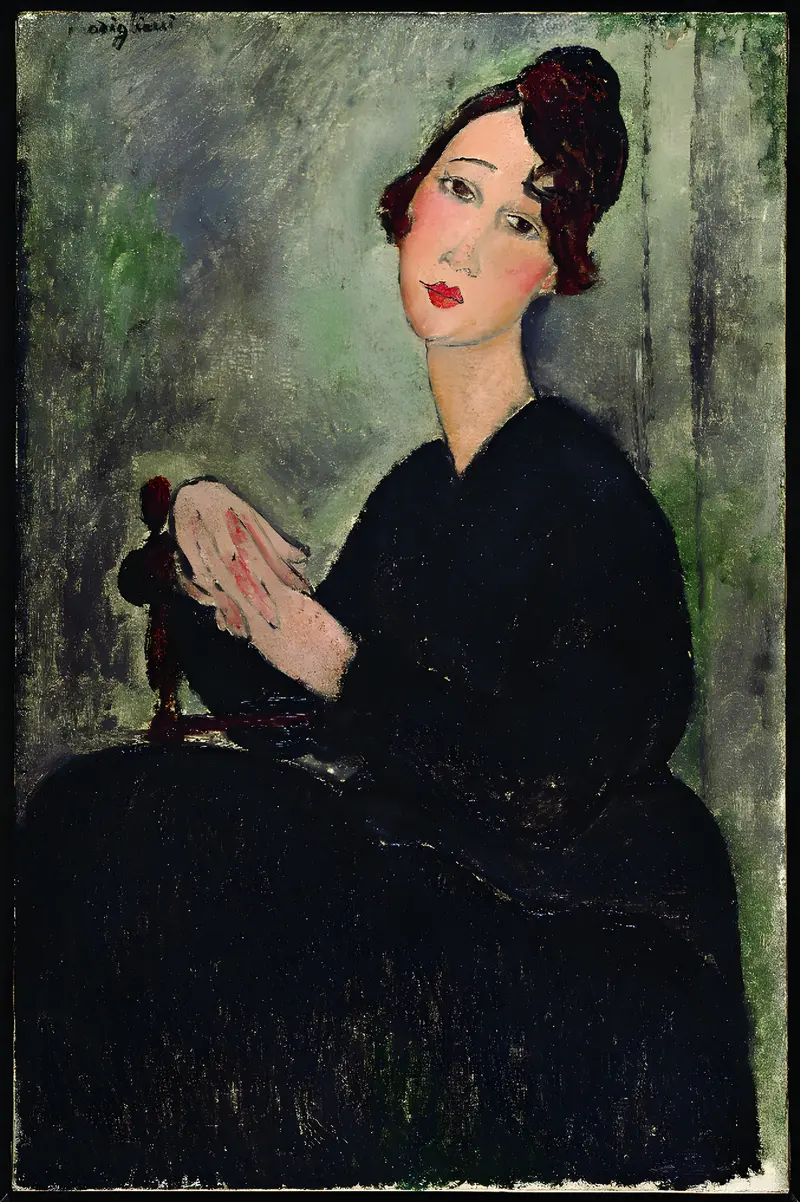
Portrait of Dedie
Amedeo Modigliani
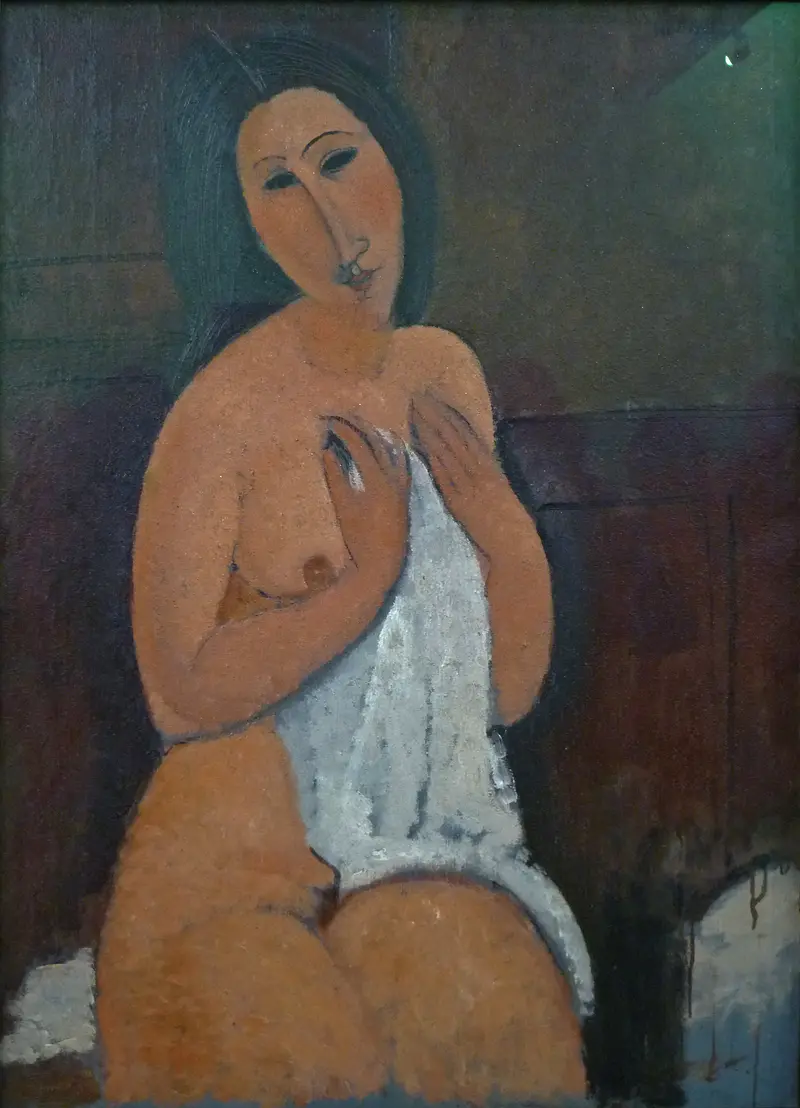
Seated nude with shirt
Amedeo Modigliani
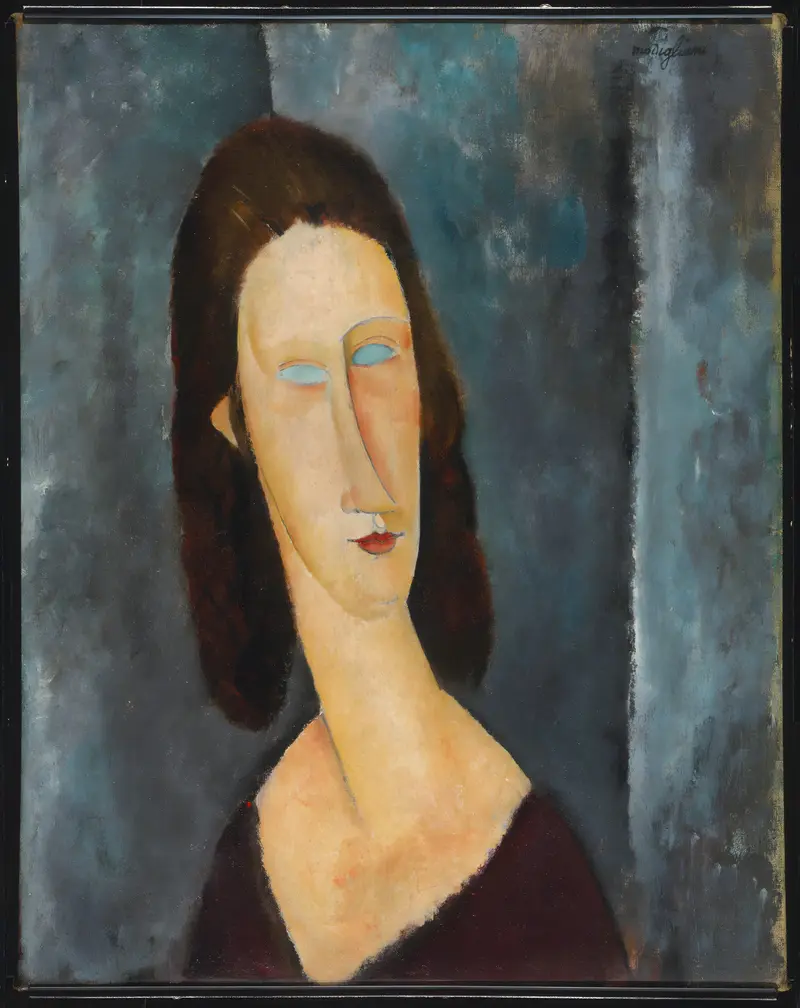
Blue Eyes (Portrait of Madame Jeanne Hébuterne)
Amedeo Modigliani
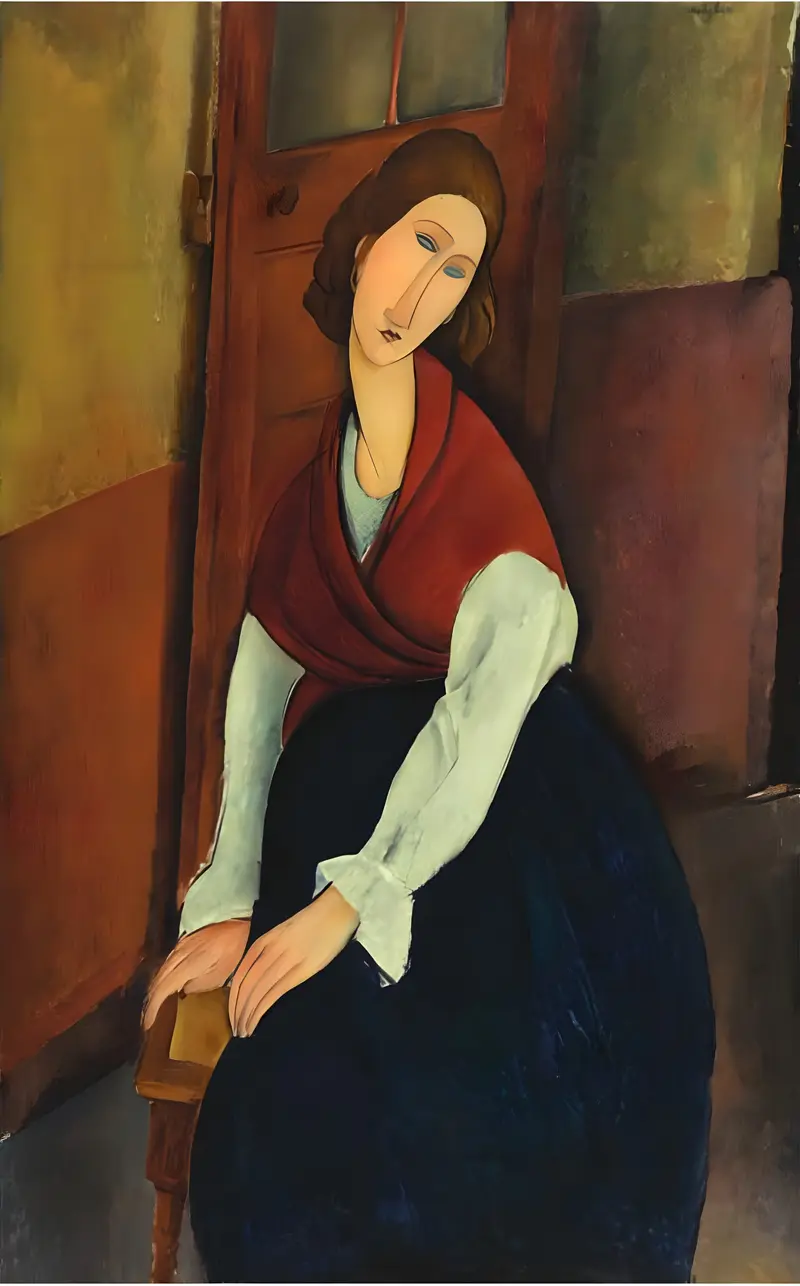
Jeanne Hebuterne in Red Shawl
Amedeo Modigliani





