
Portrait of Paulus Verschuur, Served seven terms as Burgomaster of Rotterdam and also Director of the Rotterdam Chamber of the East India Company, elected 1651 — History & Facts
This profound transformation speaks to the essence of the divine captured within the strokes of a master’s hand. In the realm of portraiture, what does it mean to embody both the earthly and the celestial? Focus on the dignified figure at the center, Paulus Verschuur, whose commanding presence is masterfully conveyed through rich oil paints. Notice how the light gently caresses the contours of his face, illuminating the resolute brow and softening the features that hint at his wisdom.
The deep, sumptuous colors of his attire, infused with reds and golds, are not merely decorative but serve to underline his status and power, connecting him to both the earthly governance of Rotterdam and the far-reaching ambitions of the East India Company. Beneath the surface, there lies a tension between the material and the spiritual. The intricately painted textures suggest a man steeped in both duty and divinity, each fold of his garment whispering tales of sacrifice and service. The subtle interplay of shadow and light evokes a sense of impending reverence, inviting viewers to contemplate the weight of his responsibilities as a leader.
This portrait is not just a representation; it is a channel through which one might perceive the interplay of fate and choice in the life of a man who shaped a city. The artist painted this remarkable work during a period of transition in the art world, between 1695 and 1722, while living in Rotterdam, a bustling center for trade and culture. Van der Werff was navigating the complexities of a shifting artistic landscape, where baroque influences converged with emerging styles of the Enlightenment, reflecting the societal currents that would redefine Western art. In that context, this portrait stands as a testament to the enduring power of individual narrative within a broader historical framework.
More Artworks by Pieter van der Werff
Browse all →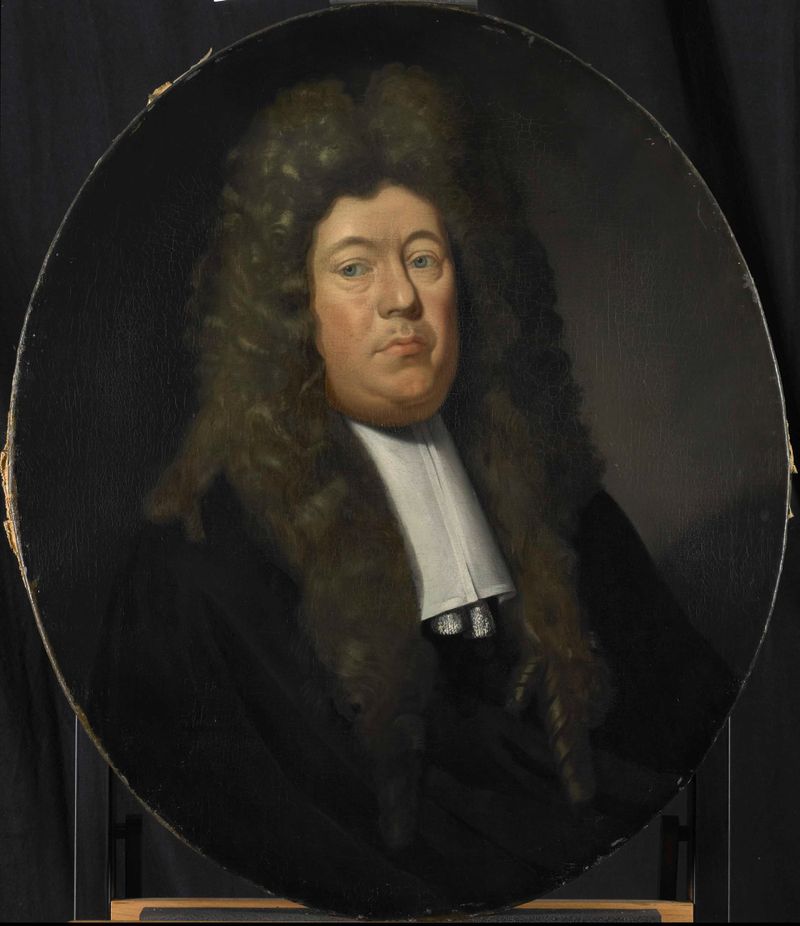
Portrait of Adriaen Paets, Director of the Rotterdam Chamber of the Dutch East India Company, elected 1668
Pieter van der Werff
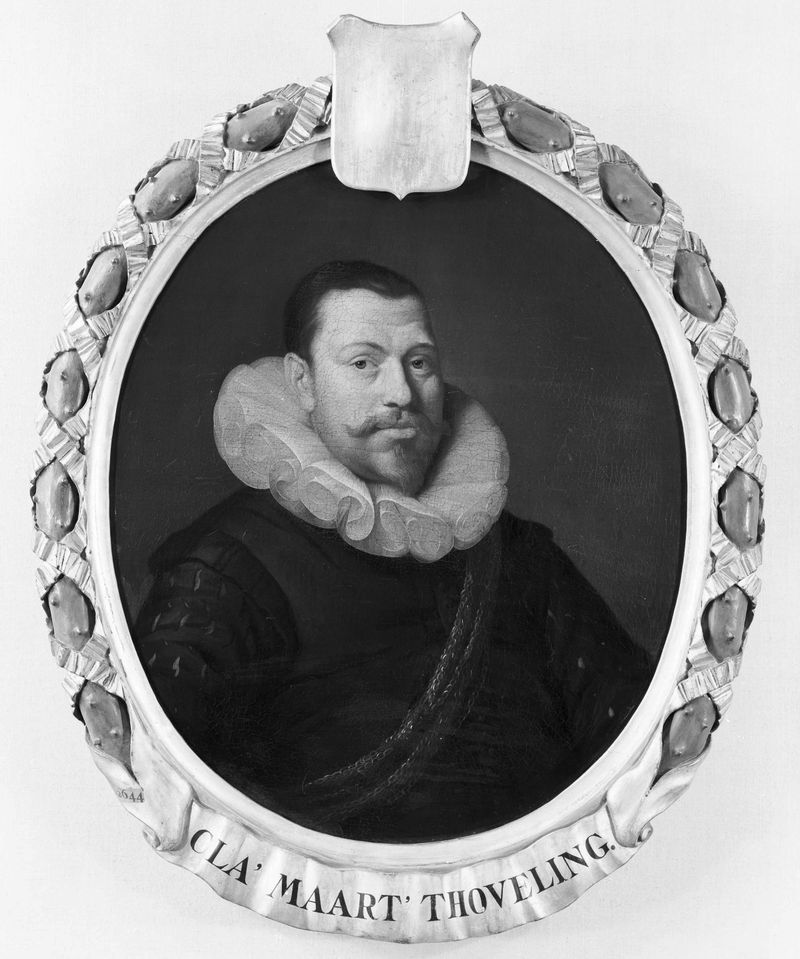
Portrait of Claes Maertensz Thoveling, Director of the Rotterdam Chamber of the Dutch East India Company, elected 1619
Pieter van der Werff
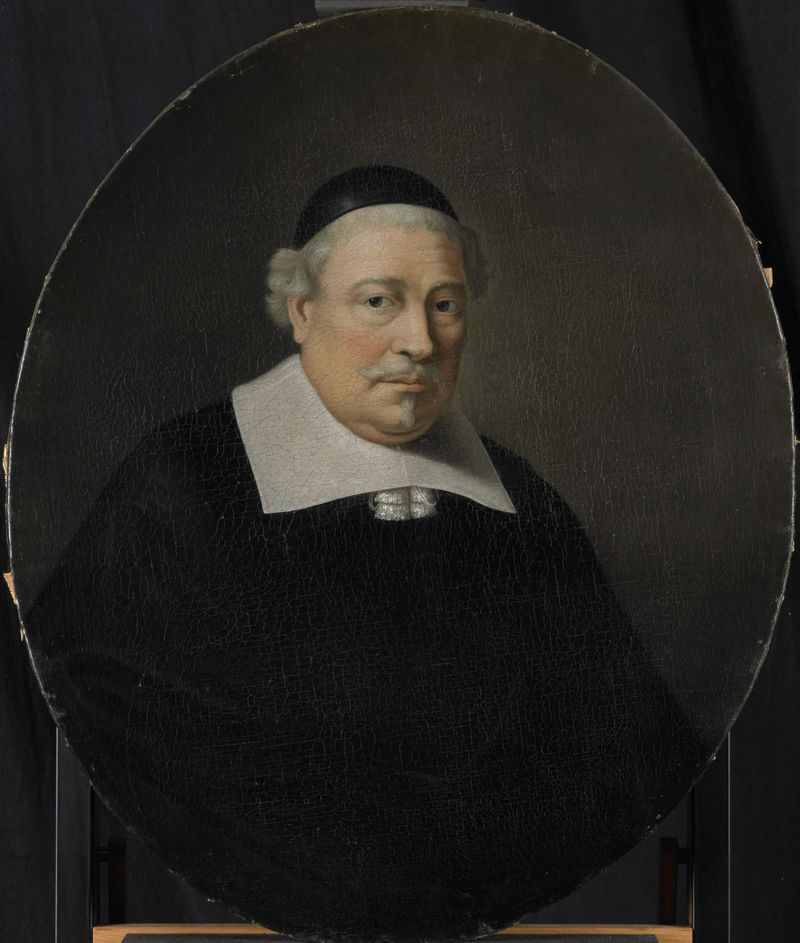
Portrait of Cornelis de Koningh, Director of the Rotterdam Chamber of the Dutch East India Company, elected 1649
Pieter van der Werff
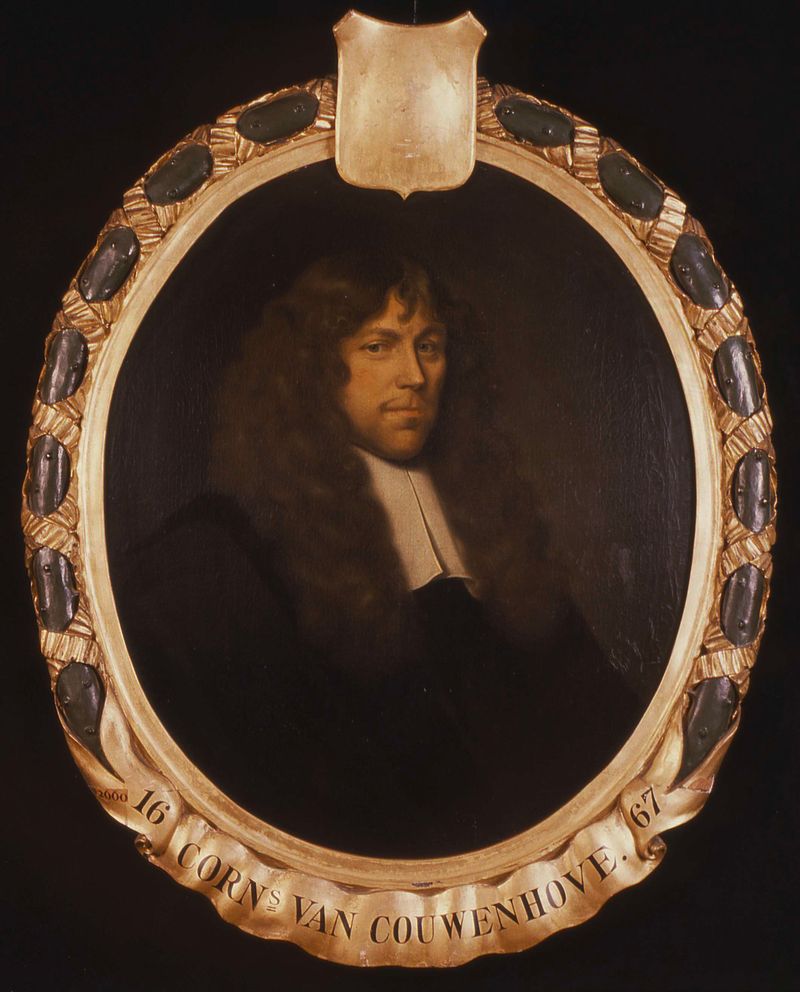
Portrait of Cornelis van Couwenhove, Director of the Rotterdam Chamber of the Dutch East India Company, elected 1667
Pieter van der Werff
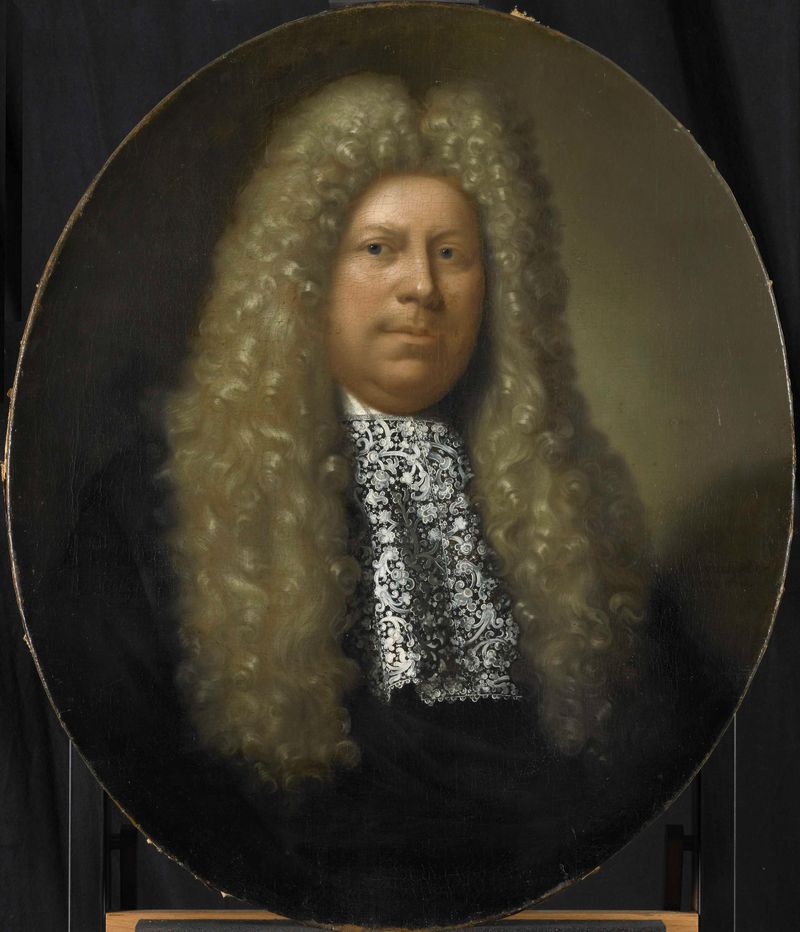
Portrait of Jacob Dane, Director of the Rotterdam Chamber of the Dutch East India Company, elected 1689
Pieter van der Werff
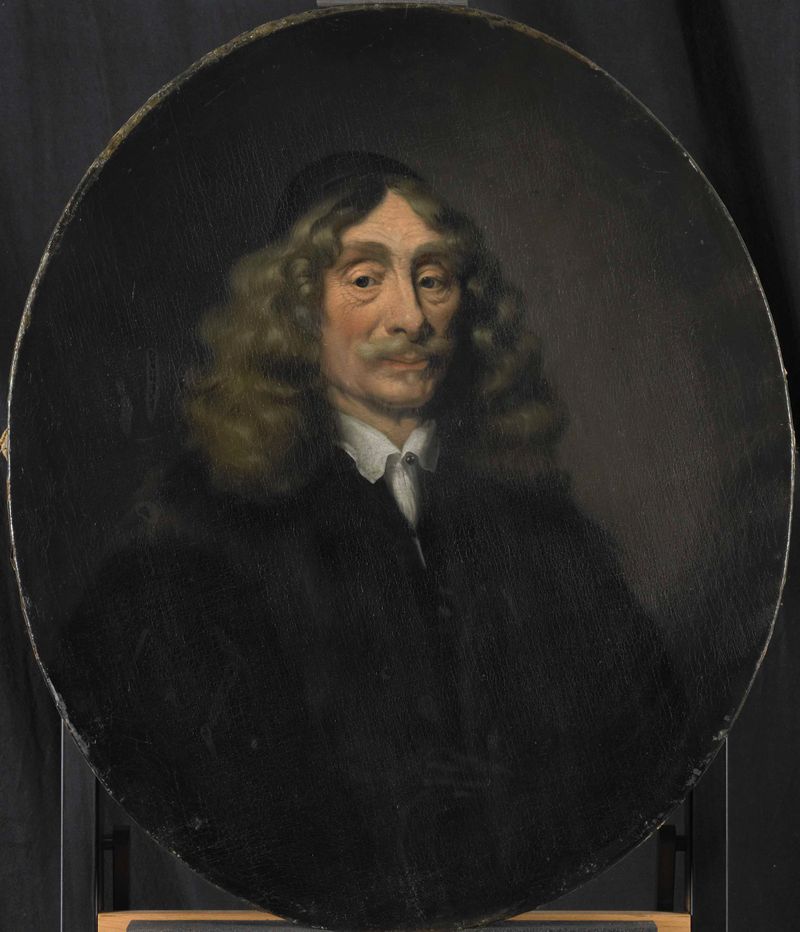
Portrait of Johan de Reus, Director of the Rotterdam Chamber of the Dutch East India Company, elected 1657
Pieter van der Werff
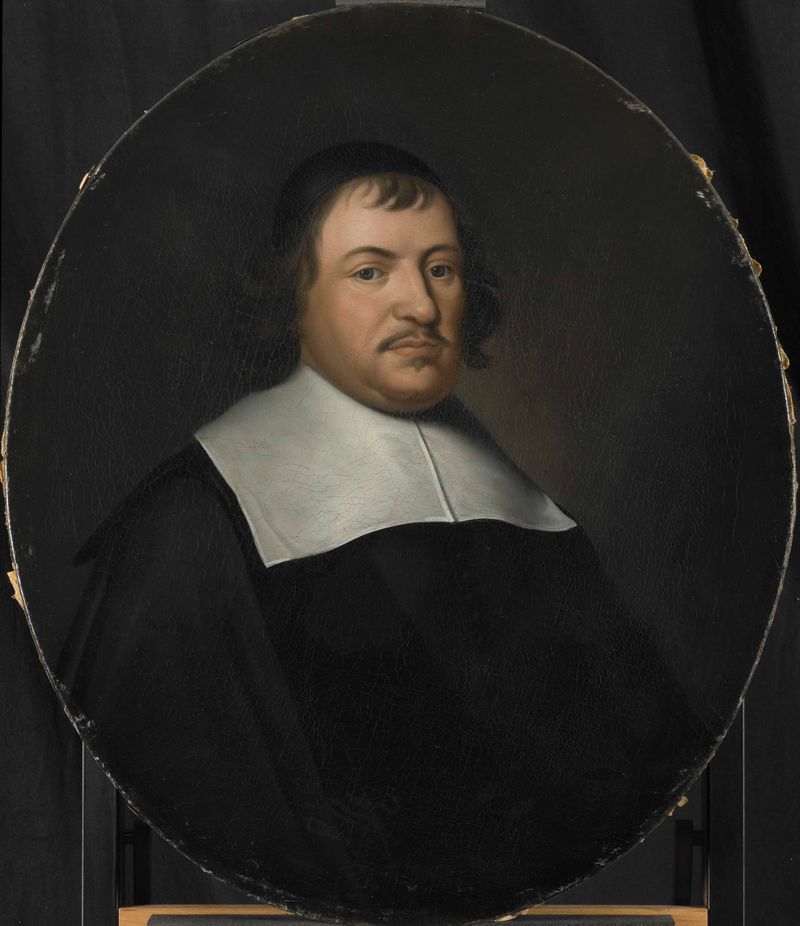
Portrait of Cornelis van den Bergh, Director of the Rotterdam Chamber of the Dutch East India Company, elected 1659
Pieter van der Werff
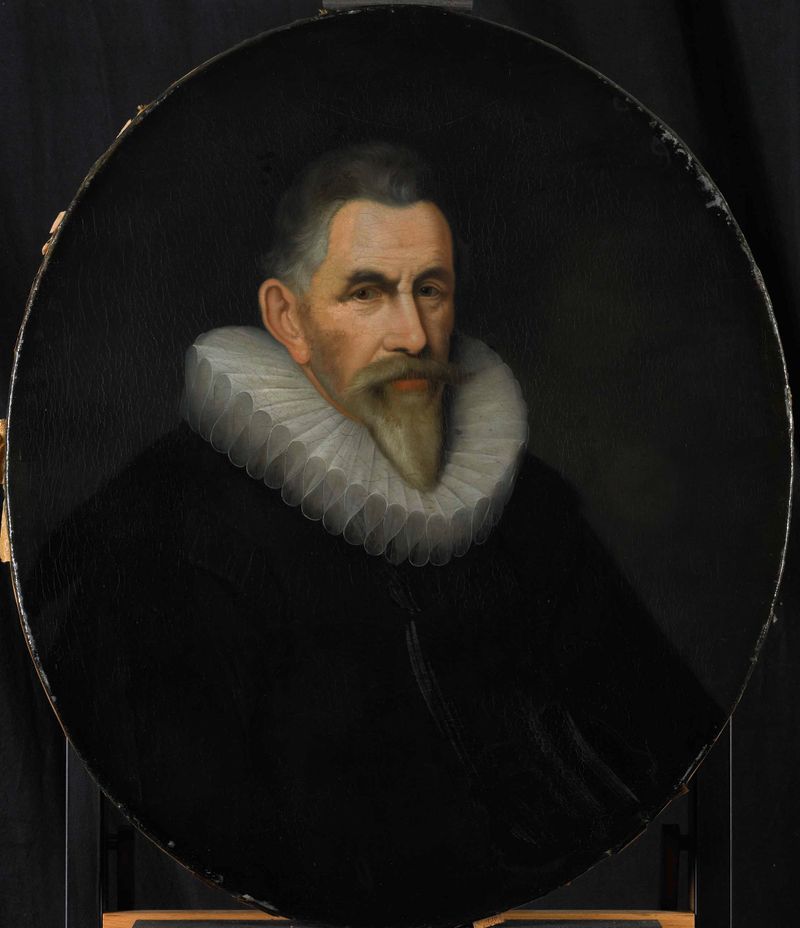
Portrait of Johan van der Veecque, Director of the Rotterdam Chamber of the Dutch East India Company, elected 1602
Pieter van der Werff
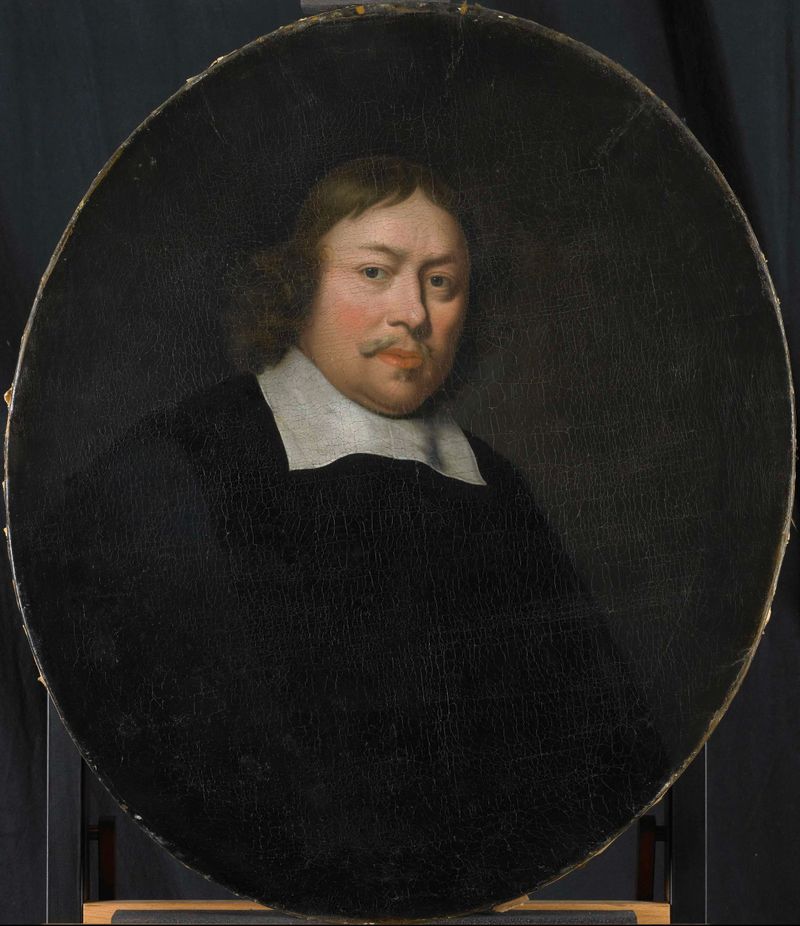
Portrait of Gerard van Bergen, Director of the Rotterdam Chamber of the Dutch East India Company, elected 1653
Pieter van der Werff
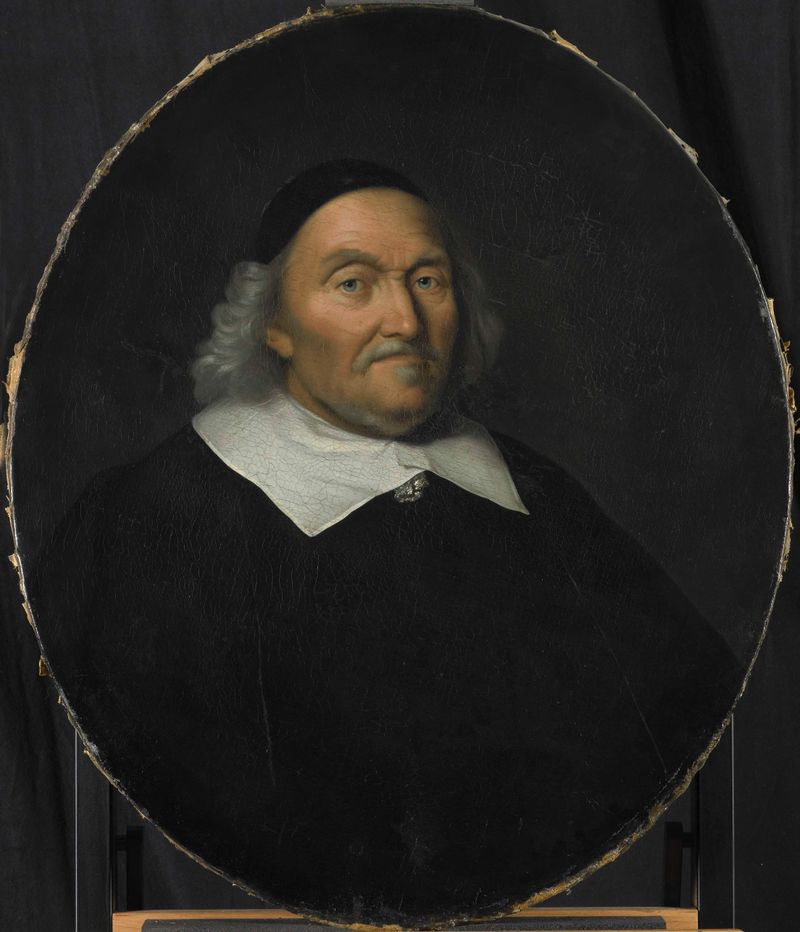
Portrait of Hendrik Nobel, Director of the Rotterdam Chamber of the Dutch East India Company, elected 1625
Pieter van der Werff
More Portrait Art
Browse all →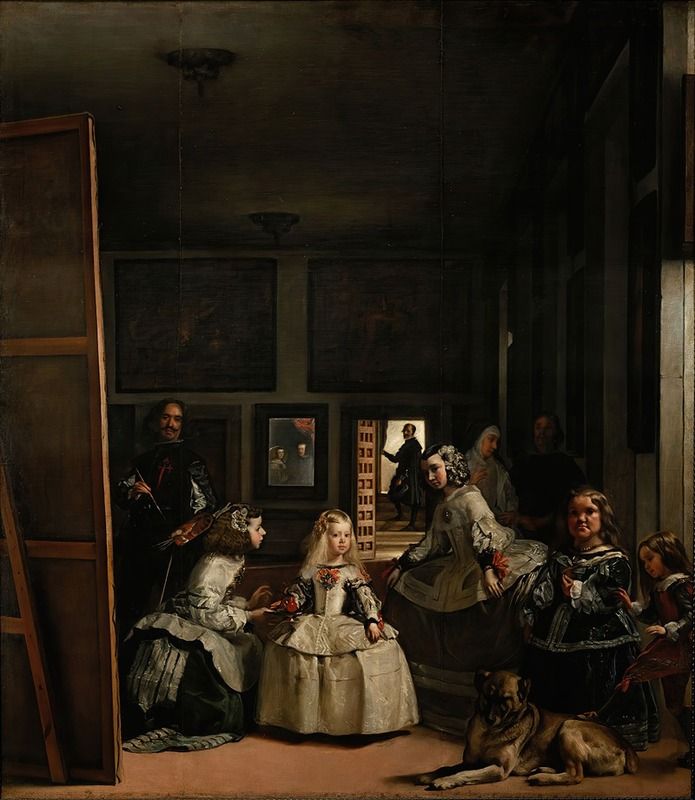
Las meninas
Diego Velázquez
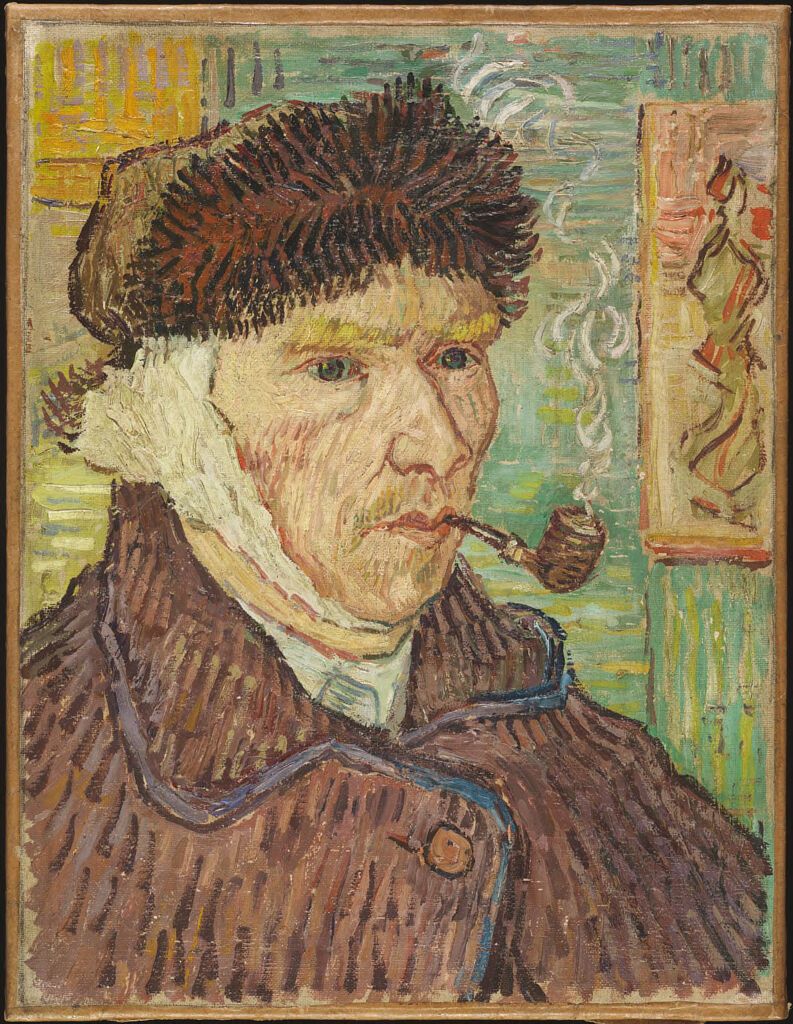
Self-portrait with a Bandaged Ear and Pipe
Unidentified artist
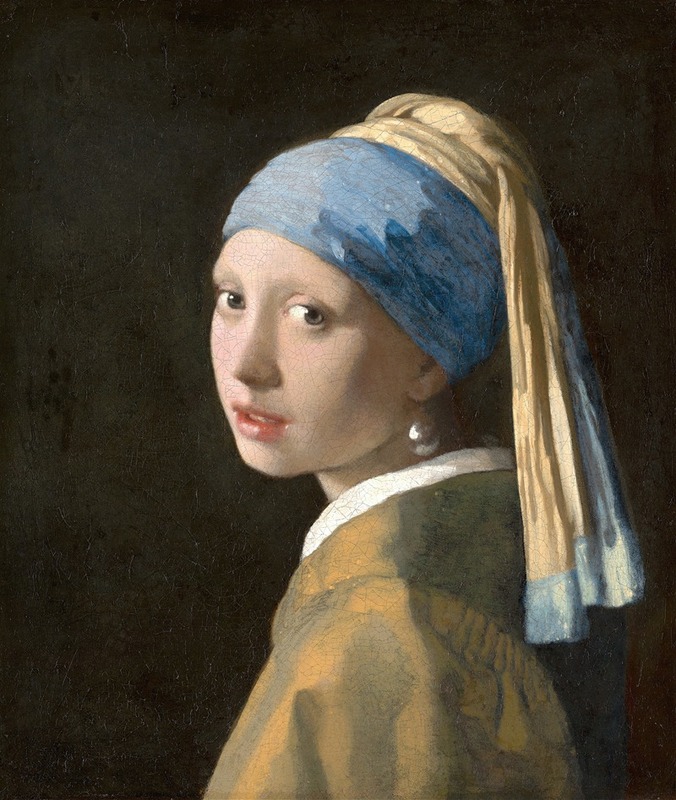
Girl with a Pearl Earring
Johannes Vermeer

The Sampling Officials of the Amsterdam Drapers’ Guild, Known as ‘The Syndics’
Rembrandt van Rijn

The Hundred Guilder Print: the man seen on the back in the lower left corner
Rembrandt van Rijn

Portrait of Dr Gachet
Vincent van Gogh