
Portrait of Robert Henley, 2nd Earl of Northington — History & Facts
The first thing that commands attention in this portrait is the quiet assertion of rank, carried not by gesture but by the calm, almost immovable presence of the sitter. The eye is drawn first to the brilliant badge pinned to the deep green coat, a starburst of silver and gold that signals membership in an exclusive order—its radiance a silent declaration of status. From there, the gaze travels upward to the sitter’s face, framed by powdered hair and set against a dark, velvety background that isolates him from any distraction.
The light falls squarely on his features, illuminating a complexion both fleshy and composed, the lips closed in a line that suggests both confidence and reserve. The painter’s brushwork, especially in the intricate gold trim and the soft folds of white linen, invites the viewer to linger on the material richness that defines the world of late eighteenth-century aristocracy. Painted in 1782 by Sir Joshua Reynolds, this portrait belongs to a moment when British society was caught between tradition and the first tremors of modernity. Portraits such as this were more than likenesses; they were instruments of social affirmation, commissioned by those who wished to see their power and dignity made permanent in oil and canvas.
The sitter’s attire, with its military precision and ceremonial sash, speaks to a culture obsessed with hierarchy and display. In Reynolds’s day, the grand manner of portraiture was at its height, blending classical ideals with the realities of contemporary power. Now part of the Paris Musées collection, this work stands as a testament to both the ambitions of its subject and the enduring allure of painted presence—inviting us to read, in every detail, the codes of a vanished world.
More Artworks by Sir Joshua Reynolds
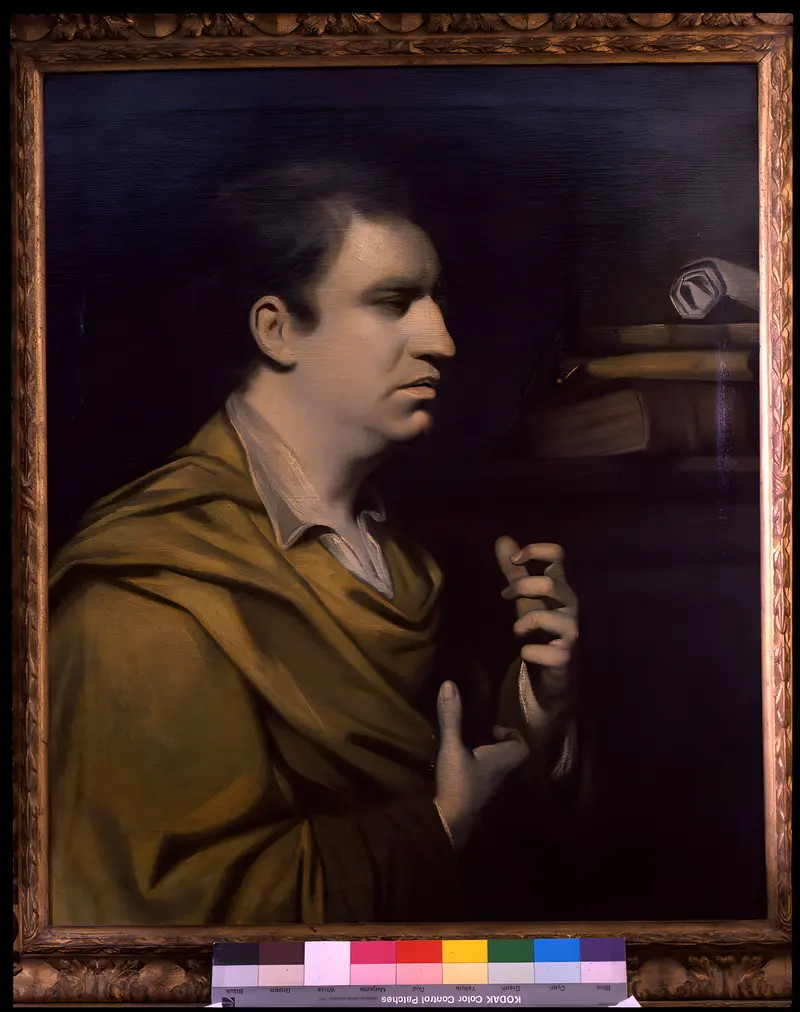
Samuel Johnson (1709-1784)
Sir Joshua Reynolds
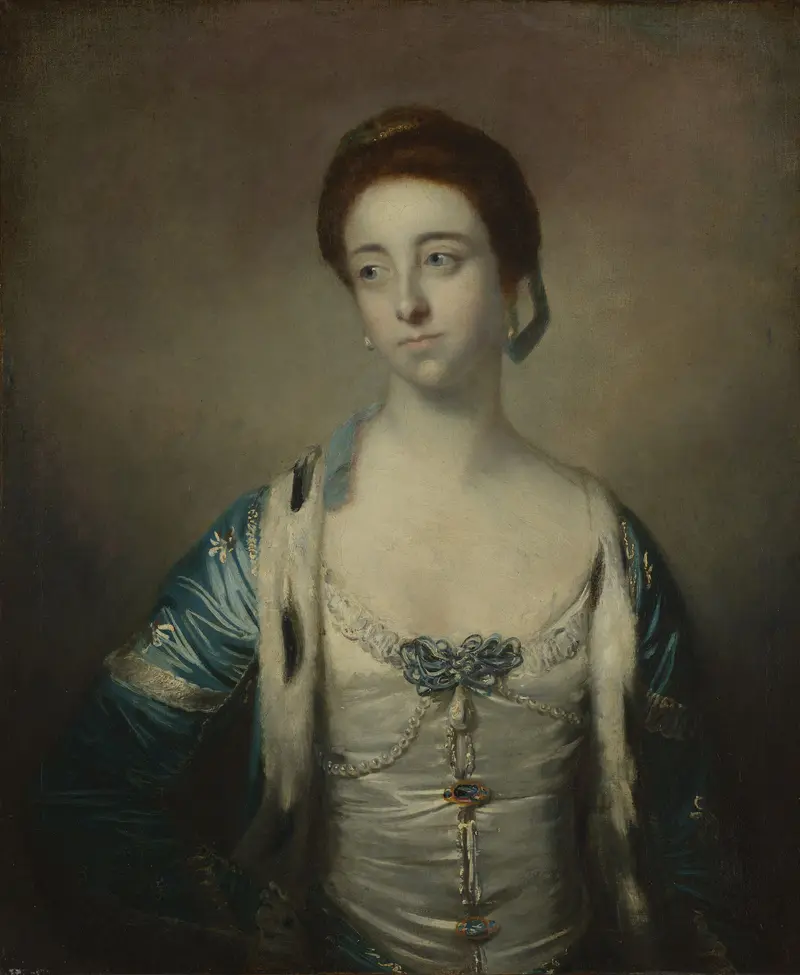
Mrs. Robert Brudenell
Sir Joshua Reynolds
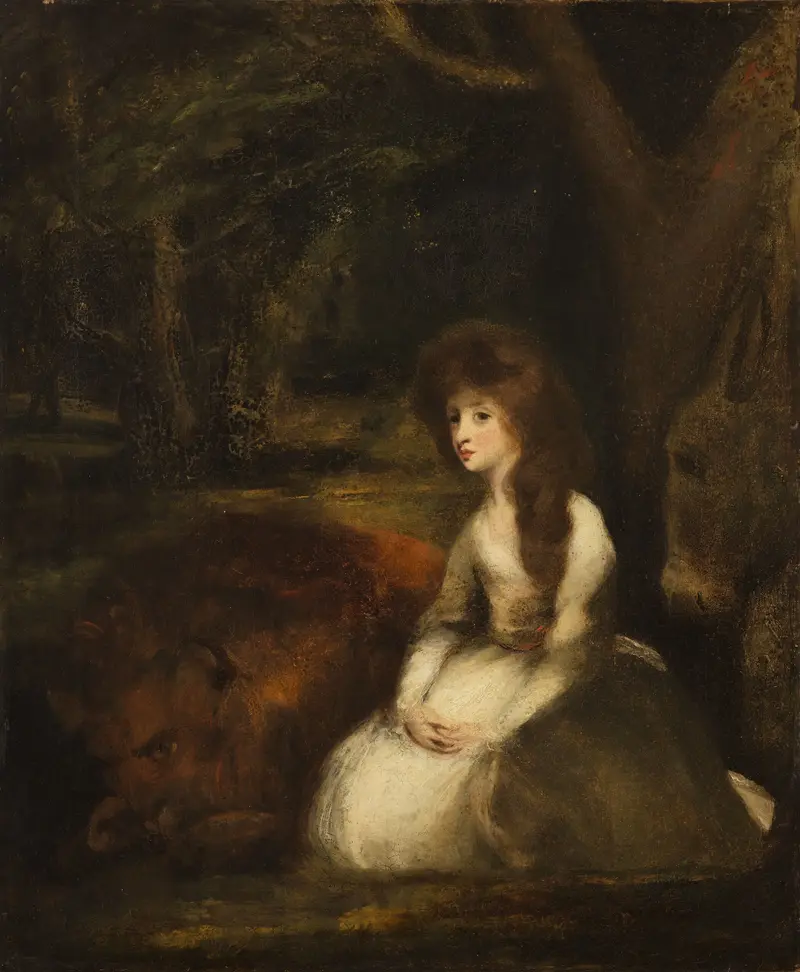
Miss Elizabeth Beauclerc as Una with the Lion
Sir Joshua Reynolds

Lady Sarah Bunbury Sacrificing to the Graces
Sir Joshua Reynolds
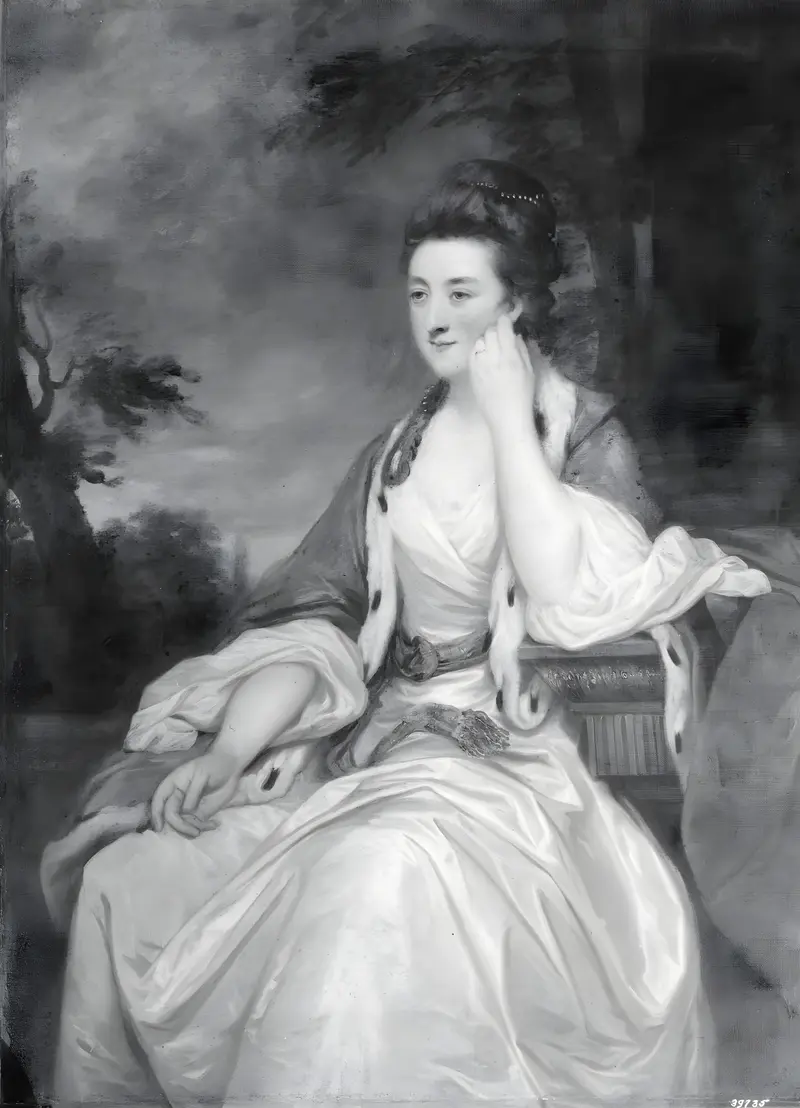
Lady Louisa Conolly
Sir Joshua Reynolds
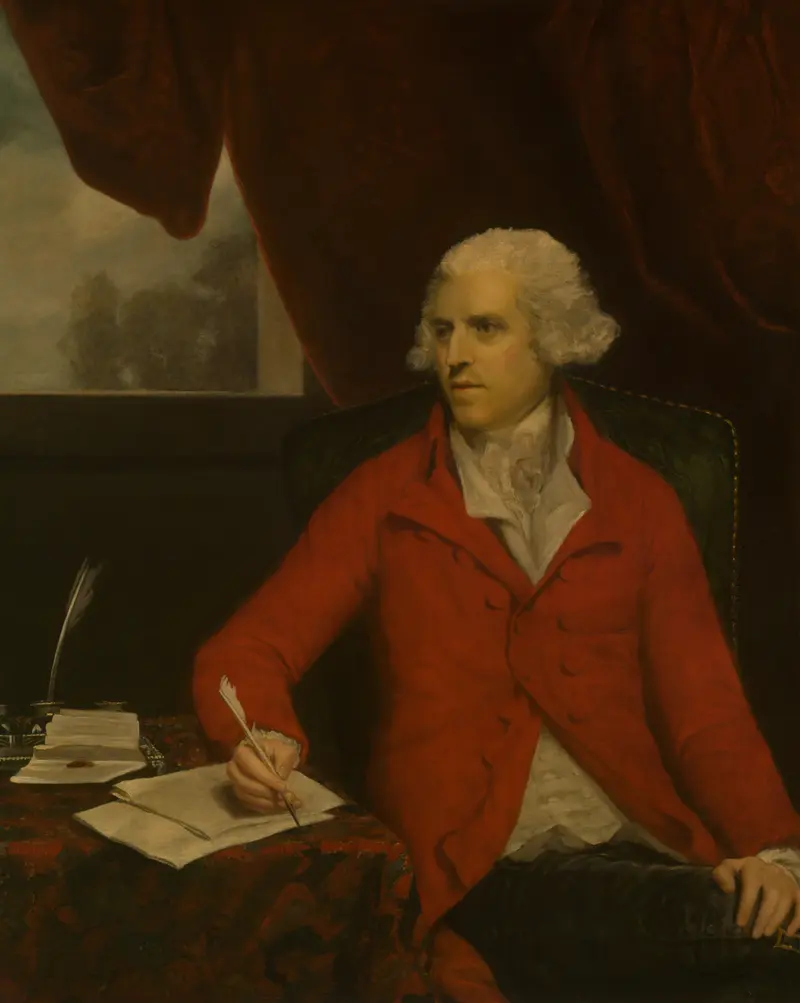
Sir Thomas Rumbold, Bt.
Sir Joshua Reynolds
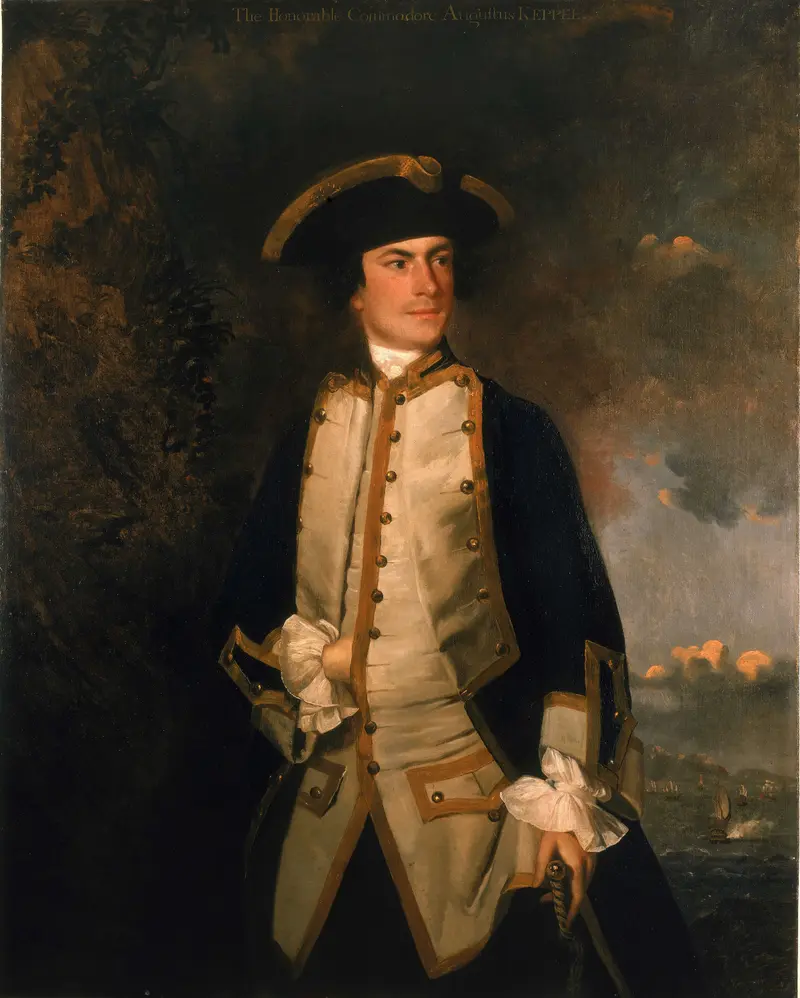
Commodore the Honourable Augustus Keppel
Sir Joshua Reynolds
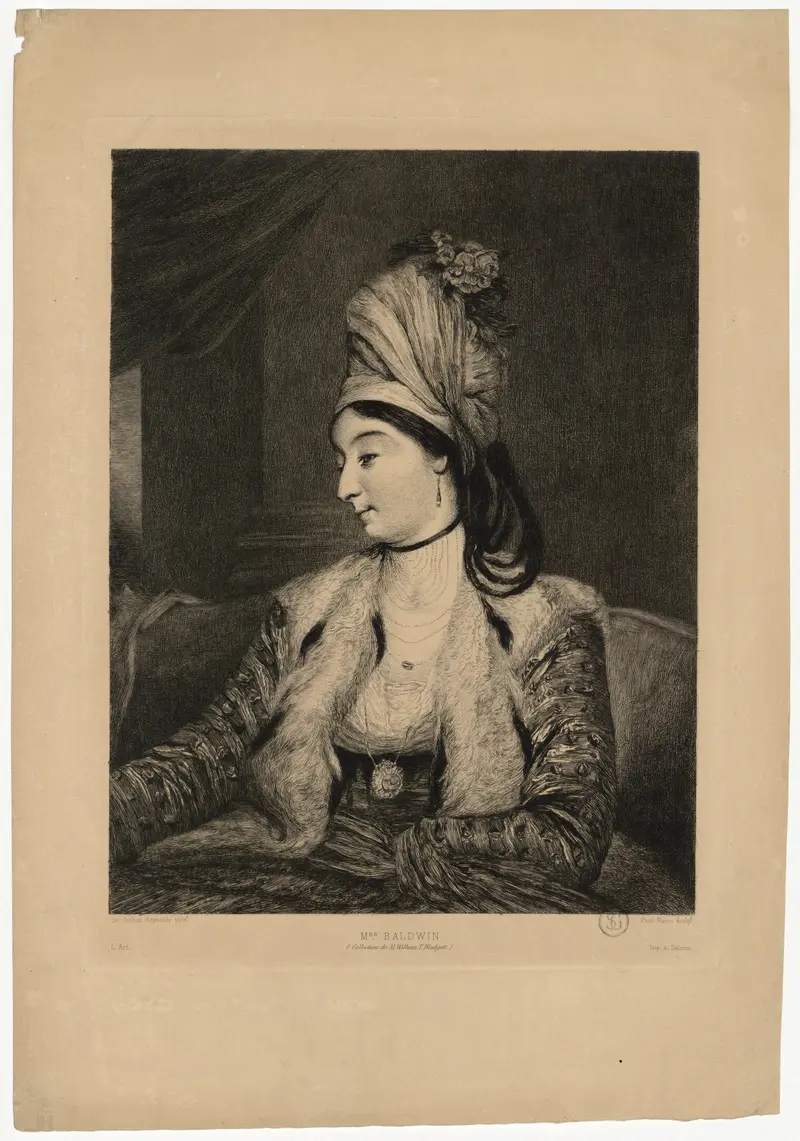
Mrs Baldwin. Sir Joshua Reynolds pinx.t Paul Rajon sculp.t
Sir Joshua Reynolds
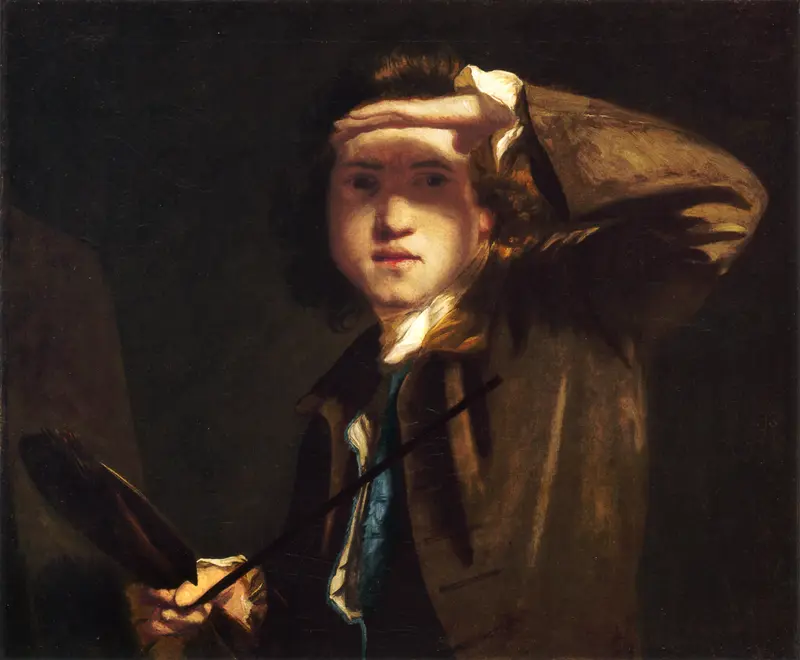
Sir Joshua Reynolds
Sir Joshua Reynolds
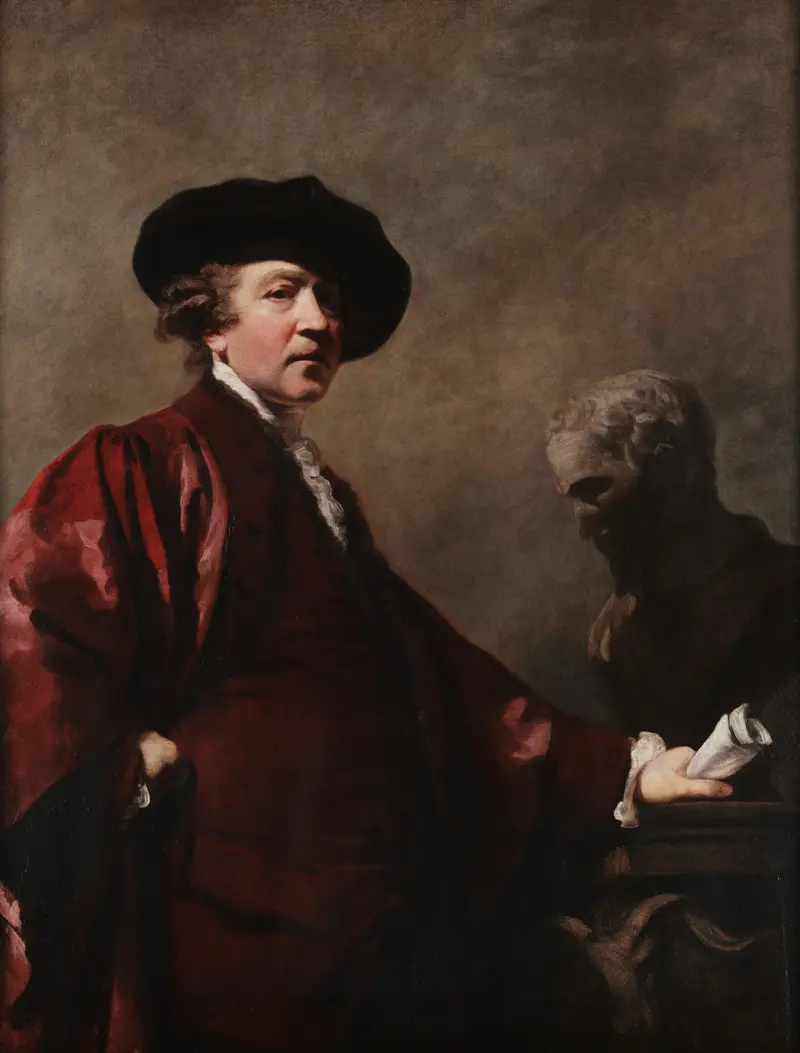
Self-Portrait
Sir Joshua Reynolds





