
Portrait of Samuel Johnson — History & Facts
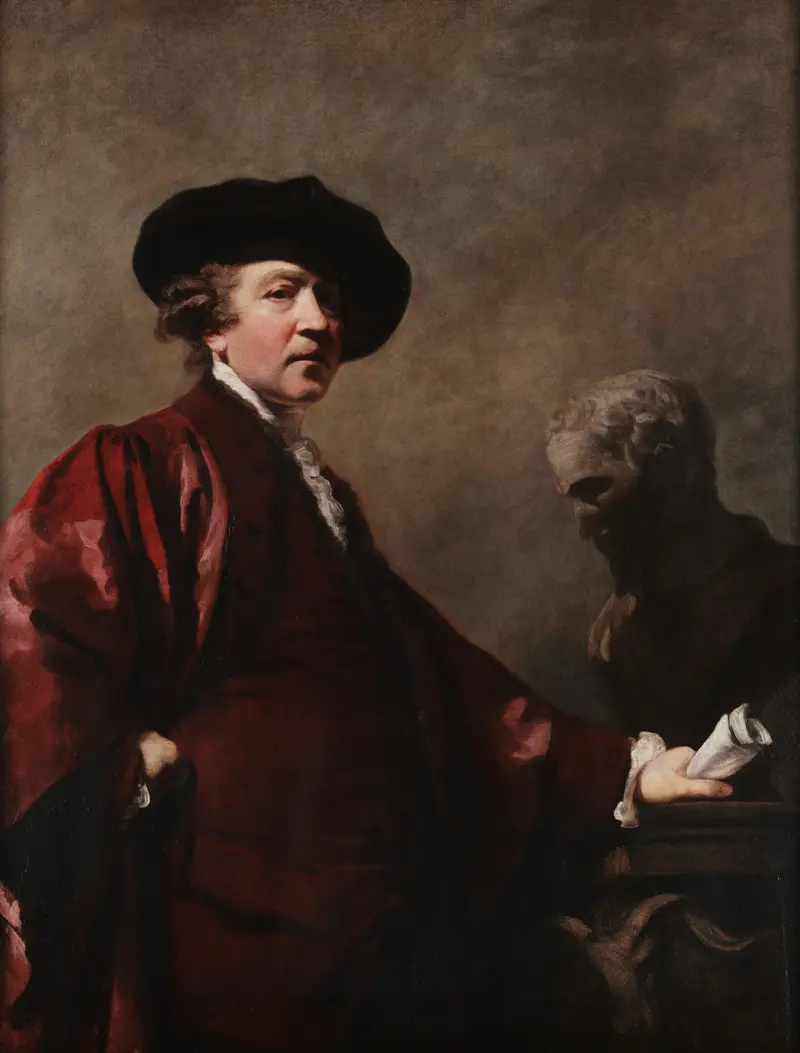
A man squints fiercely at the page, his brow furrowed in concentration, as if the very meaning of the world might be wrung from the text he clutches. The eye is drawn first to the intensity of his gaze, then to the hands—large, almost awkward, yet precise in their grip on the open book. The light falls across his face and the curling white wig, isolating him in a pool of clarity against the soft, enveloping darkness of the background.
Every brushstroke in the face seems to press the viewer closer to the moment of thought, while the deep burgundy of his coat grounds the scene in the solid material world. This is not a portrait of idle reading; it is a study in the labor of understanding, the physicality of intellect. Created in 1775, this work stands firmly in the tradition of eighteenth-century British portraiture, a period when likenesses were commissioned not merely to record appearances but to signal character and achievement. The artist, Sir Joshua Reynolds, was known for elevating his sitters with a sense of drama and gravitas, and here he gives the act of reading the weight of a public gesture.
Portraits like this were often commissioned by families or institutions eager to celebrate not just the sitter’s face, but their mind and reputation. While the details of this painting’s early history are not recorded here, its presence in a museum collection today speaks to the enduring fascination with figures who shaped the world through words. The painting invites us to look again—not just at the sitter, but at the act of reading itself.
More Artworks by Sir Joshua Reynolds
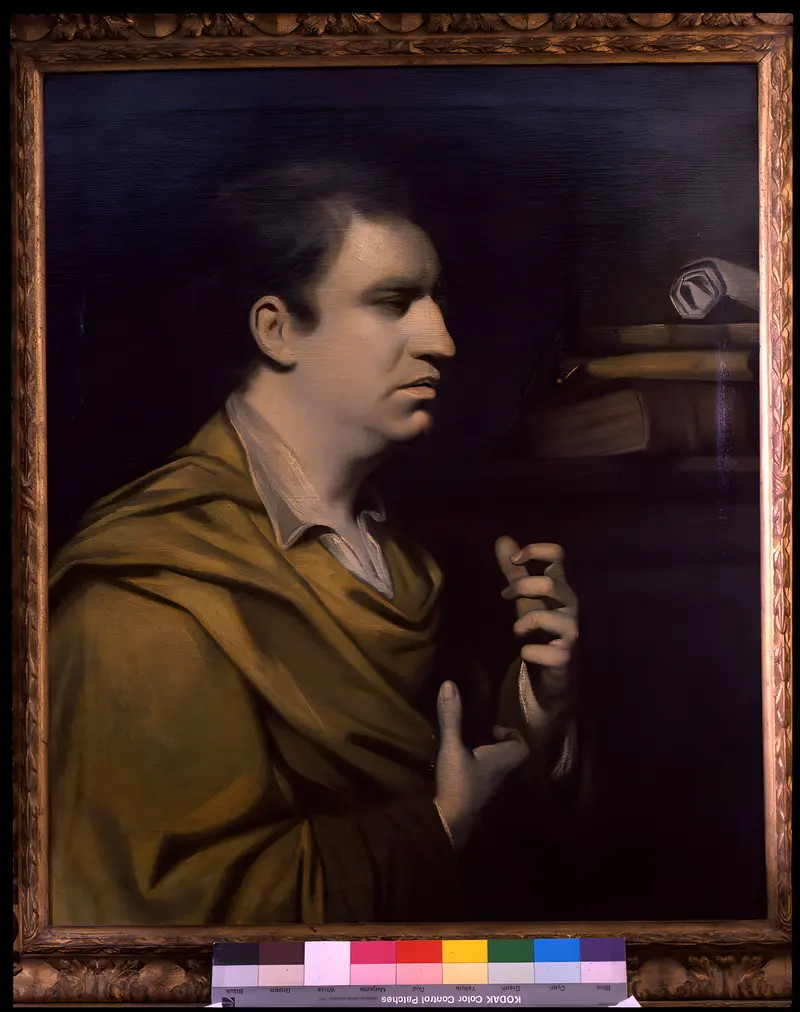
Samuel Johnson (1709-1784)
Sir Joshua Reynolds
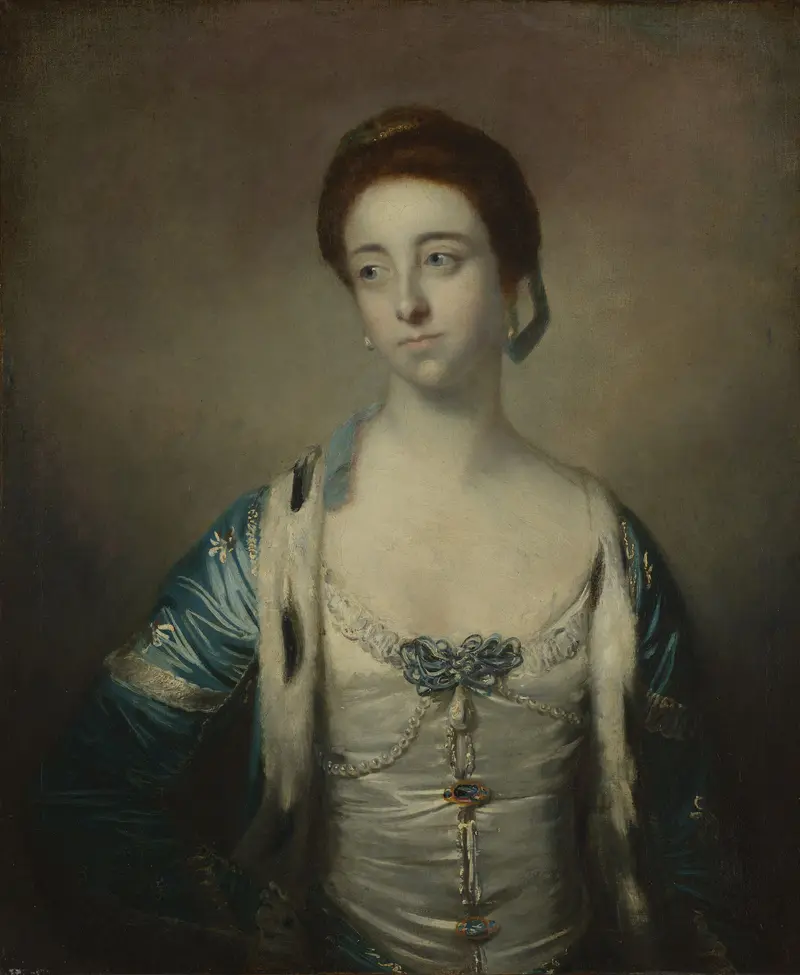
Mrs. Robert Brudenell
Sir Joshua Reynolds
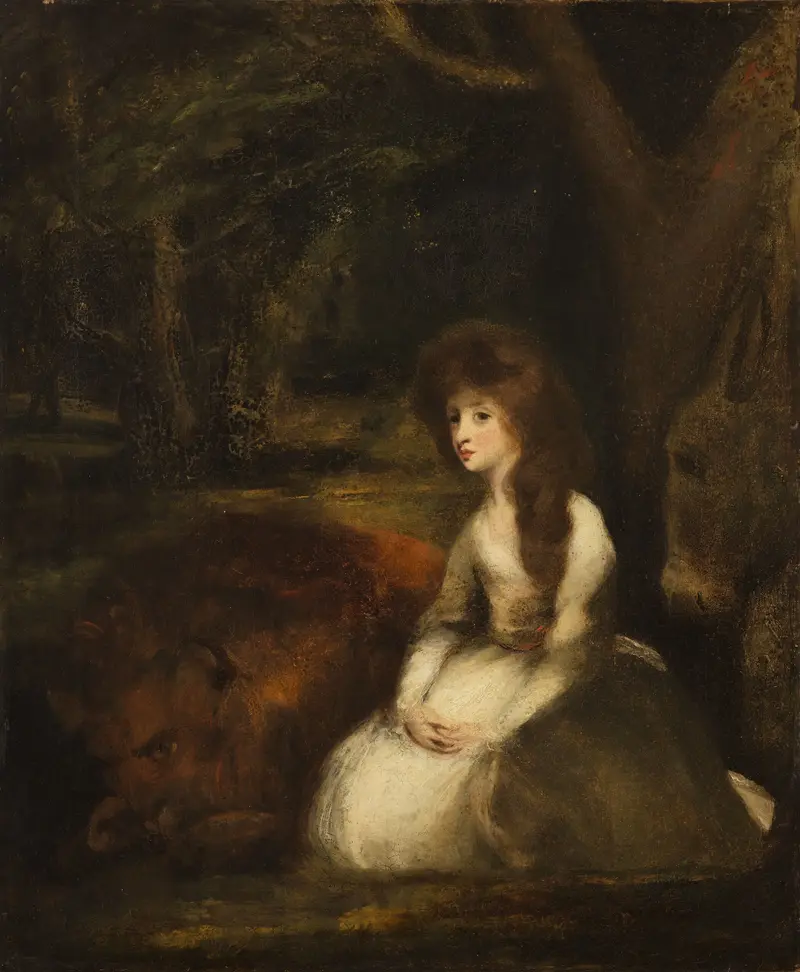
Miss Elizabeth Beauclerc as Una with the Lion
Sir Joshua Reynolds

Lady Sarah Bunbury Sacrificing to the Graces
Sir Joshua Reynolds
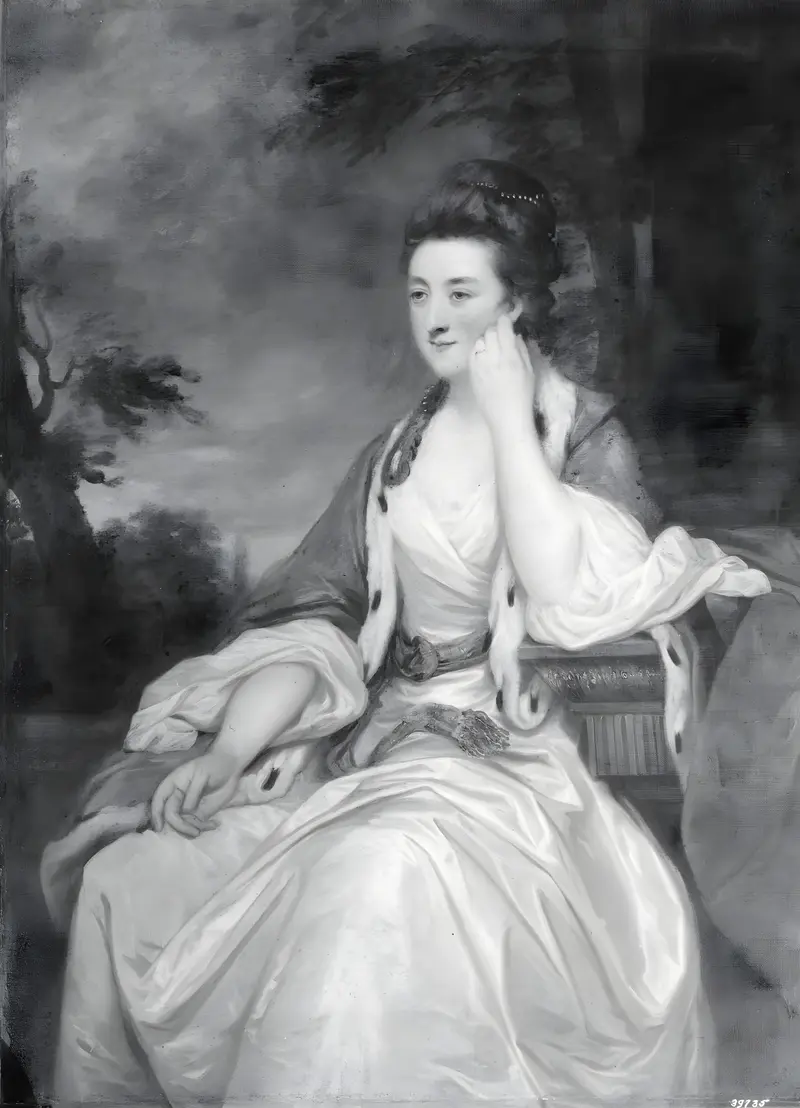
Lady Louisa Conolly
Sir Joshua Reynolds
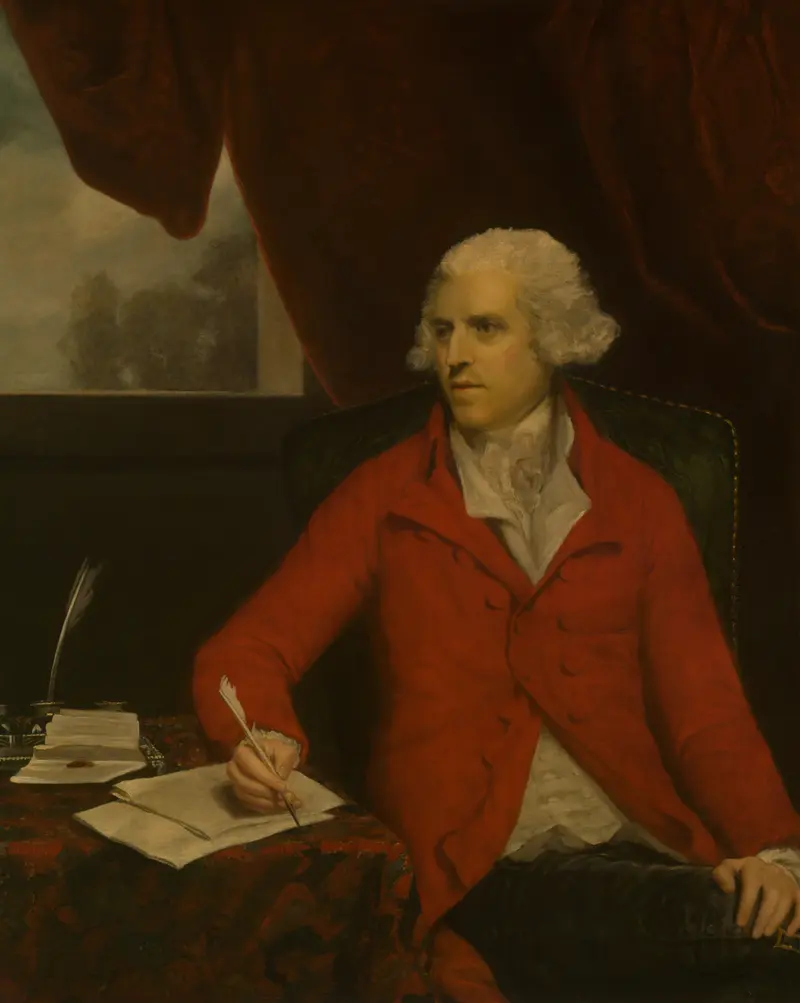
Sir Thomas Rumbold, Bt.
Sir Joshua Reynolds
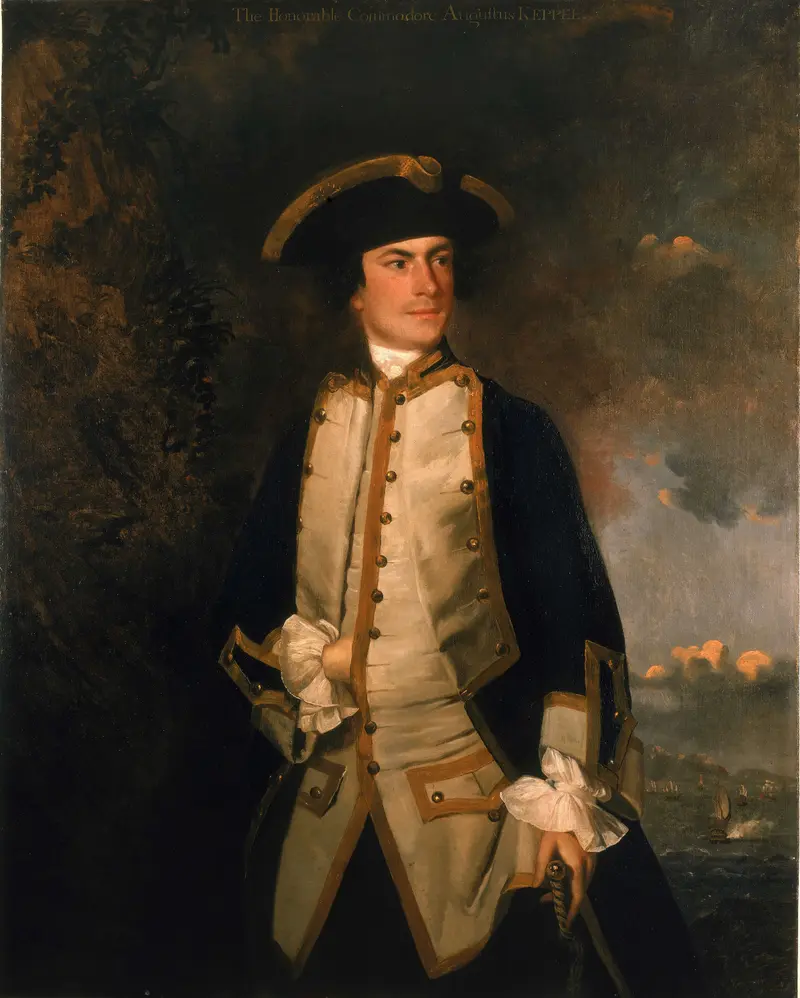
Commodore the Honourable Augustus Keppel
Sir Joshua Reynolds
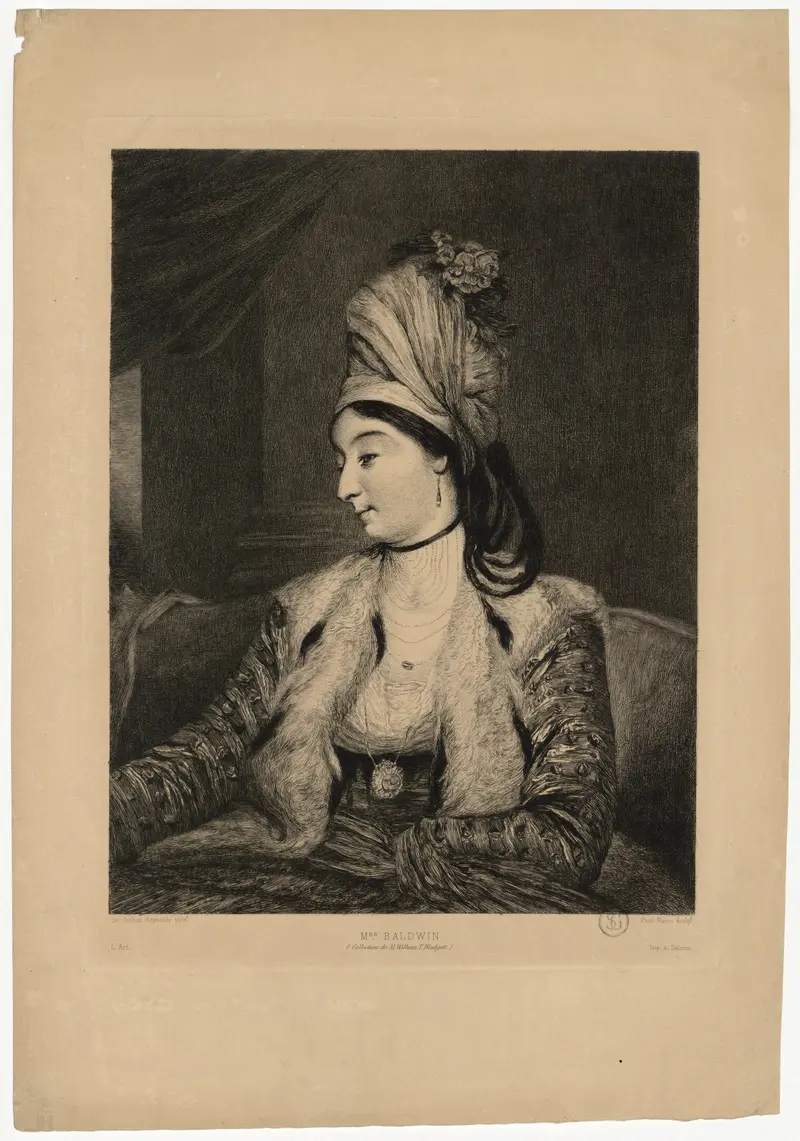
Mrs Baldwin. Sir Joshua Reynolds pinx.t Paul Rajon sculp.t
Sir Joshua Reynolds
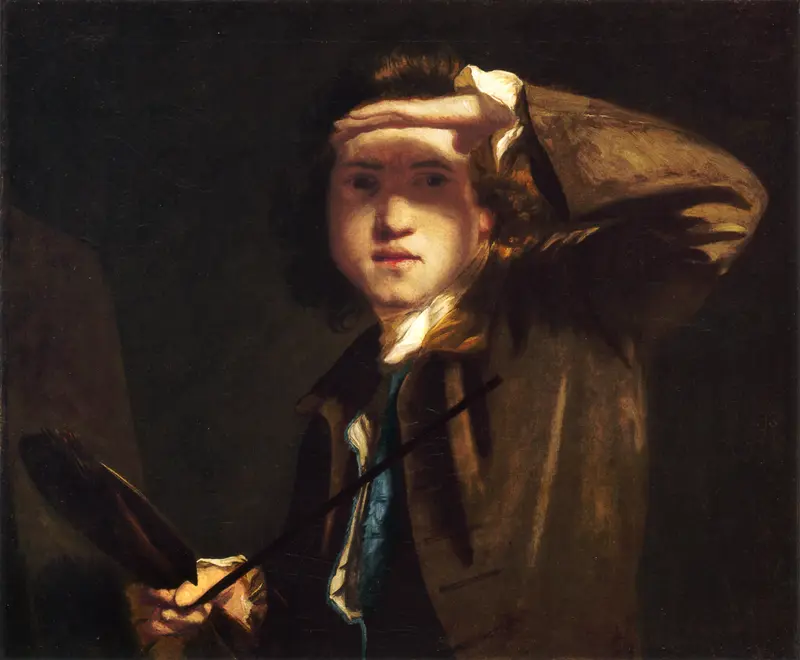
Sir Joshua Reynolds
Sir Joshua Reynolds
Self-Portrait
Sir Joshua Reynolds





