
Portrait of Sella Larsdatter Vikør — History & Facts
What holds the viewer first in Portrait of Sella Larsdatter Vikør is the direct, unflinching gaze of the child. Her pale hair frames a face both solemn and curious, cheeks flushed with the unmistakable pink of youth. She sits quietly on a rough-hewn log, hands folded, her body turned slightly away but her eyes meeting ours.
The crisp white of her blouse and the vivid red of her vest, offset by the delicate floral apron, draw the eye to her figure, set against a shadowed, almost featureless background. Every detail—the clasp at her collar, the careful rendering of her shoes—suggests a moment of stillness, as if she has paused just long enough for the artist to capture her presence. Painted in 1871, this work by Adolph Tidemand belongs to a period when Norwegian artists sought to record the everyday lives and traditional costumes of their countryfolk. Portraits like this, often commissioned or created as studies, served both to honor their subjects and to document a rapidly changing rural world.
The National Museum of Art, Architecture and Design now houses this painting, preserving not only the likeness of Sella Larsdatter Vikør, but a fragment of the era’s quiet dignity. The simplicity of the setting and the honesty of Tidemand’s approach invite us to linger, searching the child’s face for the story she carries.
More Artworks by Adolph Tidemand

Bridal Procession on the Hardangerfjord
Adolph Tidemand
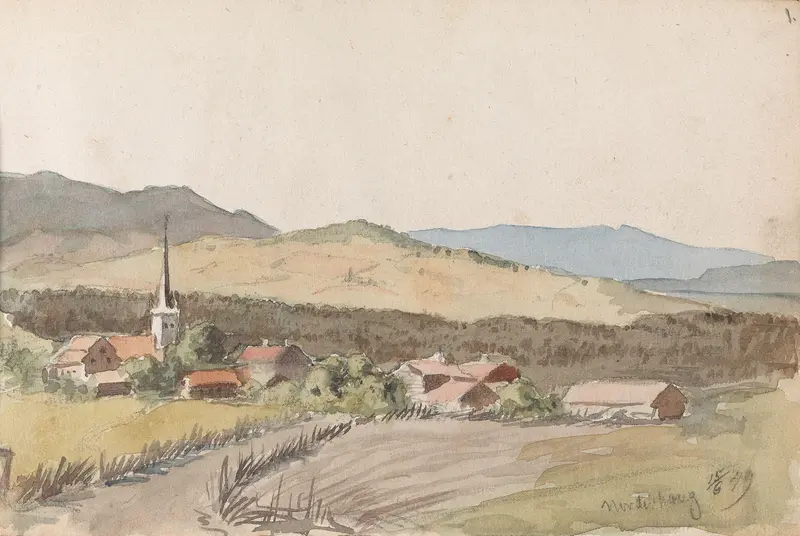
Fra Haugsbygd
Adolph Tidemand
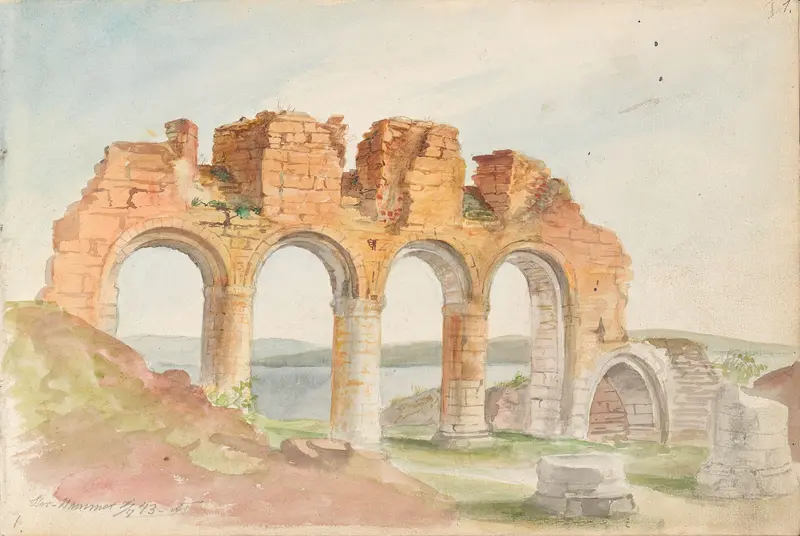
Domkirkeruinen, Hamar
Adolph Tidemand
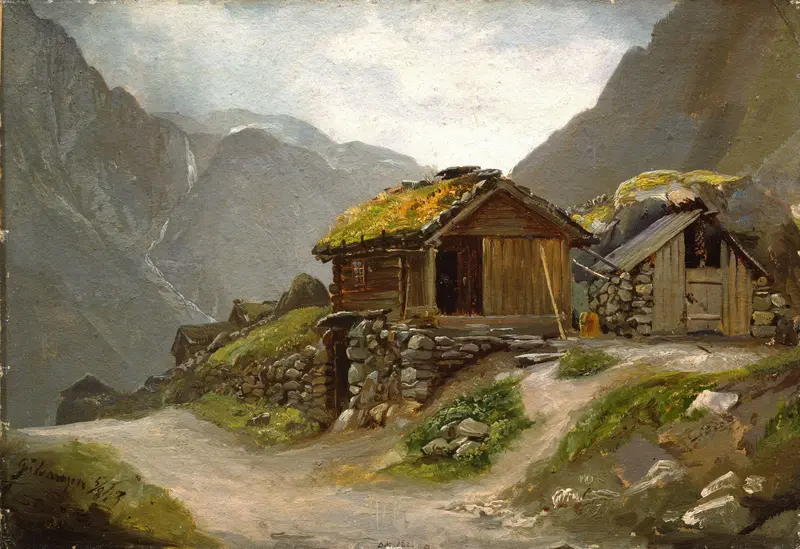
View from Gudvangen
Adolph Tidemand

View of Gudvangen
Adolph Tidemand
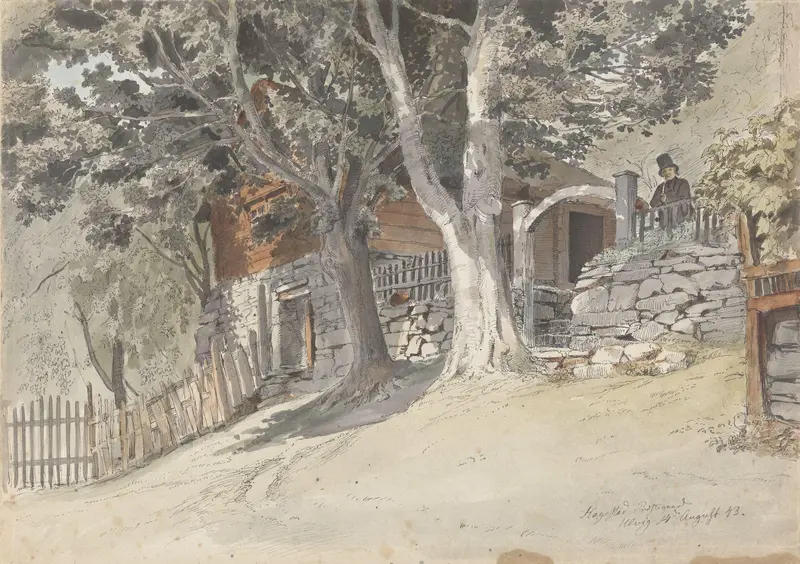
Hagestad prestegård, Ulvik i Hardanger
Adolph Tidemand
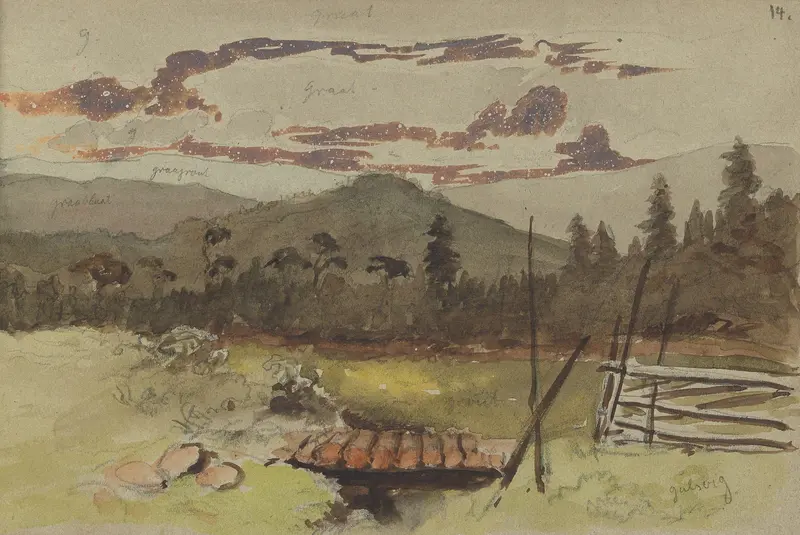
Fra Gulsvik
Adolph Tidemand
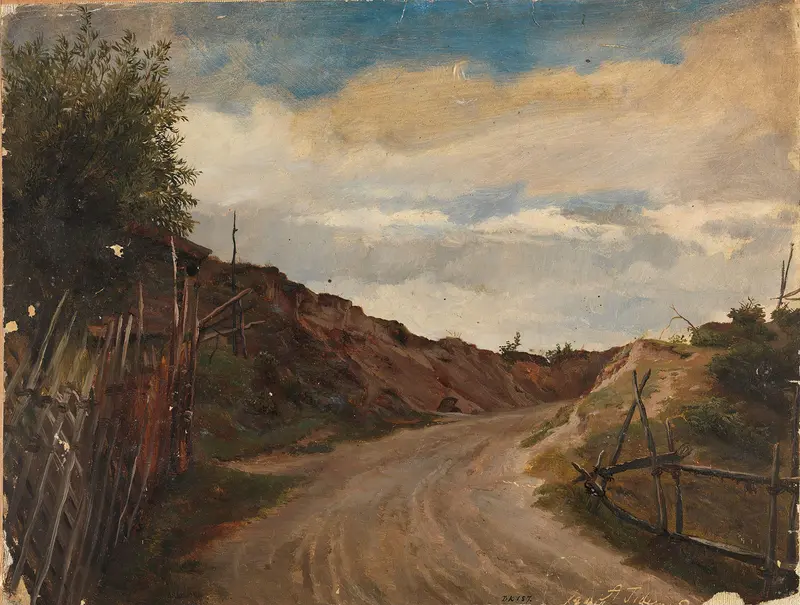
Country Road
Adolph Tidemand
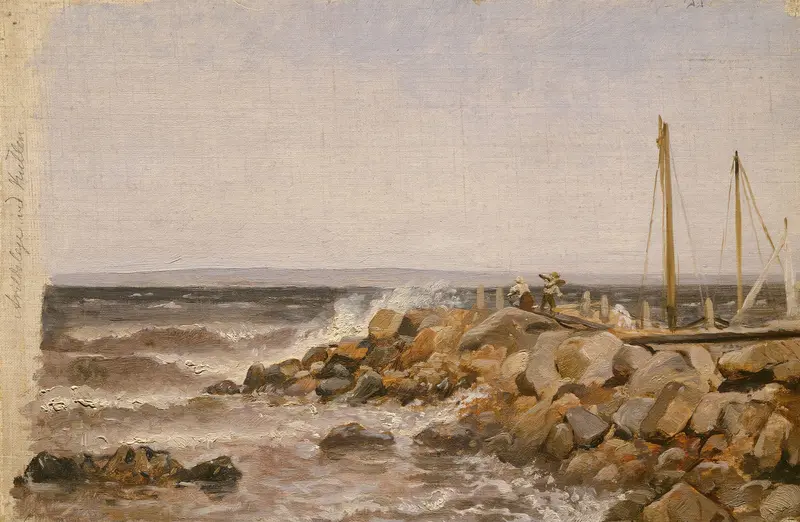
From Kullen in Sweden
Adolph Tidemand
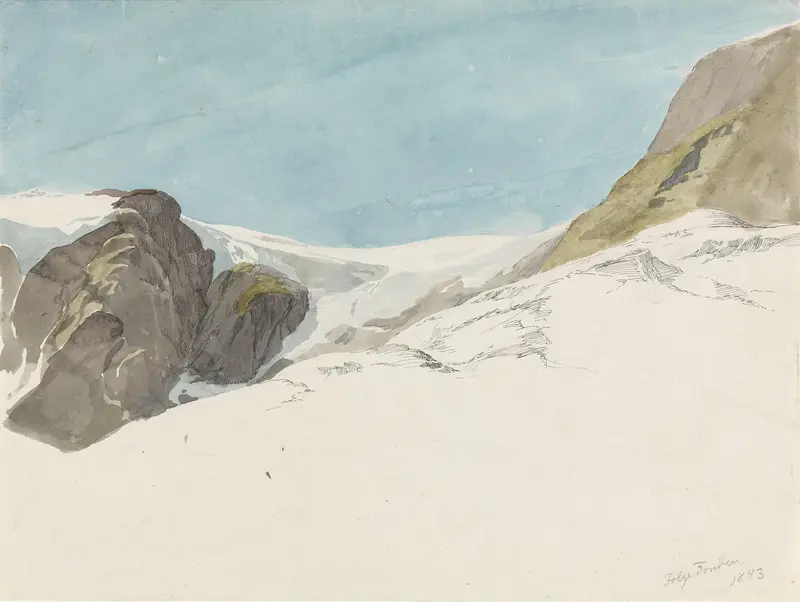
Untitled
Adolph Tidemand





