
Portrait of Syneve Larsdatter from Vikør — History & Facts
What draws the viewer in first is the quiet alertness in the girl's eyes, as if she has just paused her knitting to meet your gaze. Her long, golden hair spills over her shoulder, catching the soft light that falls across her face and hands, while her traditional dress—its deep green bodice and purple skirt—anchors her firmly in a particular place and time. The unfinished, almost sketch-like background pushes her forward, making her presence all the more immediate.
Every detail, from the careful tension in her fingers to the ball of yarn at her waist, speaks to a world of daily tasks and rural rhythms. Yet there is a sense of stillness here, a moment of reflection held between the stitches. Painted in 1873 by Adolph Tidemand, this portrait belongs to a period when Norwegian artists were turning to their own countryside and people for inspiration, seeking to capture the dignity and individuality of rural life. Works like this were often intended to celebrate national identity, at a time when Norway was asserting its cultural independence and traditions.
The painting now resides in the National Museum of Art, Architecture and Design, a fitting home for a work so rooted in the textures and colors of Norwegian heritage. Few records remain about this particular sitter, Syneve Larsdatter from Vikør, but the painting itself preserves her presence—inviting us to look closer, and to imagine the world she inhabited.
More Artworks by Adolph Tidemand

Bridal Procession on the Hardangerfjord
Adolph Tidemand
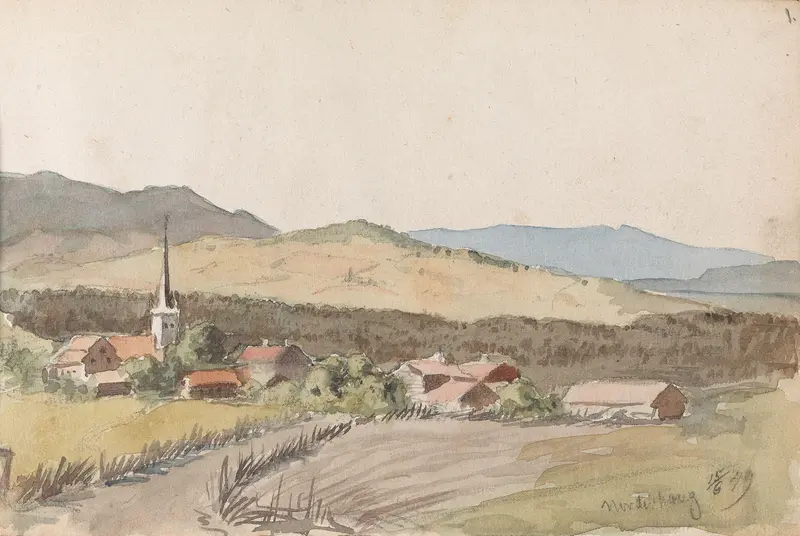
Fra Haugsbygd
Adolph Tidemand
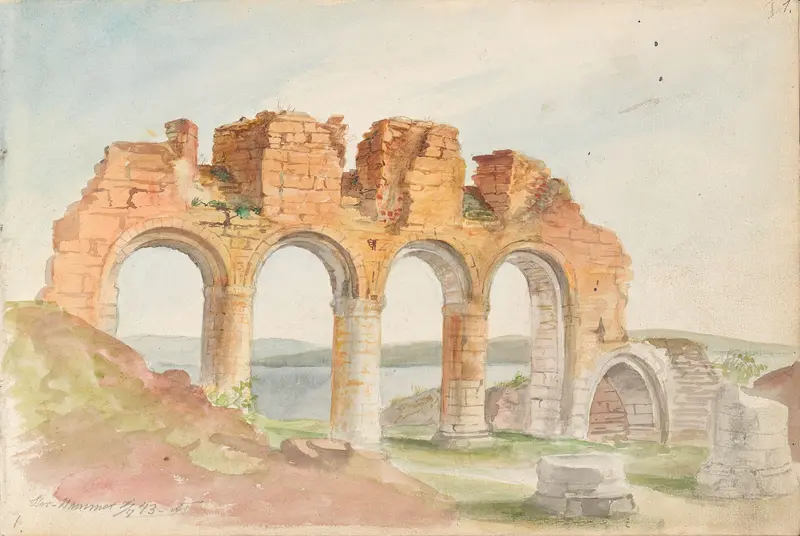
Domkirkeruinen, Hamar
Adolph Tidemand
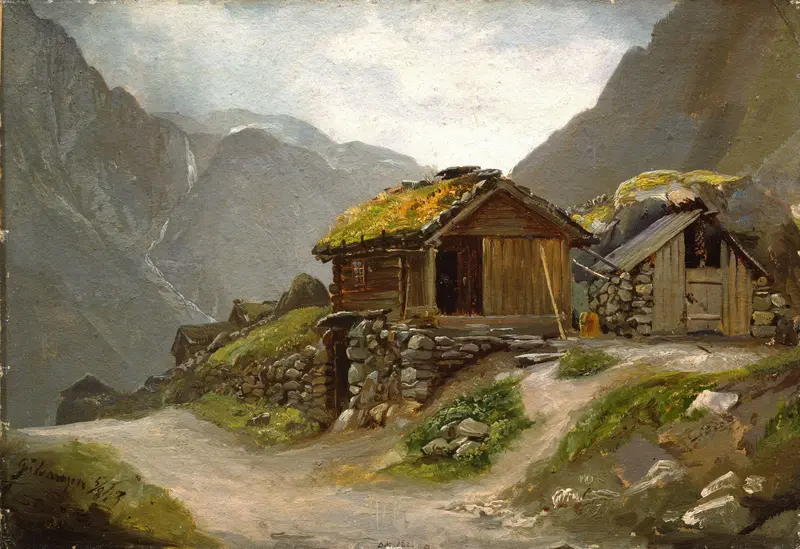
View from Gudvangen
Adolph Tidemand
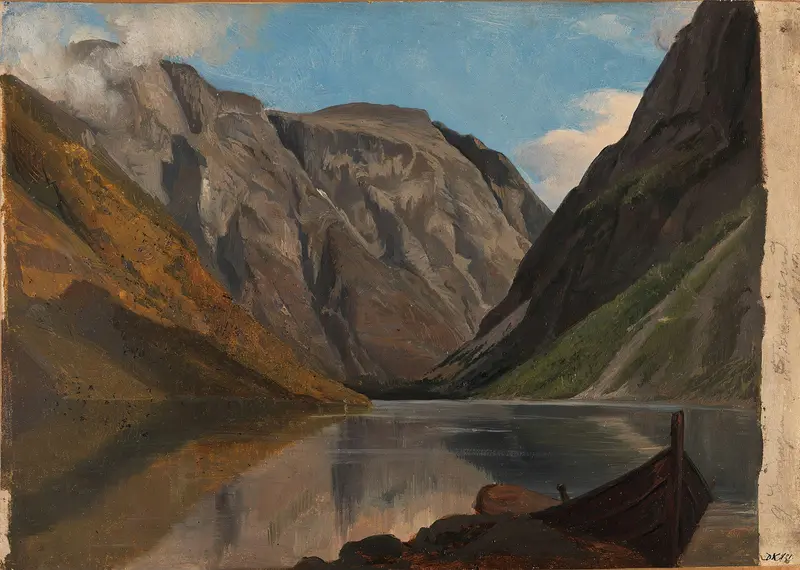
View of Gudvangen
Adolph Tidemand
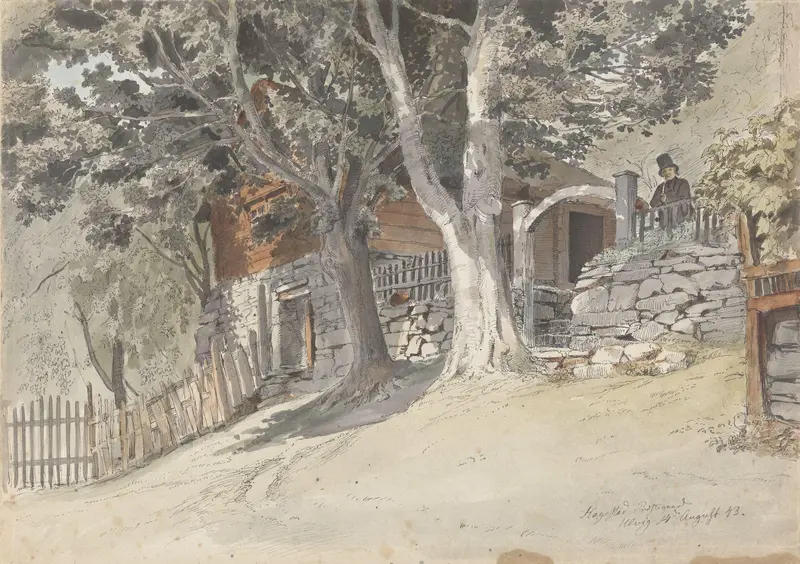
Hagestad prestegård, Ulvik i Hardanger
Adolph Tidemand
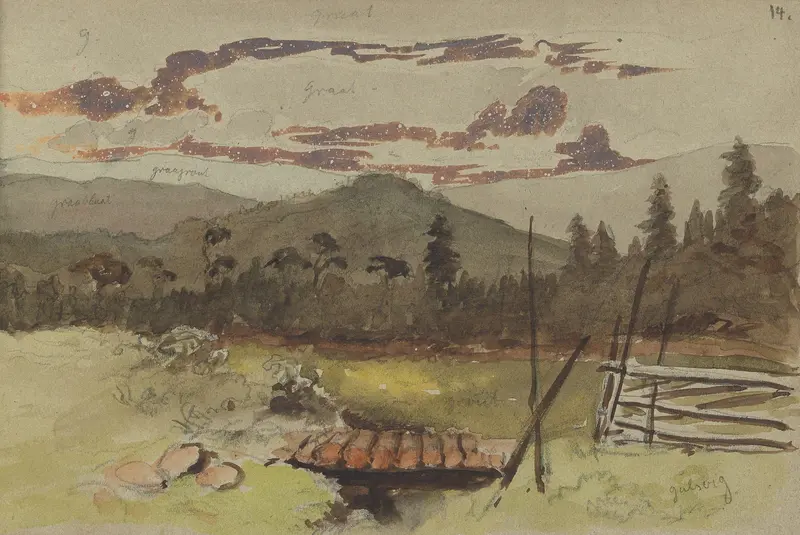
Fra Gulsvik
Adolph Tidemand
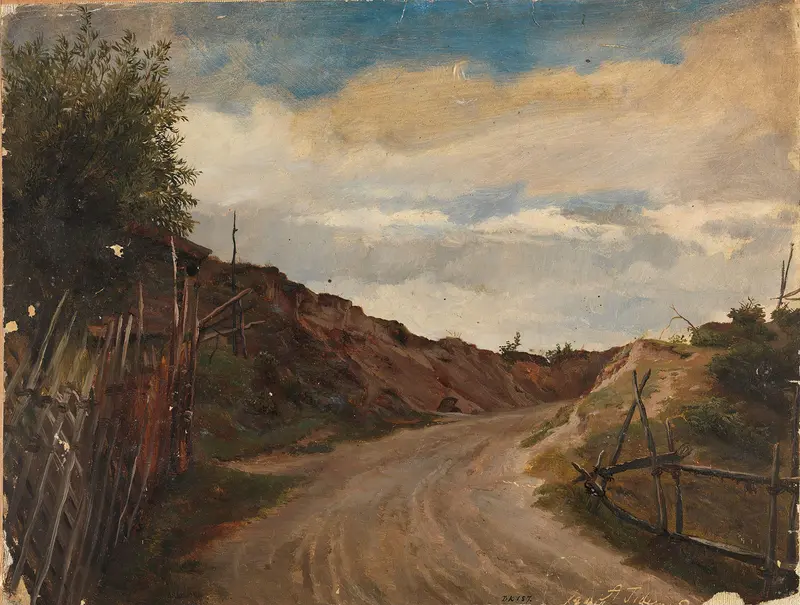
Country Road
Adolph Tidemand
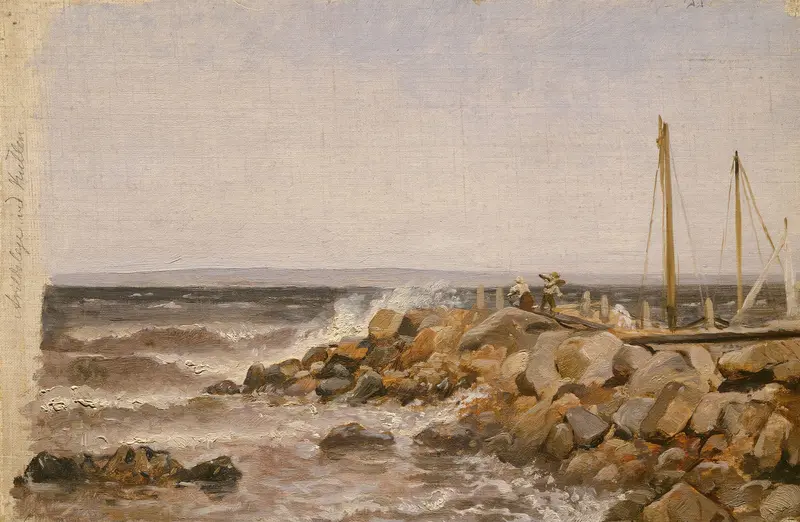
From Kullen in Sweden
Adolph Tidemand
Untitled
Adolph Tidemand





