
Portrait of Thora Klinckowstrom (1899-1995) — History & Facts
When Amedeo Modigliani painted Portrait of Thora Klinckowstrom in 1919, he captured not just a sitter but a fleeting moment in the Parisian art world’s last prewar flourish. Thora Klinckowström, a Swedish artist and writer, was part of the lively international circle that gathered in Montparnasse, where Modigliani himself was both celebrated and notorious. The portrait is one of the final works Modigliani completed before his untimely death in January 1920, making it a poignant testament to his late style and the relationships he forged in his last years.
Unlike his portraits of lovers or patrons, this work records a friendship between two artists, each navigating the bohemian tumult of the city. In this painting, Modigliani chooses a moment of stillness: Thora sits upright, her elongated neck and almond eyes rendered in the artist’s unmistakable manner. The background is spare, focusing all attention on her face, which is mask-like yet gentle, the lips slightly parted as if about to speak. The sitter’s gaze, direct but inward, hints at introspection or perhaps the fatigue of the creative life.
Modigliani’s palette—muted, with subtle blues and ochres—suggests quiet dignity rather than glamour. Unlike the psychological intensity of Pablo Picasso’s Portrait of Gertrude Stein, Modigliani’s approach is lyrical, emphasizing line and form over dramatic expression. The physical history of Portrait of Thora Klinckowstrom is less documented than some of Modigliani’s other works, but it stands as a representative example of his late portraiture, marked by both stylistic maturity and personal hardship. Painted during a period of declining health, it was likely created in the artist’s modest Paris studio, possibly as a gesture of camaraderie rather than a formal commission.
The painting has passed through private hands and has been exhibited in retrospectives dedicated to Modigliani’s final years, though its exact early provenance remains unclear. Today, it is recognized as a testament to the cosmopolitan networks that defined the École de Paris, and as a window into the final chapter of Modigliani’s brief, brilliant career.
More Artworks by Amedeo Modigliani
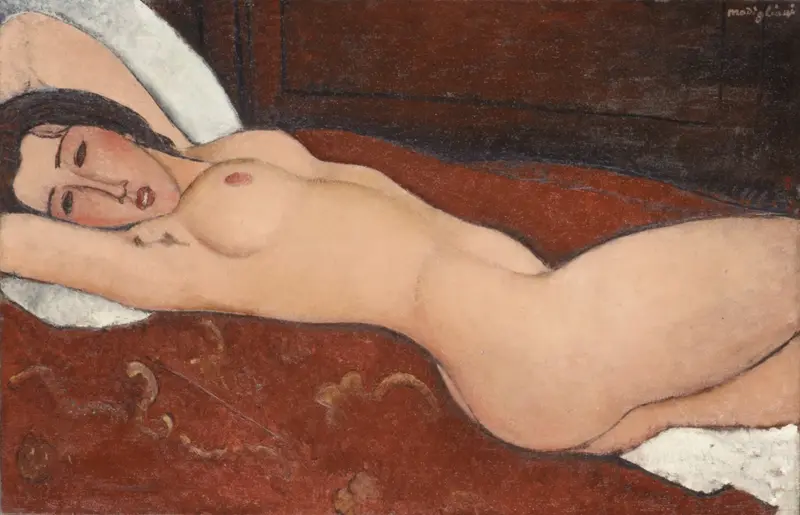
Reclining Nude
Amedeo Modigliani

Portrait Of Jeanne Hébuterne
Amedeo Modigliani

Jeanne Hébuterne
Amedeo Modigliani
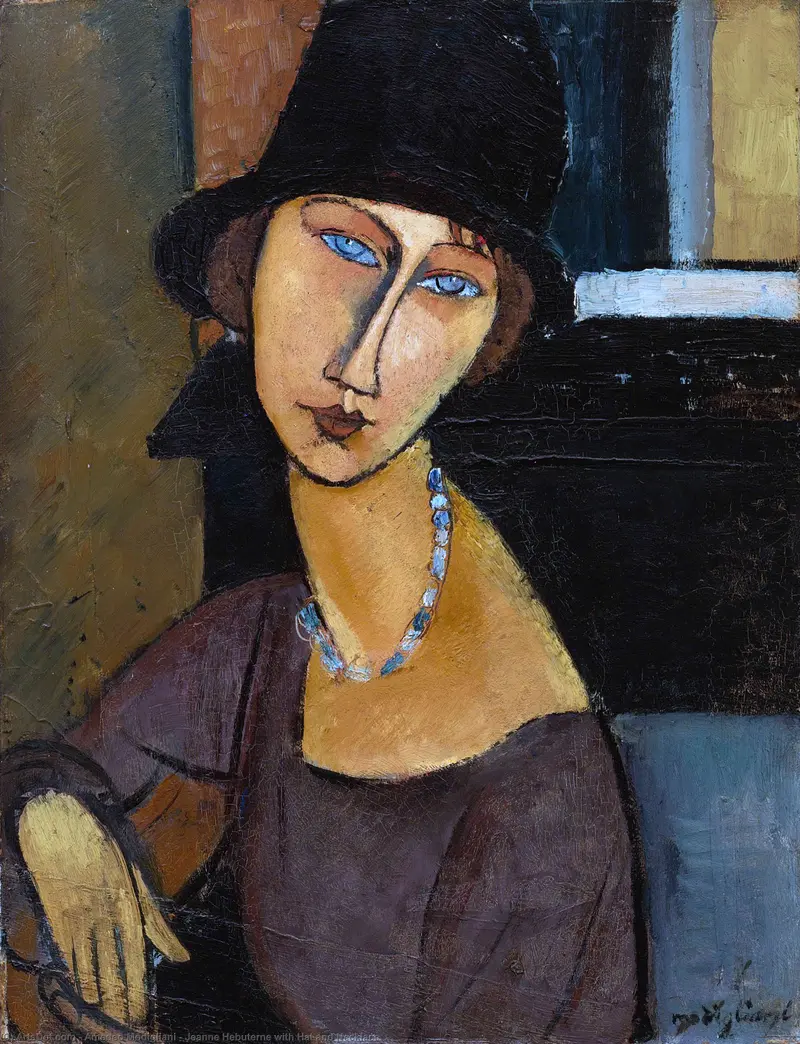
Jeanne Hébuterne with Hat and Necklace
Amedeo Modigliani
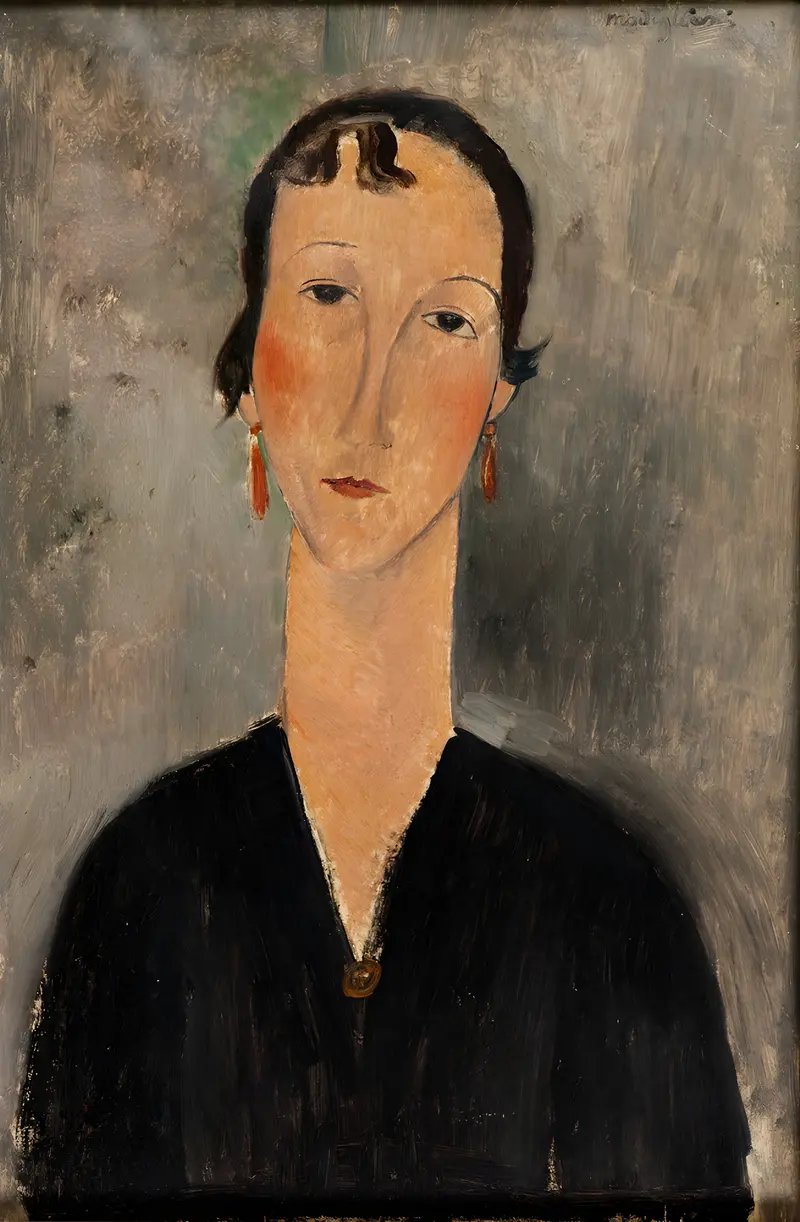
Femme aux boucles d'oreilles
Amedeo Modigliani
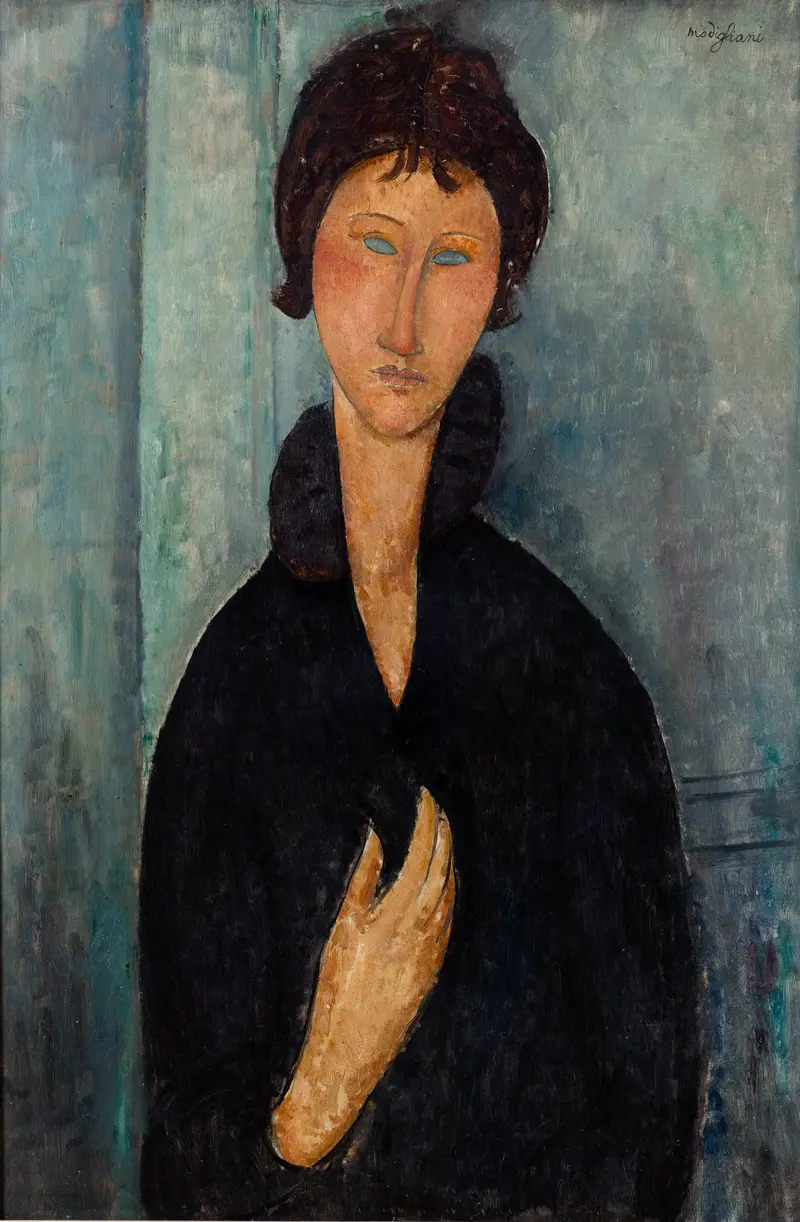
Femme aux yeux bleus
Amedeo Modigliani
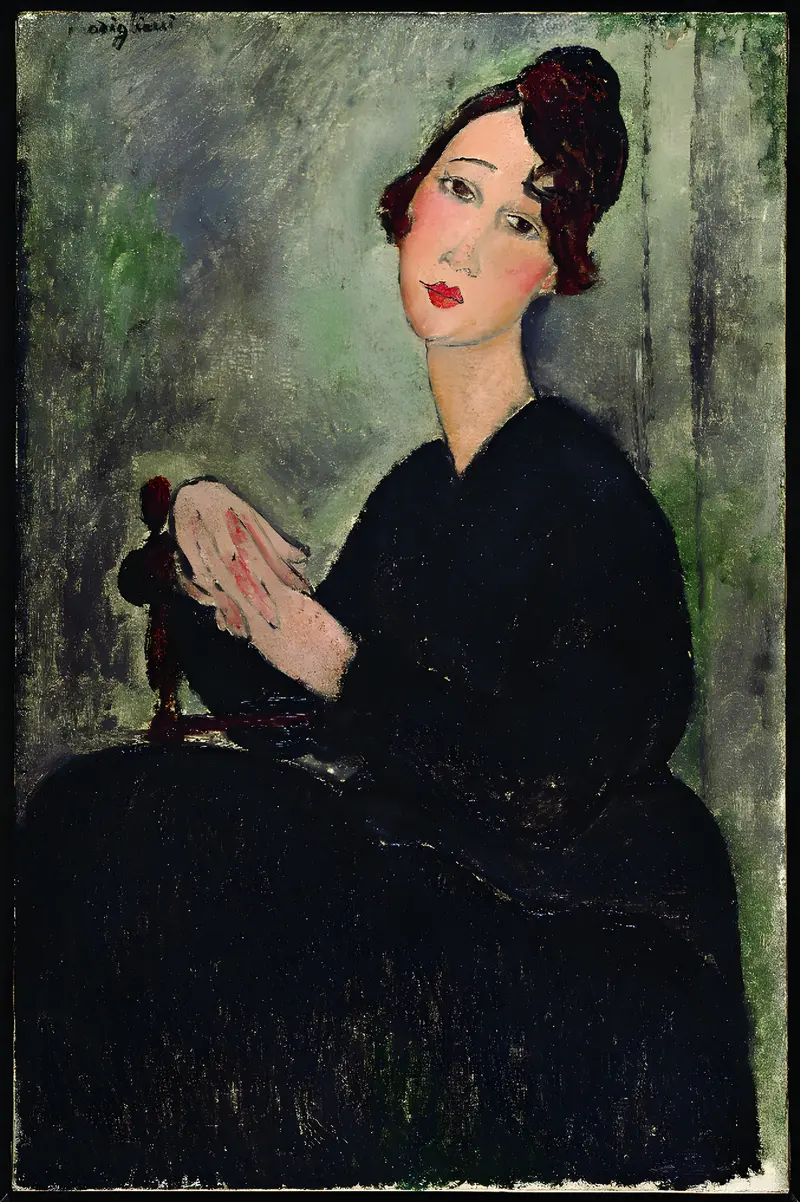
Portrait of Dedie
Amedeo Modigliani
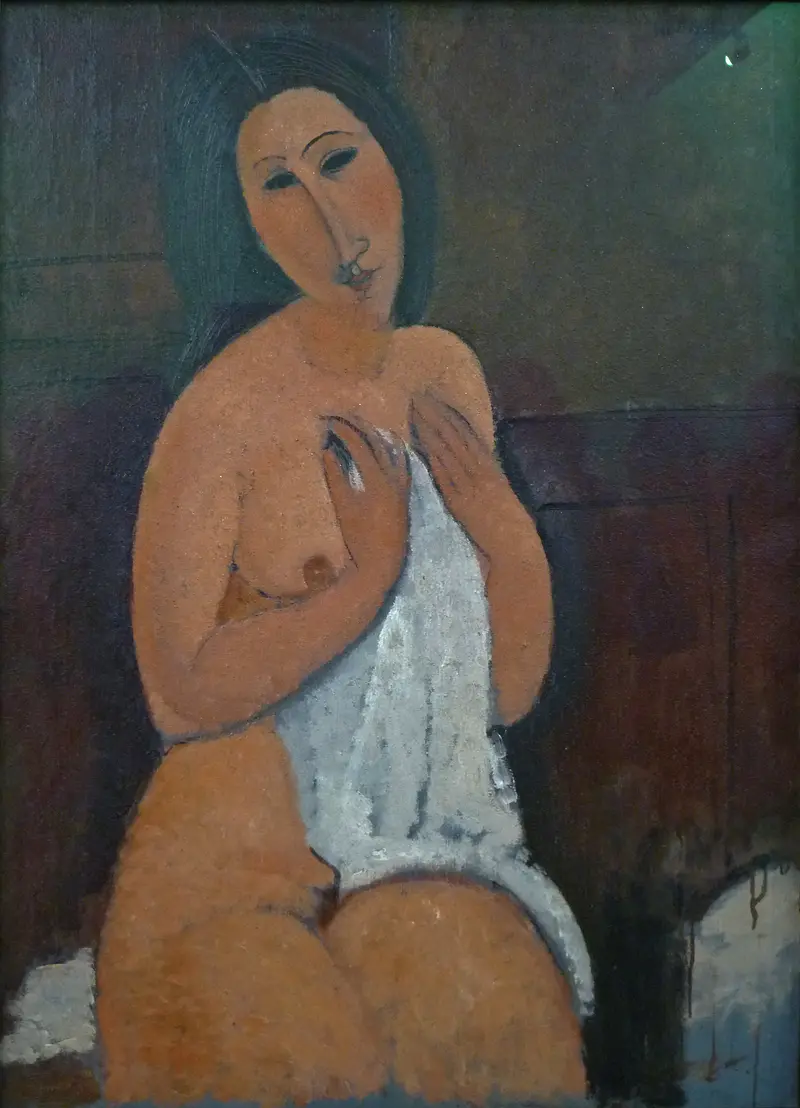
Seated nude with shirt
Amedeo Modigliani
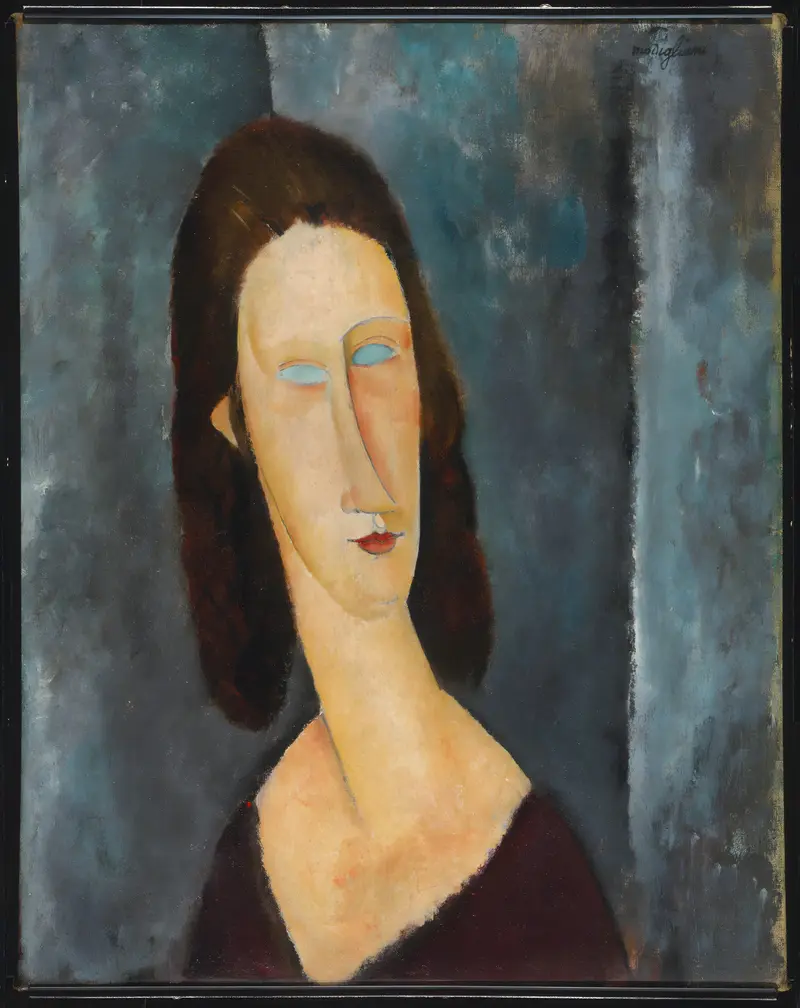
Blue Eyes (Portrait of Madame Jeanne Hébuterne)
Amedeo Modigliani
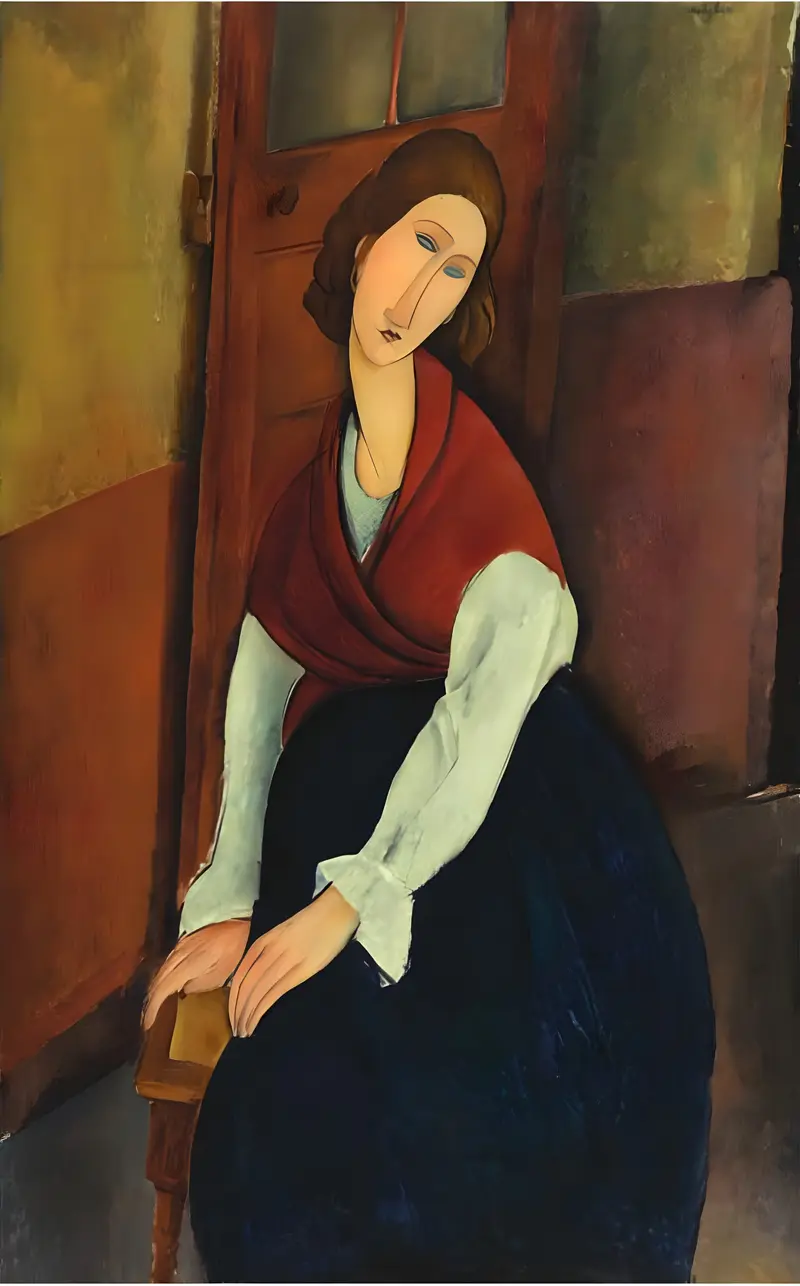
Jeanne Hebuterne in Red Shawl
Amedeo Modigliani





