
Portrait of Willem Hartigsvelt, Director of the Rotterdam Chamber of the Dutch East India Company, elected 1657 — History & Facts
What if silence could speak through light? In Portrait of Willem Hartigsvelt, the stillness of the moment reveals a profound narrative that invites us to listen closely. Look to the right at the sharp lines of Willem Hartigsvelt's tailored coat, rendered with meticulous attention to texture. The light cascades down from an unseen source, illuminating the rich browns and deep blacks of his attire while casting soft shadows that cradle his form. His expression, poised yet contemplative, draws the viewer in, demanding a connection.
The background's muted tones create a stark contrast, allowing the figure to emerge almost out of the ether, as if he is a bridge between worlds. Beneath the surface, the painting pulsates with unspoken tension. Hartigsvelt’s eyes, bright and engaged, seem to hint at the weight of responsibility carried by a leader of the Dutch East India Company. The careful arrangement of his hands—one resting lightly against his side while the other gestures towards the viewer—implies the duality of authority and vulnerability.
Each stroke of paint on his face tells a story of ambition, yet also of the isolation that can accompany such power. Pieter van der Werff painted this work between 1695 and 1722, during a period marked by both flourishing trade and the challenges of political change in the Netherlands. As an established artist in Rotterdam, he was navigating the complex demands of portraiture at a time when the art world was beginning to shift from baroque grandeur to a more intimate realism, reflecting the evolving societal values of his era.
More Artworks by Pieter van der Werff
Browse all →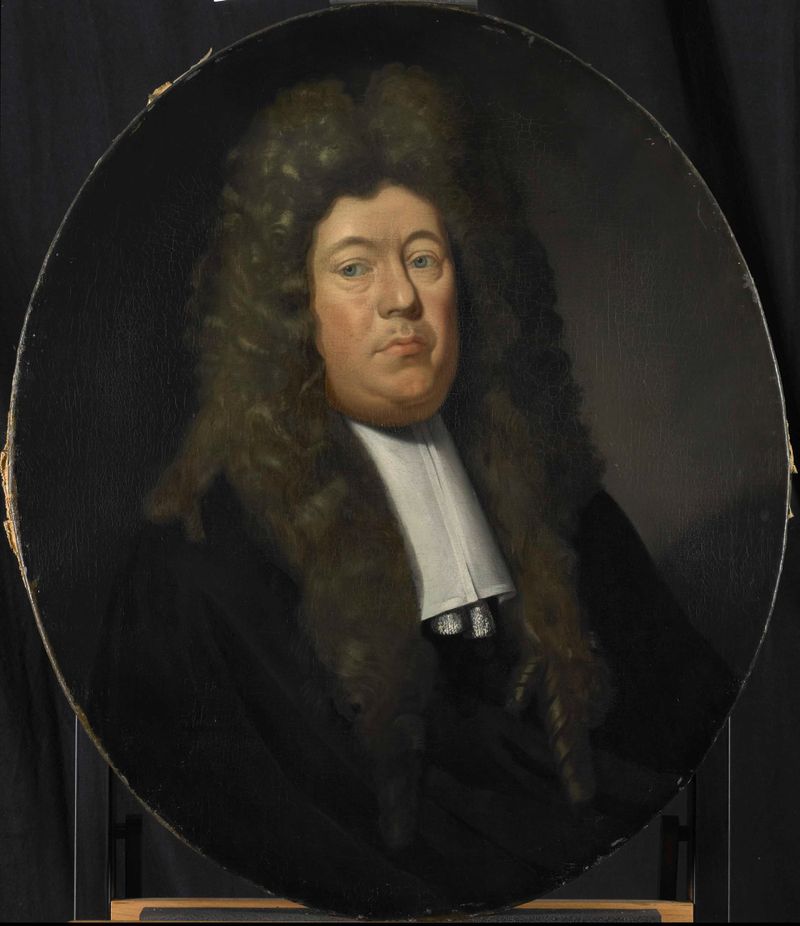
Portrait of Adriaen Paets, Director of the Rotterdam Chamber of the Dutch East India Company, elected 1668
Pieter van der Werff
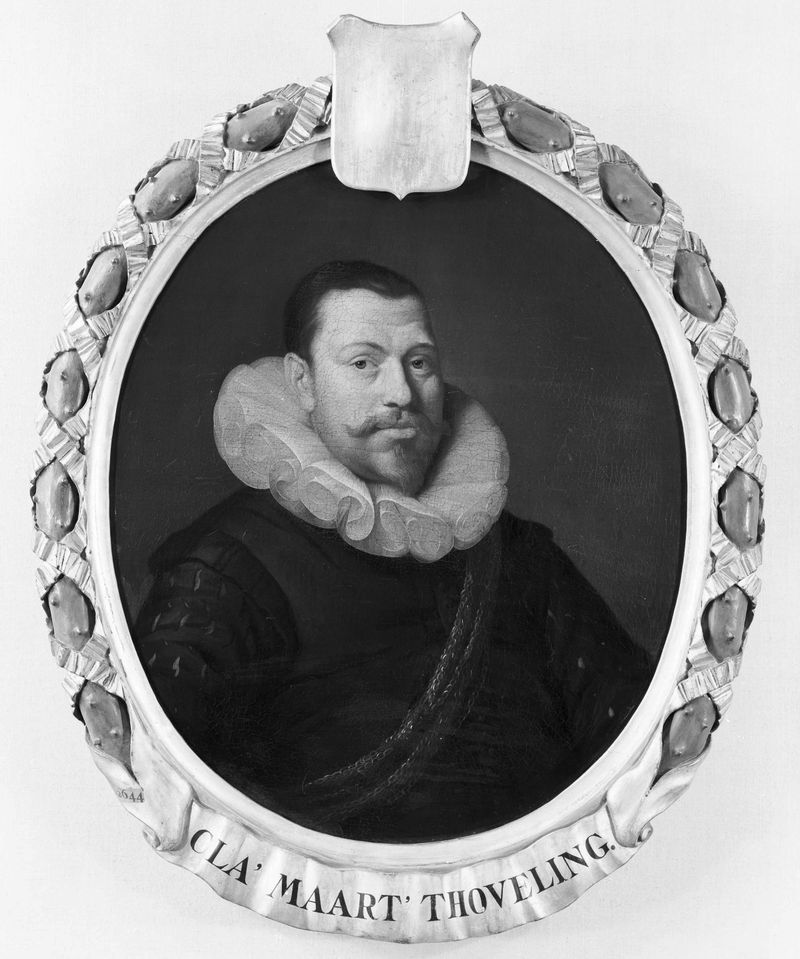
Portrait of Claes Maertensz Thoveling, Director of the Rotterdam Chamber of the Dutch East India Company, elected 1619
Pieter van der Werff
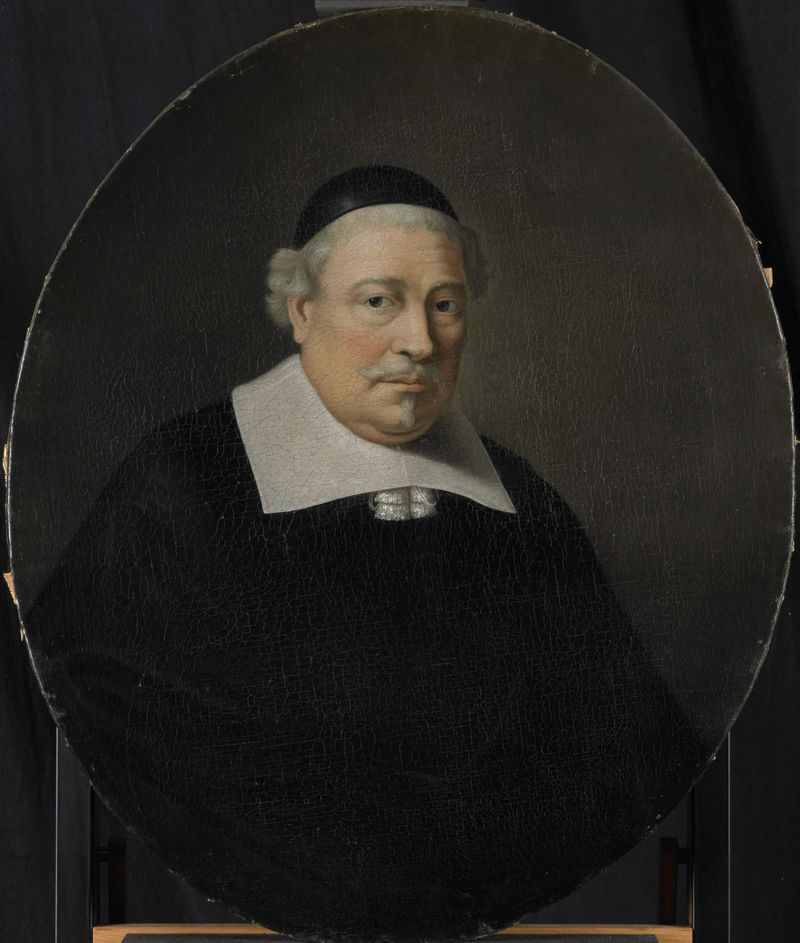
Portrait of Cornelis de Koningh, Director of the Rotterdam Chamber of the Dutch East India Company, elected 1649
Pieter van der Werff
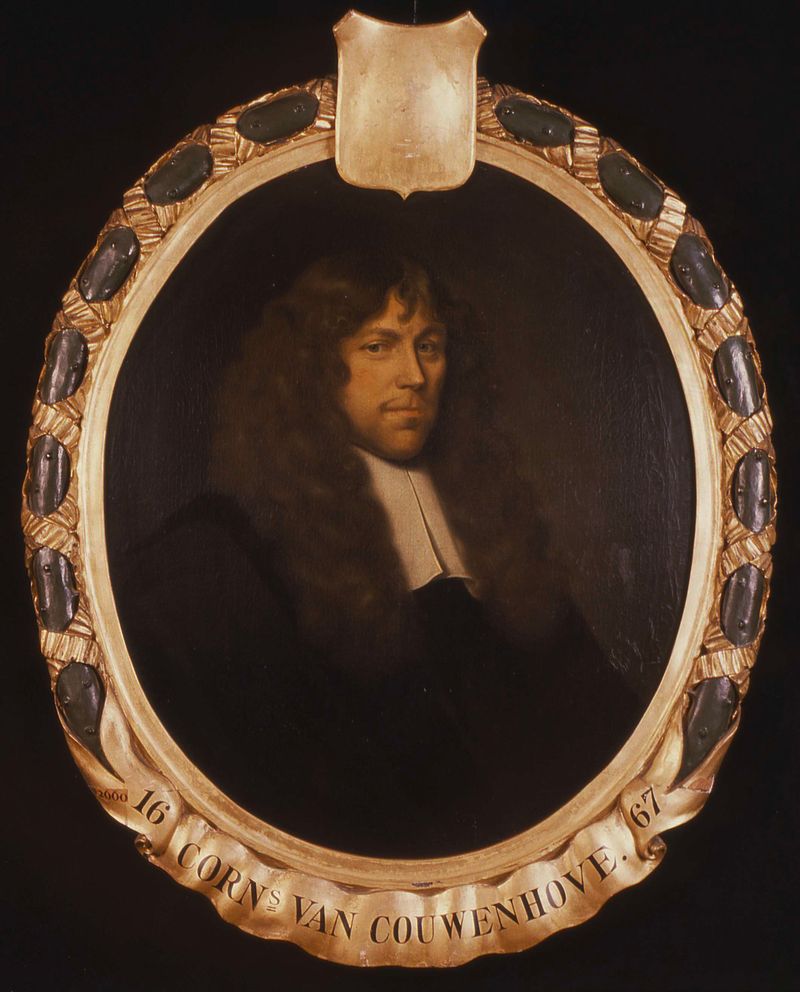
Portrait of Cornelis van Couwenhove, Director of the Rotterdam Chamber of the Dutch East India Company, elected 1667
Pieter van der Werff
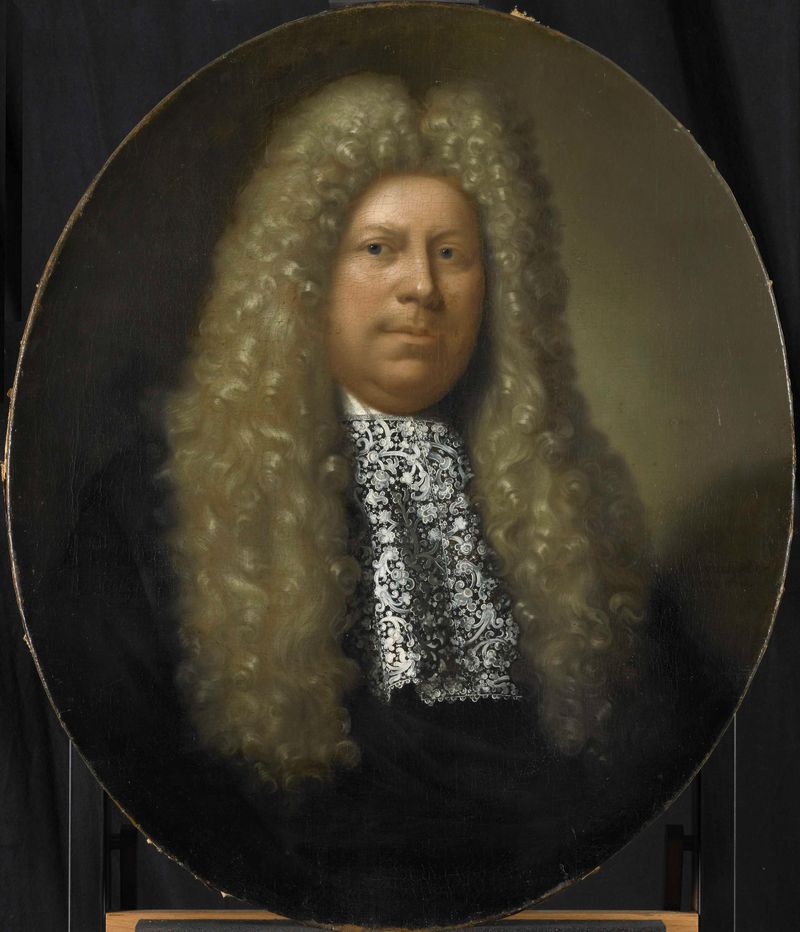
Portrait of Jacob Dane, Director of the Rotterdam Chamber of the Dutch East India Company, elected 1689
Pieter van der Werff
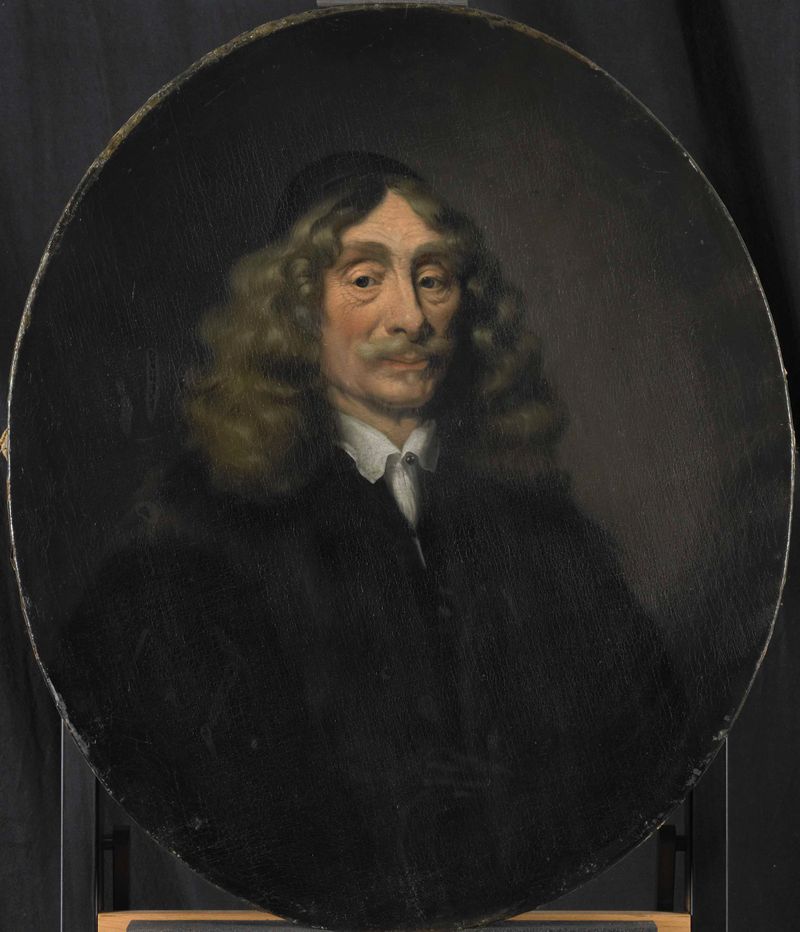
Portrait of Johan de Reus, Director of the Rotterdam Chamber of the Dutch East India Company, elected 1657
Pieter van der Werff
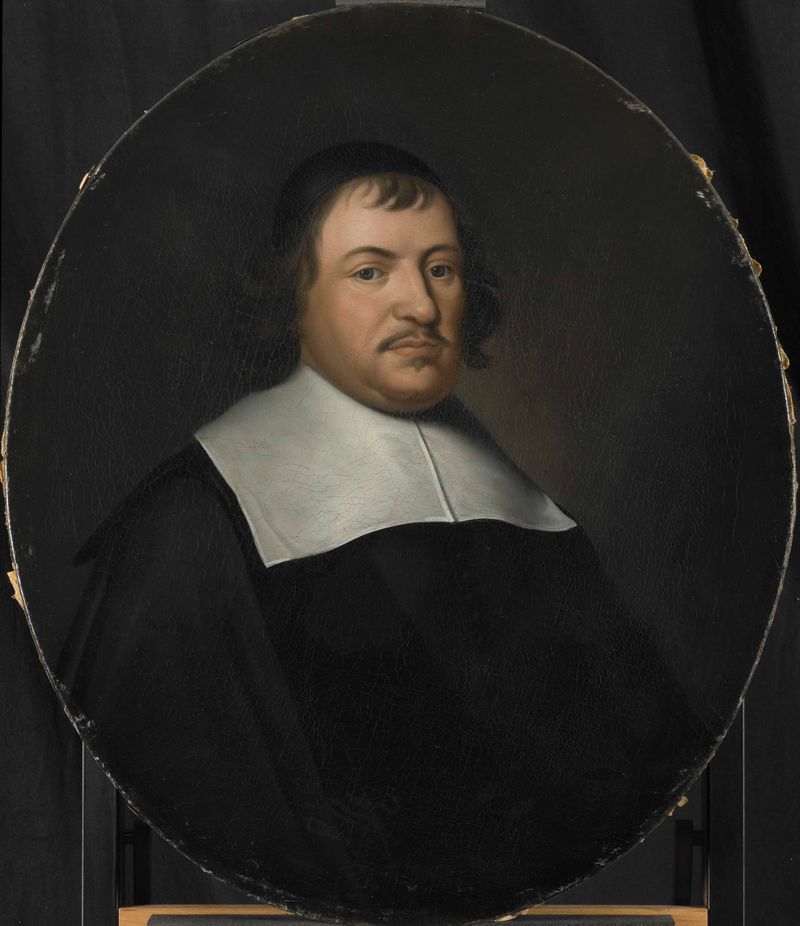
Portrait of Cornelis van den Bergh, Director of the Rotterdam Chamber of the Dutch East India Company, elected 1659
Pieter van der Werff
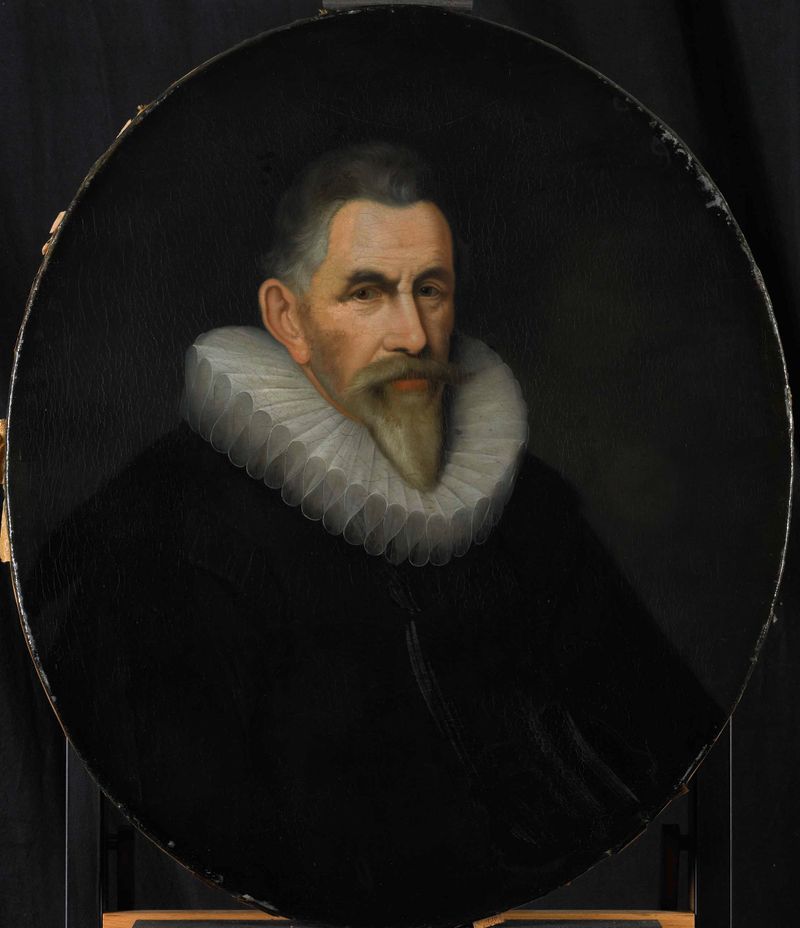
Portrait of Johan van der Veecque, Director of the Rotterdam Chamber of the Dutch East India Company, elected 1602
Pieter van der Werff
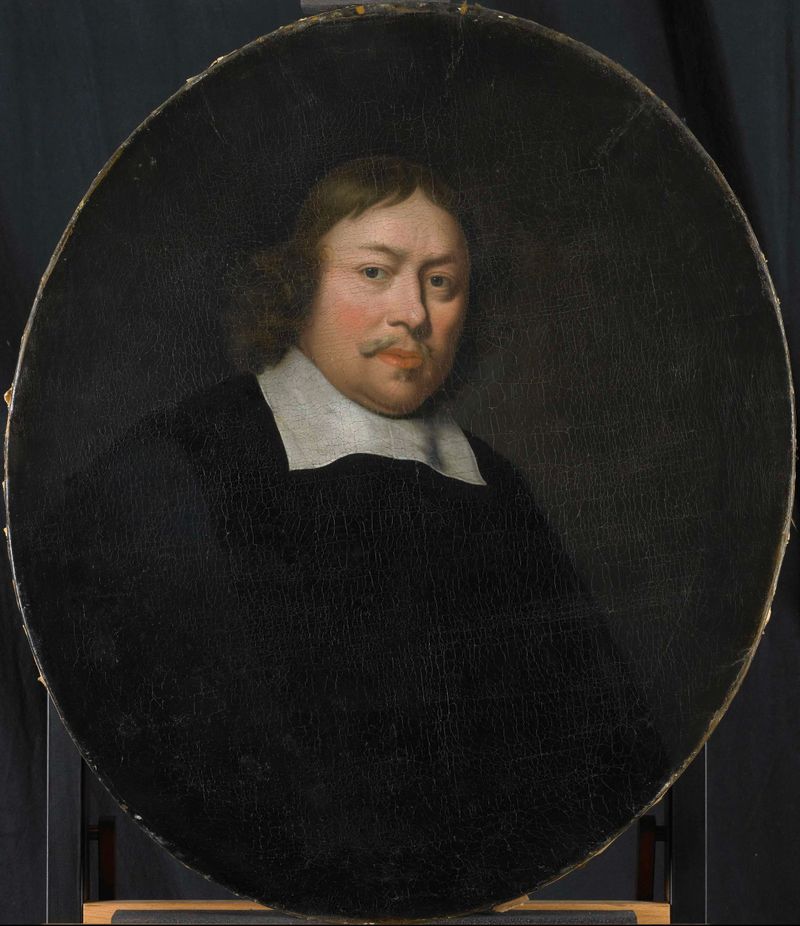
Portrait of Gerard van Bergen, Director of the Rotterdam Chamber of the Dutch East India Company, elected 1653
Pieter van der Werff
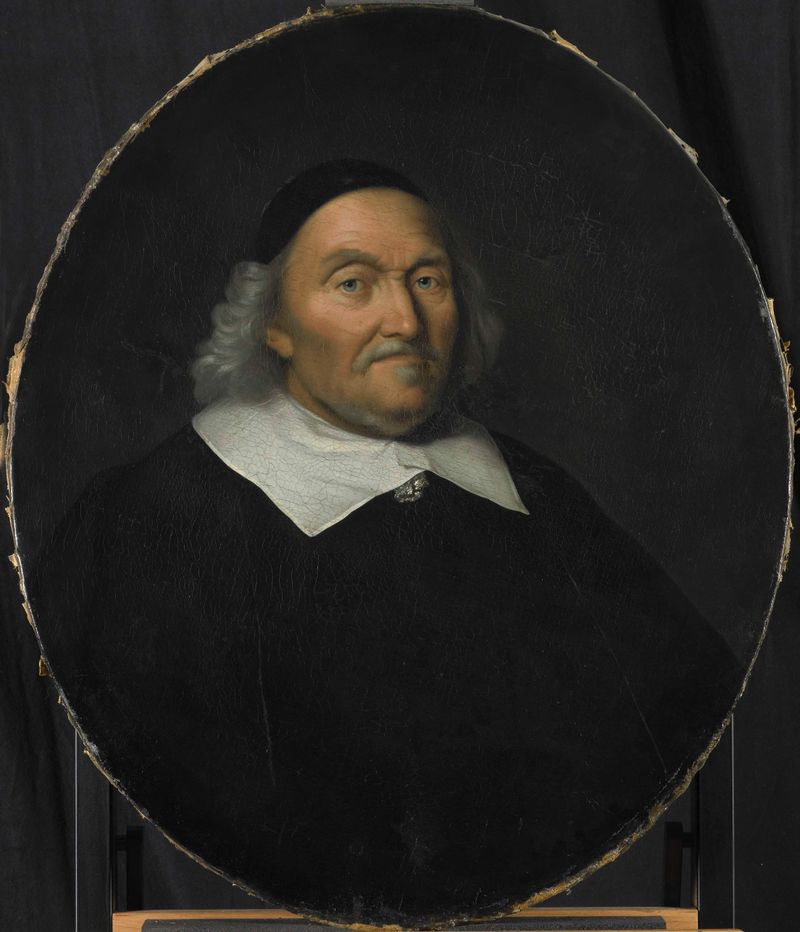
Portrait of Hendrik Nobel, Director of the Rotterdam Chamber of the Dutch East India Company, elected 1625
Pieter van der Werff
More Portrait Art
Browse all →
Las meninas
Diego Velázquez

Self-portrait with a Bandaged Ear and Pipe
Unidentified artist

Girl with a Pearl Earring
Johannes Vermeer

The Sampling Officials of the Amsterdam Drapers’ Guild, Known as ‘The Syndics’
Rembrandt van Rijn

The Hundred Guilder Print: the man seen on the back in the lower left corner
Rembrandt van Rijn

Portrait of Dr Gachet
Vincent van Gogh