
Portrait Study of a Boy — History & Facts
What draws the viewer in first is the boy’s gaze—wide, alert, and just shy of meeting our own. The artist, Adolph Tidemand, has chosen to focus solely on the child’s head and upper shoulders, cropping away any distractions, so that every brushstroke is in service of this fleeting, almost private moment. There’s a gentle flush to the boy’s cheeks, a suggestion of recent movement or a sudden thought, while the soft modeling of his features against the dark, undefined background lets the light play across his skin and hair.
The unfinished lower edge hints at the work’s nature as a study: a search for character, rather than a formal portrait. The boy’s parted lips, the slight tilt of his head—these are not the trappings of a posed sitter, but the marks of observation, as if Tidemand has caught him mid-thought. Painted in 1842, this study belongs to a period when artists across Europe were turning their attention to the honest depiction of everyday life and ordinary people. In Norway, where Tidemand would become a leading figure, such works often served as preparatory exercises for larger compositions or as intimate records of individuals encountered on the artist’s travels.
The work now resides in the National Museum of Art, Architecture and Design, a reminder of how even a modest, unfinished portrait can capture the spirit of an era in transition. The boy’s expression—curious, a little uncertain—invites us to wonder not just who he was, but what Tidemand saw in him that was worth preserving for nearly two centuries.
More Artworks by Adolph Tidemand

Bridal Procession on the Hardangerfjord
Adolph Tidemand
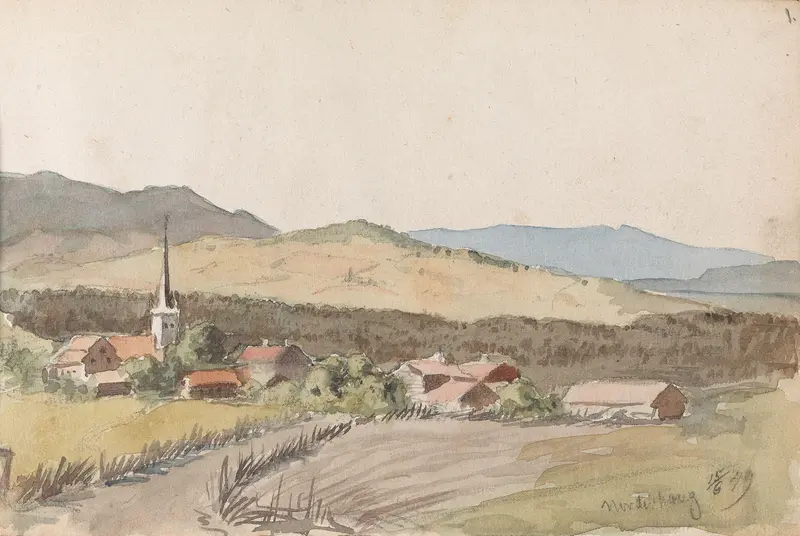
Fra Haugsbygd
Adolph Tidemand
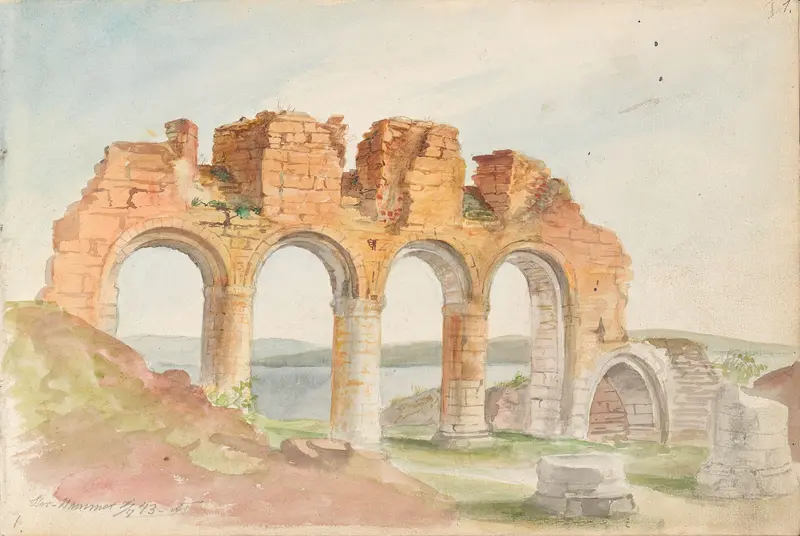
Domkirkeruinen, Hamar
Adolph Tidemand
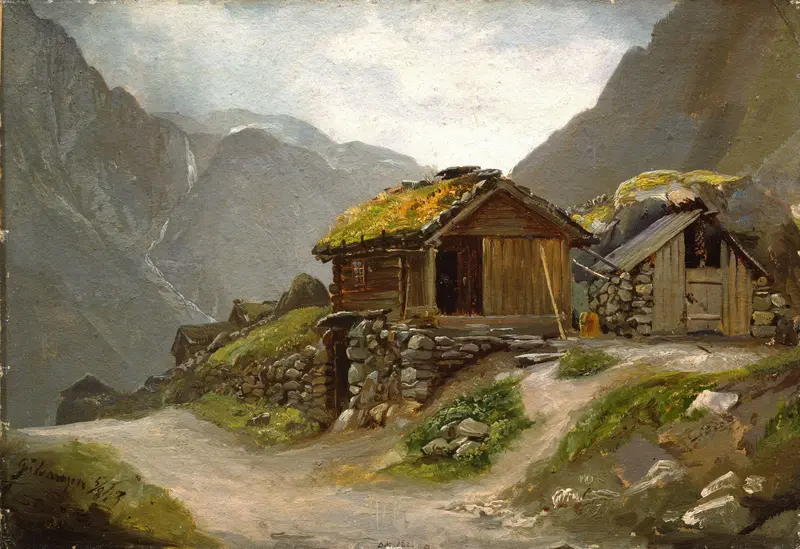
View from Gudvangen
Adolph Tidemand

View of Gudvangen
Adolph Tidemand
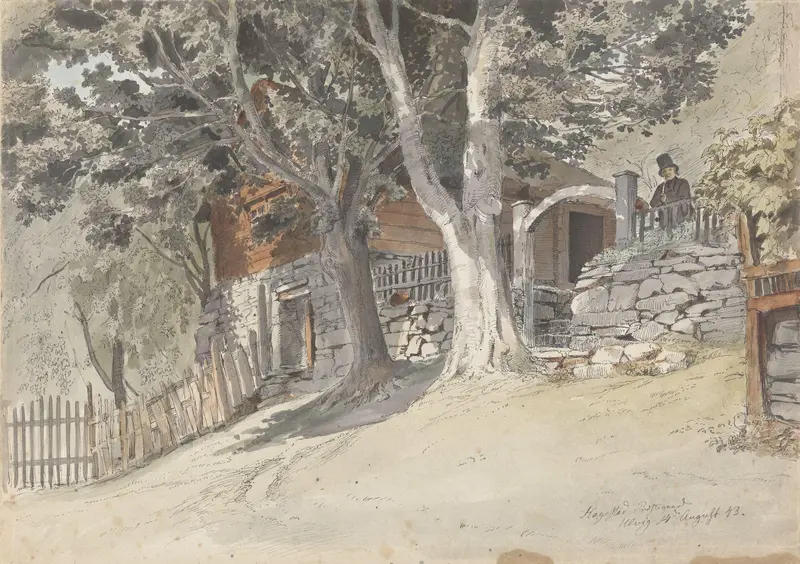
Hagestad prestegård, Ulvik i Hardanger
Adolph Tidemand
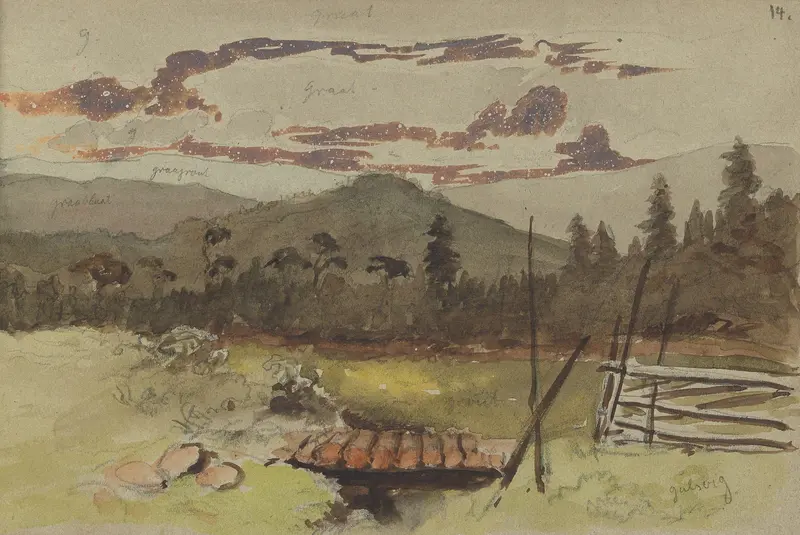
Fra Gulsvik
Adolph Tidemand
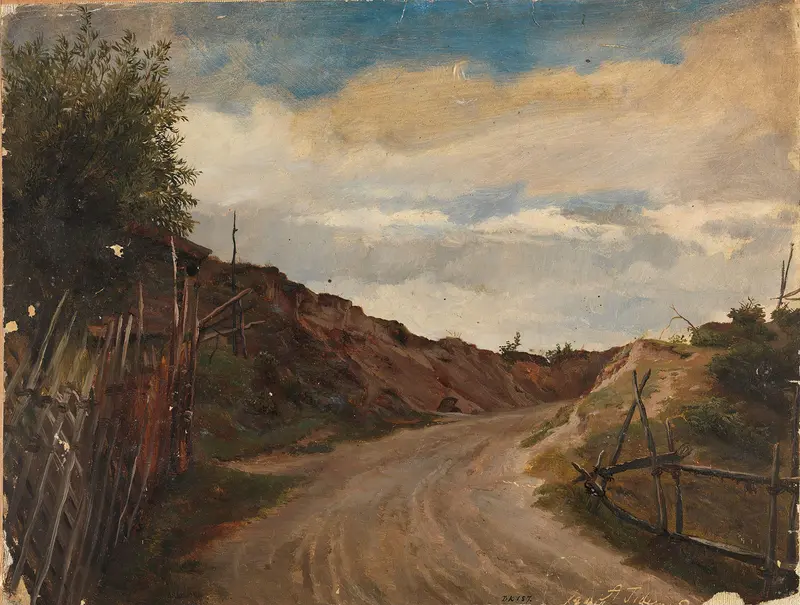
Country Road
Adolph Tidemand
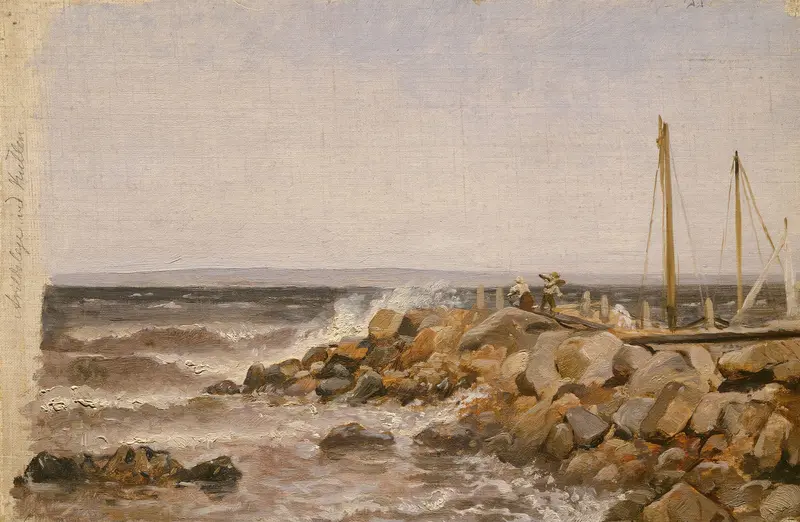
From Kullen in Sweden
Adolph Tidemand
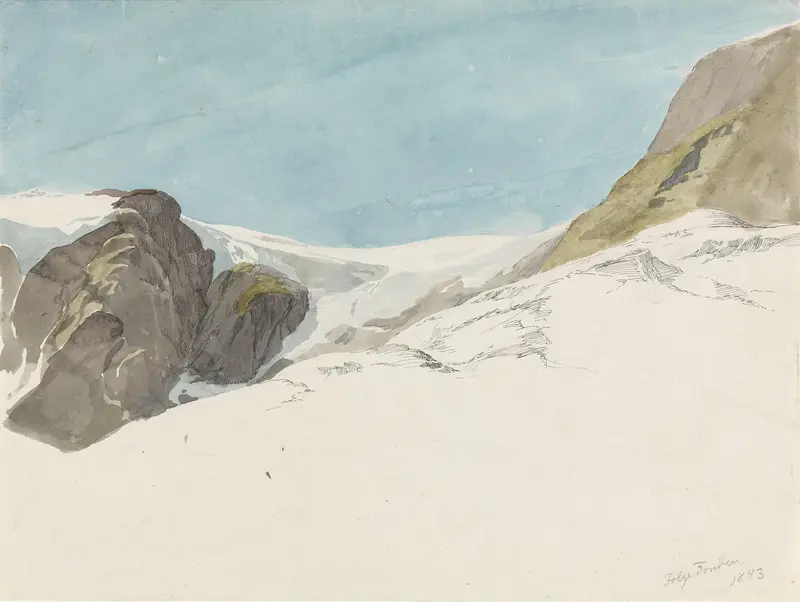
Untitled
Adolph Tidemand





