
Portrait Study of an old Man — History & Facts
The first thing that draws the eye in Portrait Study of an old Man is the upward gaze—a look that seems to reach beyond the frame, carrying both memory and hope. The sitter’s face, bathed in a gentle, even light, is rendered with a care that makes every wrinkle and strand of hair a record of time. His long, flowing beard and hair frame a face marked by age, yet the eyes are wide and searching, almost luminous against the warm, earthy background.
The artist, Adolph Tidemand, uses a restrained palette to focus attention on the man’s expression, letting the subtle play of light and shadow carve out the planes of the face and the soft texture of the hair. Created in 1842, this portrait belongs to a period when artists across Europe were turning to ordinary people as subjects, seeking truth in individual character rather than idealized beauty. Such studies were often made as exercises or as preparatory works for larger compositions, but they also served as quiet meditations on humanity itself. In Norway, where Tidemand was active, the 1840s saw a growing interest in national identity and the dignity of everyday life.
Now held in the National Museum of Art, Architecture and Design, this work stands as a testament to that era’s fascination with the inner life of its subjects—inviting us to meet the old man’s gaze and wonder what thoughts or memories fill his mind.
More Artworks by Adolph Tidemand

Bridal Procession on the Hardangerfjord
Adolph Tidemand
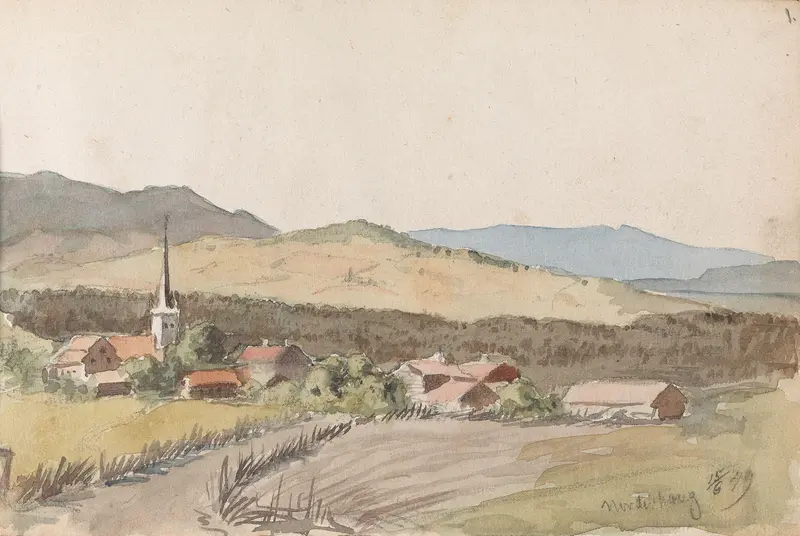
Fra Haugsbygd
Adolph Tidemand
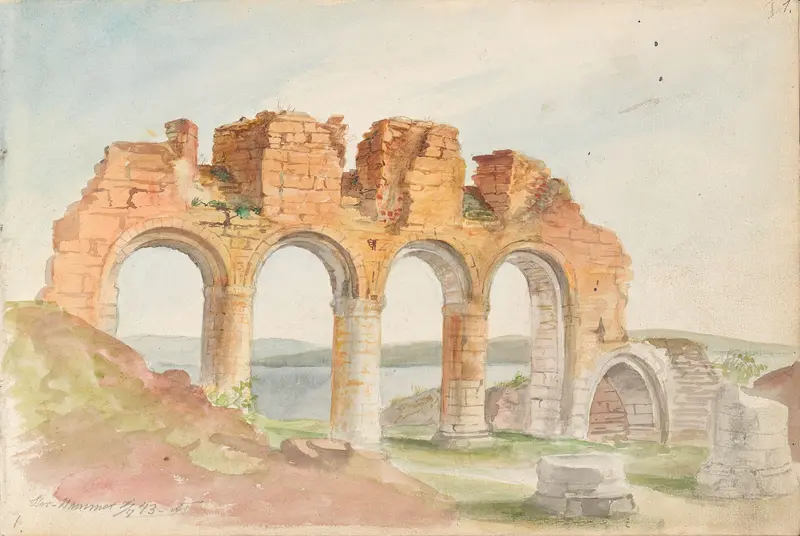
Domkirkeruinen, Hamar
Adolph Tidemand
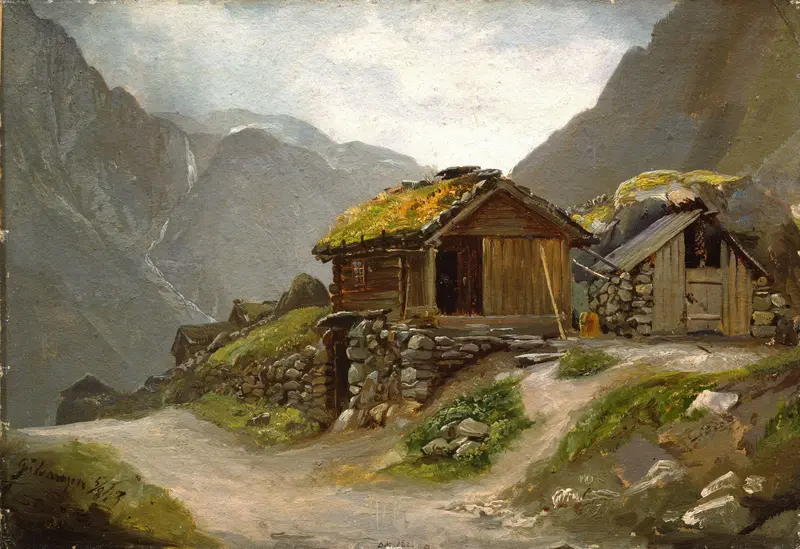
View from Gudvangen
Adolph Tidemand
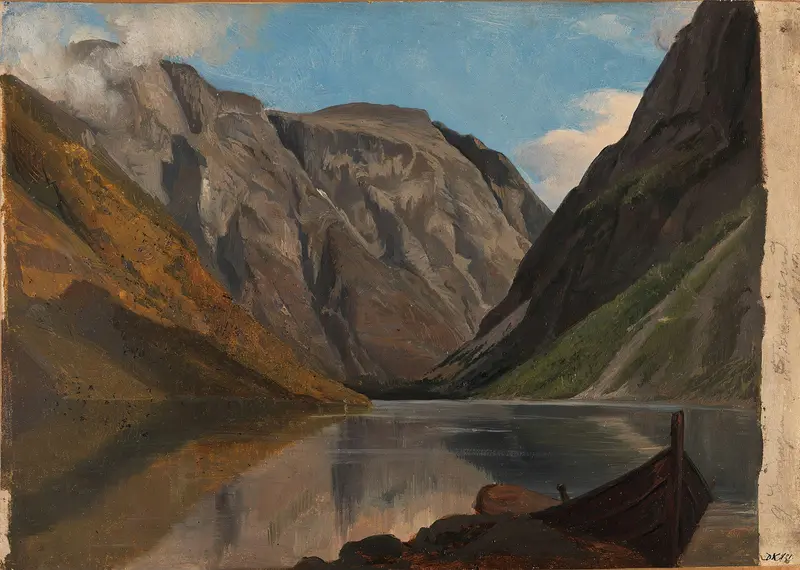
View of Gudvangen
Adolph Tidemand
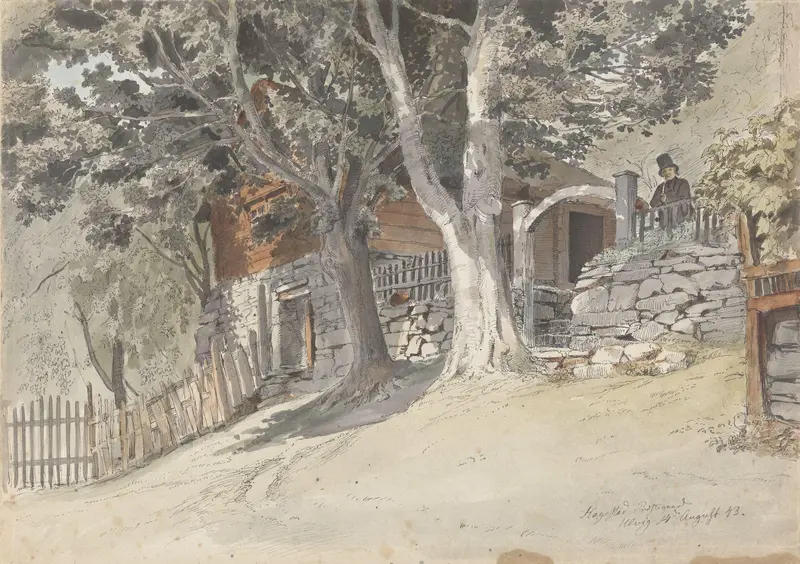
Hagestad prestegård, Ulvik i Hardanger
Adolph Tidemand
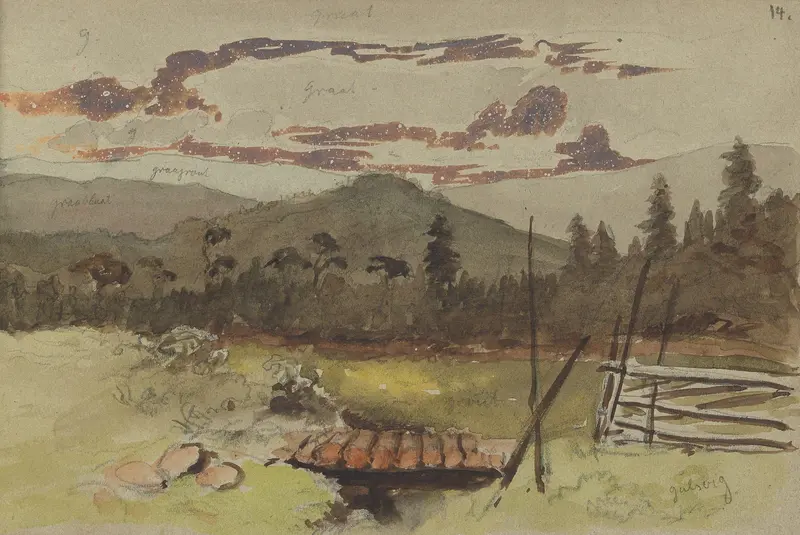
Fra Gulsvik
Adolph Tidemand
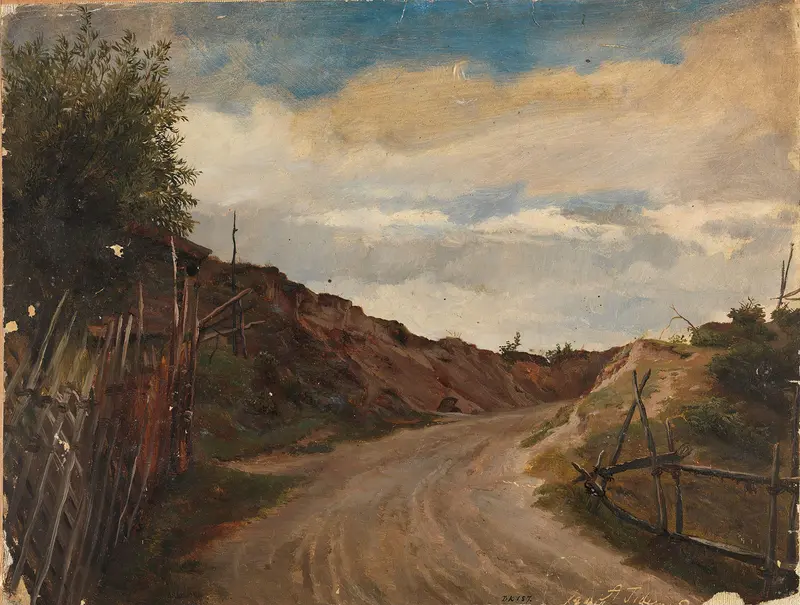
Country Road
Adolph Tidemand
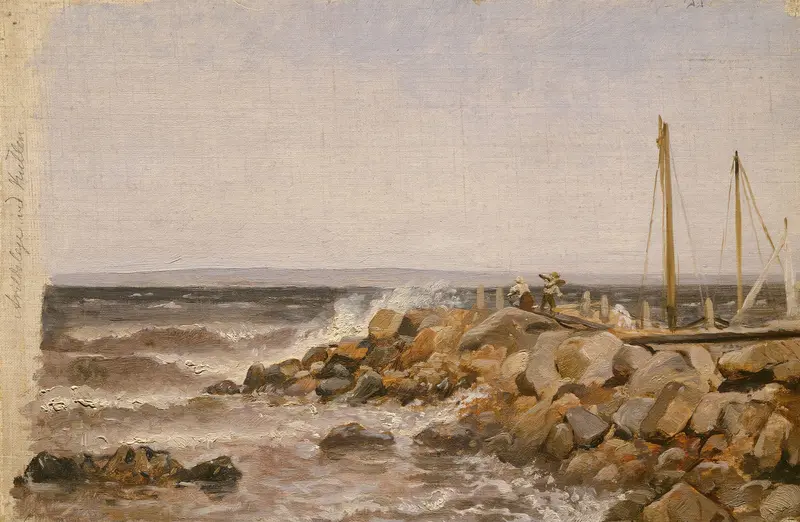
From Kullen in Sweden
Adolph Tidemand
Untitled
Adolph Tidemand





