
Portrat Study of Mariuccia — History & Facts
What first catches the eye in Portrat Study of Mariuccia is the sense of quiet immediacy: a young woman’s head, rendered with careful attention and floating against a bare, unfinished ground. Her gaze is steady but reserved, the dark braids framing her face with a simplicity that draws out the subtle warmth of her skin. The artist’s brush lingers over the sheen of her hair and the gentle modeling of her cheeks, while the unpainted canvas below hints at the work’s status as a study—a moment of pause in the act of creation.
The absence of background or costume focuses all attention on Mariuccia’s expression, inviting the viewer to search for her story in the set of her mouth and the alertness in her eyes. Painted in 1842 by Adolph Tidemand, this study belongs to a period when portraiture was shifting from grand, formal commissions toward more intimate and psychological explorations. In the early nineteenth century, artists across Europe sought to capture not just the likeness but the inner life of their sitters, often using studies like this to experiment with character and light. The work now resides in the National Museum of Art, Architecture and Design, a testament to the era’s fascination with individuality and the unfinished as a window into artistic process.
History has kept few traces of Mariuccia herself, but the unfinished edges and searching gaze keep her presence alive, challenging us to look again.
More Artworks by Adolph Tidemand

Bridal Procession on the Hardangerfjord
Adolph Tidemand
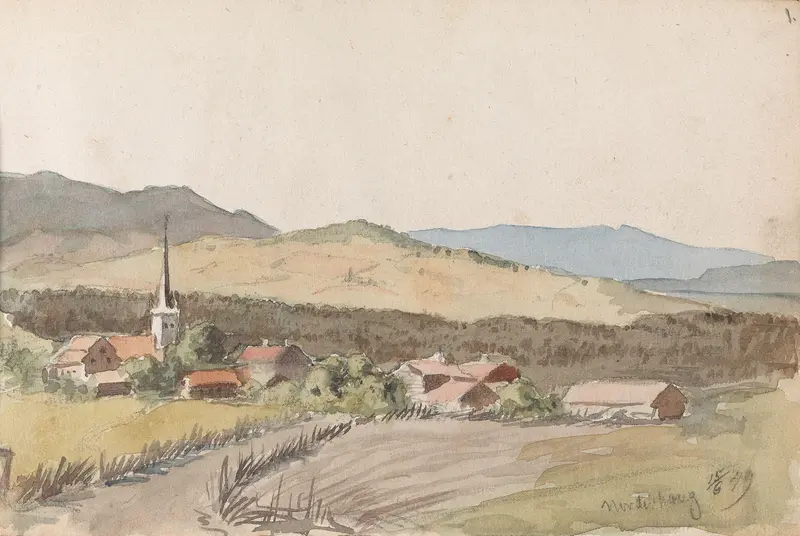
Fra Haugsbygd
Adolph Tidemand
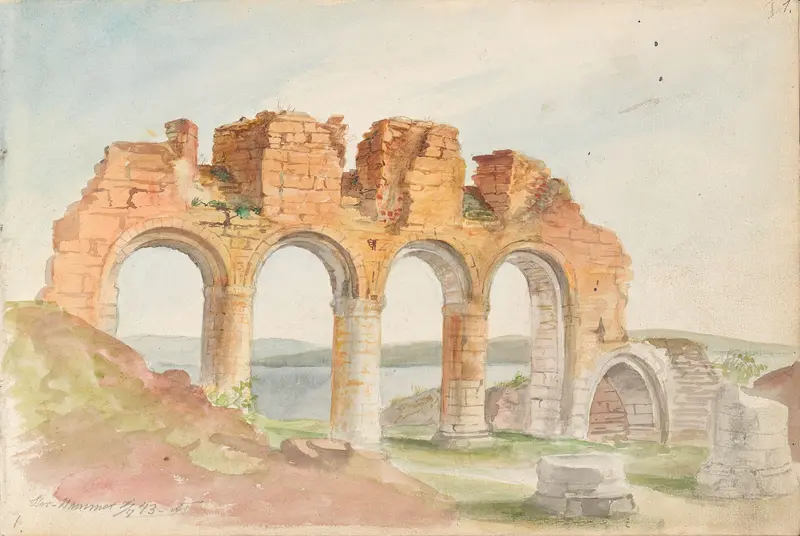
Domkirkeruinen, Hamar
Adolph Tidemand
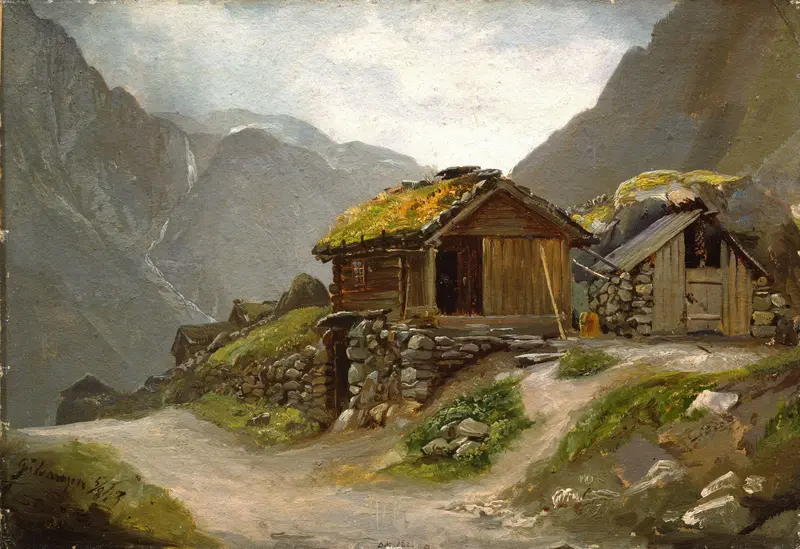
View from Gudvangen
Adolph Tidemand

View of Gudvangen
Adolph Tidemand
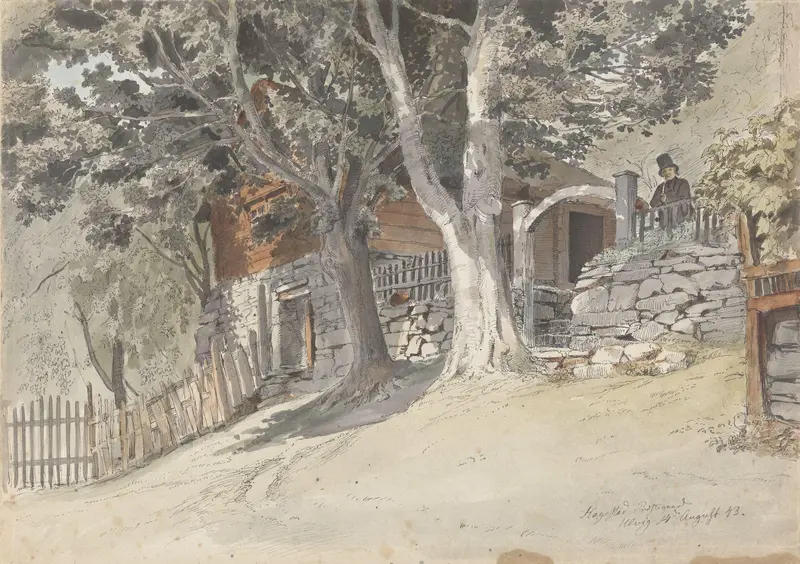
Hagestad prestegård, Ulvik i Hardanger
Adolph Tidemand
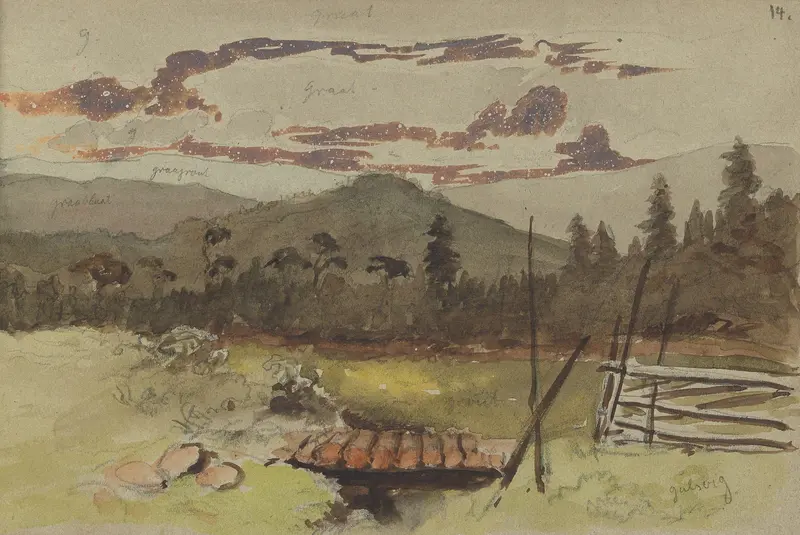
Fra Gulsvik
Adolph Tidemand
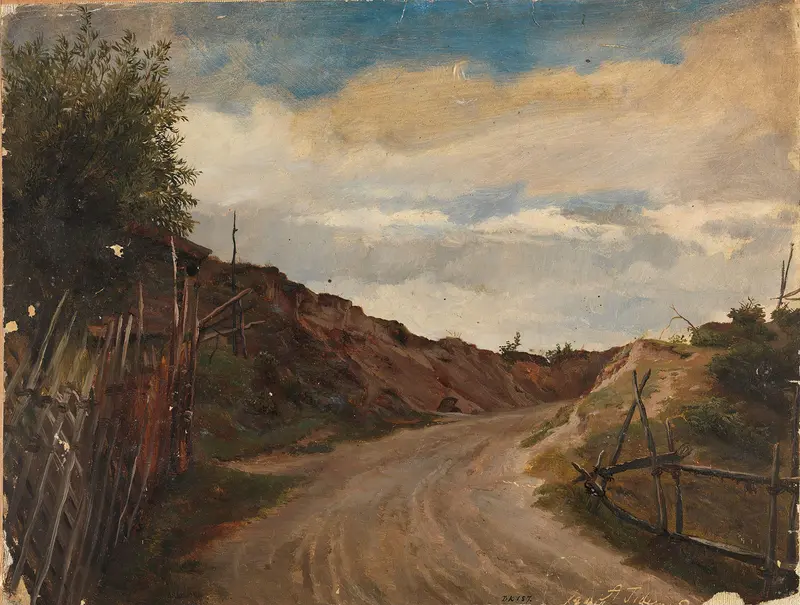
Country Road
Adolph Tidemand
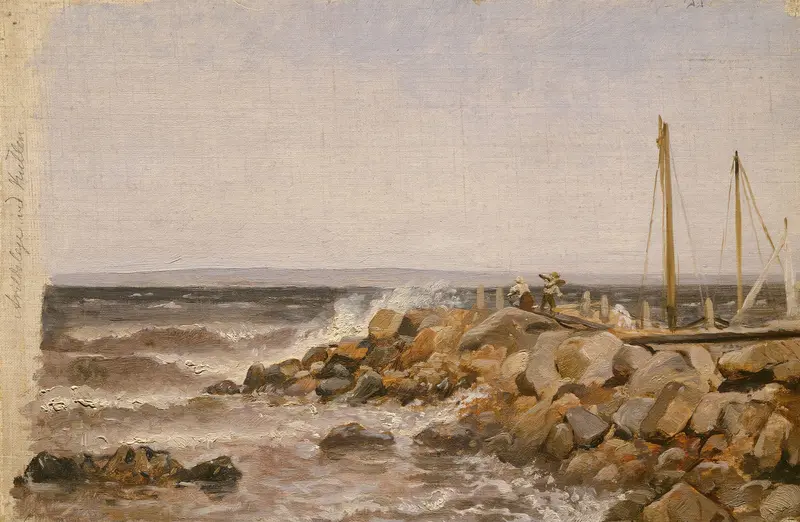
From Kullen in Sweden
Adolph Tidemand
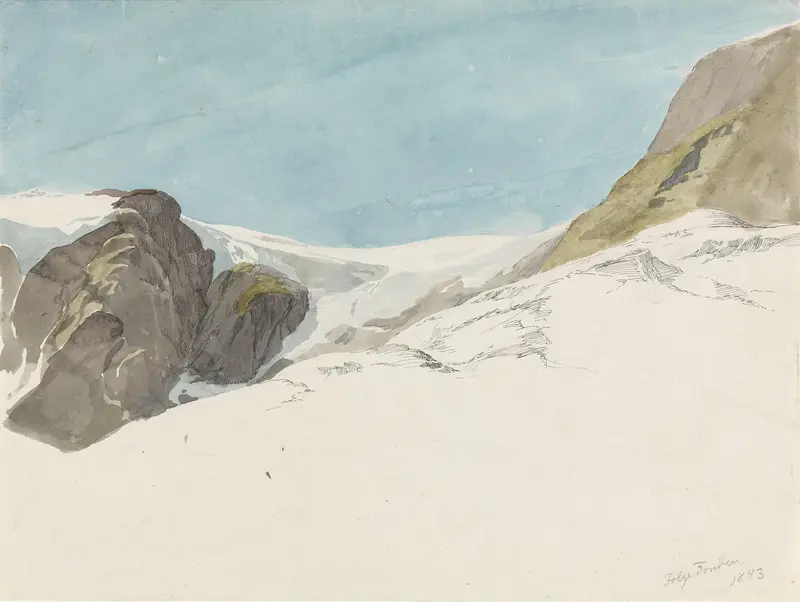
Untitled
Adolph Tidemand





