
Portret van G.F. Westerman — History & Facts
Where does light end, and longing begin? The play of illumination on the canvas invites us to ponder the boundaries between presence and absence, revealing the ache of loss woven into the fabric of memory. Look closely at the figure positioned centrally, a dignified man clad in dark attire, his face partially cloaked in shadow. Focus on the sharp contrast of light illuminating his contemplative expression, highlighting a softness in his gaze that suggests unspoken thoughts. The background fades into muted tones, a deliberate choice that enhances the isolation of the subject, guiding our emotions toward the underlying narrative of solitude. Beneath the surface, the painting captures a palpable tension between hope and despair.
The man’s slightly furrowed brow hints at internal conflict, while the delicate, almost ethereal quality of the light suggests a fleeting moment of connection that he yearns to grasp. The subtle play of textures in his clothing contrasts with the smoothness of his skin, symbolizing the barriers that separate his inner world from the external reality. Each brushstroke bears witness to a profound emotional landscape, where the weight of memory looms heavily. Created during a transformative period in art history, this portrait emerged when Johann Wilhelm Kaiser was deeply engaged in the Romantic movement, exploring themes of individualism and introspection.
Painted between 1823 and 1881, it reflects the growing fascination with psychological depth and identity amid societal changes in Europe. This artwork stands as a testament to his mastery of capturing the complexities of human emotion, reminding us that loss may linger long after light fades.
More Artworks by Johann Wilhelm Kaiser (I)
Browse all →
Portret van Jan van Beieren
Johann Wilhelm Kaiser (I)
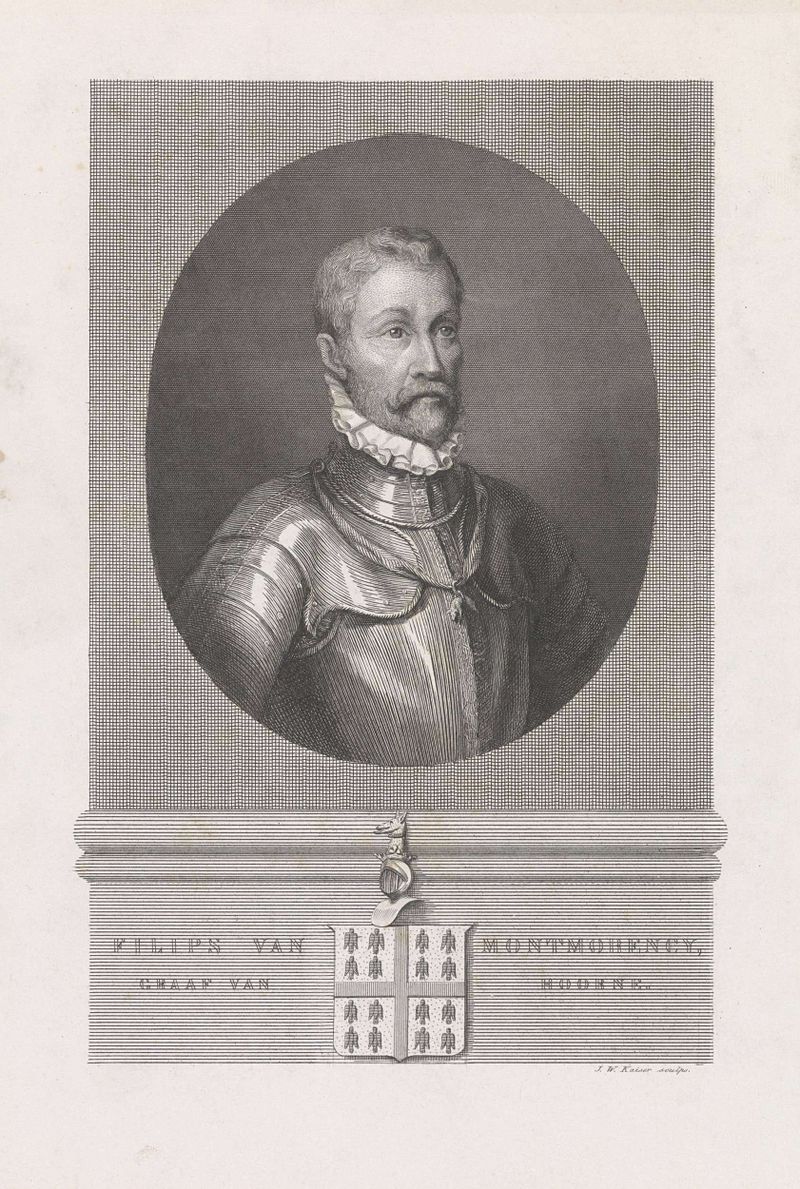
Portret van Philips van Montmorency, graaf van Horne
Johann Wilhelm Kaiser (I)
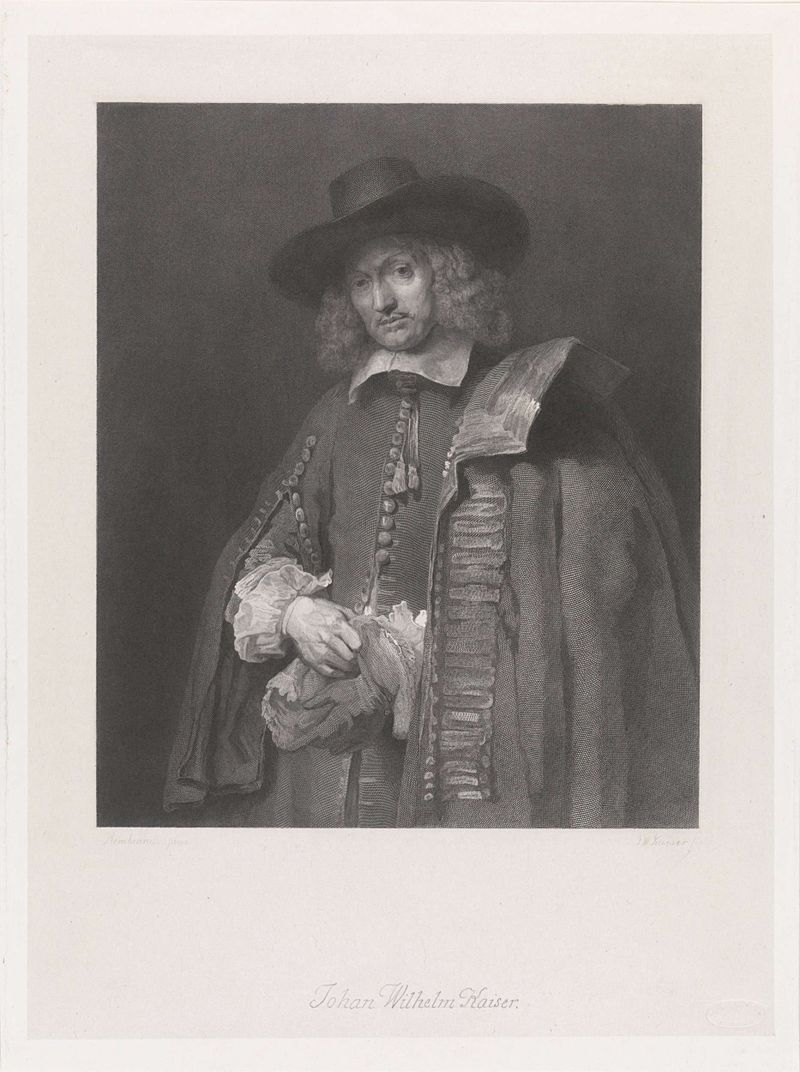
Portret van Jan Six
Johann Wilhelm Kaiser (I)
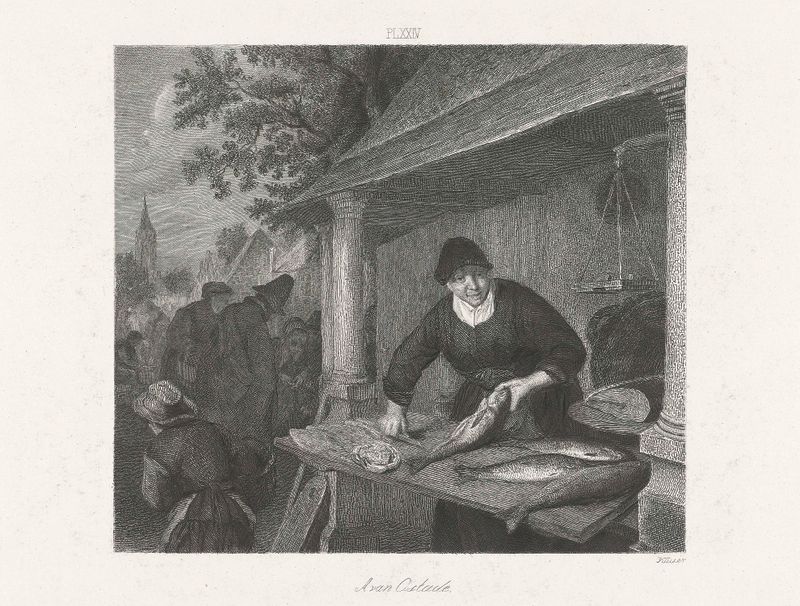
Visverkoopster
Johann Wilhelm Kaiser (I)
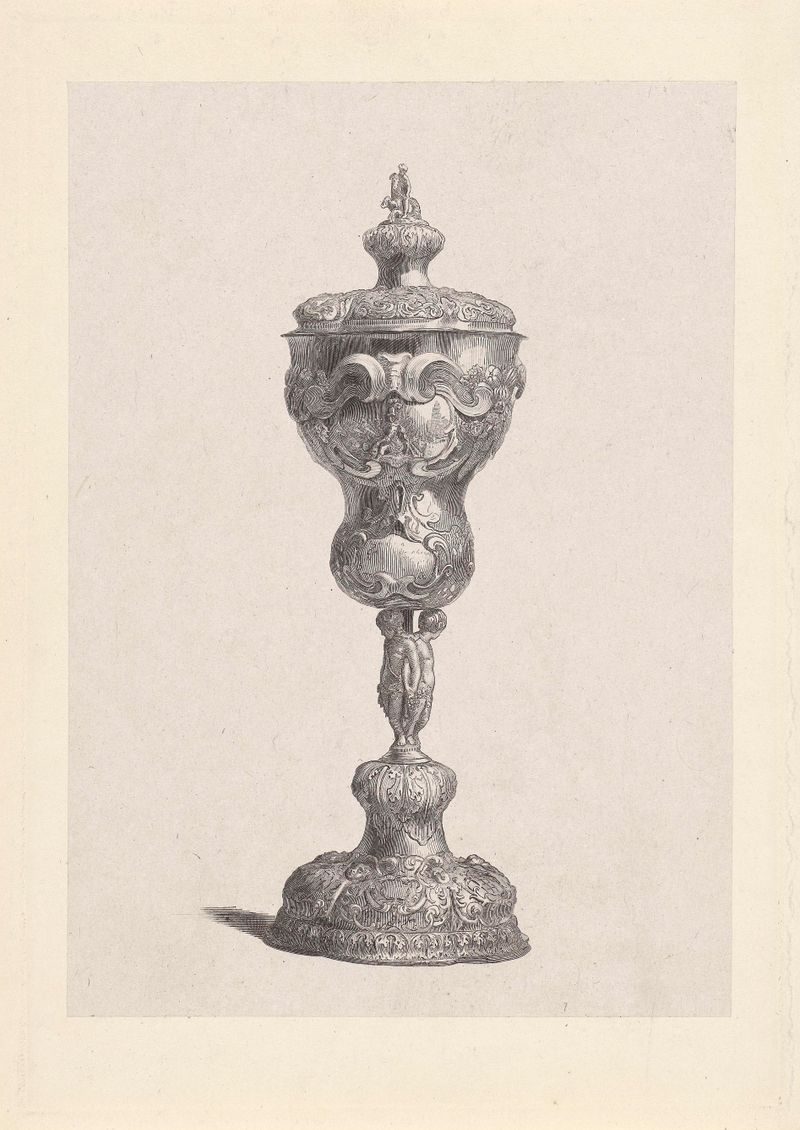
Studie van een zilveren beker
Johann Wilhelm Kaiser (I)

Winterlandschap met toren
Johann Wilhelm Kaiser (I)

Interieur met drie personen
Johann Wilhelm Kaiser (I)
More Portrait Art
Browse all →
Las meninas
Diego Velázquez

Self-portrait with a Bandaged Ear and Pipe
Unidentified artist

Girl with a Pearl Earring
Johannes Vermeer

The Sampling Officials of the Amsterdam Drapers’ Guild, Known as ‘The Syndics’
Rembrandt van Rijn

The Hundred Guilder Print: the man seen on the back in the lower left corner
Rembrandt van Rijn

Portrait of Dr Gachet
Vincent van Gogh