
Visverkoopster — History & Facts
In Visverkoopster, the delicate interplay between life and mortality unfurls before our eyes, inviting contemplation of the ephemeral nature of existence. Focus on the central figure, a fishmonger poised by her stall, the vivid array of aquatic life cascading around her. Notice how the light dances across the shimmering scales of the fish, illuminating the vibrant oranges and deep blues, while shadow drapes softly over her weathered hands. These hands, marked by labor, cradle the very essence of life; they speak of a connection to nature and survival that transcends mere commerce. The composition reveals a poignant contrast between abundance and the inevitable decay that accompanies it.
The fish, glistening with freshness, represent vitality, while the slight desaturation of the background hints at the passage of time and the certainty of loss. The subject’s solemn expression juxtaposes the lively products of her trade, elevating the scene into a meditation on the duality of existence. Even in the hustle of market life, there lies a moment for reflection, an acknowledgment of the transience of all things. Created during a period of societal change in the late 19th century, this work reflects Johann Wilhelm Kaiser (I)’s deep engagement with contemporary life in his homeland of Germany.
He painted Visverkoopster amidst the rise of naturalism in art, influenced by the burgeoning realism that was capturing the complexities of everyday life. It serves as an intimate snapshot of a world on the brink of modernity, where tradition and mortality intersect in the human experience.
More Artworks by Johann Wilhelm Kaiser (I)
Browse all →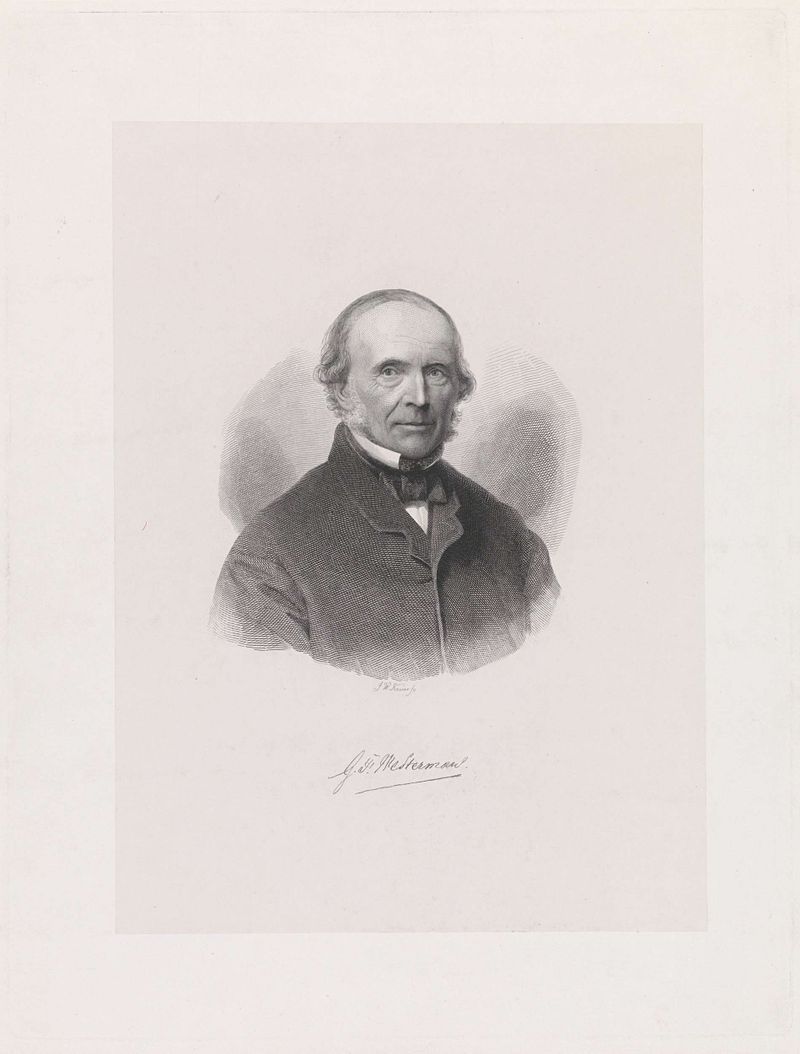
Portret van G.F. Westerman
Johann Wilhelm Kaiser (I)

Portret van Jan van Beieren
Johann Wilhelm Kaiser (I)
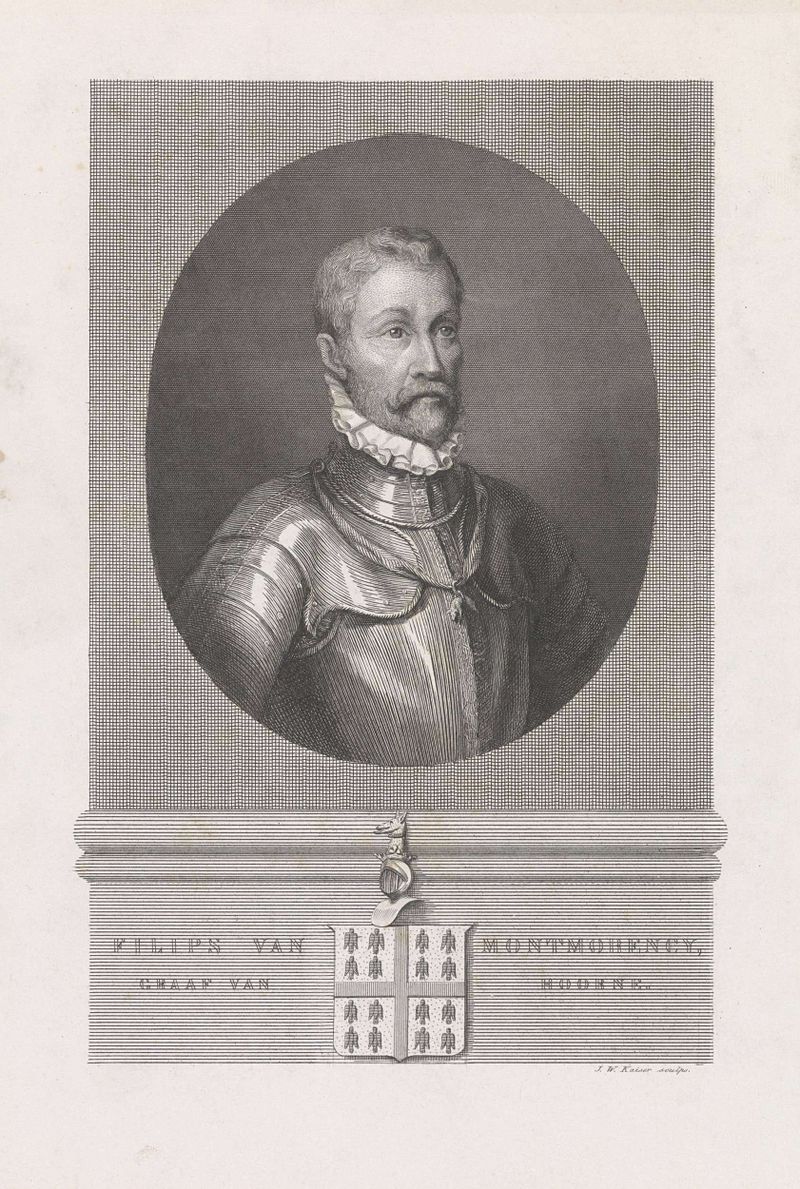
Portret van Philips van Montmorency, graaf van Horne
Johann Wilhelm Kaiser (I)
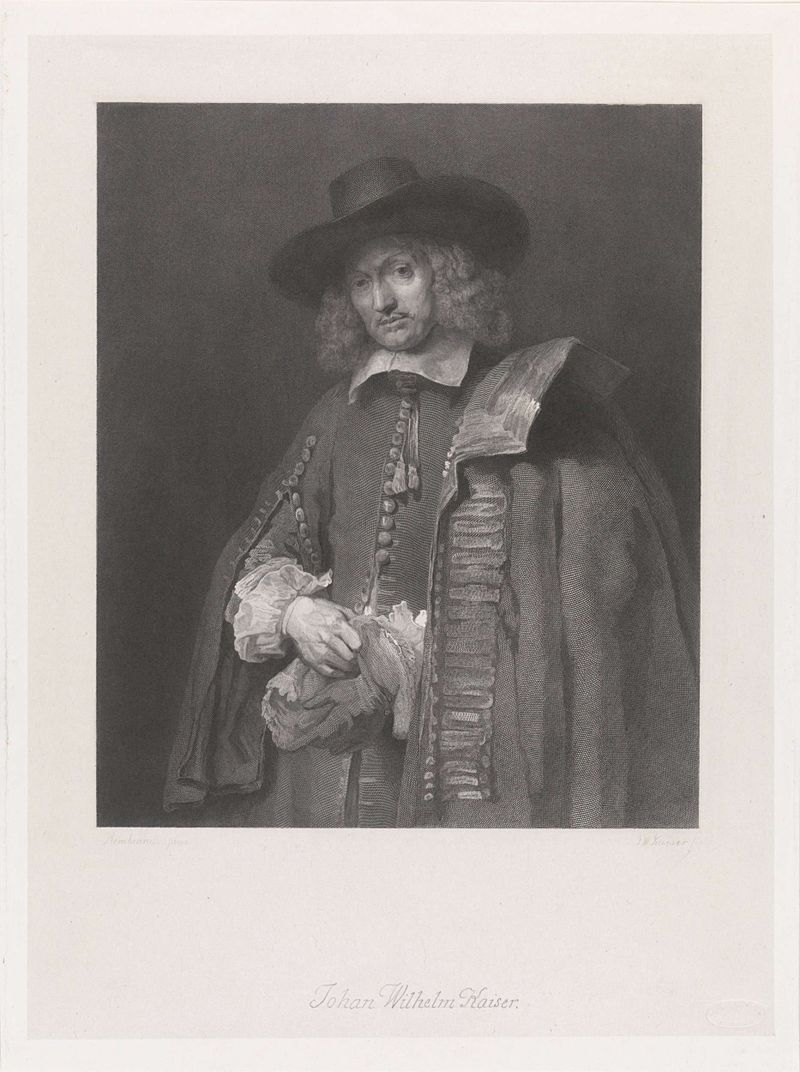
Portret van Jan Six
Johann Wilhelm Kaiser (I)
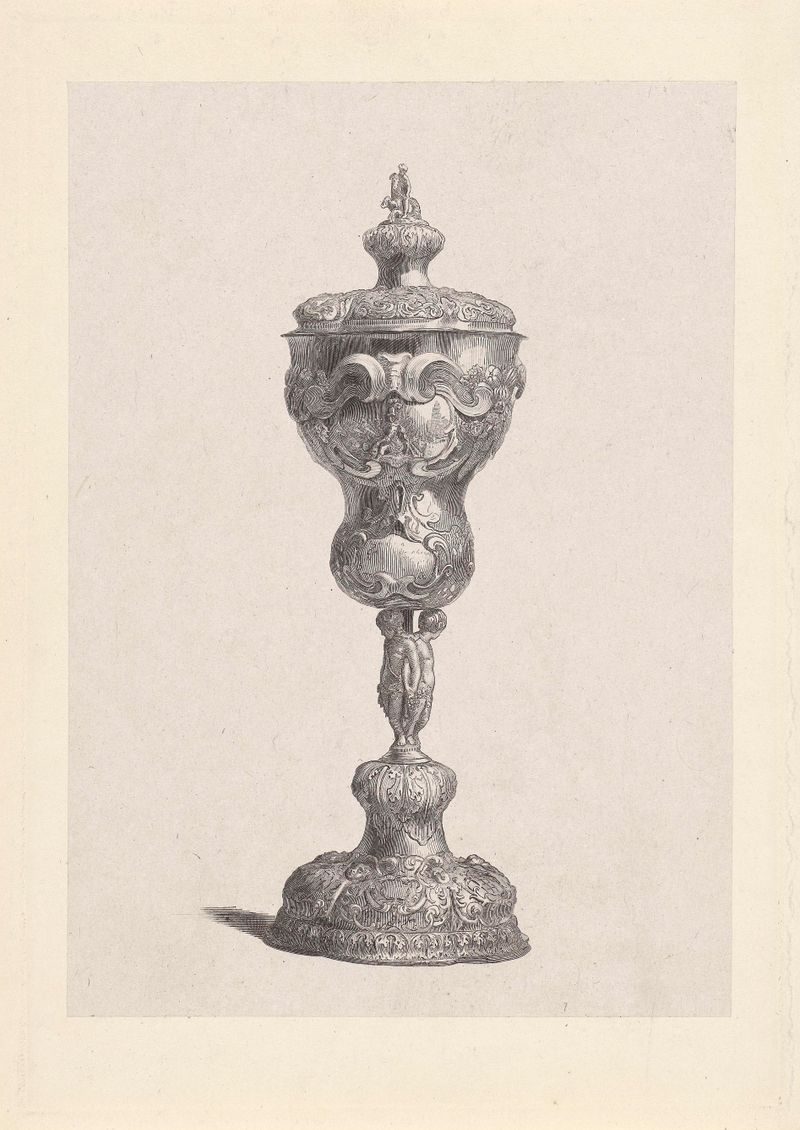
Studie van een zilveren beker
Johann Wilhelm Kaiser (I)

Winterlandschap met toren
Johann Wilhelm Kaiser (I)

Interieur met drie personen
Johann Wilhelm Kaiser (I)





