
Winterlandschap met toren — History & Facts
The landscape whispers a poignant tale of loss, beckoning the viewer to delve deeper into its intricate layers. Look to the horizon where a slender tower rises against the swirling winter sky, its silhouette stark against the palette of muted whites and silvery grays. The snow blankets the earth, and in the foreground, delicate brushstrokes suggest a frozen stillness, interrupted only by the gentle curve of a winding path. The cold light casts an ethereal glow, illuminating the starkness while inviting a sense of solitude. Yet, beneath the surface tranquility lies a profound tension.
The tower, though a symbol of resilience, stands as a lonely sentinel amidst the barren landscape, echoing the grief of abandoned hopes. The absence of life in this vast expanse speaks volumes, creating a sense of mourning for what once thrived. The contrasting softness of the snow against the rigid structure evokes a struggle between beauty and desolation, reminding the viewer of the vulnerability that lies beneath nature's splendor. Created during the late 19th century, this piece emerged from the hand of an artist who lived through significant cultural shifts in Europe.
Johann Wilhelm Kaiser painted this work amid a burgeoning interest in Romanticism, a movement that sought to explore emotion and individualism, often highlighting themes of nature's beauty intertwined with human experience. In this period of artistic evolution, Kaiser found a reflection of his own emotional landscape, capturing the essence of grief woven into the fabric of the natural world.
More Artworks by Johann Wilhelm Kaiser (I)
Browse all →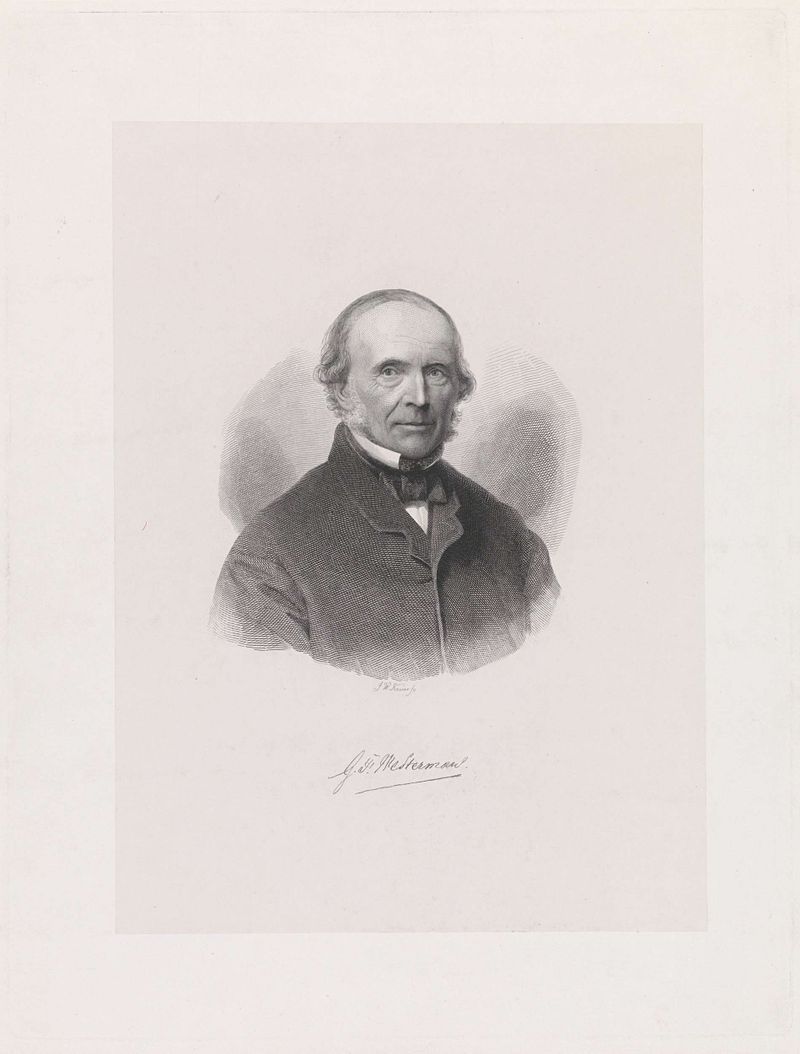
Portret van G.F. Westerman
Johann Wilhelm Kaiser (I)

Portret van Jan van Beieren
Johann Wilhelm Kaiser (I)
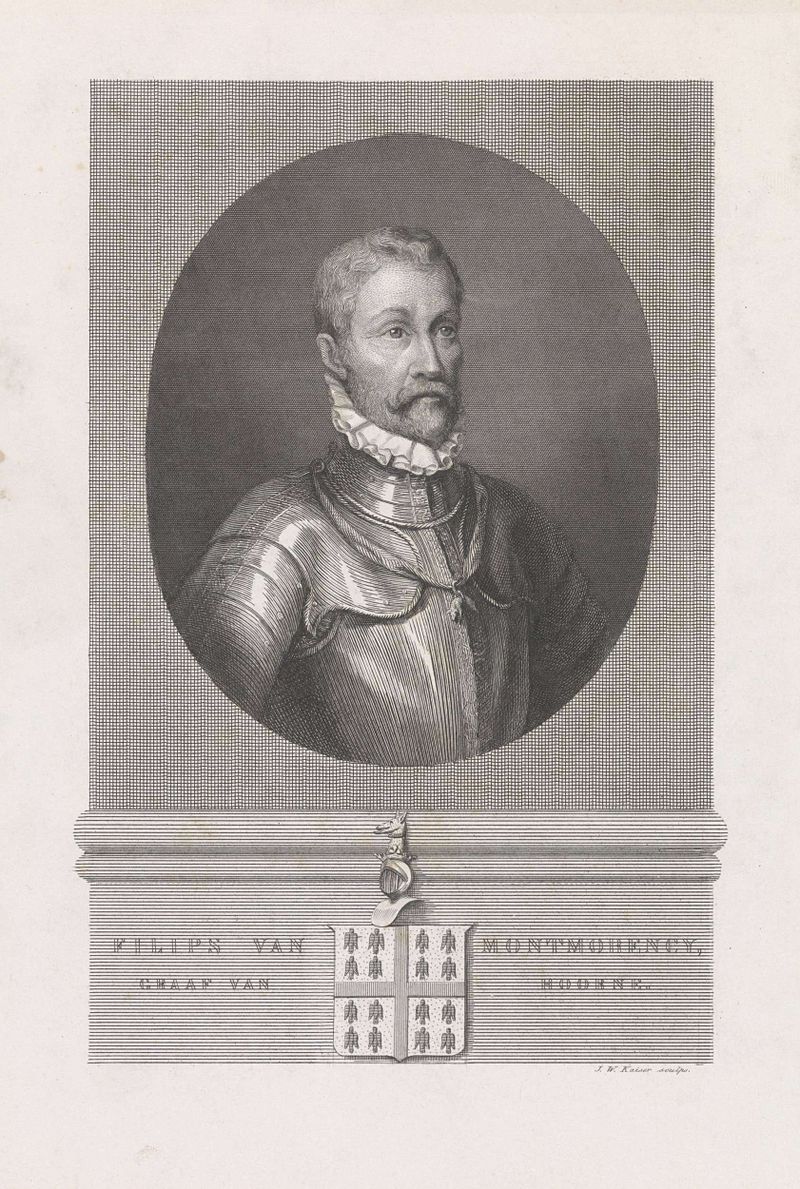
Portret van Philips van Montmorency, graaf van Horne
Johann Wilhelm Kaiser (I)
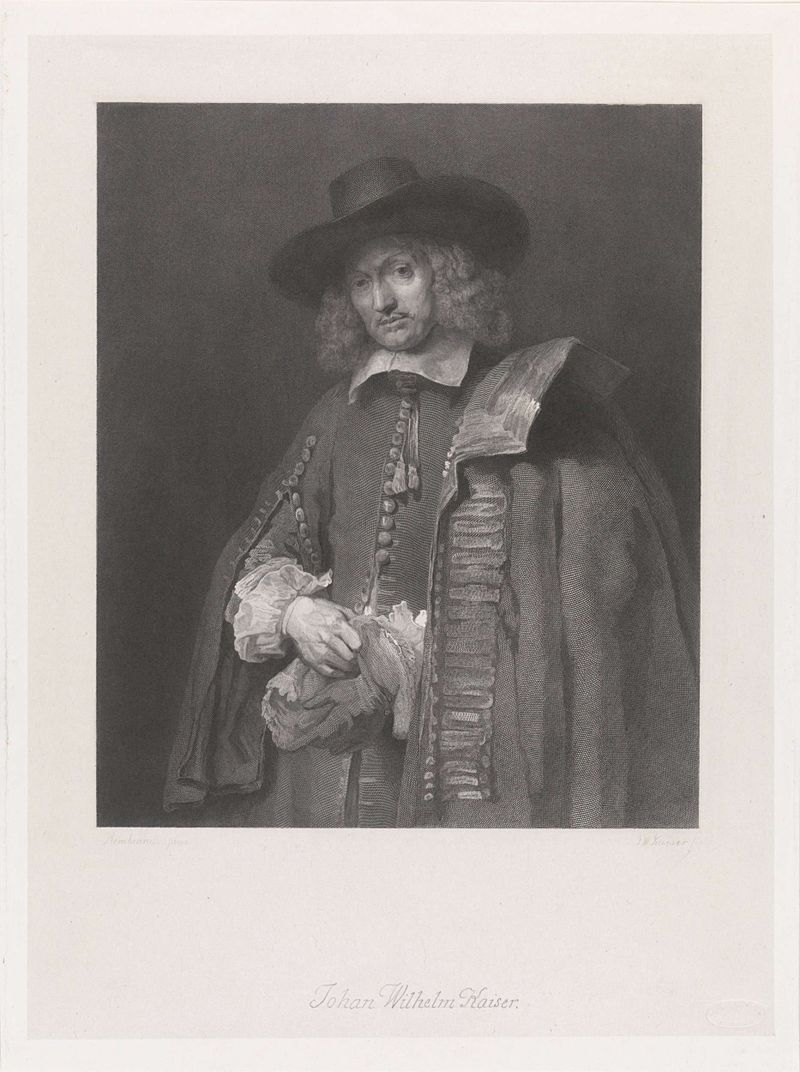
Portret van Jan Six
Johann Wilhelm Kaiser (I)
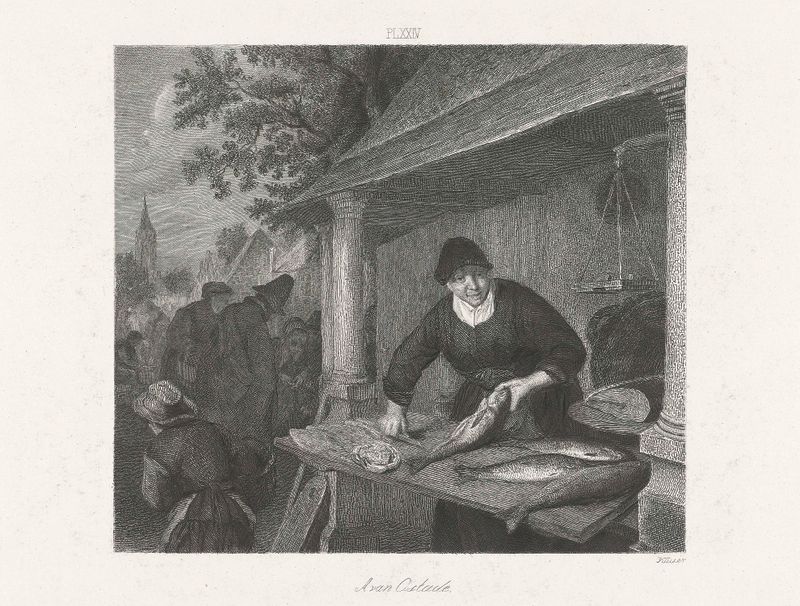
Visverkoopster
Johann Wilhelm Kaiser (I)
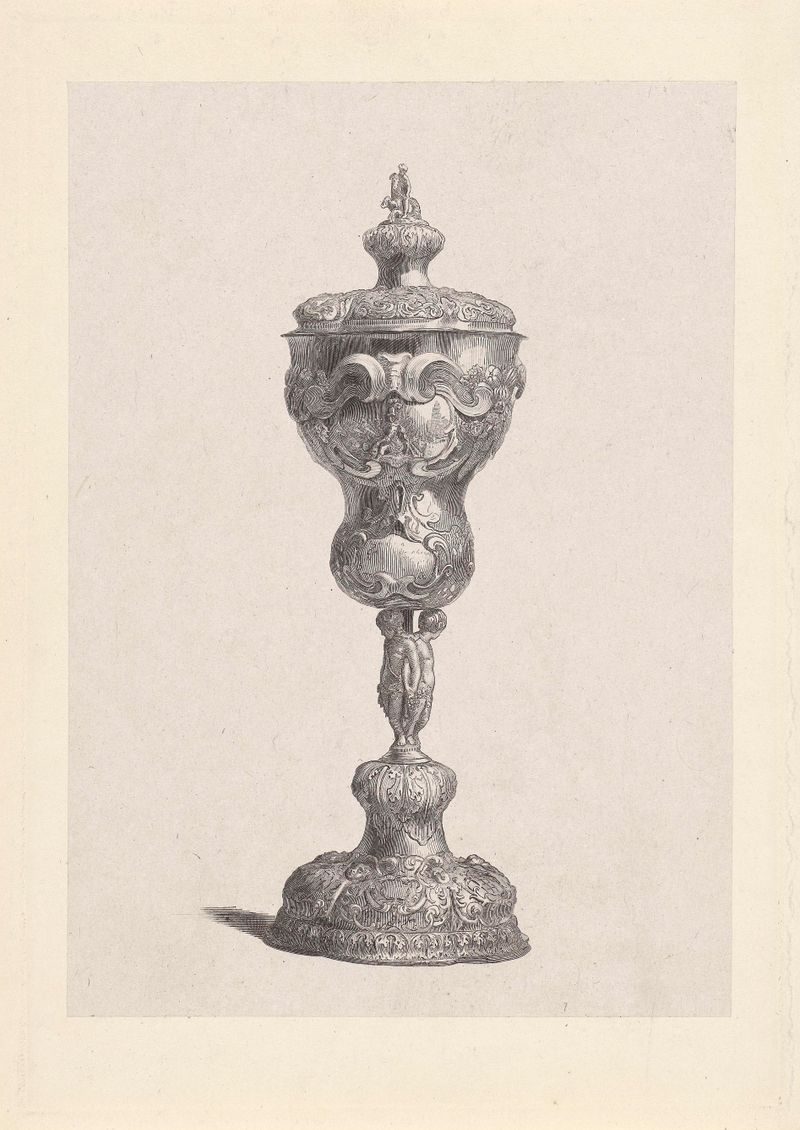
Studie van een zilveren beker
Johann Wilhelm Kaiser (I)

Interieur met drie personen
Johann Wilhelm Kaiser (I)





