
Portret van Philips van Montmorency, graaf van Horne — History & Facts
What if beauty was never meant to be finished? This thought lingers as one gazes upon the dignified figure of the Count of Horne, rendered with meticulous detail and an aura of timelessness. The painting invites us to explore the essence of a man captured at a moment in time, yet perpetually alive in spirit and intent. Focus first on the count’s piercing gaze, brimming with authority and vulnerability. Notice the rich textures of his attire, where layers of fabric shimmer under the artist’s careful brushwork.
The deep, muted colors speak to a sense of gravitas, while the light caresses his features, emphasizing the gentle yet assertive contours of his face. The backdrop, subdued and elegant, serves to magnify his presence, drawing the viewer into an intimate dialogue with the subject. In this portrait, contrasts abound. The sharp, confident lines of the count's profile juxtapose against the softness of the shadows that cradle his visage, hinting at the duality of power and fragility.
One can sense the weight of history in his expression, a man of stature navigating the complexities of his time. Subtle elements like the delicate embellishments on his clothing and the careful rendering of his hands reveal the interwoven themes of responsibility and artistry, encapsulating the intricate dance between identity and legacy. Created between 1840 and 1884, this work emerged during a period of significant artistic transition in Europe, where realism began to dominate the scene. Kaiser’s portrayal of the Count of Horne reflects not only the technical mastery of the time but also a rich historical context, as Europe grappled with upheaval and change.
Living in a world where art was evolving rapidly, Kaiser captured not just a figure, but the essence of an era, immortalizing the count’s legacy for generations to ponder.
More Artworks by Johann Wilhelm Kaiser (I)
Browse all →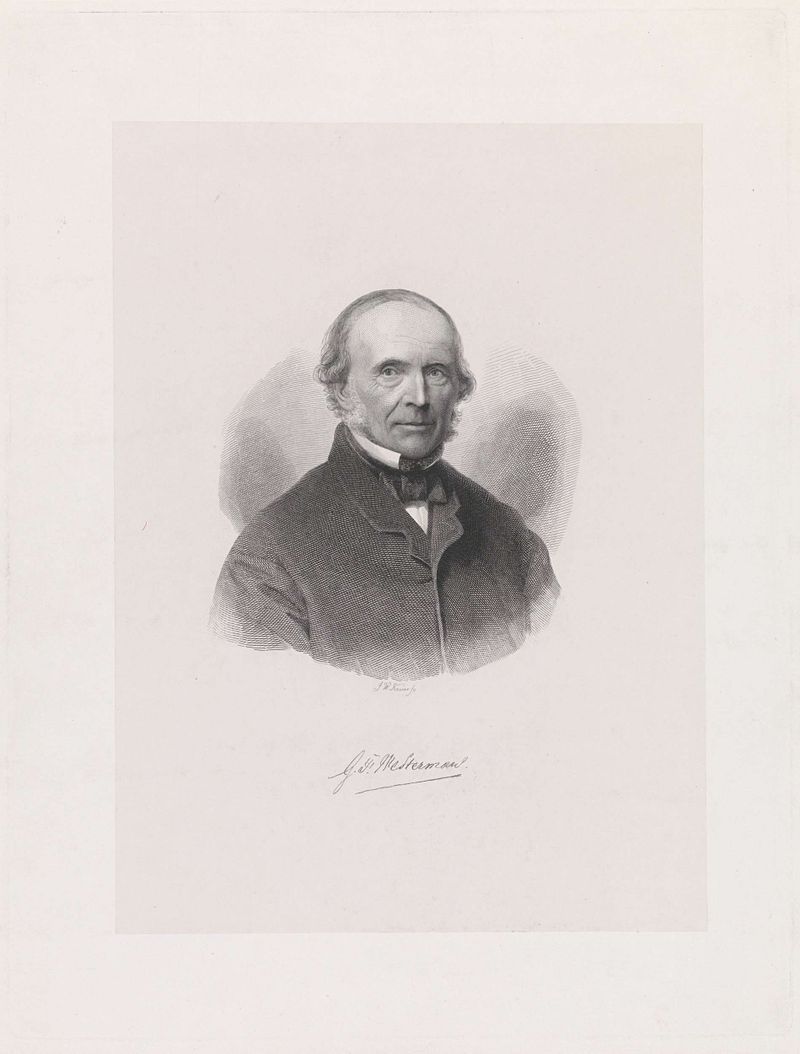
Portret van G.F. Westerman
Johann Wilhelm Kaiser (I)

Portret van Jan van Beieren
Johann Wilhelm Kaiser (I)
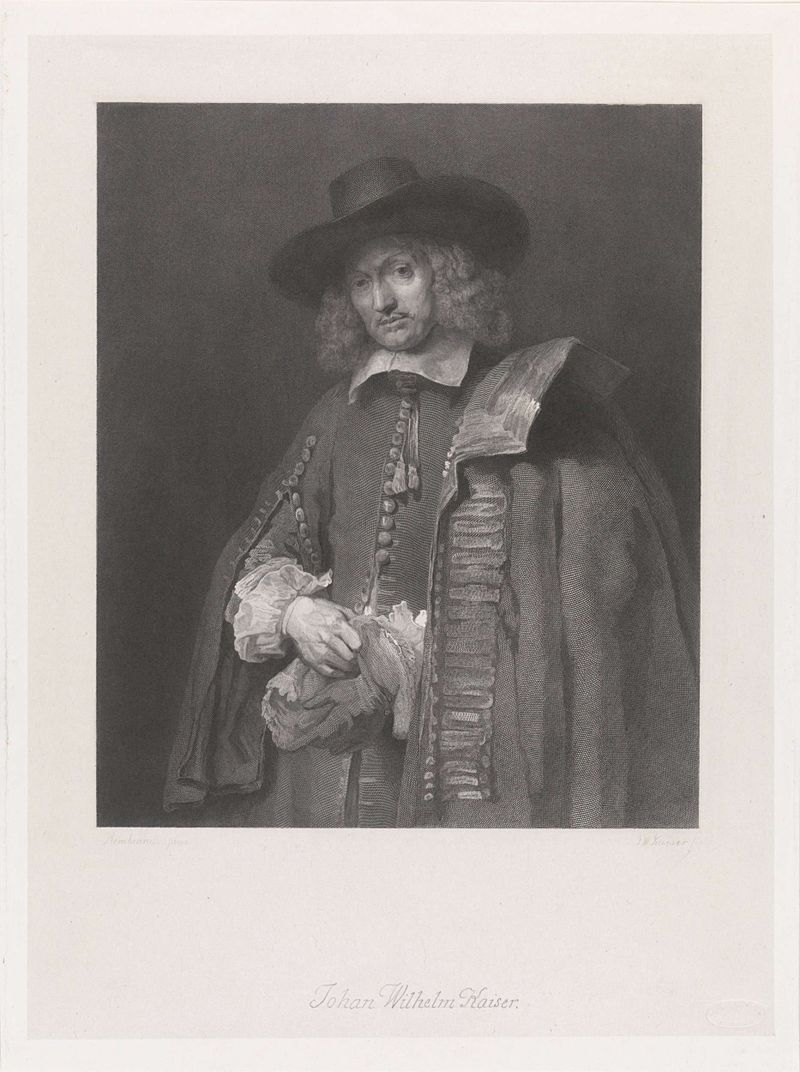
Portret van Jan Six
Johann Wilhelm Kaiser (I)
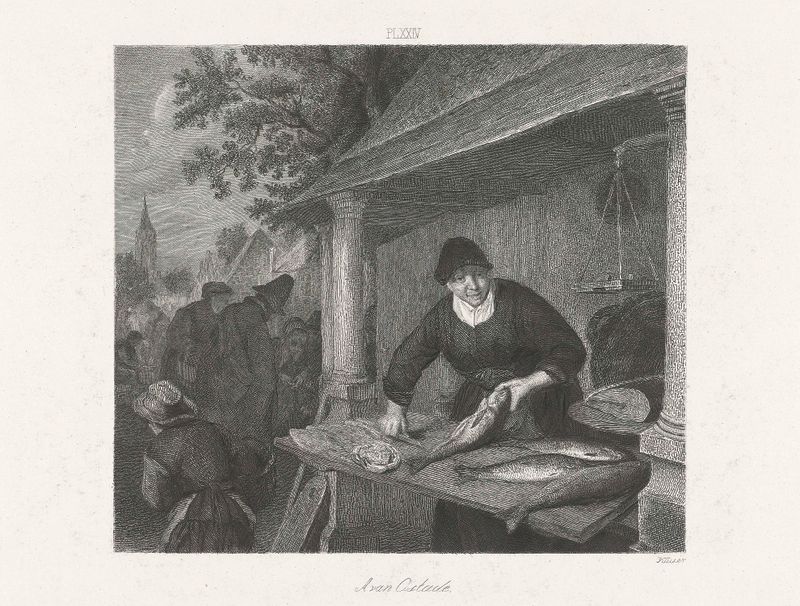
Visverkoopster
Johann Wilhelm Kaiser (I)
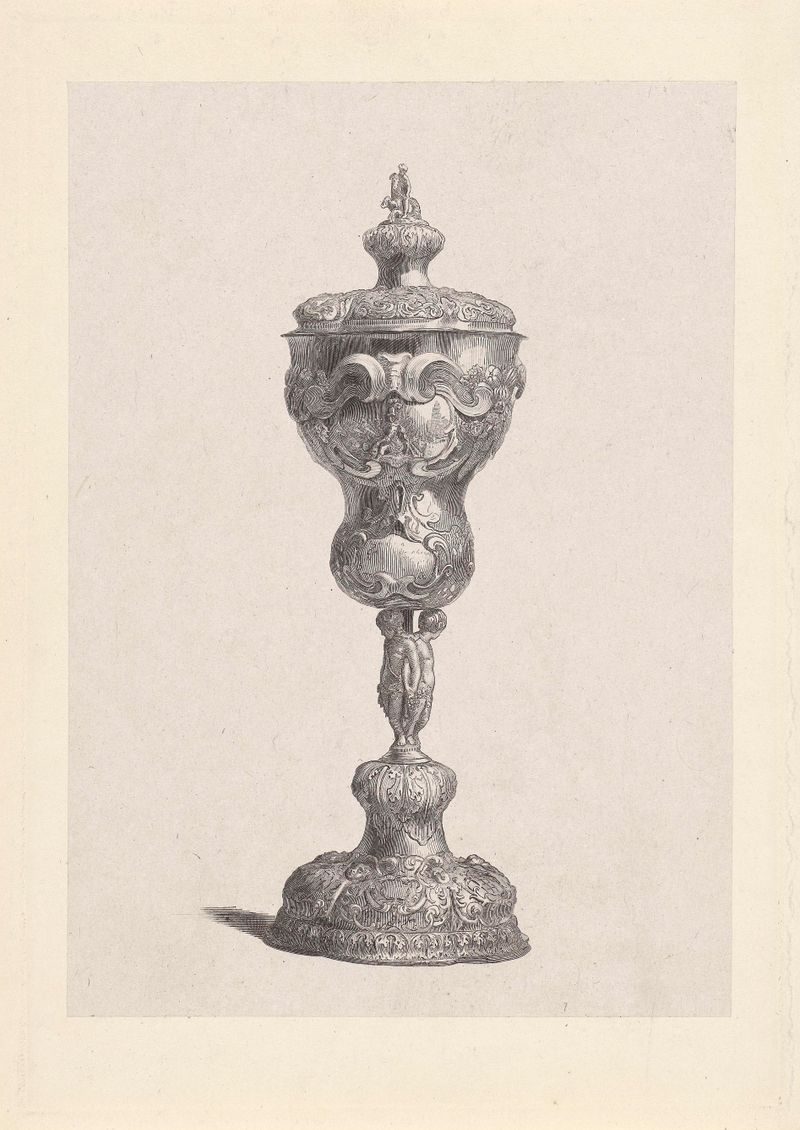
Studie van een zilveren beker
Johann Wilhelm Kaiser (I)

Winterlandschap met toren
Johann Wilhelm Kaiser (I)

Interieur met drie personen
Johann Wilhelm Kaiser (I)
More Portrait Art
Browse all →
Las meninas
Diego Velázquez

Self-portrait with a Bandaged Ear and Pipe
Unidentified artist

Girl with a Pearl Earring
Johannes Vermeer

The Sampling Officials of the Amsterdam Drapers’ Guild, Known as ‘The Syndics’
Rembrandt van Rijn

The Hundred Guilder Print: the man seen on the back in the lower left corner
Rembrandt van Rijn

Portrait of Dr Gachet
Vincent van Gogh