Studie van een zilveren beker — History & Facts
Could a single brushstroke hold eternity? In Studie van een zilveren beker, balance dances delicately between light and form, inviting viewers to ponder the harmony within everyday objects. Look to the center at the gleaming silver cup, its surface a mirror reflecting the subtleties of the surrounding space. The artist employs a meticulous technique, layering glazes that reveal the intricate play of light on the cup’s polished curve. Notice how the background, softly blurred yet rich in color, enhances the cup’s luminosity, creating a dialogue between foreground and background that speaks to the essence of still life. Hidden within the painting are contrasts that reveal deeper emotional truths.
The pristine sheen of the silver juxtaposes the muted tones of its surroundings, suggesting a tension between material beauty and the impermanence of life. The careful placement of shadows gives the cup weight, grounding its elegance in a world that often overlooks the ordinary. Each brushstroke, both intentional and spontaneous, reflects the artist's mastery and contemplation on the balance of aesthetics and reality. Johann Wilhelm Kaiser (I) painted Studie van een zilveren beker in 1823, during a period marked by a resurgence of interest in neoclassical and romantic ideals within the art community.
Living in the Netherlands, he was influenced by the prevailing trends that admired both realism and the beauty of everyday life. His works encapsulate the essence of a time when artists sought to elevate ordinary subjects, bringing forth their inherent elegance through technique and perspective.
More Artworks by Johann Wilhelm Kaiser (I)
Browse all →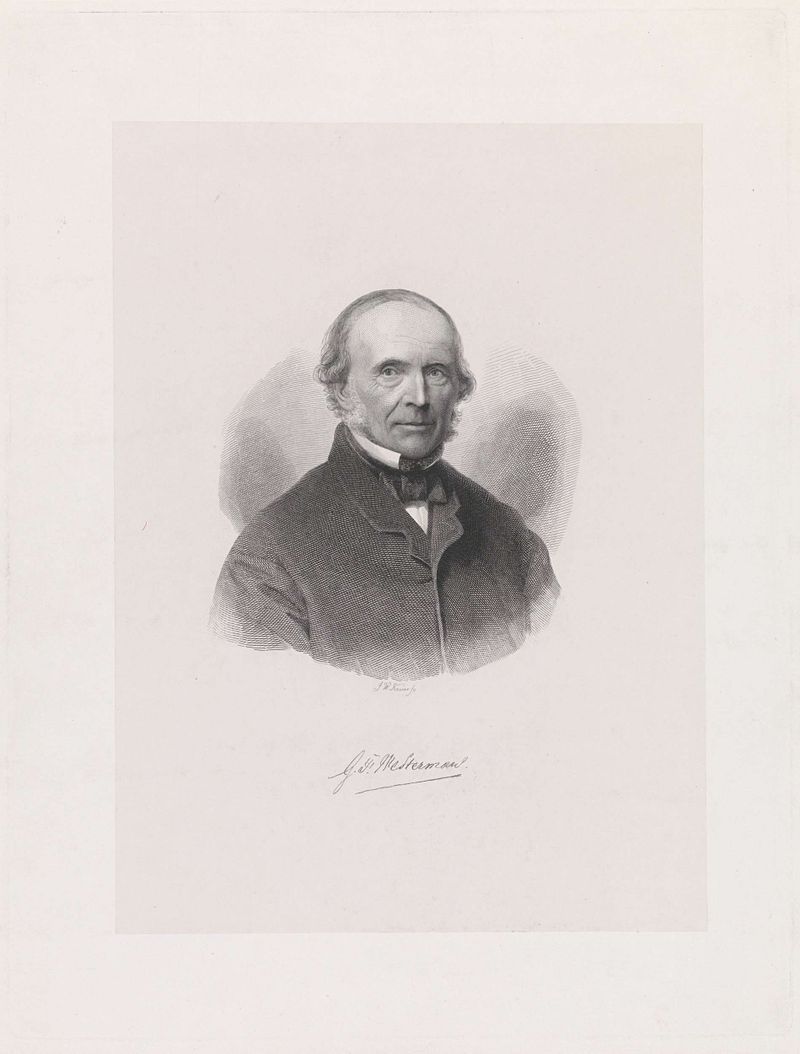
Portret van G.F. Westerman
Johann Wilhelm Kaiser (I)

Portret van Jan van Beieren
Johann Wilhelm Kaiser (I)
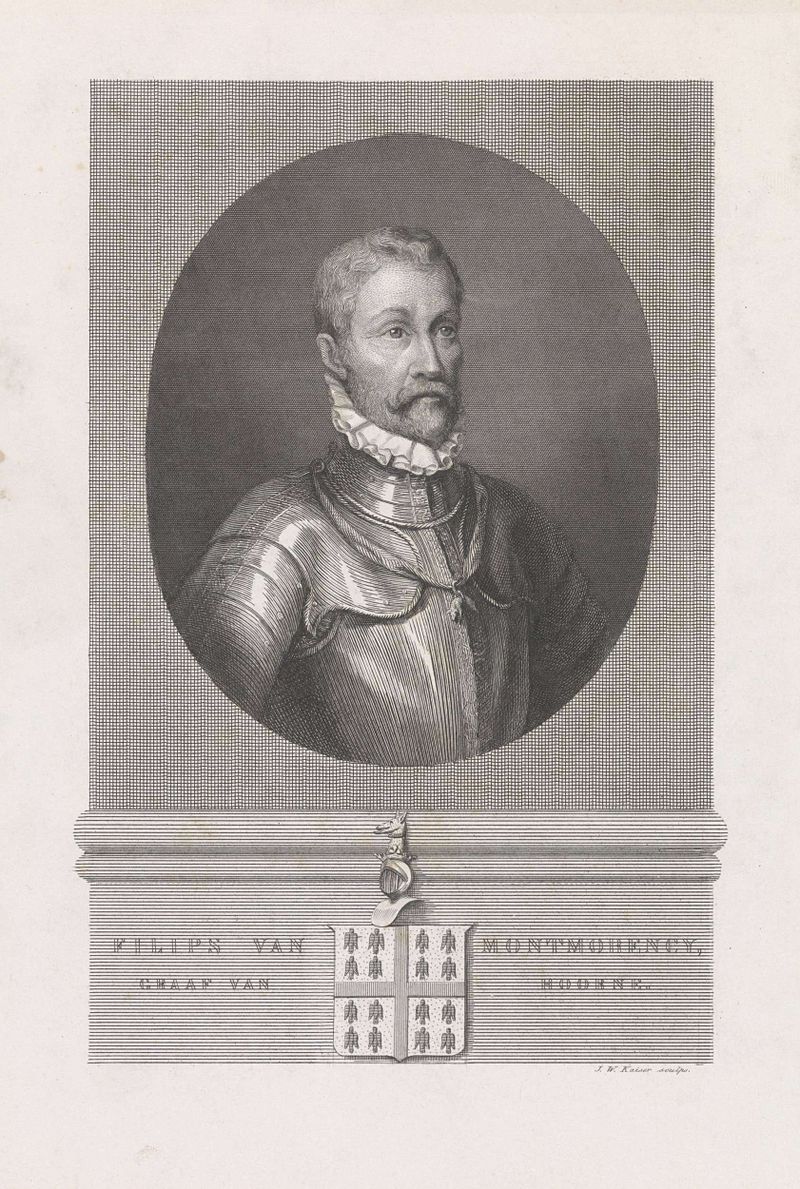
Portret van Philips van Montmorency, graaf van Horne
Johann Wilhelm Kaiser (I)
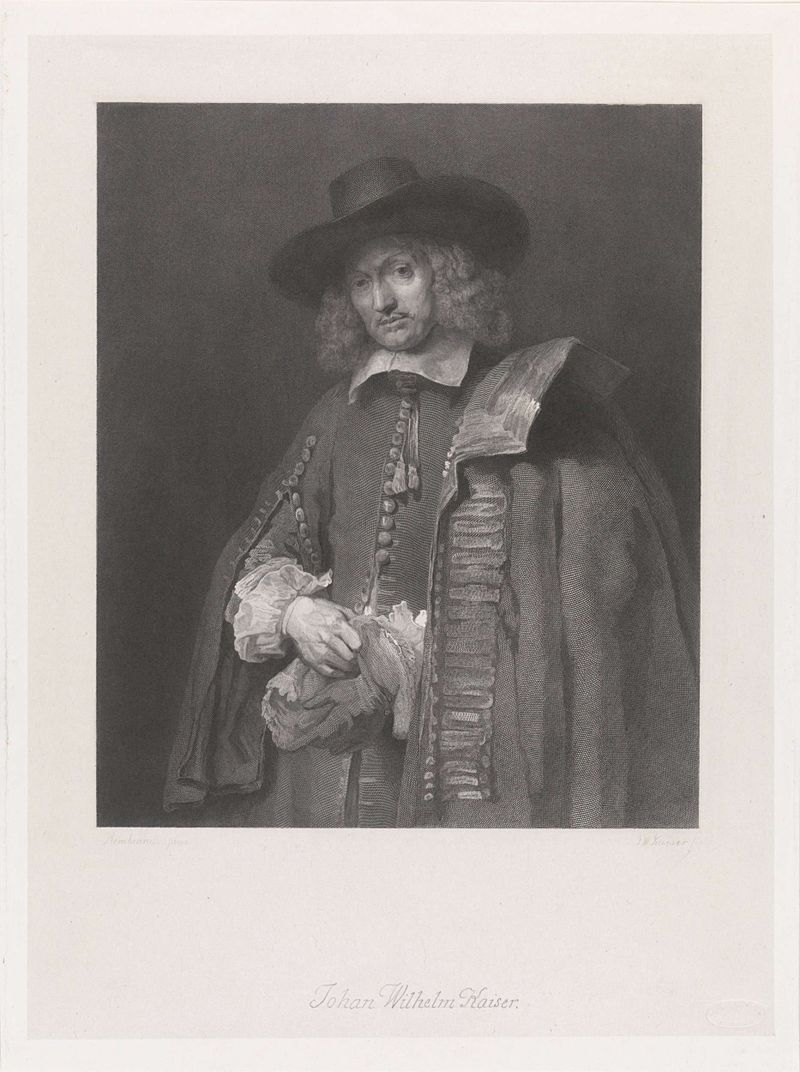
Portret van Jan Six
Johann Wilhelm Kaiser (I)
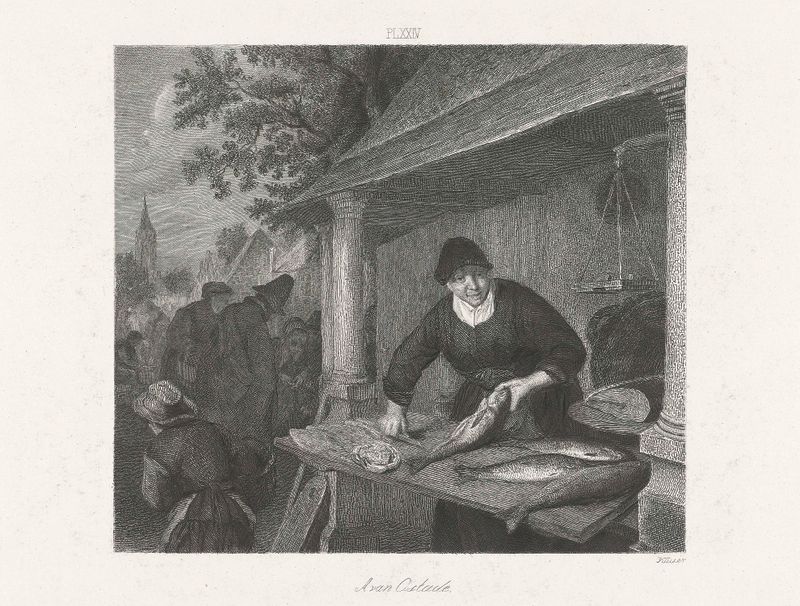
Visverkoopster
Johann Wilhelm Kaiser (I)

Winterlandschap met toren
Johann Wilhelm Kaiser (I)

Interieur met drie personen
Johann Wilhelm Kaiser (I)