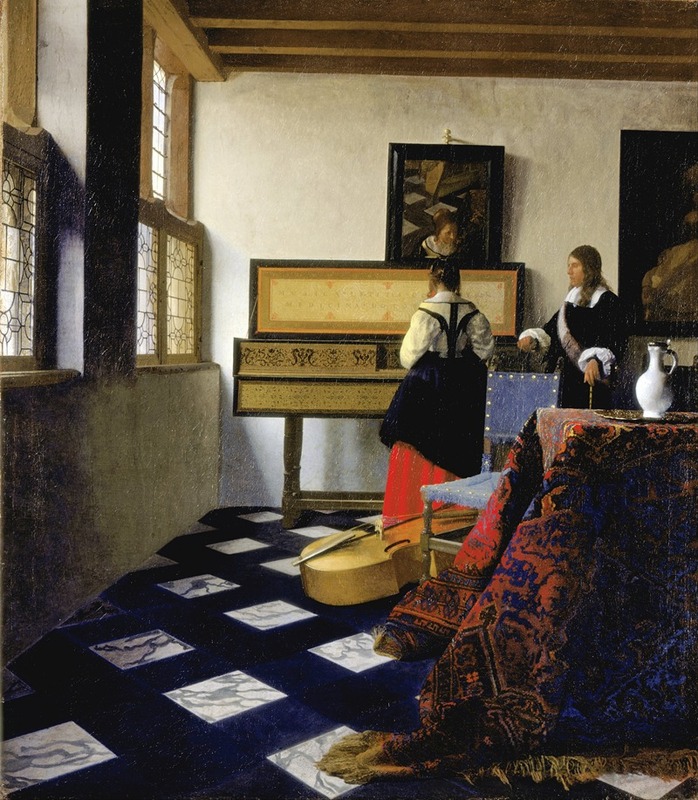
Interieur met drie personen — History & Facts
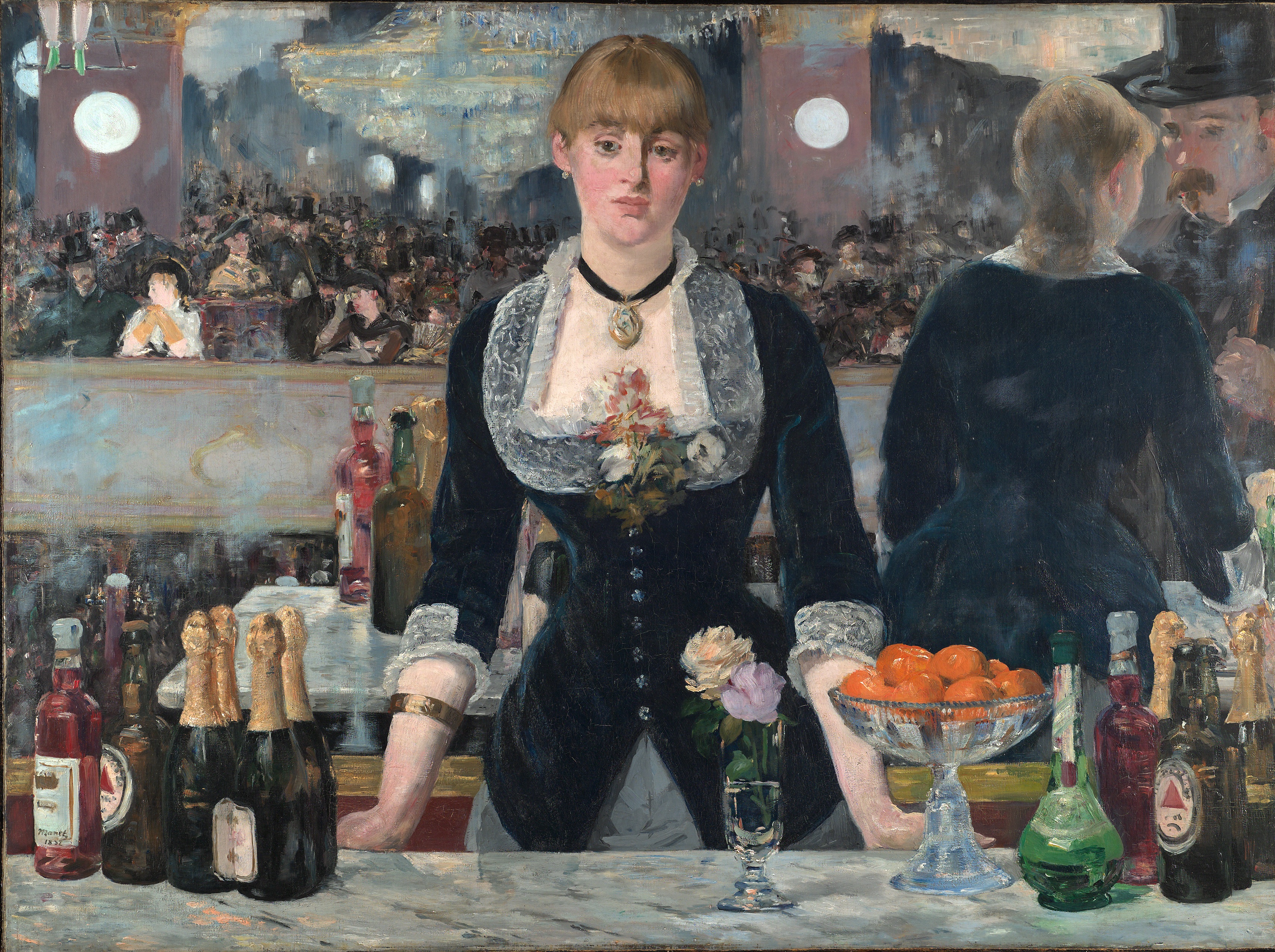
In this intimate setting, the weight of unspoken truths lingers in the air, revealing the undercurrents of human emotion wrapped in decay. Look to the right at the slender figure clad in muted tones, her gaze cast downward, hinting at the burden of her thoughts. Focus on the subtle interplay of light filtering through the dusty window, casting soft shadows that outline the contours of the room. Notice how the diminishing vibrancy of the colors mirrors the waning vitality of the lives being led within these four walls, with the artist employing delicate brushwork to evoke a sense of both comfort and melancholy. The positioned figures evoke a palpable tension, each lost in their own world yet bound by shared experience.
The decaying furniture, with its fading upholstery and weathered surfaces, metaphorically represents the passage of time and the fragility of human connections. This ambiance of decay is not only physical but emotional, suggesting that intimacy can harbor a quiet despair alongside the warmth of companionship. Johann Wilhelm Kaiser (I) painted this work in 1856 amidst a European landscape rife with social and political shifts. At a time when realism began to gain traction, Kaiser focused on domestic interiors, capturing the subtleties of everyday life.
His exploration of intimate spaces often reflected the complexities of human relationships, making his work resonate with the tensions of the era while offering a poignant look into personal solitude.
More Artworks by Johann Wilhelm Kaiser (I)
Browse all →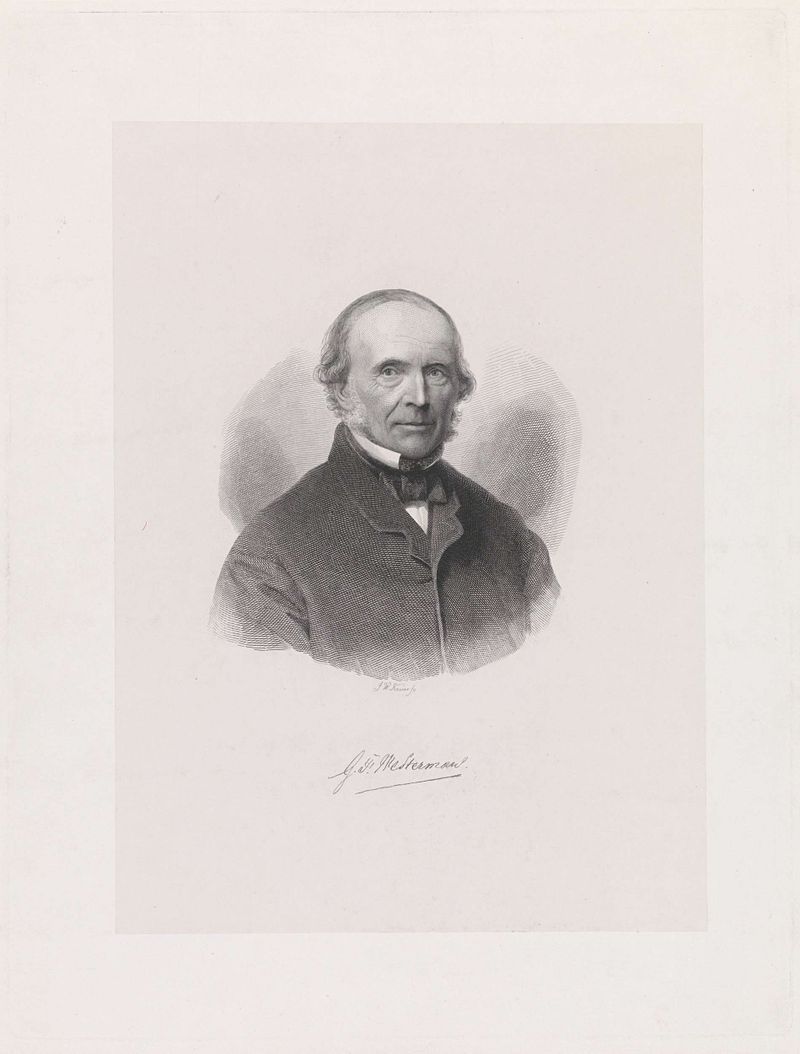
Portret van G.F. Westerman
Johann Wilhelm Kaiser (I)

Portret van Jan van Beieren
Johann Wilhelm Kaiser (I)
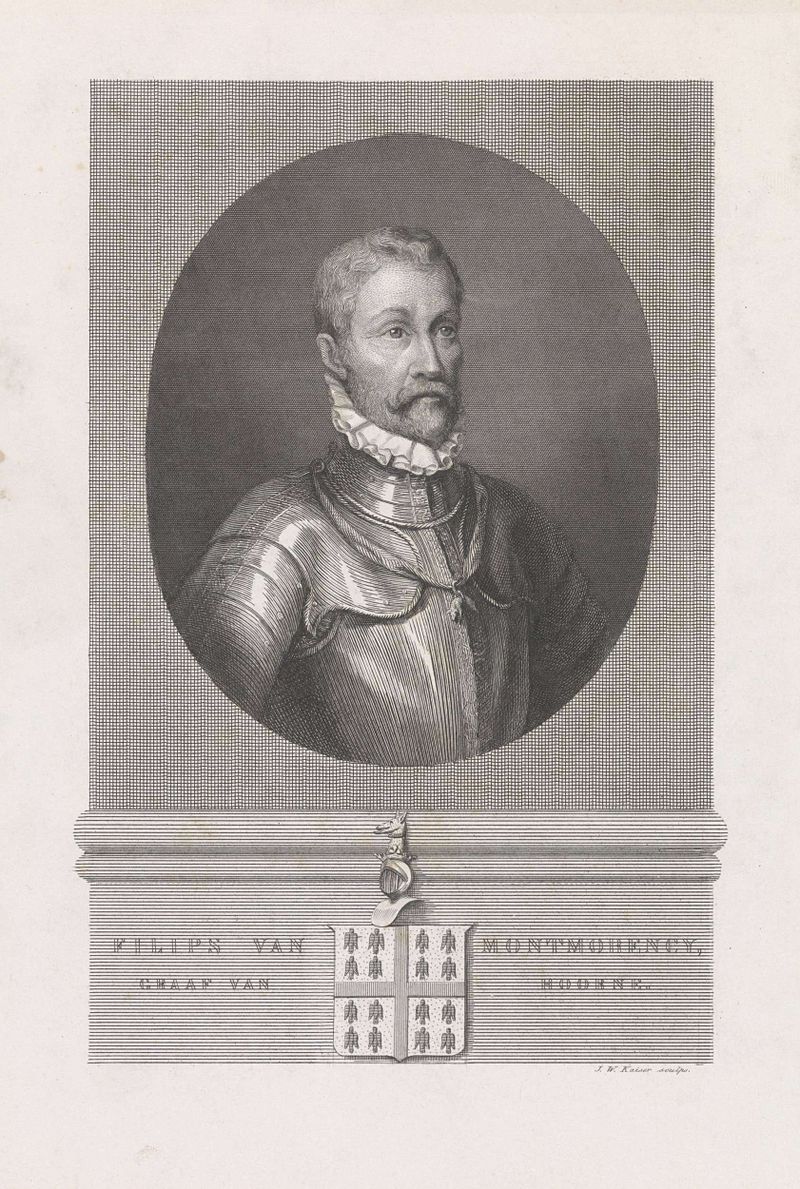
Portret van Philips van Montmorency, graaf van Horne
Johann Wilhelm Kaiser (I)
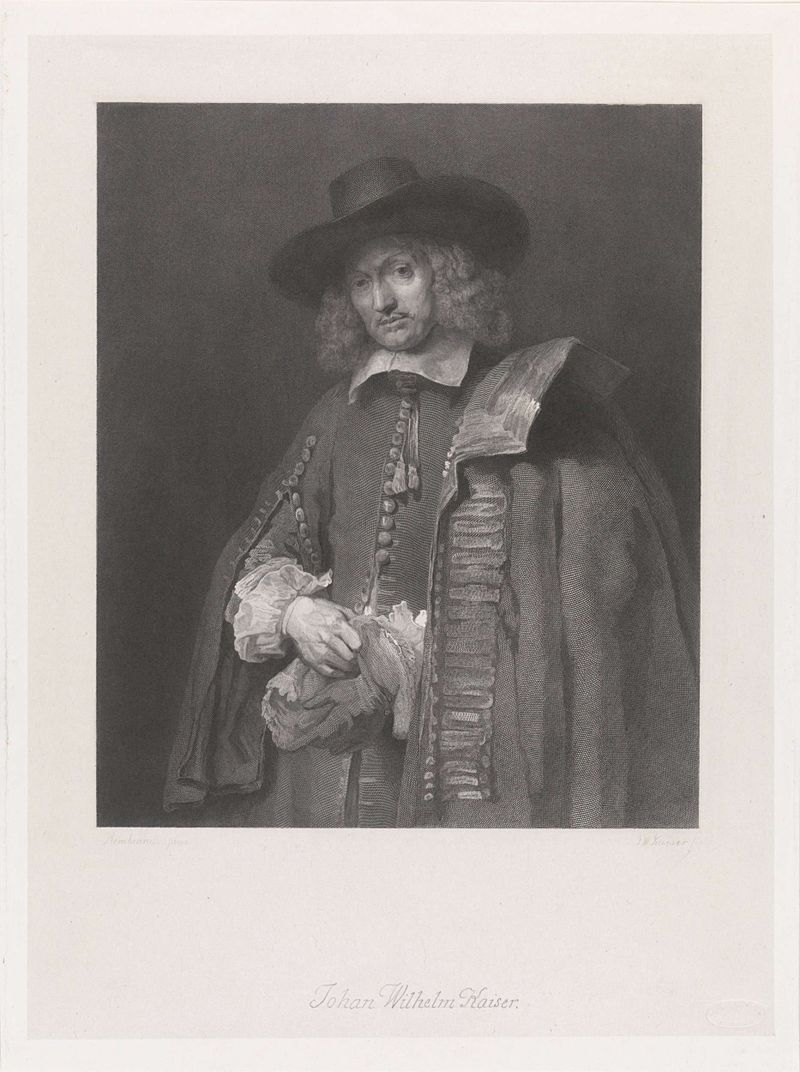
Portret van Jan Six
Johann Wilhelm Kaiser (I)
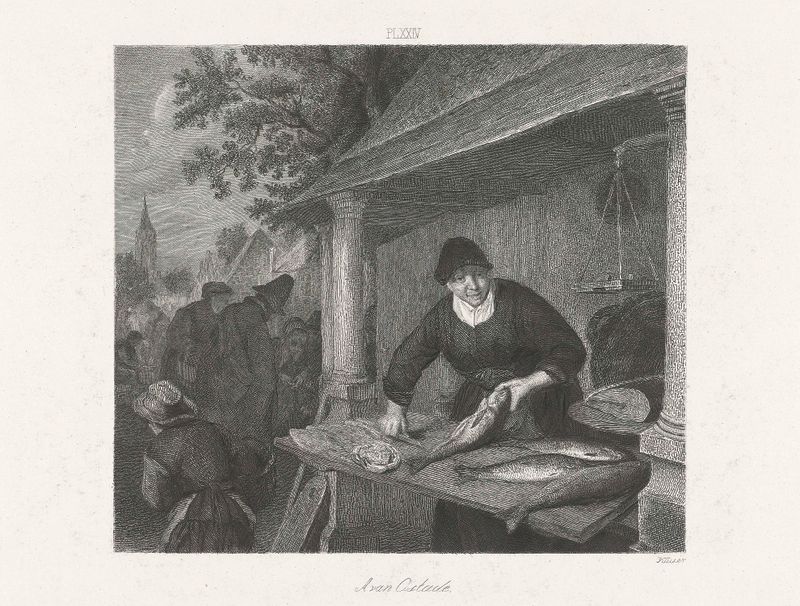
Visverkoopster
Johann Wilhelm Kaiser (I)
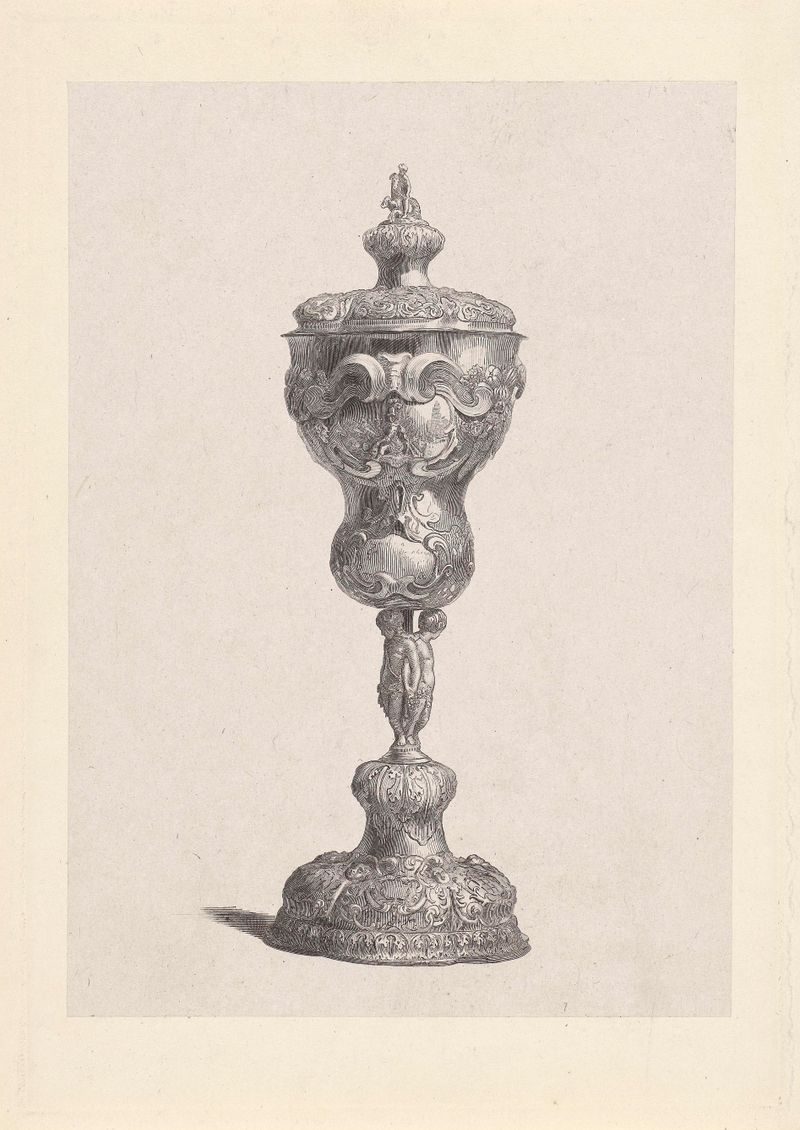
Studie van een zilveren beker
Johann Wilhelm Kaiser (I)

Winterlandschap met toren
Johann Wilhelm Kaiser (I)