Prairie à Giverny — History & Facts
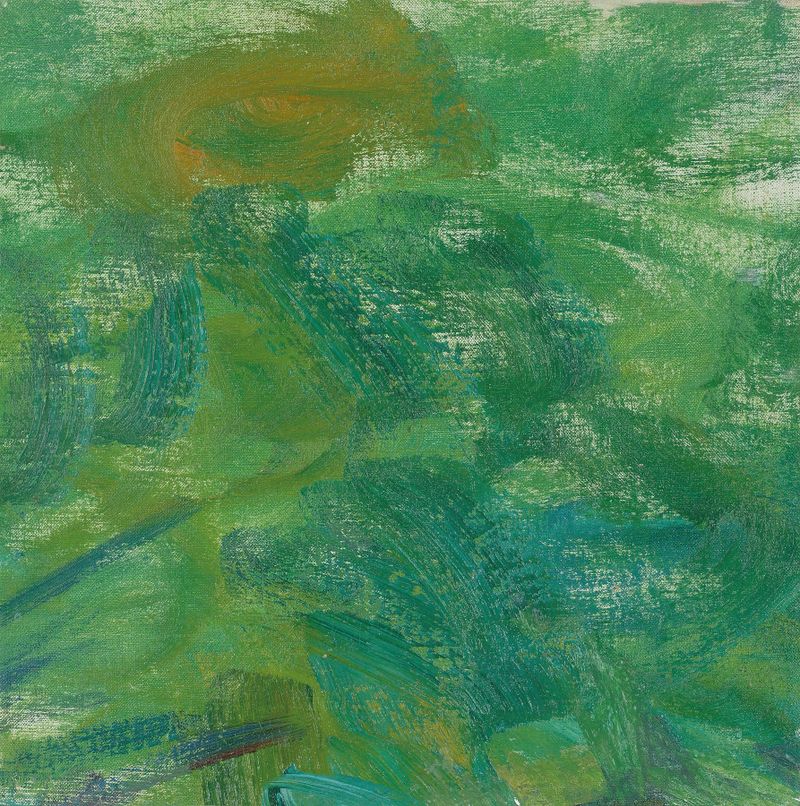
This intricate balance mirrors the essence of nature's fleeting moments — a delicate interplay between tranquility and the turbulence of existence. Look to the center of Prairie à Giverny, where the lush greens of the grass and wildflowers pulse with life. The painting is a riot of color, composed of soft strokes that create depth and movement, drawing the eye across the canvas. Notice how the dappled sunlight breaks through the foliage, illuminating patches of vivid color, while shadows rest in the cool crevices, establishing a rhythm that invites contemplation. Delve deeper into the vibrant hues and brushwork, and you’ll uncover an emotional tension between chaos and harmony.
The wildflowers, scattered yet deliberate, symbolize the unpredictability of life — where beauty emerges from disorder. The contrasting warm and cool tones reflect the seasonal cycle, capturing the essence of renewal and the inevitable passage of time, as if to say that beauty and fragility coexist in a perpetual dance. In 1886, Claude Monet painted this piece in Giverny, a period marked by his full embrace of Impressionism. He was exploring the effects of light and color in nature, deeply influenced by his surroundings and the changing seasons.
While the world was rapidly industrializing, Monet found solace and inspiration in the serene beauty of the countryside, epitomizing a movement that sought to capture life's ephemeral moments.