
Presentatie van Christus in de tempel — History & Facts
Is this a mirror — or a memory? In Albrecht Dürer’s Presentatie van Christus in de tempel, silence hangs thick in the air, a moment suspended between the sacred and the ordinary, inviting contemplation of a profound truth. Look to the center of the canvas where the figure of the Christ child is cradled in the arms of his mother. Notice how Dürer captures the delicate interplay of light and shadow, lending a soft glow to the child's face while the surrounding figures recede into a muted palette. The meticulous detail in the fabric of Mary’s garment and the angelic presence behind them shows Dürer’s mastery of texture, drawing our eyes to the focal points of reverence and innocence. Delve deeper into the expressions of those gathered; the elderly Simeon’s wrinkled face reflects a lifetime of anticipation fulfilled, while Anna, the prophetess, radiates an ethereal joy.
The contrast between the muted colors of their attire and the vibrant hues of the child’s clothing creates a visual hierarchy, symbolizing the divine light emerging within the human experience. Each gesture speaks volumes — the reverent posture of Simeon, and the cherubic cherub gazing down — all woven together in a tapestry that balances the celestial and terrestrial. Created between 1503 and 1507, this work emerged during a pivotal moment in Dürer’s career as he was transitioning toward a more humanistic representation of religious subjects. Living in Nuremberg, he was deeply influenced by the Renaissance, where artists sought to bridge the gap between divine and earthly by capturing emotion and humanity.
This masterpiece reflects not just a theological event but a profound cultural shift in how art could engage with the viewer's inner world.
More Artworks by Albrecht Dürer
Browse all →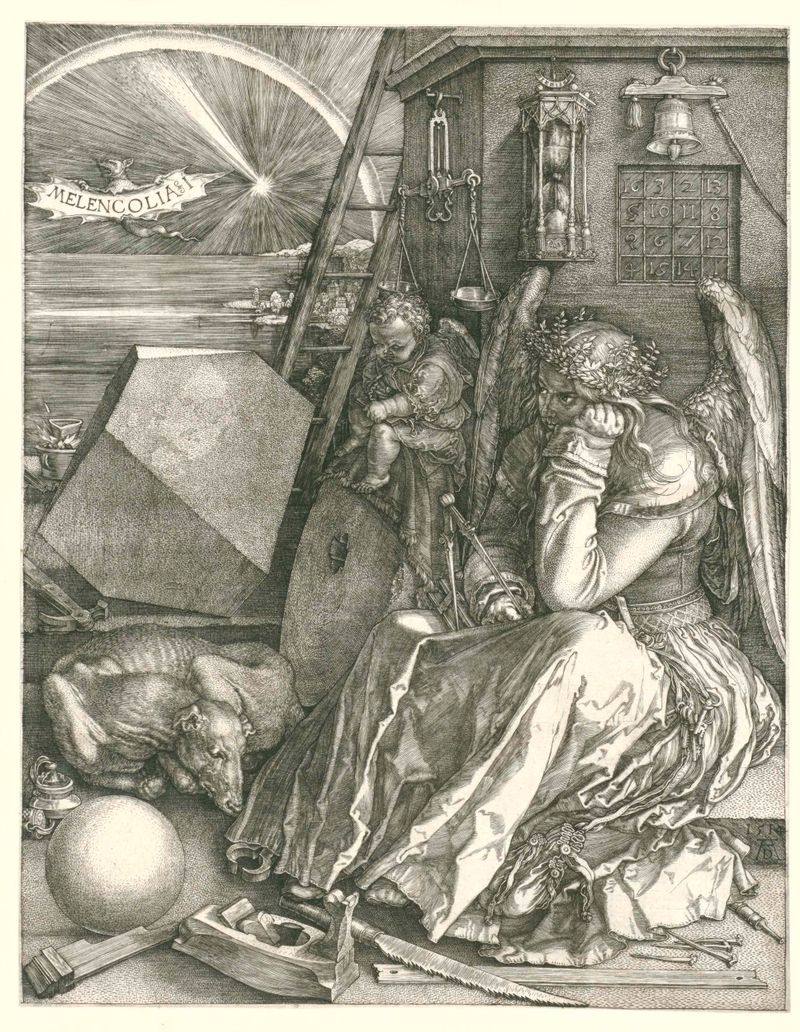
Melancholia
Albrecht Dürer
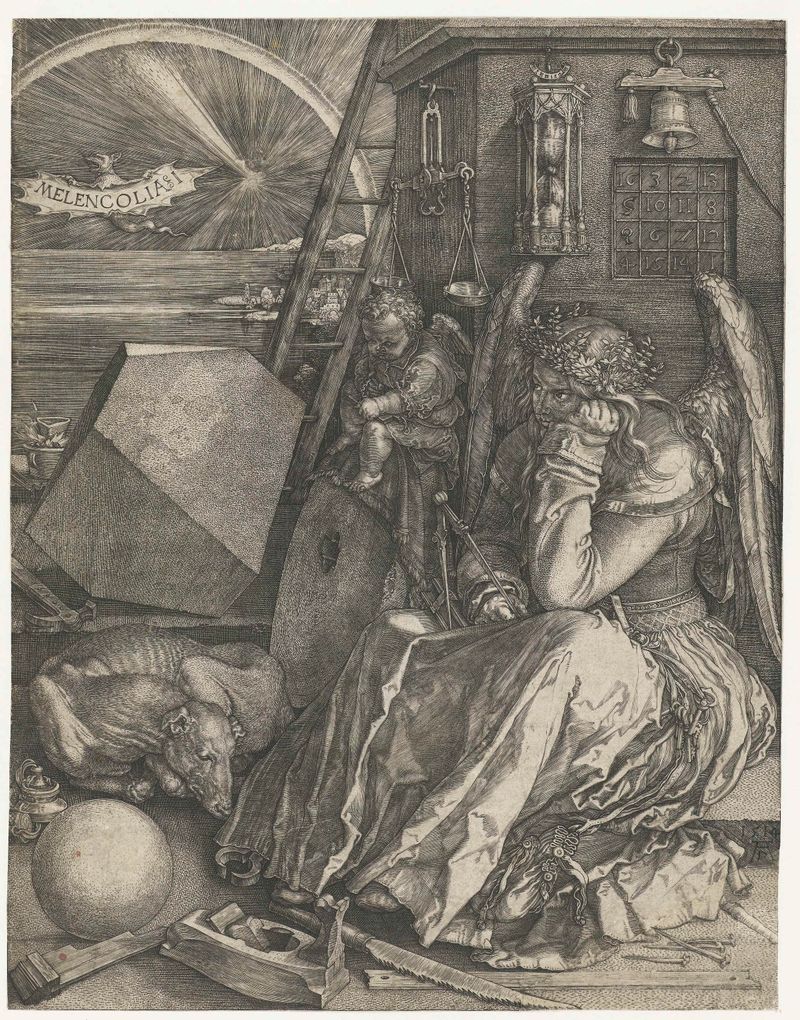
Melancholie
Albrecht Dürer

Neushoorn
Albrecht Dürer
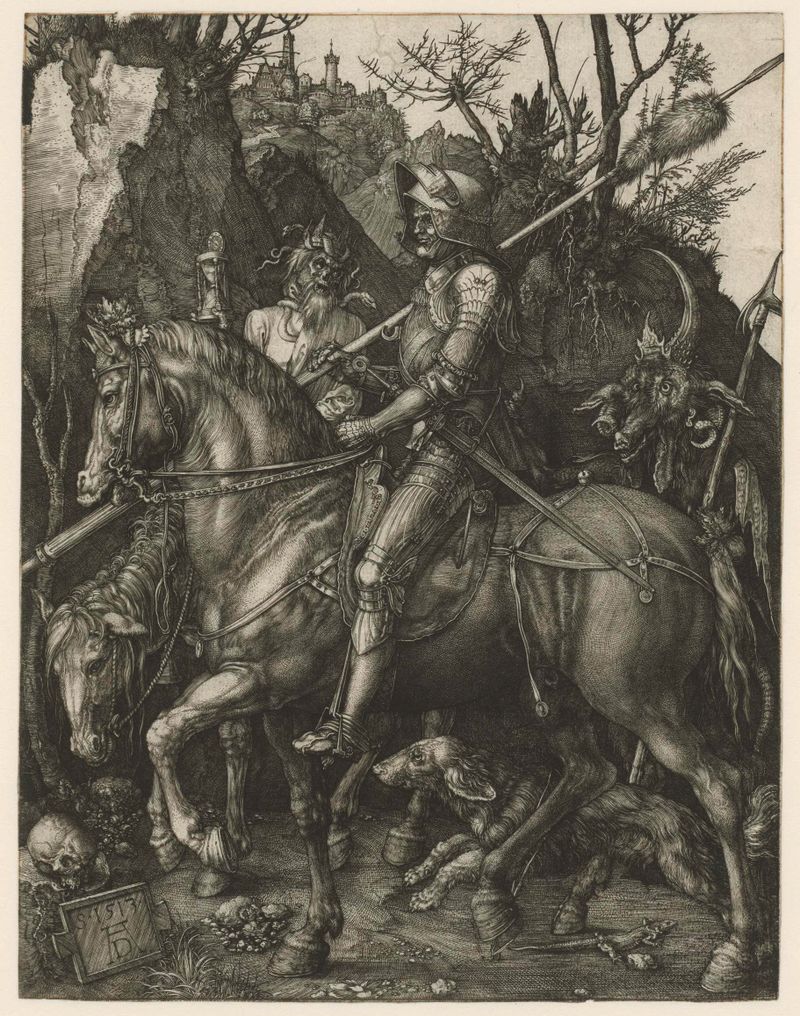
Knight, Death, and the Devil
Albrecht Dürer

De vier ruiters van de apocalyps
Albrecht Dürer

De vier ruiters van de apocalyps
Albrecht Dürer
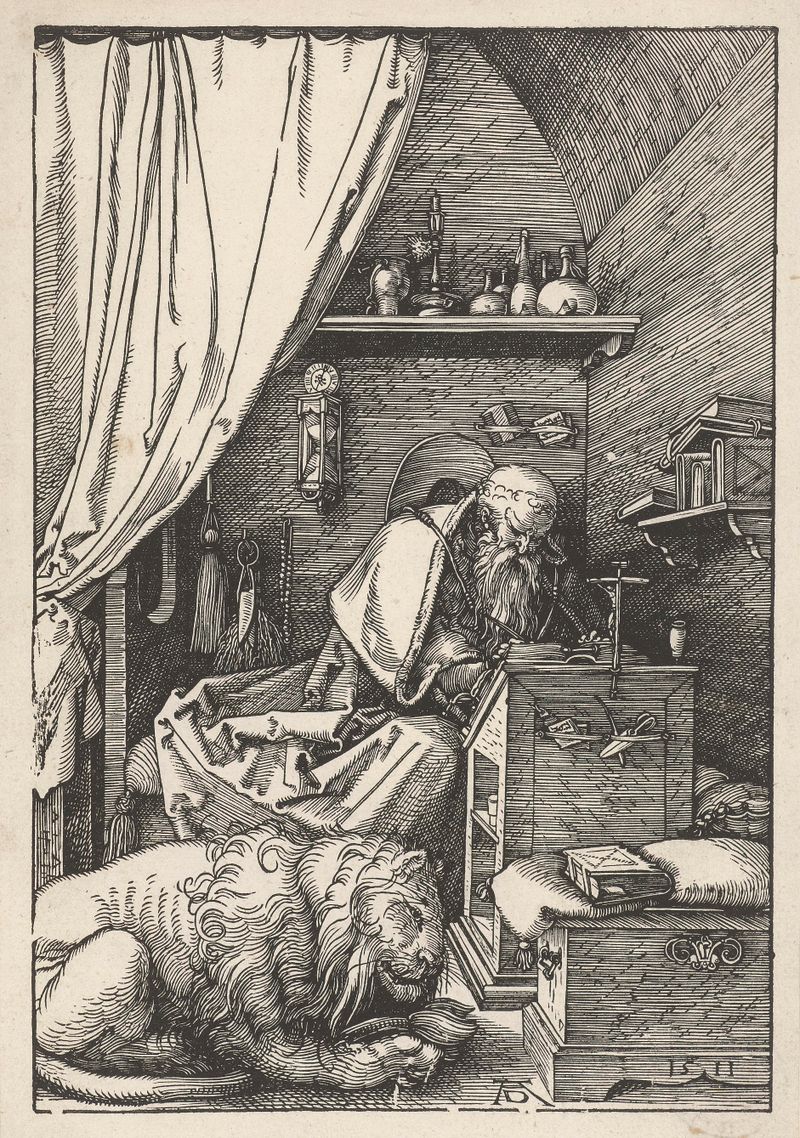
De Heilige Hiëronymus in zijn studeervertrek
Albrecht Dürer
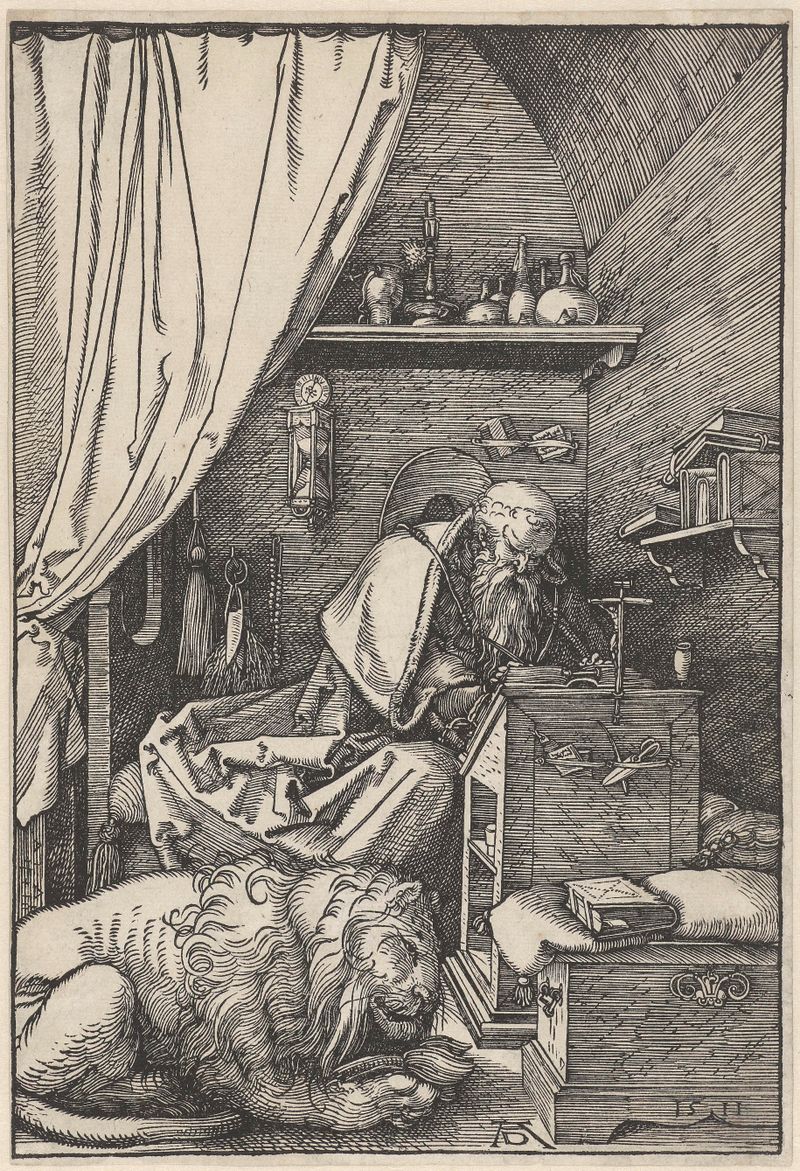
De Heilige Hiëronymus in zijn studeervertrek
Albrecht Dürer
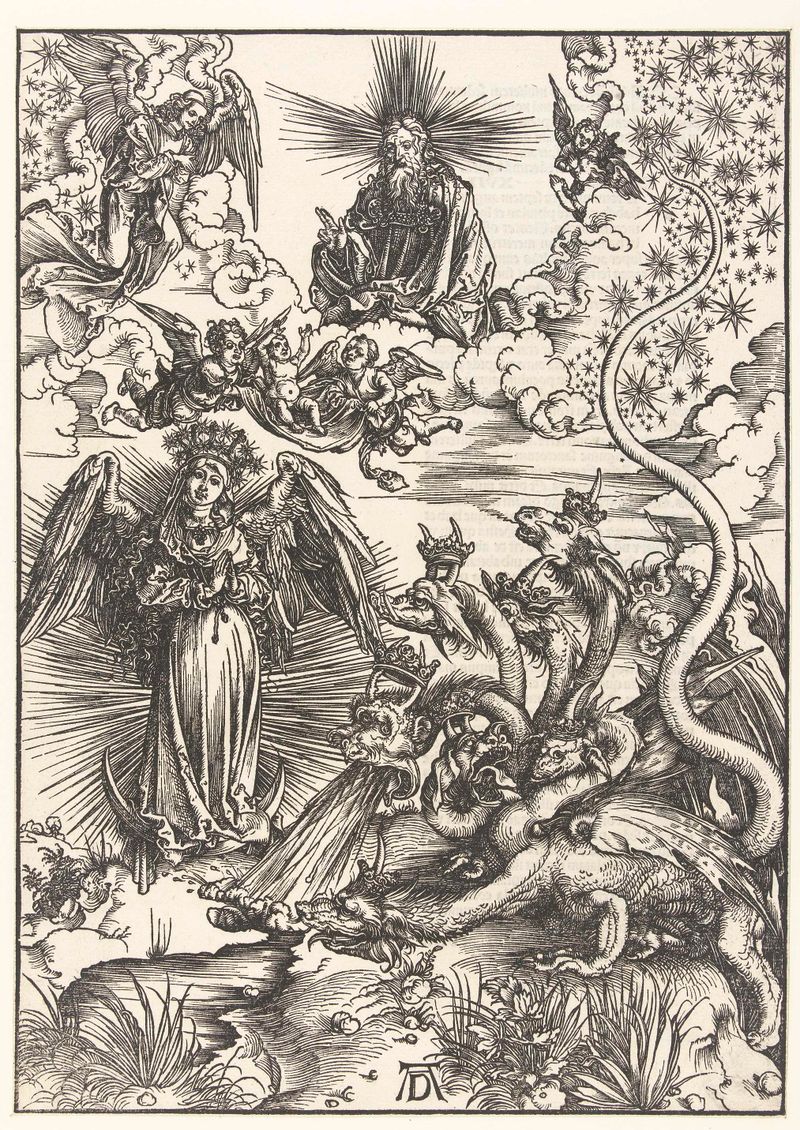
De apocalyptische vrouw en de zevenkoppige draak
Albrecht Dürer
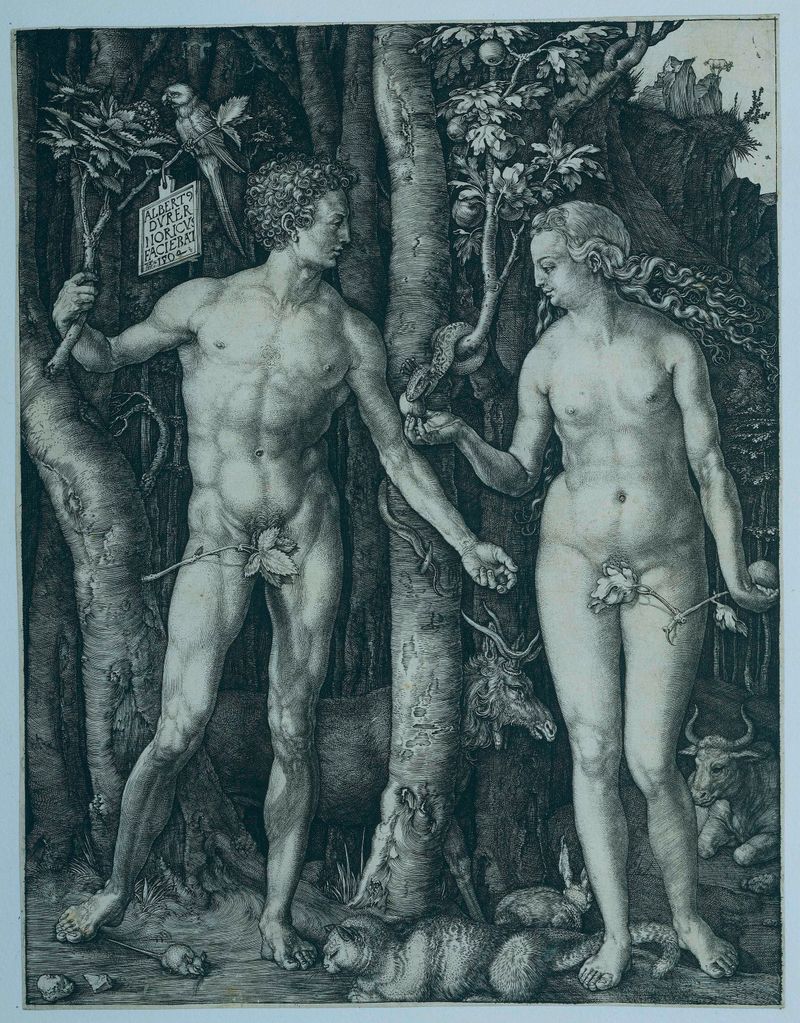
Adam en Eva
Albrecht Dürer
More Religious Art
Browse all →
The Return of the Prodigal Son
Rembrandt van Rijn

The Garden of Earthly Delights
El Bosco

Count Orgaz’ funeral
El Greco

The Hundred Guilder Print: the central piece with Christ preaching, the plate arched
Rembrandt van Rijn

The Descent from the Cross
Rogier van der Weyden

The return of the prodigal son
Rembrandt van Rijn