
Presentatie van Christus in de tempel — History & Facts
In Presentatie van Christus in de tempel, Albrecht Dürer confronts us with a serene façade that belies the depth of grief and loss lurking beneath the surface. The composition invites the viewer to engage with the duality of joy and sorrow inherent in the moment it captures, as the infant Jesus is presented in the temple, a poignant prelude to the sacrifice that awaits. Look to the left at the figure of Simeon, cradling Jesus with a gaze that speaks volumes. The soft, golden light bathes the scene, illuminating the faces of those in attendance and highlighting the intricate details of their garments.
Notice how the lush colors of red and blue contrast with the muted tones of the background, creating a vibrancy that draws the eye while simultaneously underscoring the solemnity of the occasion. Dürer’s meticulous attention to detail, from the delicate folds of the drapery to the expressive features of the participants, conveys a masterful blend of realism and spirituality. Delve deeper into the painting's hidden meanings, where the joy of presentation intertwines with the inevitability of loss. The joyful gestures of Mary, and the reverent posture of Simeon contrast sharply against the backdrop of a looming future filled with sacrifice.
Each face reflects an emotional tension, hinting at their unspoken awareness of the burden that the child carries. The golden halo surrounding Jesus is not merely a sign of divinity; it also serves as a reminder of the heavy crown He will one day wear, transforming beauty into a vessel of pain. Dürer painted this significant work between 1503 and 1507, during a time marked by profound personal and artistic transformation. Living in Nuremberg, the artist was fully immersed in the Northern Renaissance, a period characterized by intricate detail and an exploration of human emotion.
This painting emerged against the backdrop of his evolving faith and a world grappling with the early tremors of Reformation, making it not only a reflection of sacred themes but also a commentary on the human condition.
More Artworks by Albrecht Dürer
Browse all →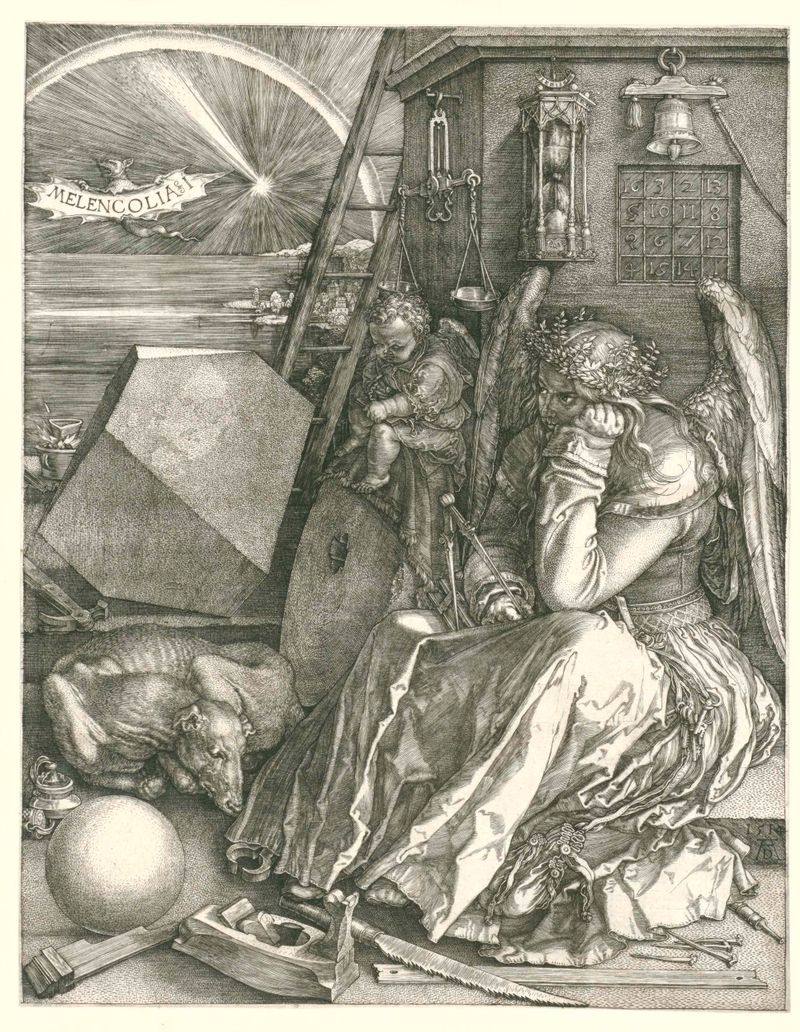
Melancholia
Albrecht Dürer
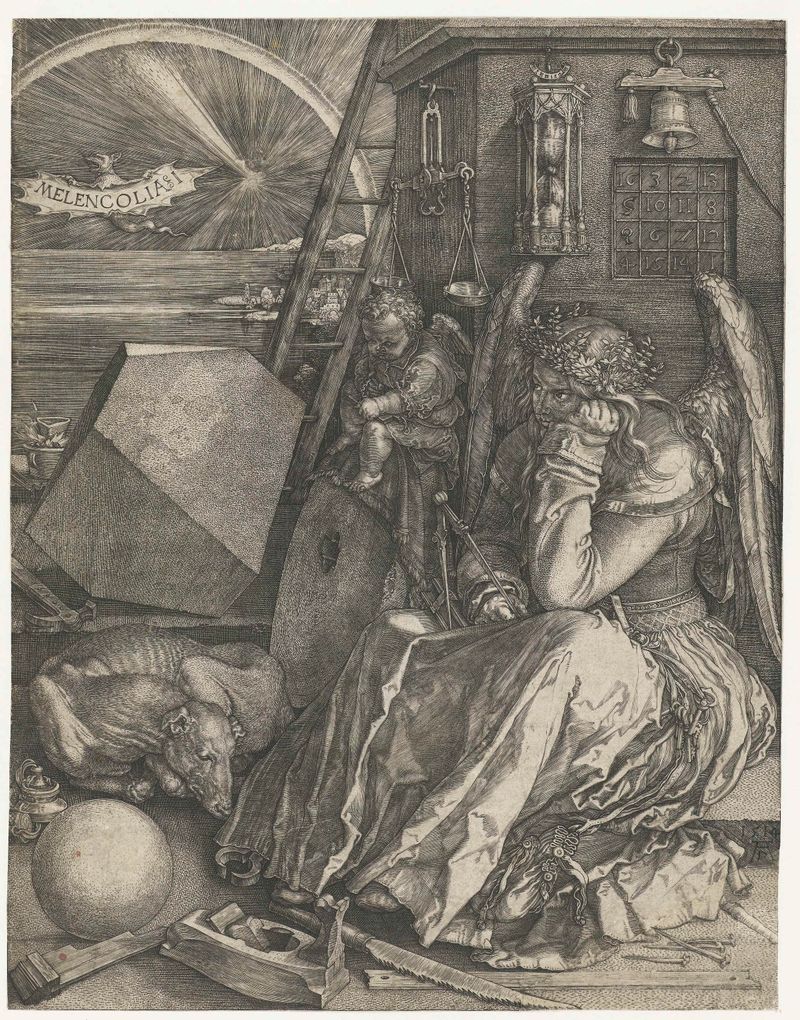
Melancholie
Albrecht Dürer

Neushoorn
Albrecht Dürer
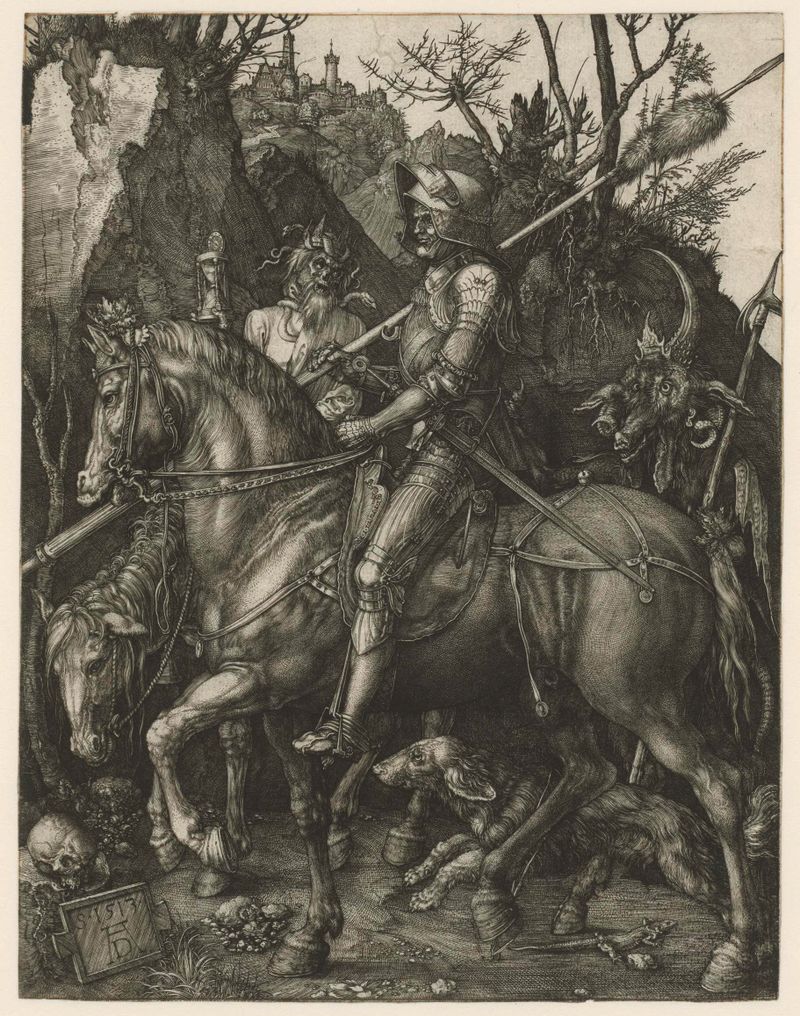
Knight, Death, and the Devil
Albrecht Dürer

De vier ruiters van de apocalyps
Albrecht Dürer

De vier ruiters van de apocalyps
Albrecht Dürer
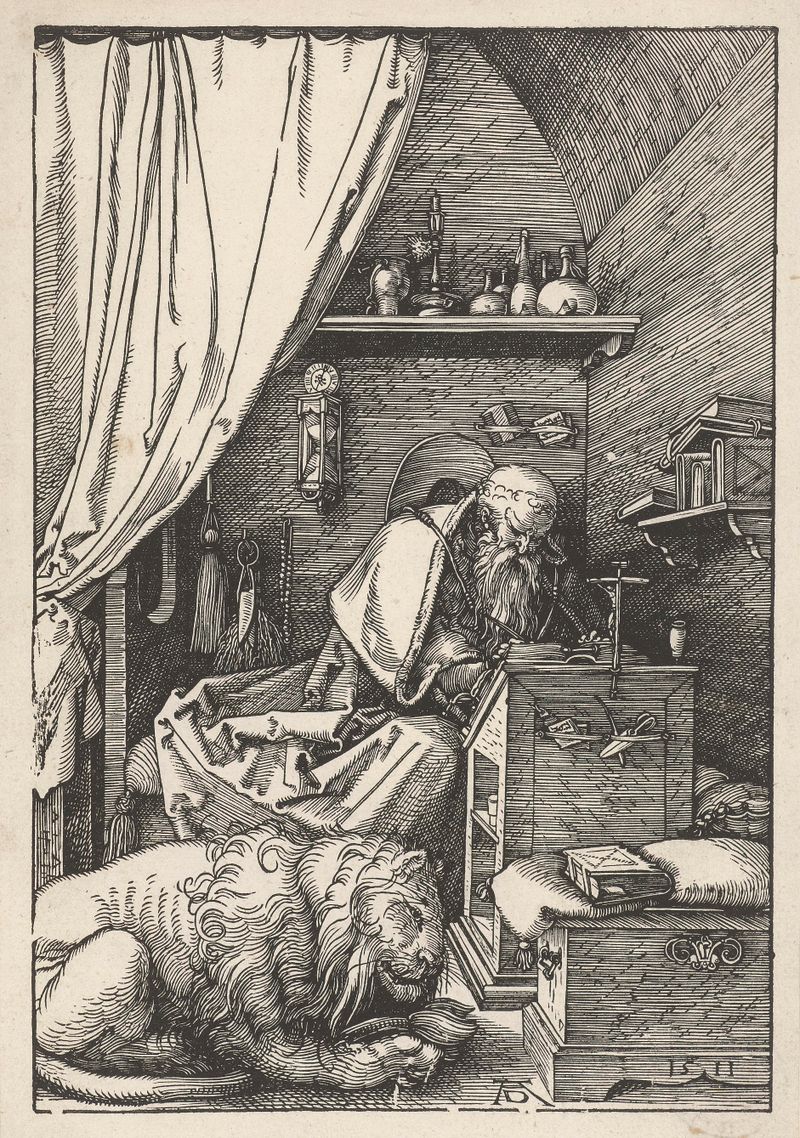
De Heilige Hiëronymus in zijn studeervertrek
Albrecht Dürer
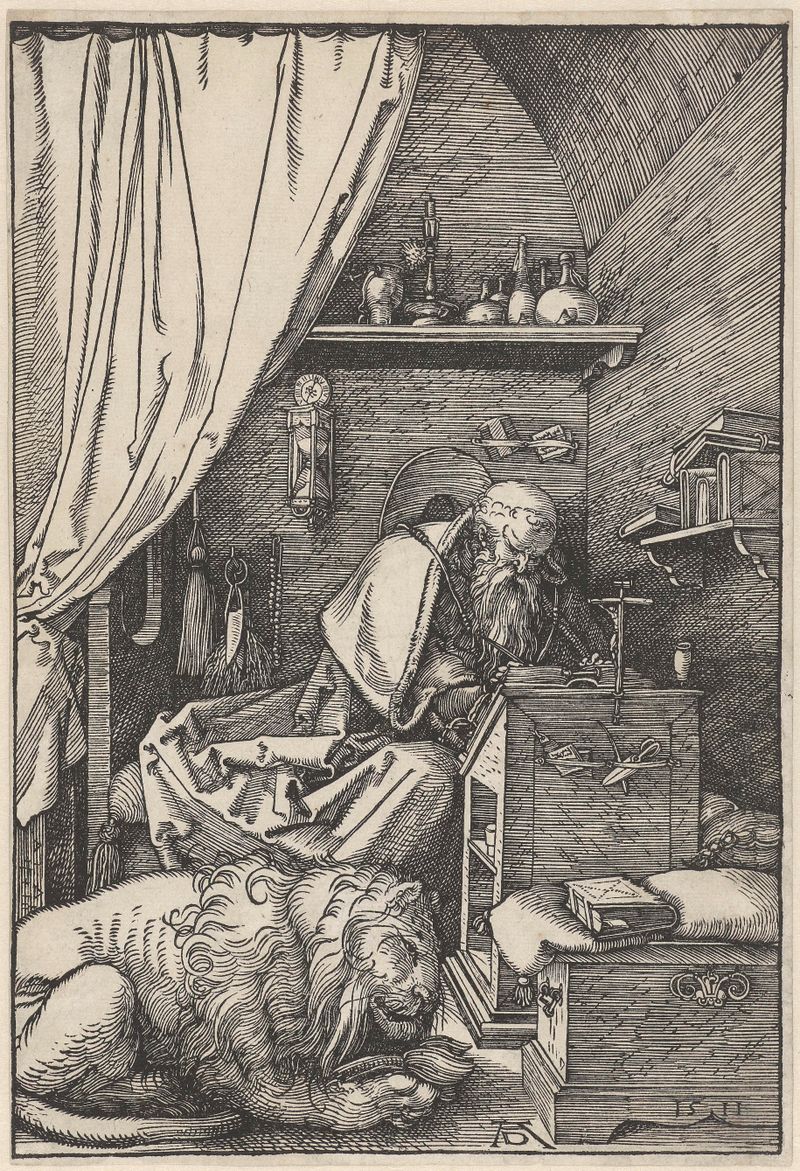
De Heilige Hiëronymus in zijn studeervertrek
Albrecht Dürer
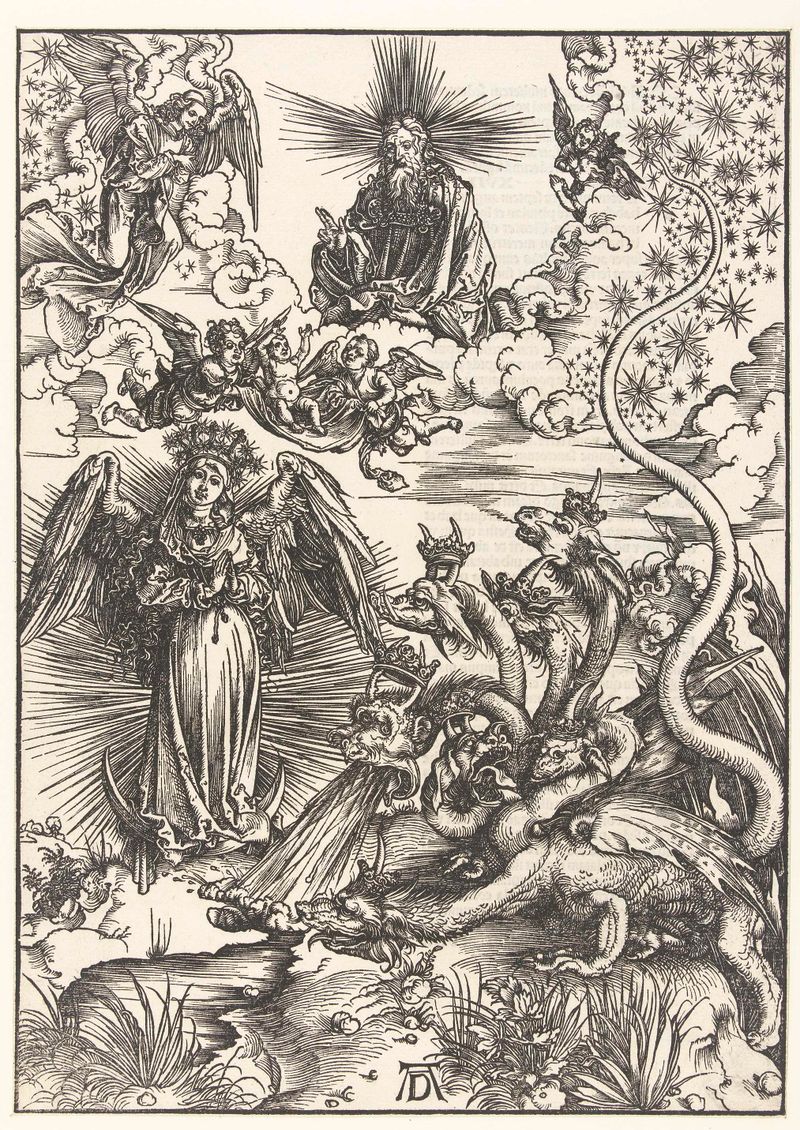
De apocalyptische vrouw en de zevenkoppige draak
Albrecht Dürer
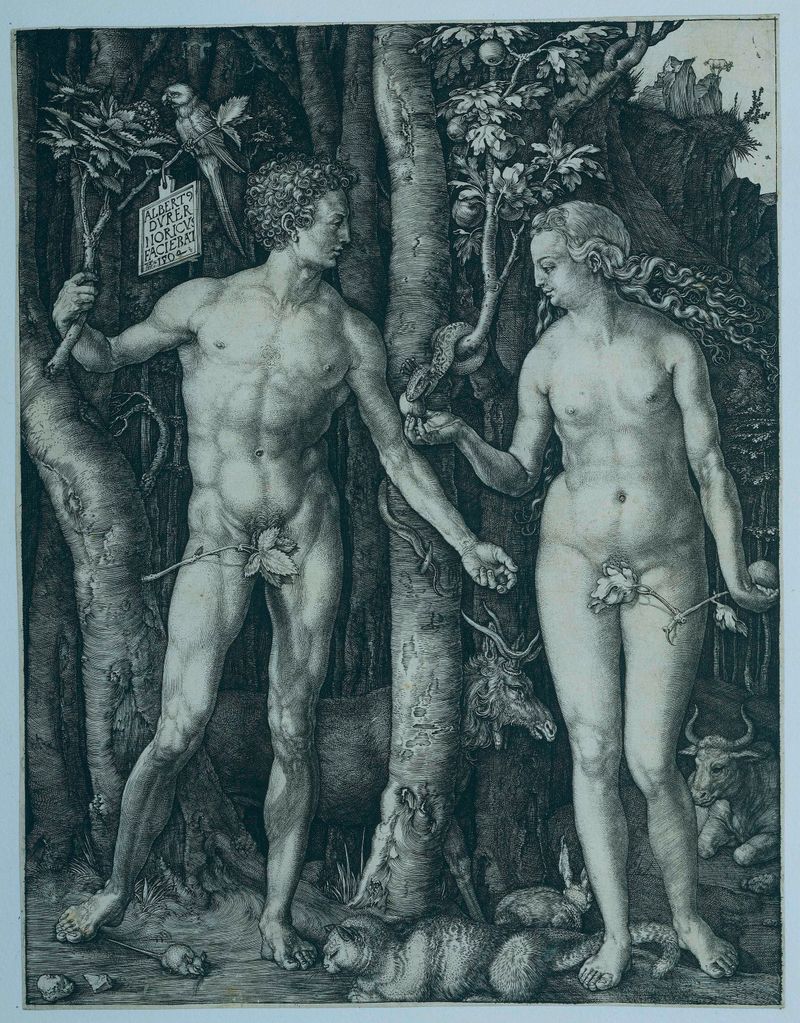
Adam en Eva
Albrecht Dürer
More Religious Art
Browse all →
The Return of the Prodigal Son
Rembrandt van Rijn

The Garden of Earthly Delights
El Bosco

Count Orgaz’ funeral
El Greco

The Hundred Guilder Print: the central piece with Christ preaching, the plate arched
Rembrandt van Rijn

The Descent from the Cross
Rogier van der Weyden

The return of the prodigal son
Rembrandt van Rijn