
Presentatie van Christus in de tempel — History & Facts
What if silence could speak through light? In Albrecht Dürer’s Presentatie van Christus in de tempel, the quiet grace of a moment in history is captured—an intersection of faith and artistry, where movement resonates not through sound, but through the very essence of light and form. Look toward the center of the composition, where the figure of Christ, delicately swaddled, is held by Mary. The soft glow enveloping them creates an ethereal quality, drawing your eye to their serene expressions. Notice how Dürer masterfully employs warm hues contrasted with cooler shades in the surrounding figures, emphasizing the holy family's sanctity amid a bustling temple scene.
The figures around them, rendered with meticulous detail, seem to shift subtly, each pose captured in a moment of reverent acknowledgment. Deeper within this sacred tableau lies a rich tapestry of emotional tension. The contrasting gestures—Mary’s uplifted gaze and Joseph’s protective stance—reflect a poignant duality between hope and vulnerability. Furthermore, the deep shadows and radiant light serve to highlight the significance of this presentation, suggesting a divine presence that envelops the narrative, reinforcing the themes of faith and destiny. Dürer painted Presentatie van Christus in de tempel between 1503 and 1507, during a transformative period in Northern Renaissance art.
Living in Nuremberg, he was deeply influenced by humanist ideals and the burgeoning interest in perspective and naturalism. This work reflects his exploration of spiritual themes while bridging the gap between medieval tradition and the emerging modernity of the European art scene.
More Artworks by Albrecht Dürer
Browse all →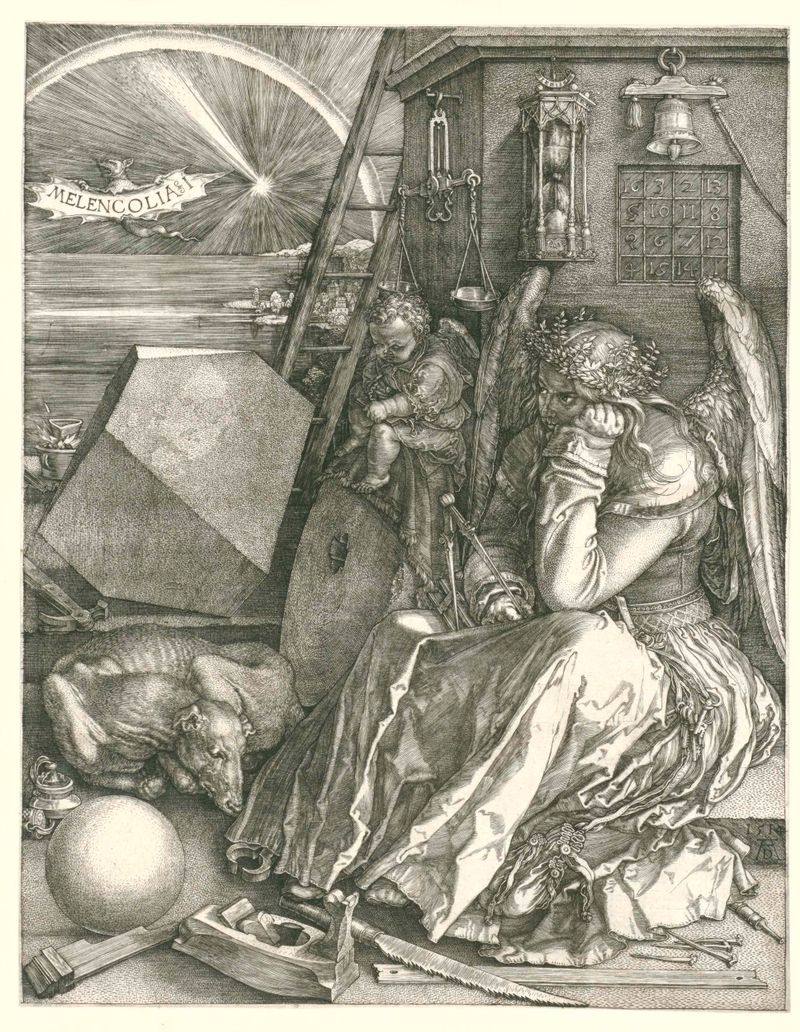
Melancholia
Albrecht Dürer
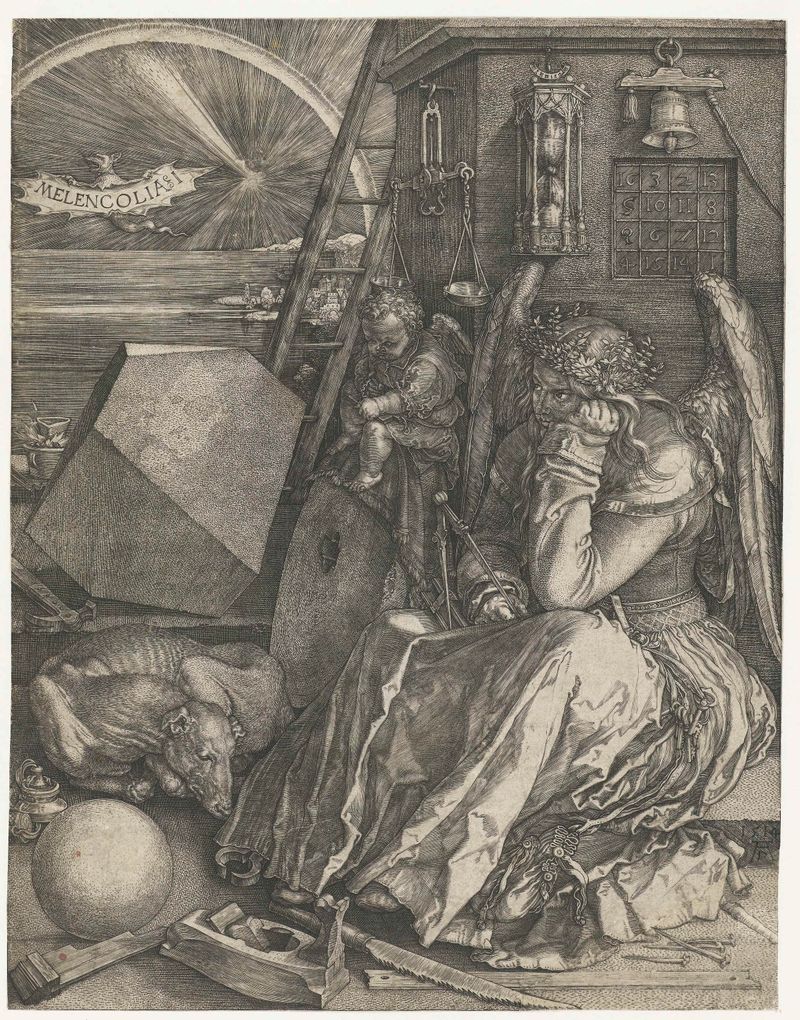
Melancholie
Albrecht Dürer
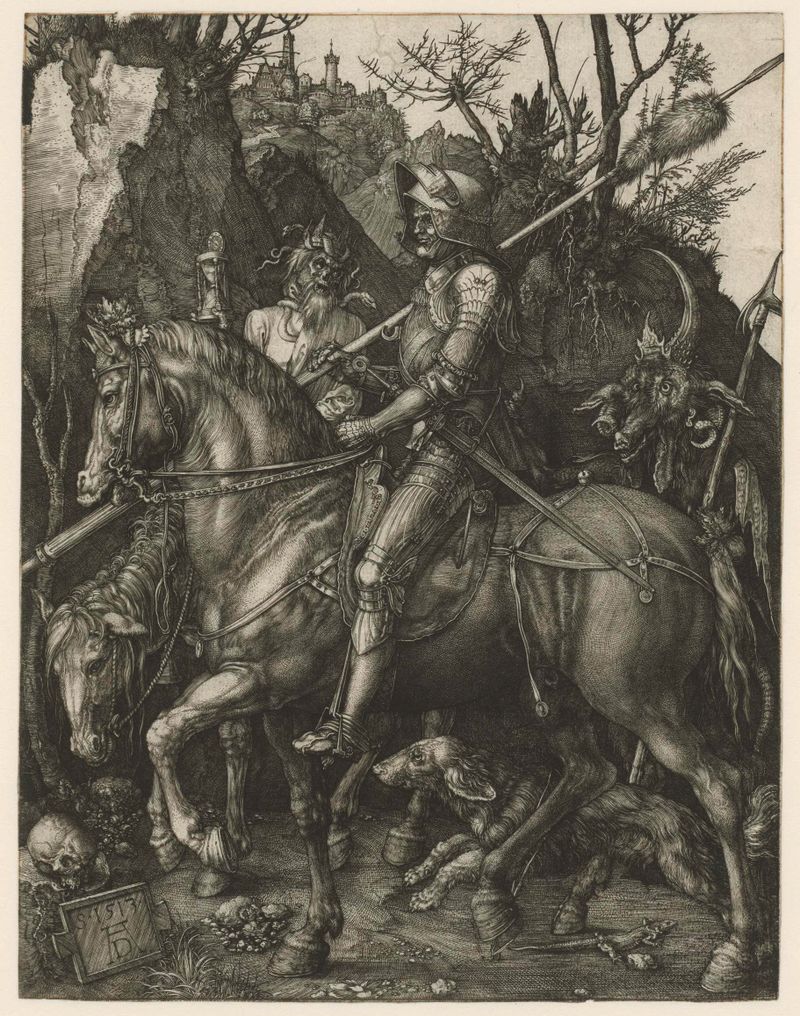
Knight, Death, and the Devil
Albrecht Dürer

Neushoorn
Albrecht Dürer

De vier ruiters van de apocalyps
Albrecht Dürer

De vier ruiters van de apocalyps
Albrecht Dürer
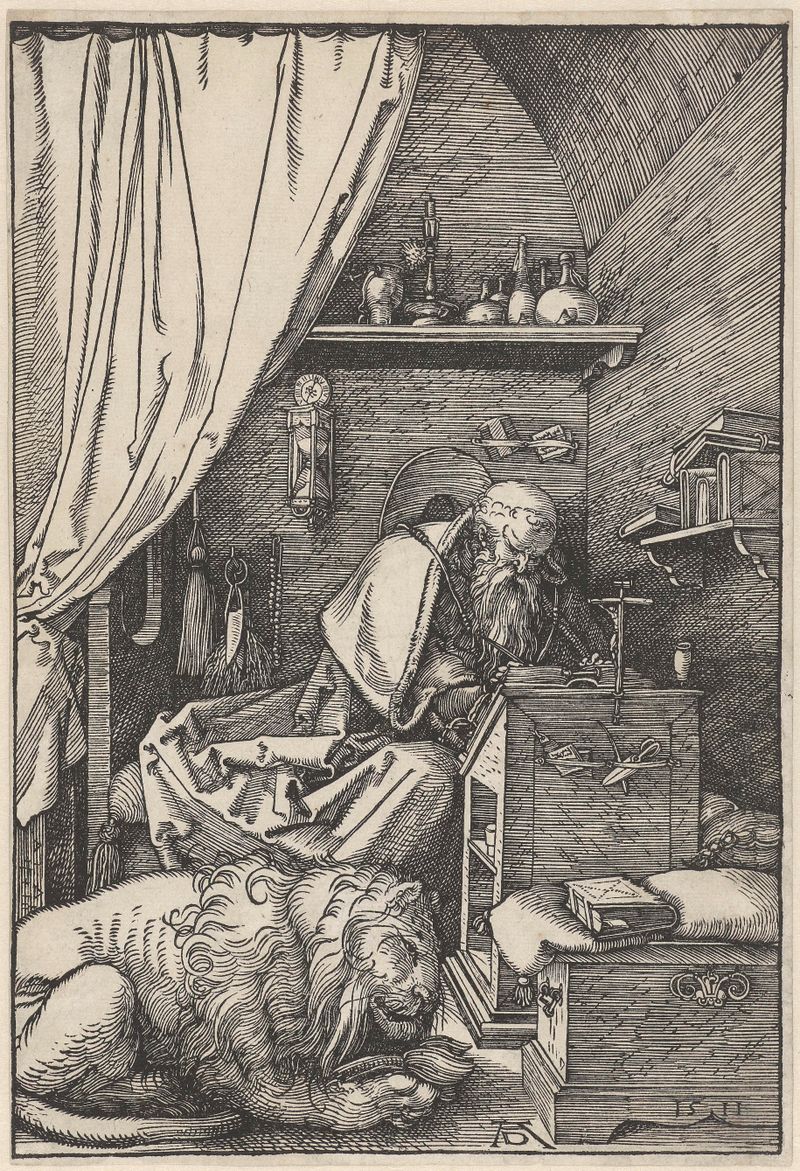
De Heilige Hiëronymus in zijn studeervertrek
Albrecht Dürer
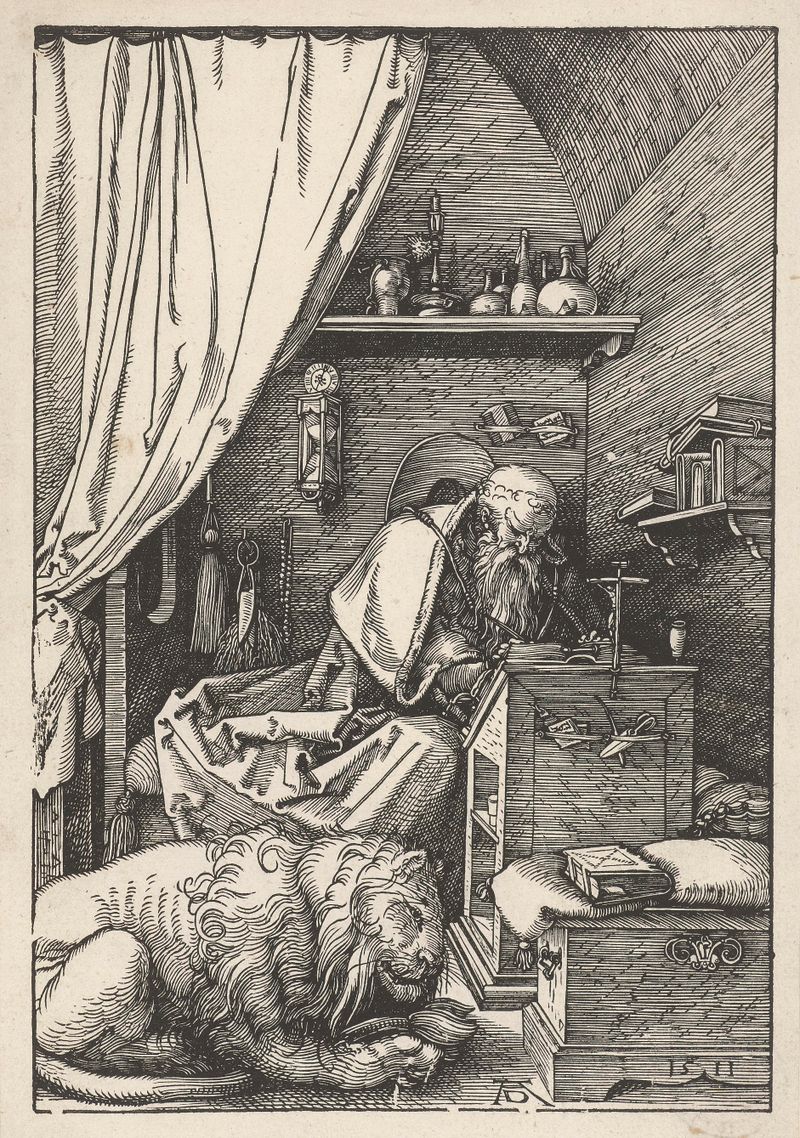
De Heilige Hiëronymus in zijn studeervertrek
Albrecht Dürer
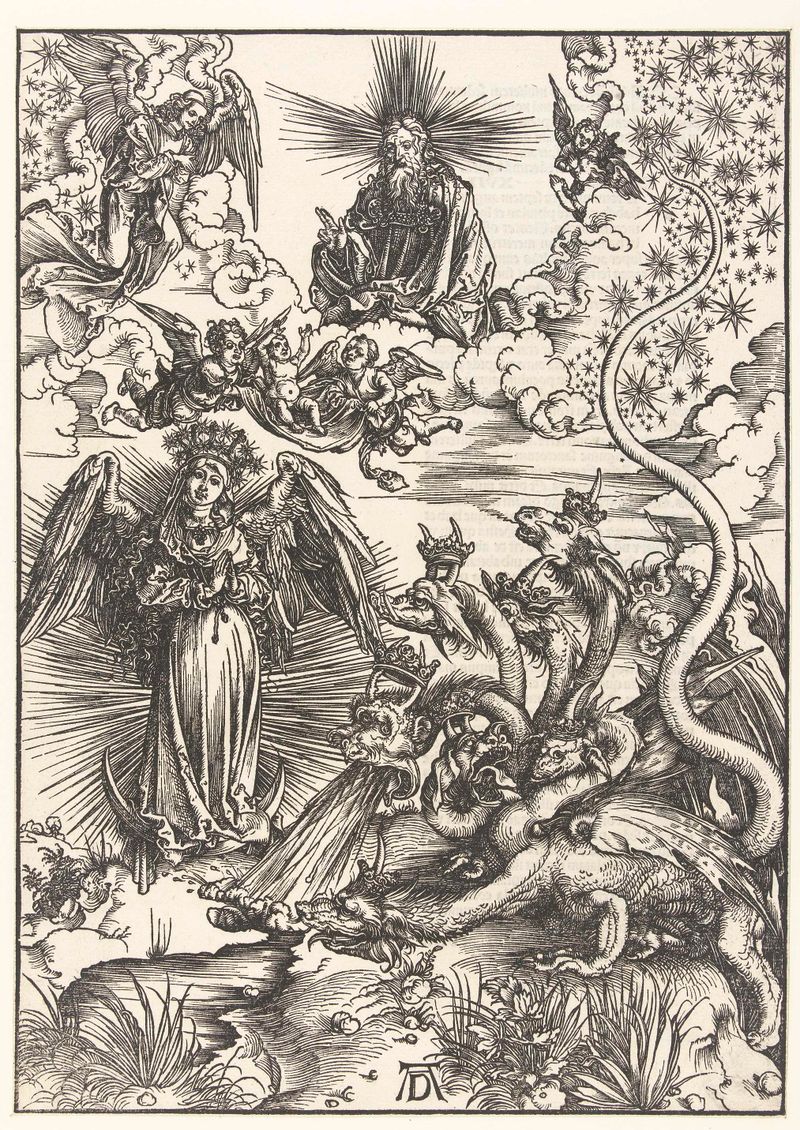
De apocalyptische vrouw en de zevenkoppige draak
Albrecht Dürer
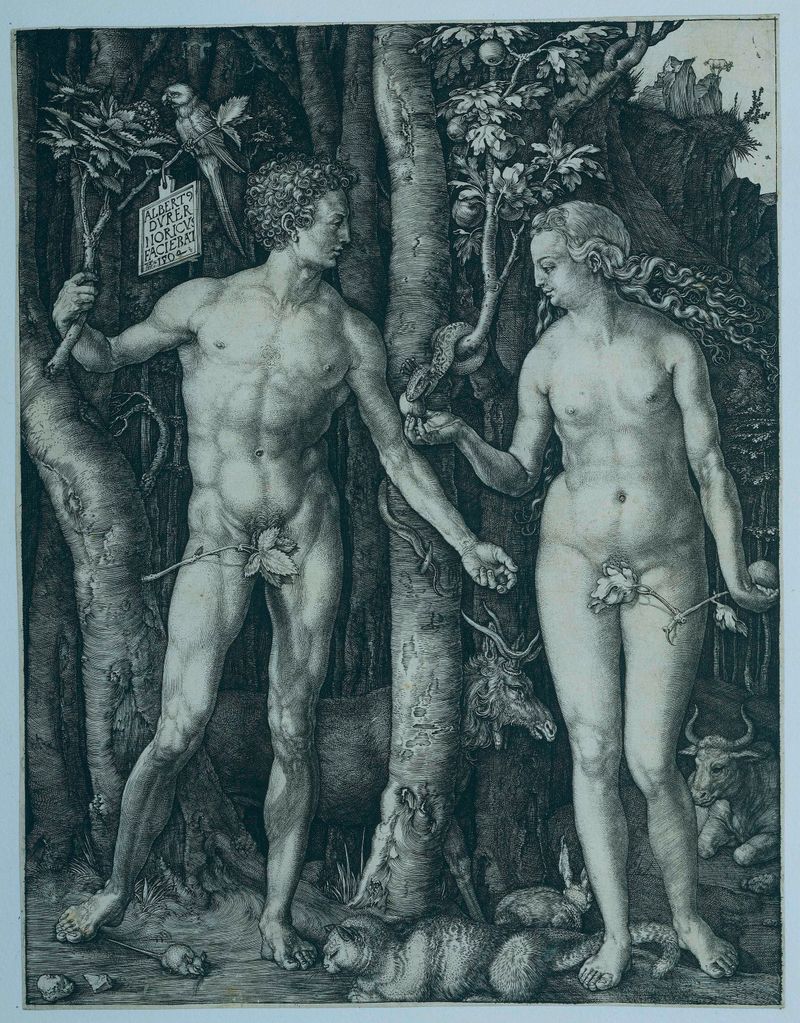
Adam en Eva
Albrecht Dürer
More Religious Art
Browse all →
The Return of the Prodigal Son
Rembrandt van Rijn

The Garden of Earthly Delights
El Bosco

Count Orgaz’ funeral
El Greco

The Hundred Guilder Print: the central piece with Christ preaching, the plate arched
Rembrandt van Rijn

The Descent from the Cross
Rogier van der Weyden

The return of the prodigal son
Rembrandt van Rijn