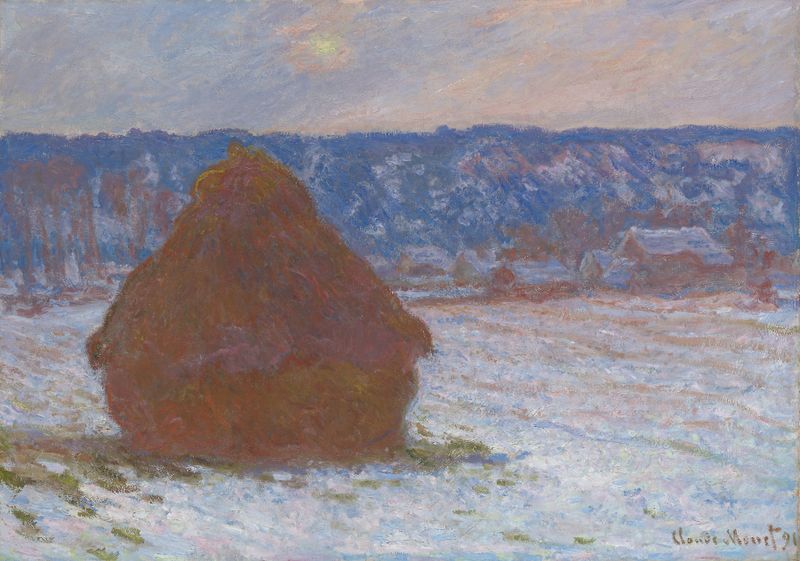
Printemps À Vétheuil — History & Facts
In the gentle embrace of spring, Monet crafts a fleeting moment that whispers of renewal and revelation, capturing the essence of nature's awakening. Look to the left where the delicate blossoms of cherry trees burst forth in shades of soft pink and white, inviting your eye to dance among the flowers. Notice how the painter’s deft application of color creates a shimmering interplay of light and shadow, reflecting the sun’s warm embrace upon the tranquil waters of the Seine. The subtle variations in hue evoke a sense of movement, as if the breeze itself is alive within the scene, stirring the blossoms and beckoning the viewer into this idyllic realm. Yet, beneath the surface lies a deeper emotional resonance.
The juxtaposition of vibrant life against the stillness of the water speaks to the transient beauty of existence. Each stroke captures not just a moment in time, but the artist’s contemplation of change, evoking feelings of nostalgia for what is fleeting. The palette, while rich and vibrant, carries a hint of melancholy, suggesting that beauty is often intertwined with impermanence. In 1881, Monet painted this piece in Vétheuil, a village that held profound significance for him during a time of personal turmoil.
He grappled with the challenges of his domestic life, yet found solace in the beauty of nature surrounding him. The Impressionist movement was blossoming, and Monet, a pioneering figure within it, sought to express the fleeting effects of light and color, marking a pivotal moment in art history that would forever alter the landscape of painting.