
Projet de chapiteau de bronze pour un pilier de la boutique Fouquet — History & Facts
The first thing that strikes the eye here is the restless, almost liquid energy of the lines—nature tamed and translated into ornament. What at first looks like a tangle of ivy leaves reveals itself, on closer inspection, as a precise architectural drawing: a chapiteau, or capital, meant to crown a pillar. The pencil's flow mimics the curling of real foliage, but every swirl is harnessed to structure, guiding the viewer’s gaze along the intended path of bronze.
The dense shading and rhythmic repetition of forms suggest a living surface, as if the pillar might begin to grow before your eyes—a hallmark of Alphonse Mucha's Art Nouveau vision, where the boundary between art and nature blurs. This drawing belongs to the world of 1900 Paris, when artists and craftsmen were reimagining the city’s very skin. The Projet de chapiteau de bronze pour un pilier de la boutique Fouquet was conceived for a luxury jeweler’s shop, a temple to modern artistry at the height of the Belle Époque. Such designs were not merely decorative; they announced the identity and ambition of their patrons, transforming everyday structures into works of art.
While history has kept few traces of individual design drawings like this one, their purpose is clear: to seduce, to impress, and to make the ordinary extraordinary. Look again at the drawing and imagine the cool weight of bronze, the play of light across its curves, and the promise of a city in bloom.
More Artworks by Alphonse Mucha

Bières de la Meuse
Alphonse Mucha

Abstract design based on flowers and leaves
Alphonse Mucha
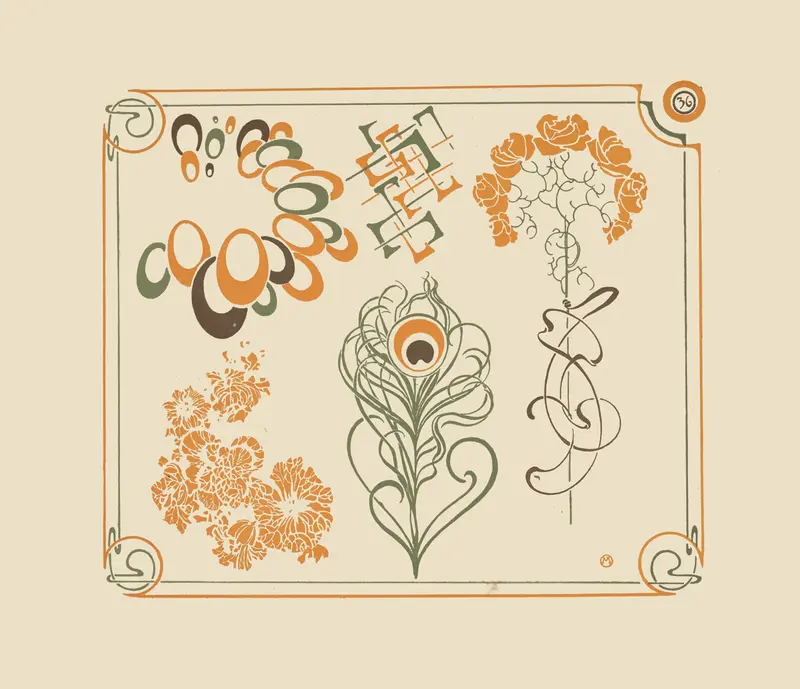
Abstract design based on flowers and curvilinear shapes.
Alphonse Mucha
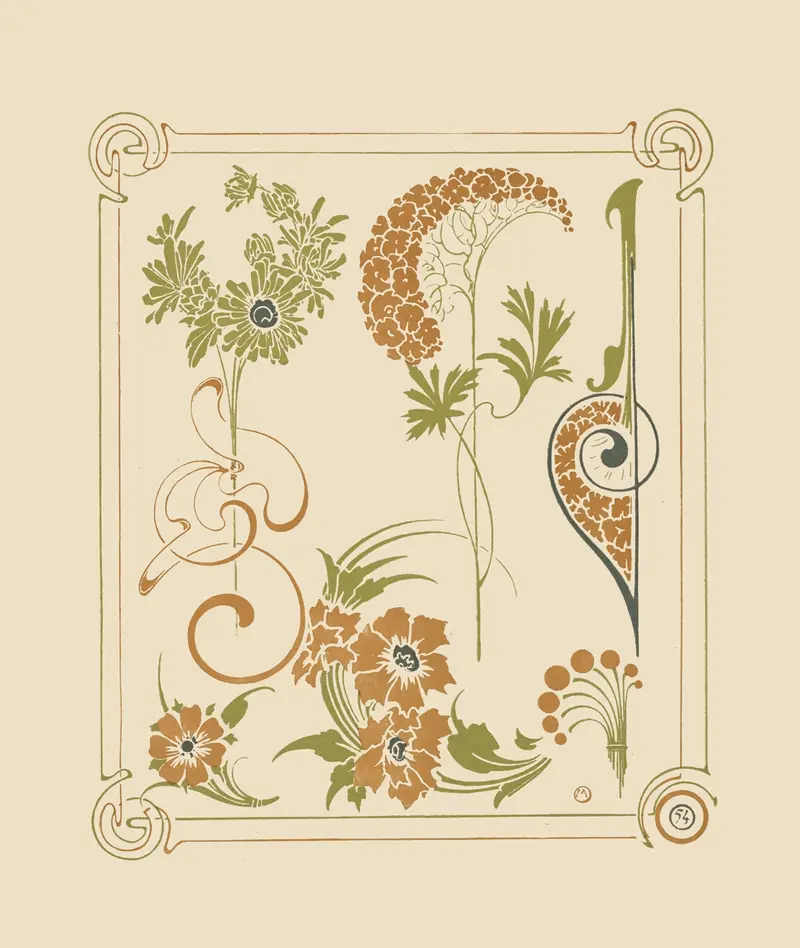
Abstract design based on flowers and arabesques.
Alphonse Mucha
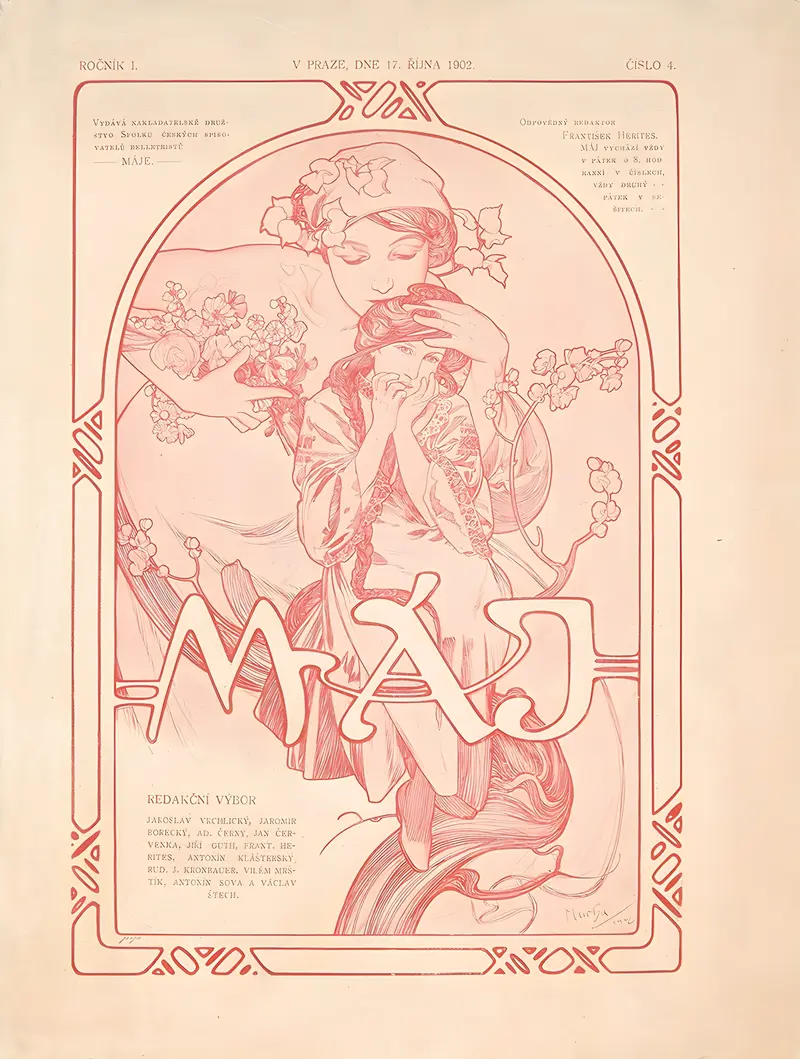
Máje
Alphonse Mucha
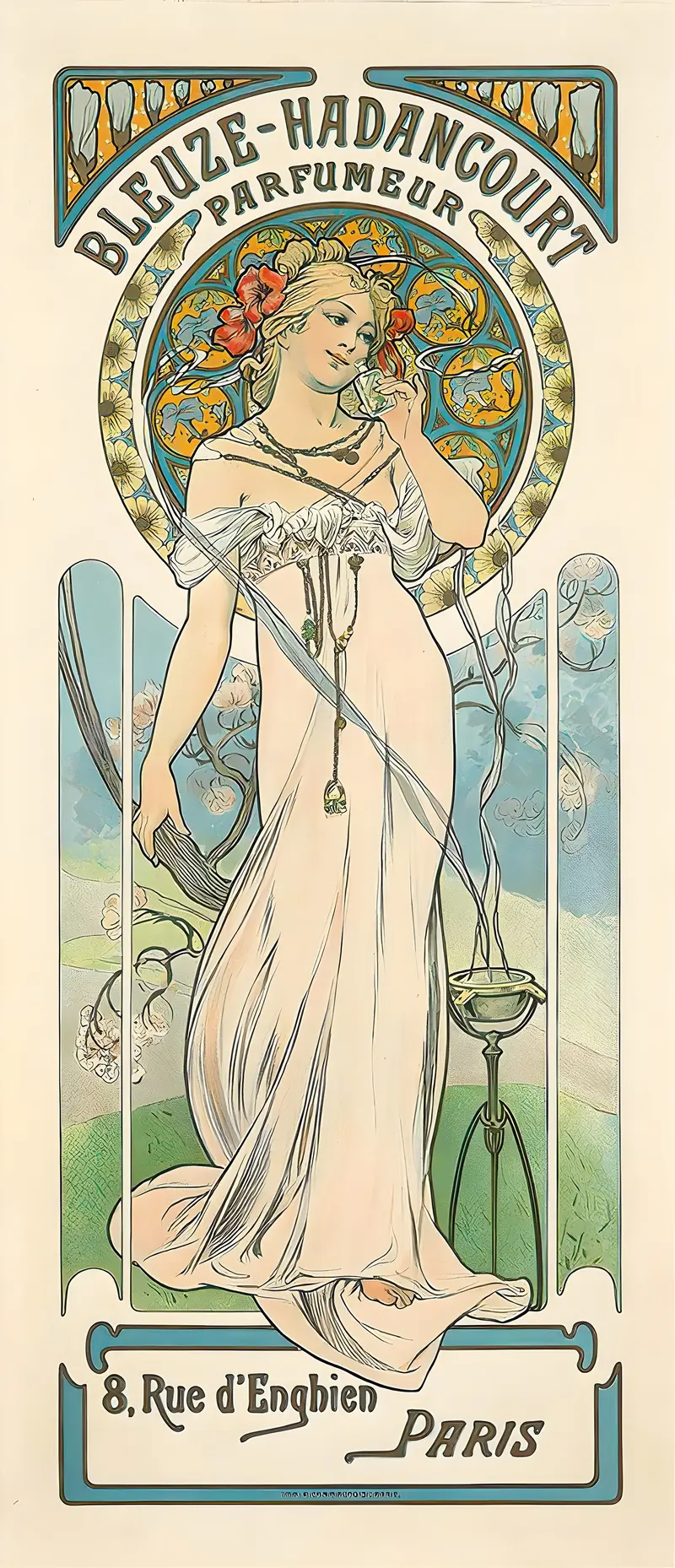
Bleuze-Hadancourt Parfumeur
Alphonse Mucha
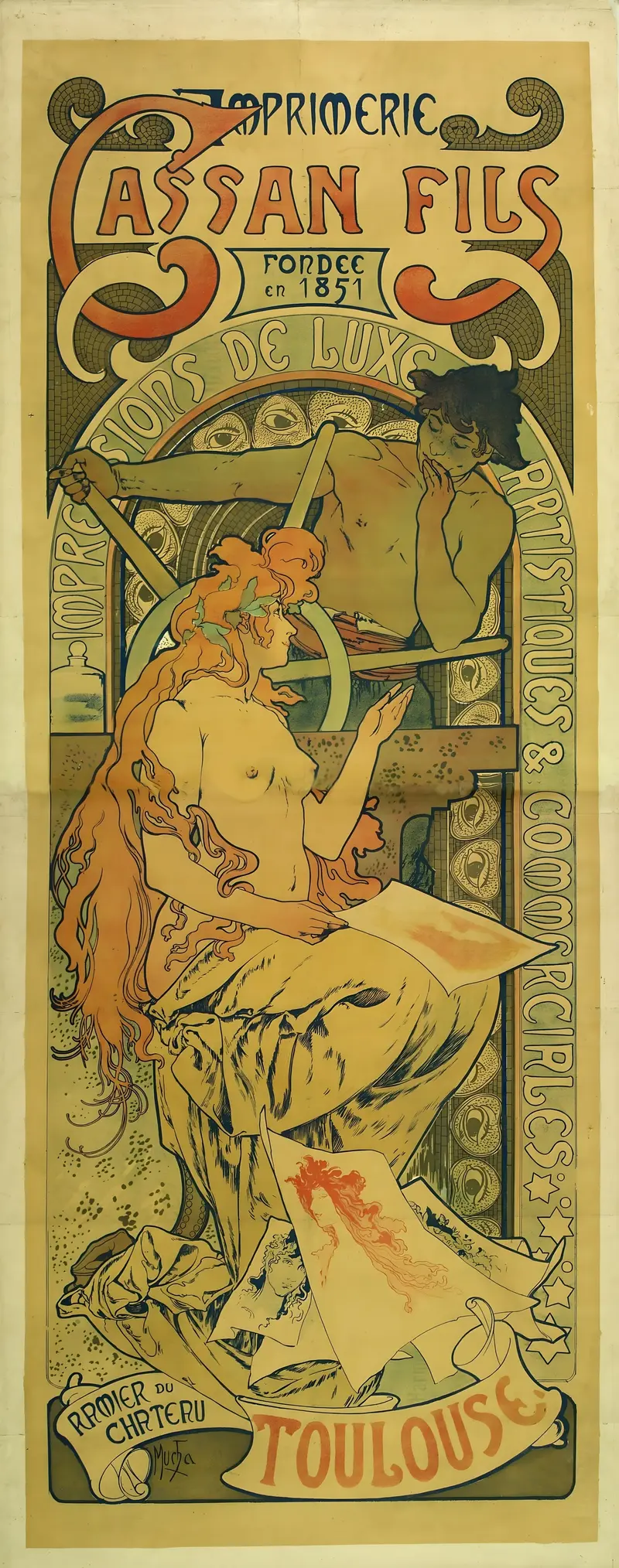
Imprimerie Cassan Fils Fondée en 1851 Impressions de Luxe Artistiques & Commerciales Ramier du Chateau Toulouse
Alphonse Mucha
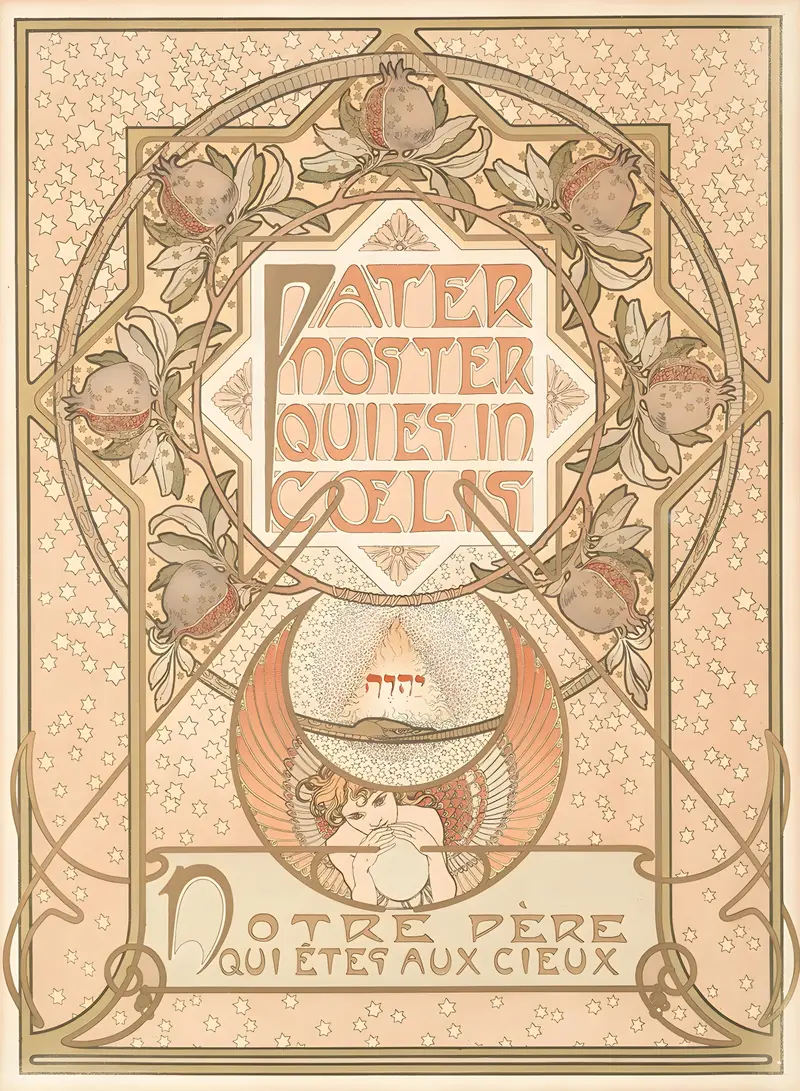
Pater Noster
Alphonse Mucha
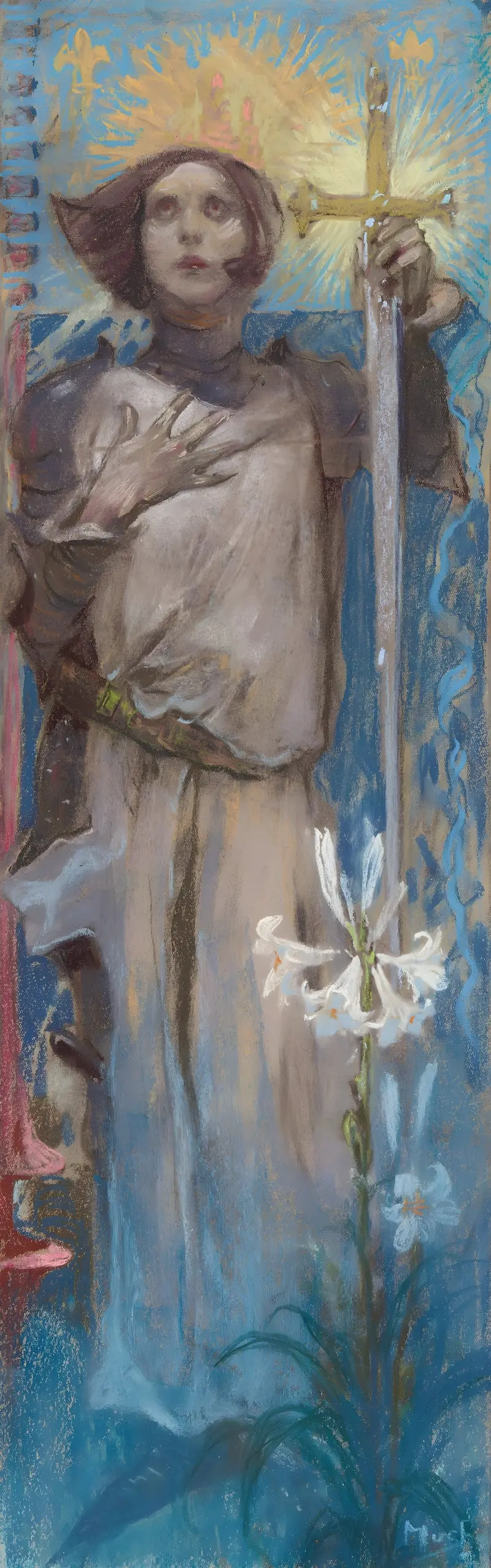
Joan of Arc. Apparition
Alphonse Mucha
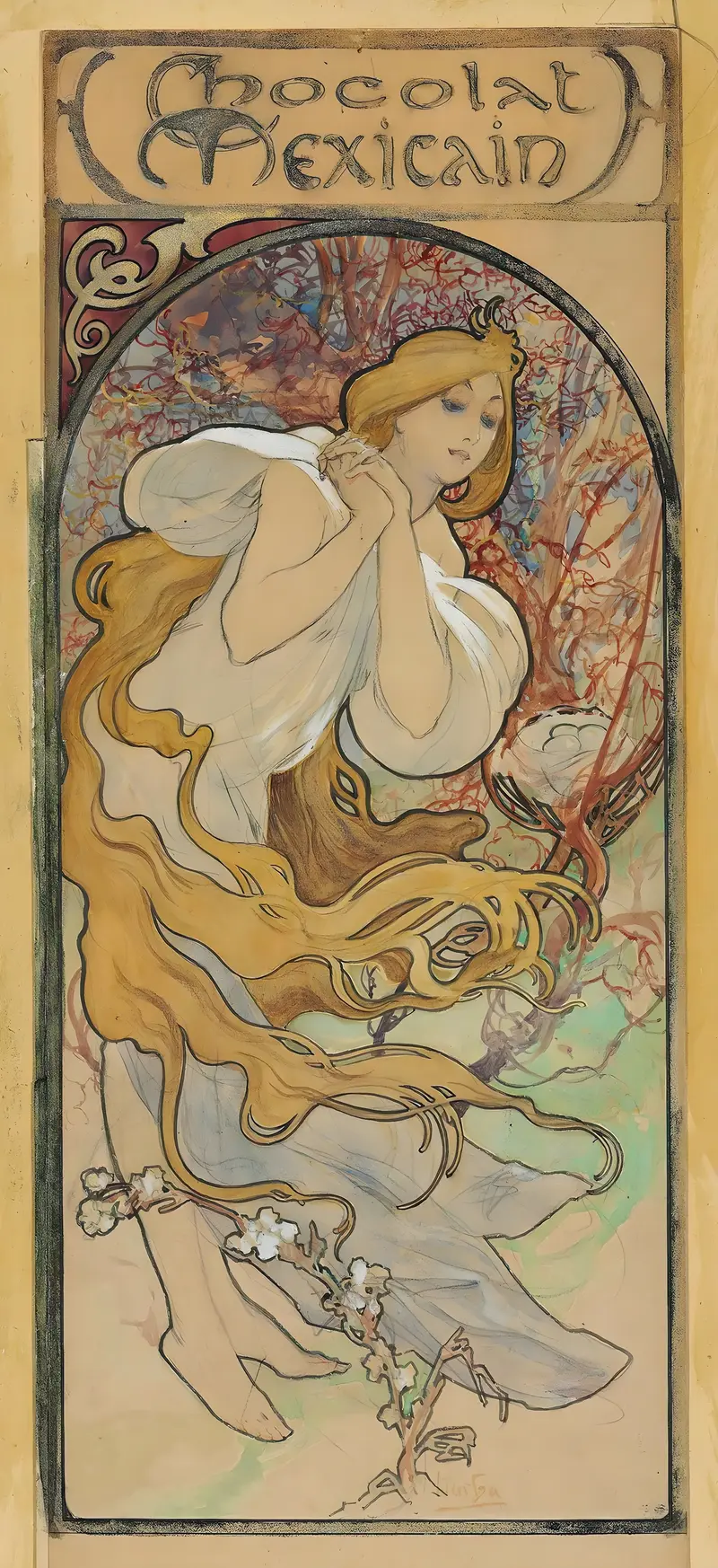
Chocolat Mexicain
Alphonse Mucha





