
Promenade du Dimanche (Robe Noire) — History & Facts
In Promenade du Dimanche (Robe Noire) by Paul Sérusier, we see a woman dressed in a black dress strolling through a vibrant park. The colors are bright and lively, with greens and blues dominating the background. The figures are simplified, reflecting the Post-Impressionist style that Sérusier embraced.
The setting feels both intimate and expansive, inviting the viewer to join in the leisurely Sunday promenade. The painting is executed in oil on canvas, showcasing Sérusier's characteristic use of bold colors and simplified forms. The brushwork is visible, adding texture and depth to the scene. The composition is balanced, with the woman positioned centrally, drawing the viewer's eye.
This work exemplifies the Post-Impressionist movement, focusing on personal expression and the beauty of everyday life. Paul Sérusier was a key figure in the Post-Impressionist movement, known for his role in the Nabis group. Promenade du Dimanche (Robe Noire) reflects his interest in color theory and the emotional impact of color. An interesting fact about this work is that it captures the essence of leisure in late 19th-century France, a theme that resonated with many artists of the time.
Sérusier's approach to color and form influenced future generations of artists.
More Artworks by Paul Sérusier

Bretonnes, Réunion Dans Le Bois Sacré
Paul Sérusier
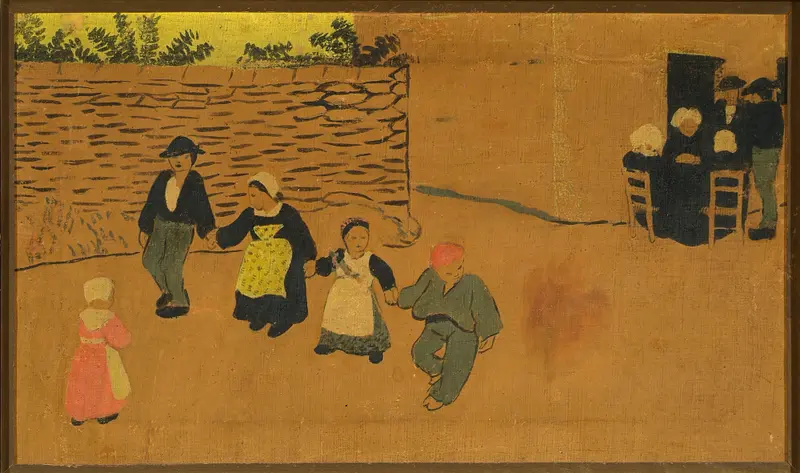
Breton panel with children
Paul Sérusier
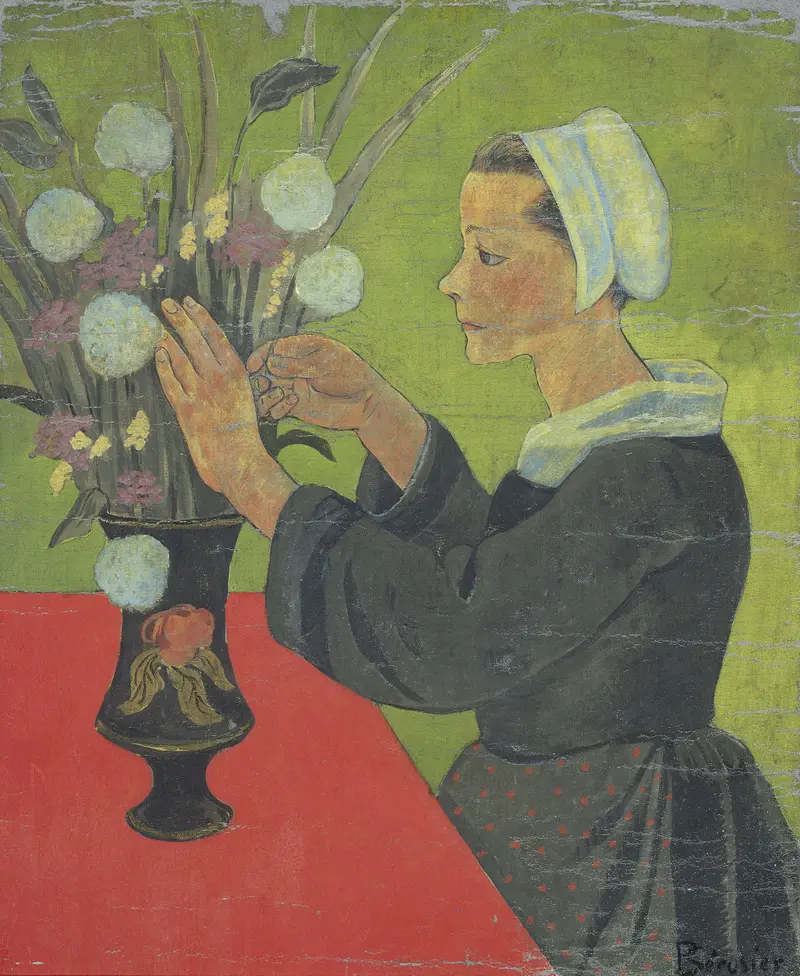
Bretonne au bouquet (Huelgoat)
Paul Sérusier
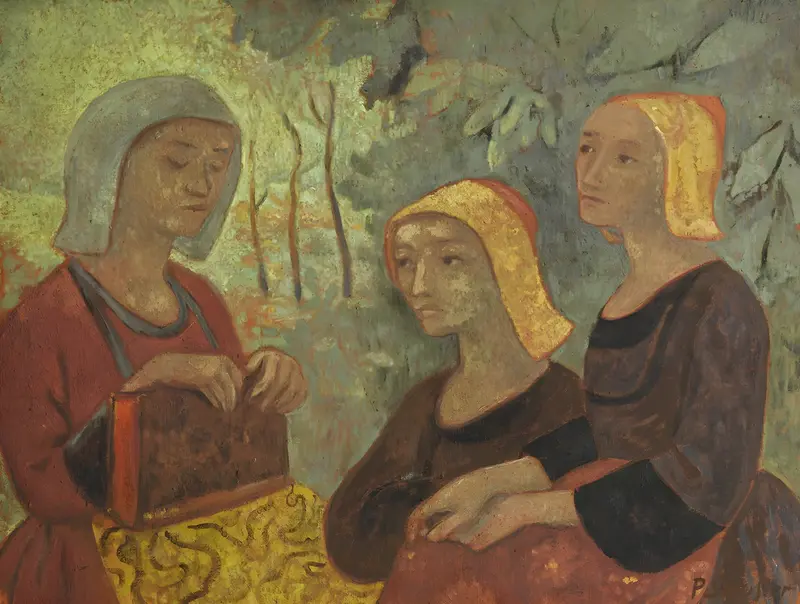
Bretonnes au livre
Paul Sérusier
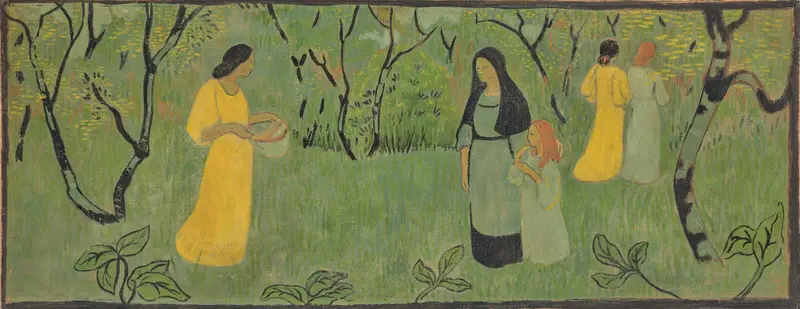
Promenade du Dimanche (Robes Jaunes)
Paul Sérusier
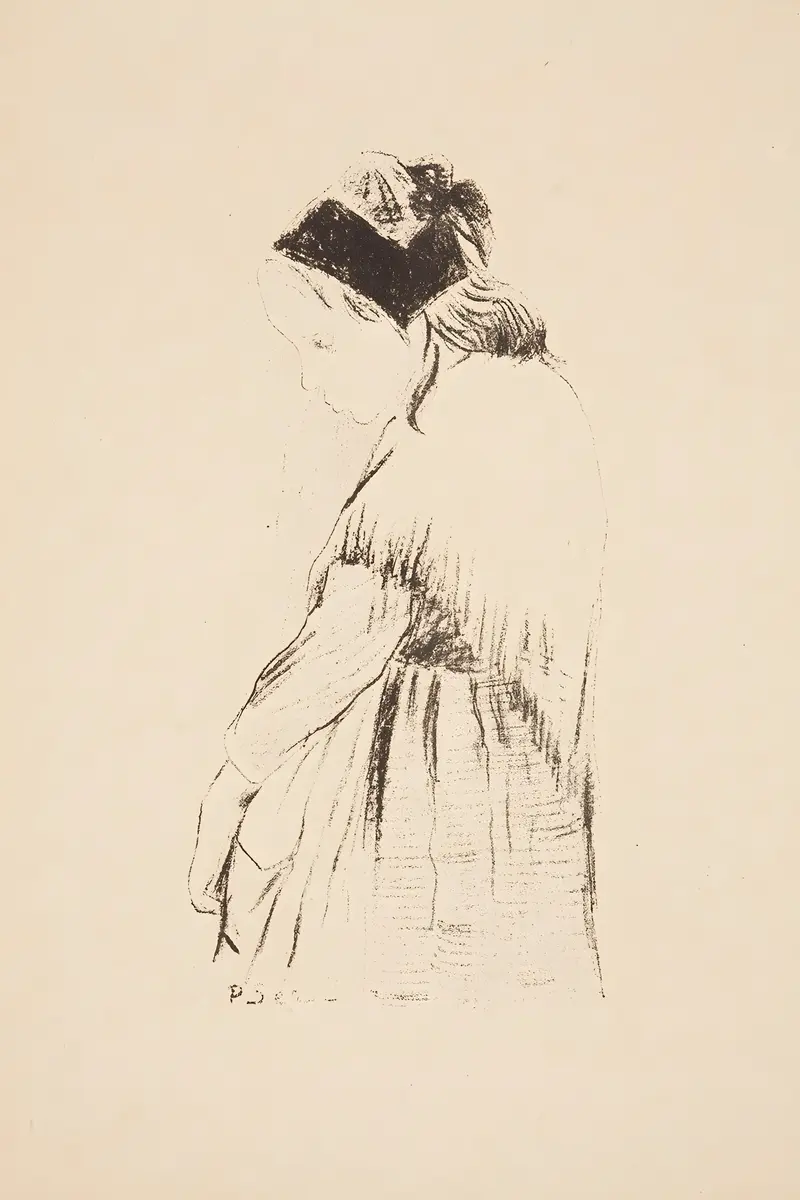
Jeune Bretonne
Paul Sérusier
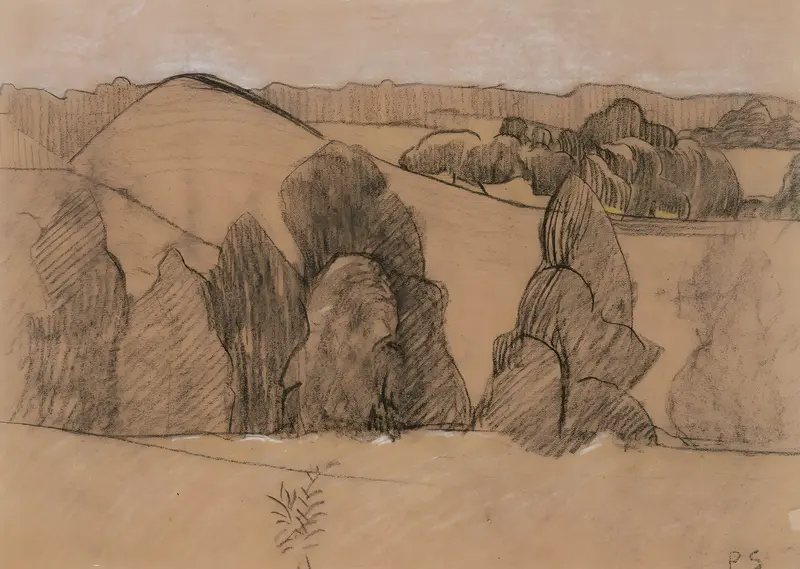
Landscape in Brittany
Paul Sérusier
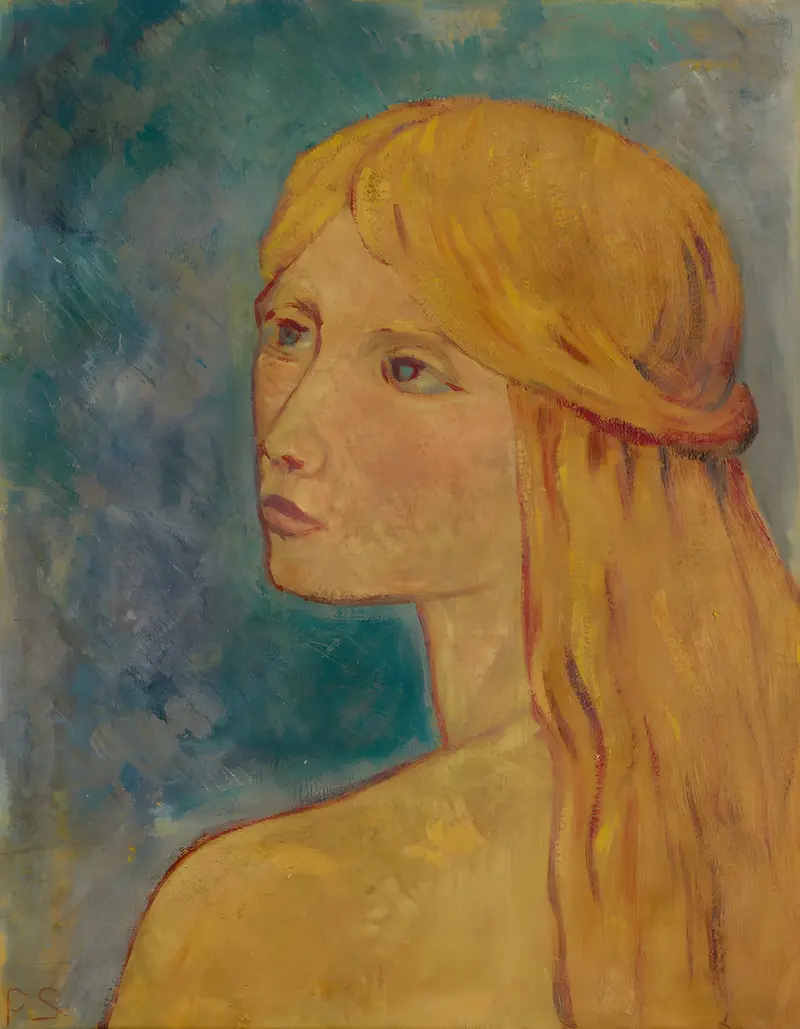
La Rousse
Paul Sérusier
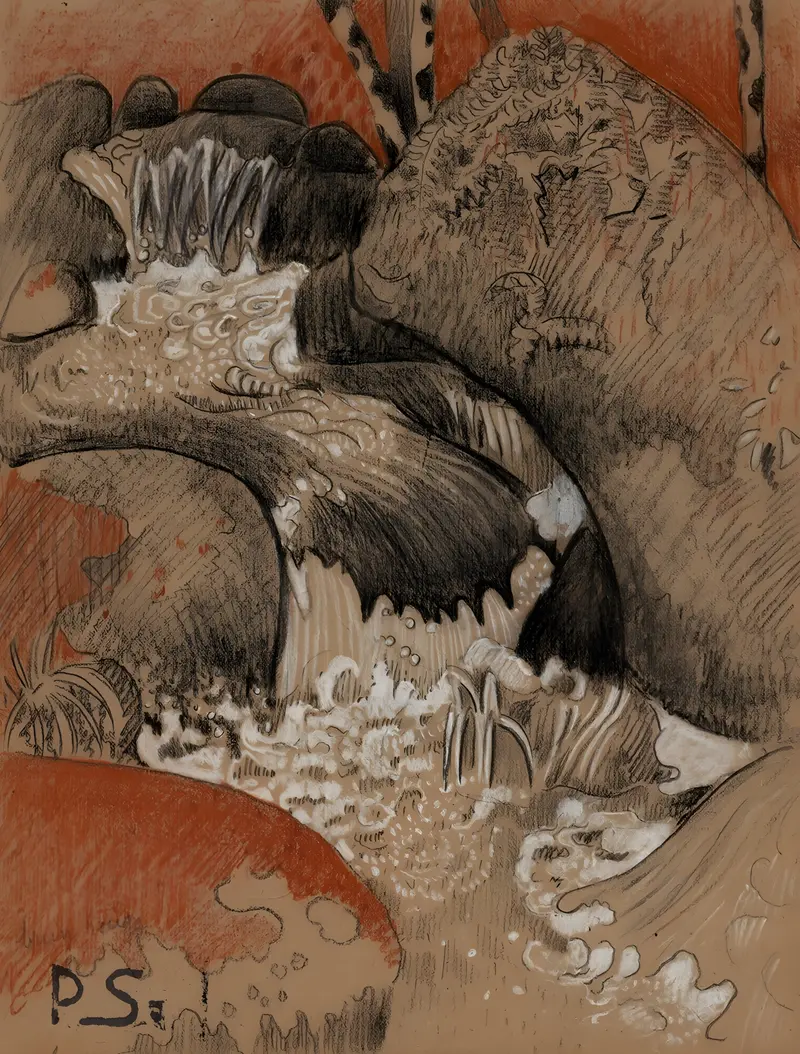
Rochers d’Huelgoat
Paul Sérusier
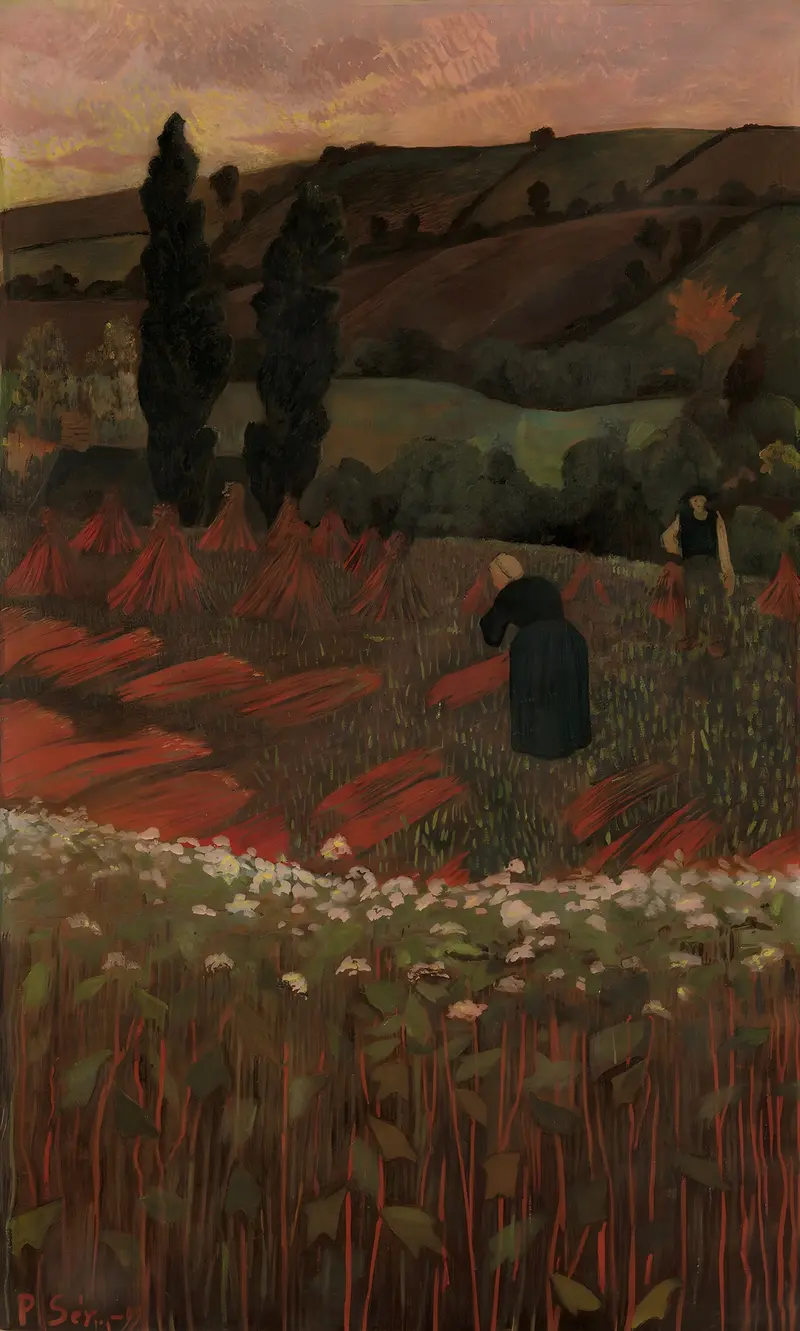
The Harvest of Buckwheat
Paul Sérusier
More Genre Scene Art

Banquet of the Officers of the St George Civic Guard
Frans Hals

Rembrandt and Saskia in the Scene of the Prodigal Son
Rembrandt van Rijn

Bal du moulin de la Galette
Pierre-Auguste Renoir

Quadrille at the Moulin Rouge
Henri de Toulouse-Lautrec

A Burial at Ornans
Gustave Courbet

When Will You Marry?
Paul Gauguin