
Provins — History & Facts
What if beauty was never meant to be finished? The fleeting nature of perfection lingers in the shadows of Provins, capturing a moment suspended in time, a tender acknowledgment of life’s impermanence. Look to the center where a rustic structure emerges from a soft haze, its architectural lines gently intertwining with nature. Notice how the muted tones of ochre and green blend seamlessly, evoking a sense of nostalgia and calm. The brushwork, delicate yet purposeful, creates a textured surface that invites you to trace the contours of the buildings and the surrounding landscape, drawing your gaze deeper into the scene. As your eyes wander, discover the juxtaposition between man-made and natural elements—the sturdy stone walls stand resolute against the ethereal quality of the sky.
This contrast speaks to a deeper emotional tension: the struggle between permanence and transience, a reflection of life itself. Each stroke of Lepère’s brush seems infused with a quiet fear of loss, a longing to capture beauty before it fades away. In 1910, when this piece was created, Lepère was deeply entrenched in the Impressionist movement’s exploration of light and color. Living in France, he was part of a period marked by rapid industrialization and burgeoning modernity, yet his work remained grounded in the simplicity of rural subjects.
It was a time when artists began seeking deeper connections with their environments, and Provins stands as a poignant reminder of the beauty found in the interplay of life and decay.
More Artworks by Auguste Louis Lepère
Browse all →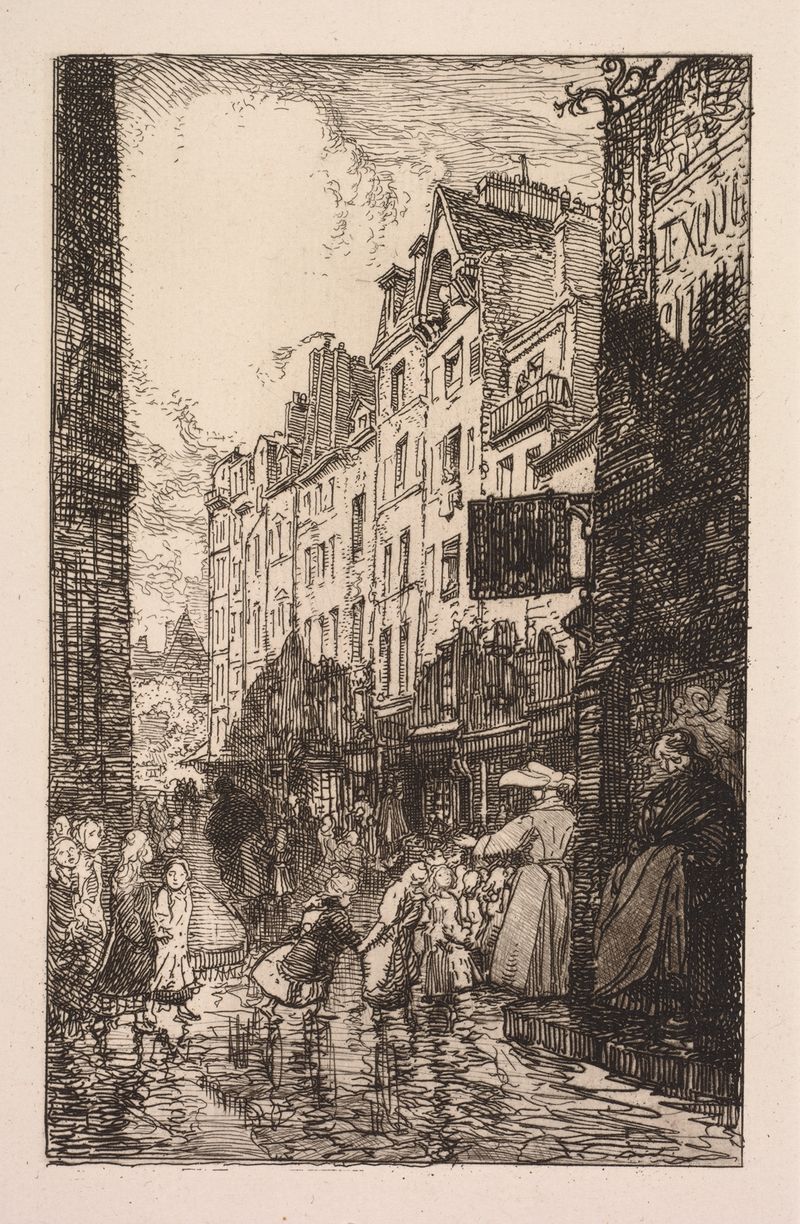
La Rue des Prêtres Saint-Séverin
Auguste Louis Lepère
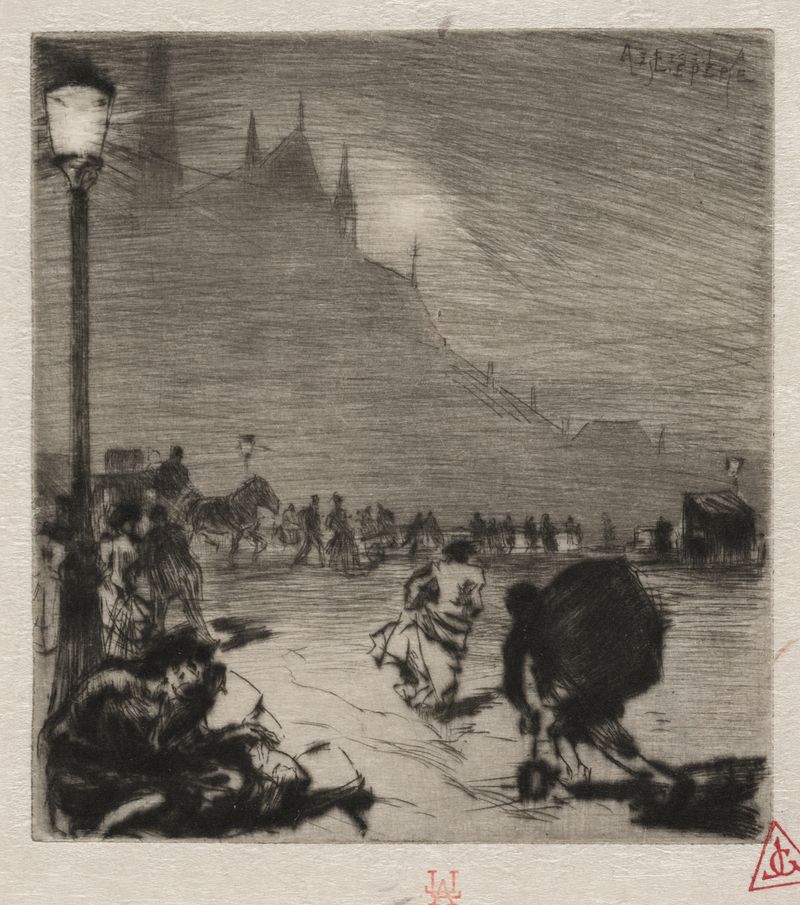
Au Coin du Pont-aux-Doubles
Auguste Louis Lepère
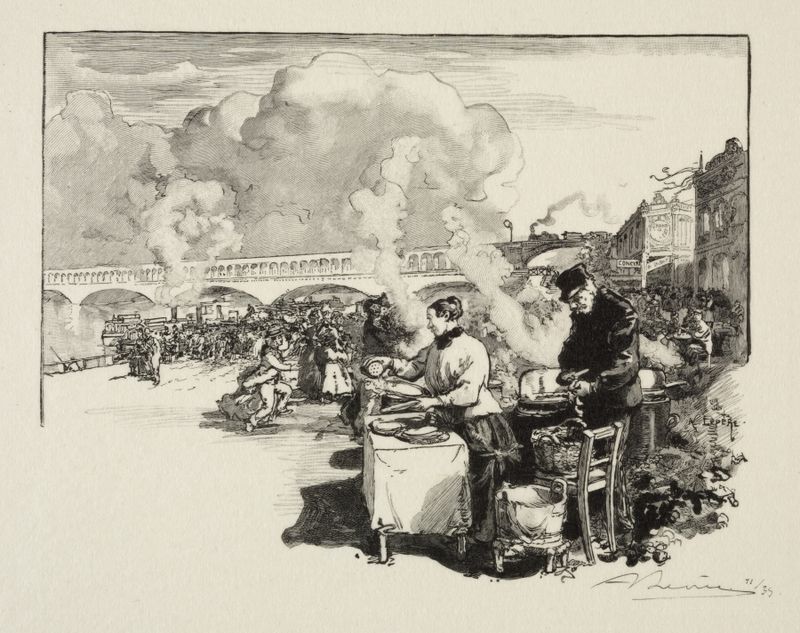
Debarcadère des bateaux-omnibus
Auguste Louis Lepère

La Seine, au quai de la Rapée
Auguste Louis Lepère
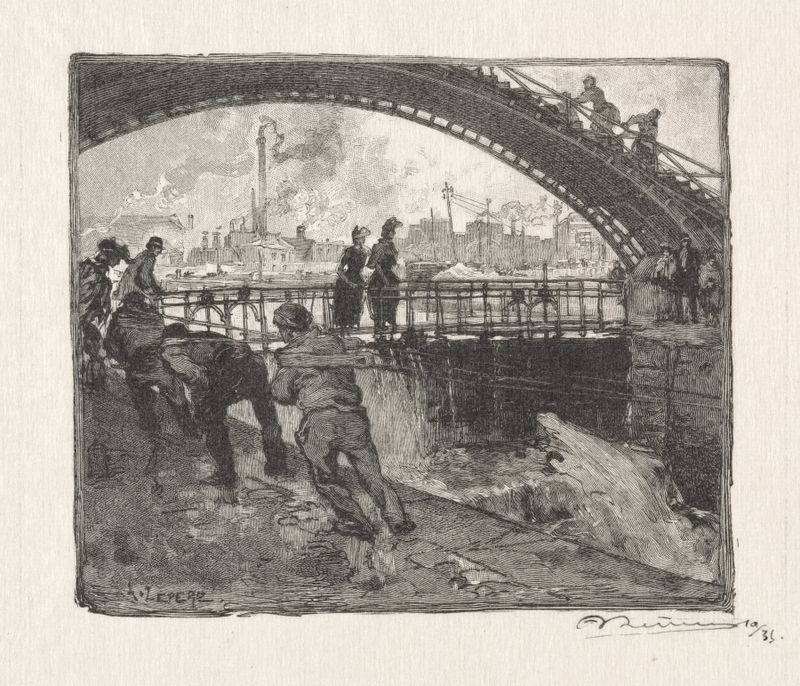
L’Ecluse du Canal St. Martin
Auguste Louis Lepère

Le Boulevard Montmartre, le Soir
Auguste Louis Lepère

Une Chasse au Mont Gérard
Auguste Louis Lepère
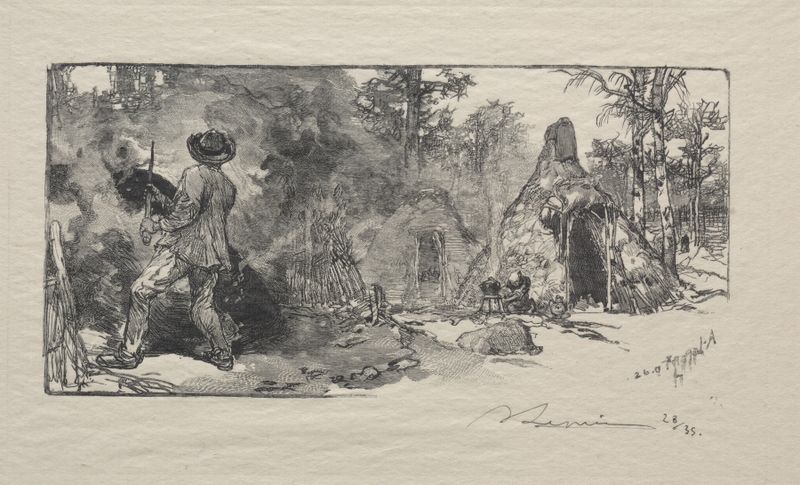
Les Charbonniere
Auguste Louis Lepère
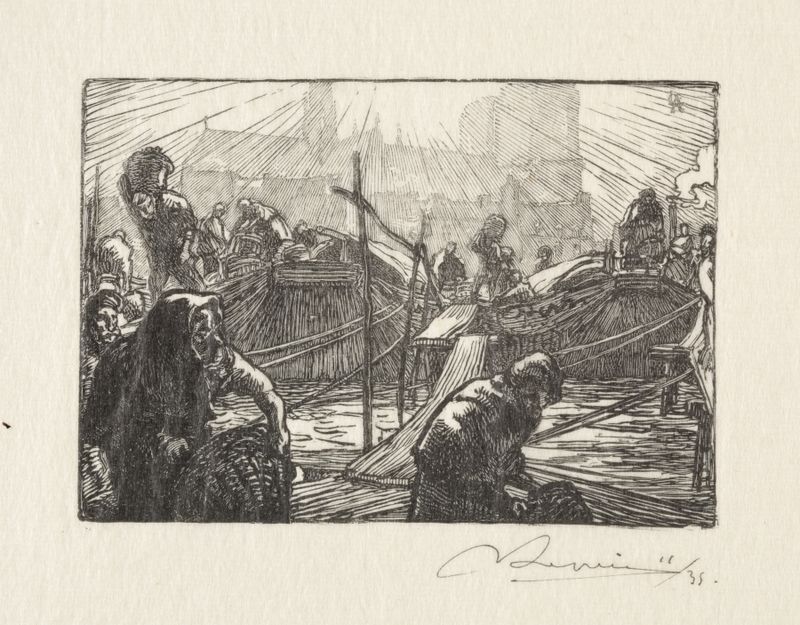
Notre Dame vue du Marché aux pommes
Auguste Louis Lepère

Le Palais des Arts Liberaux, Intèrieur
Auguste Louis Lepère





