
Près Gisors; Saulaie Et Rivière, Effet Du Matin — History & Facts
When did color learn to lie? In a world where hues flicker between authenticity and deceit, the interplay of decay and vibrancy becomes a poignant dialogue in art. Look to the left at the delicate strokes that blend the lush greens of foliage with the muted browns of earth. The soft light of morning bathes the landscape, creating a gentle warmth that invites you deeper into the scene. Notice how the river reflects the sky, its surface shimmering with dappled sunlight, while the trees stand regally, hinting at their own slow decay.
This juxtaposition of life and deterioration is captured with a deft hand, inviting contemplation of nature’s beautiful yet transient existence. Amidst the tranquility, the painting whispers the inevitable passage of time. Each brushstroke conveys the richness of the landscape, yet hints at the decay lurking beneath. The vibrant greens suggest vitality, but here, they coexist with browns that signal rot and renewal.
This duality reflects the emotional tension inherent in the natural world—where growth is intimately tied to decline—a reminder of beauty's fleeting nature. In this undefined moment, the artist found himself weaving through a period of artistic exploration. Working in the mid-19th century, Corot was surrounded by a burgeoning movement towards Impressionism, while still retaining the classical influences of his education. As he painted this landscape, the world around him was shifting, much like the colors on his canvas, reflecting a deep engagement with the burgeoning conversations about light and atmosphere in art.
More Artworks by Jean-Baptiste-Camille Corot
Browse all →
View of Genoa
Jean-Baptiste-Camille Corot
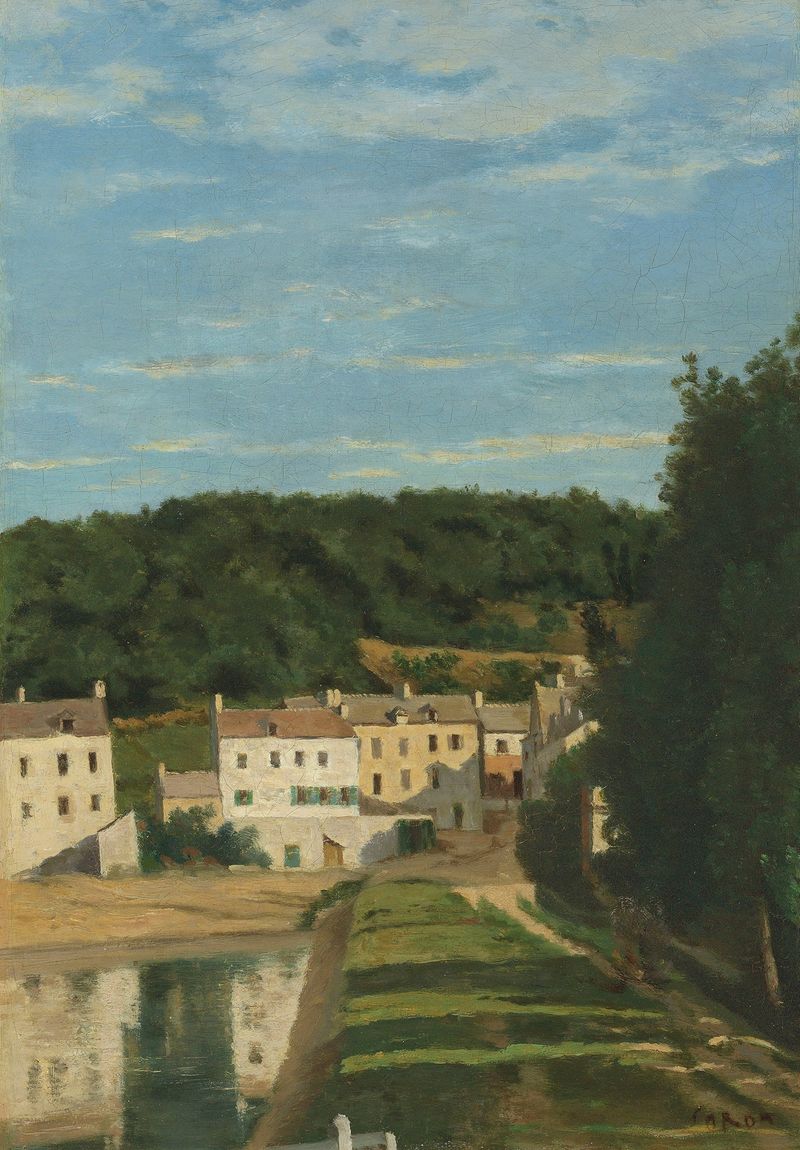
Les Maisons Cabassud À Ville D’avray
Jean-Baptiste-Camille Corot

La solitude. Souvenir de Vigen (Limousin)
Jean-Baptiste-Camille Corot
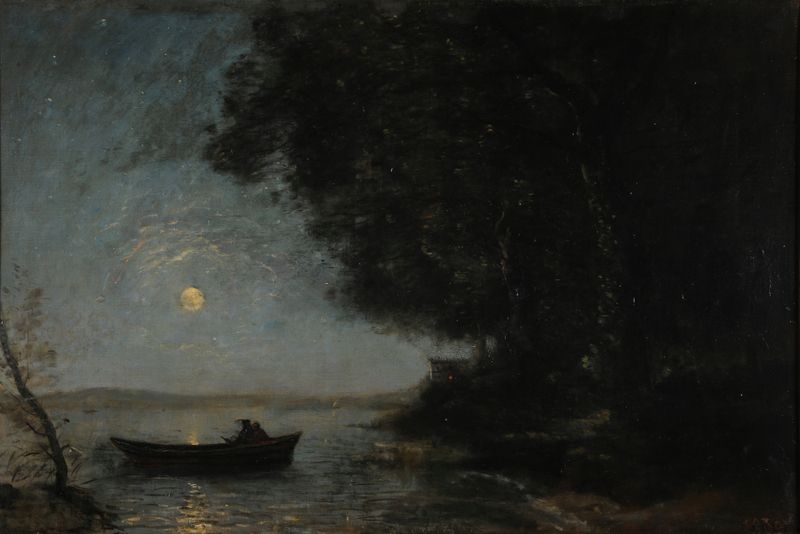
Le lac ; effet de nuit
Jean-Baptiste-Camille Corot
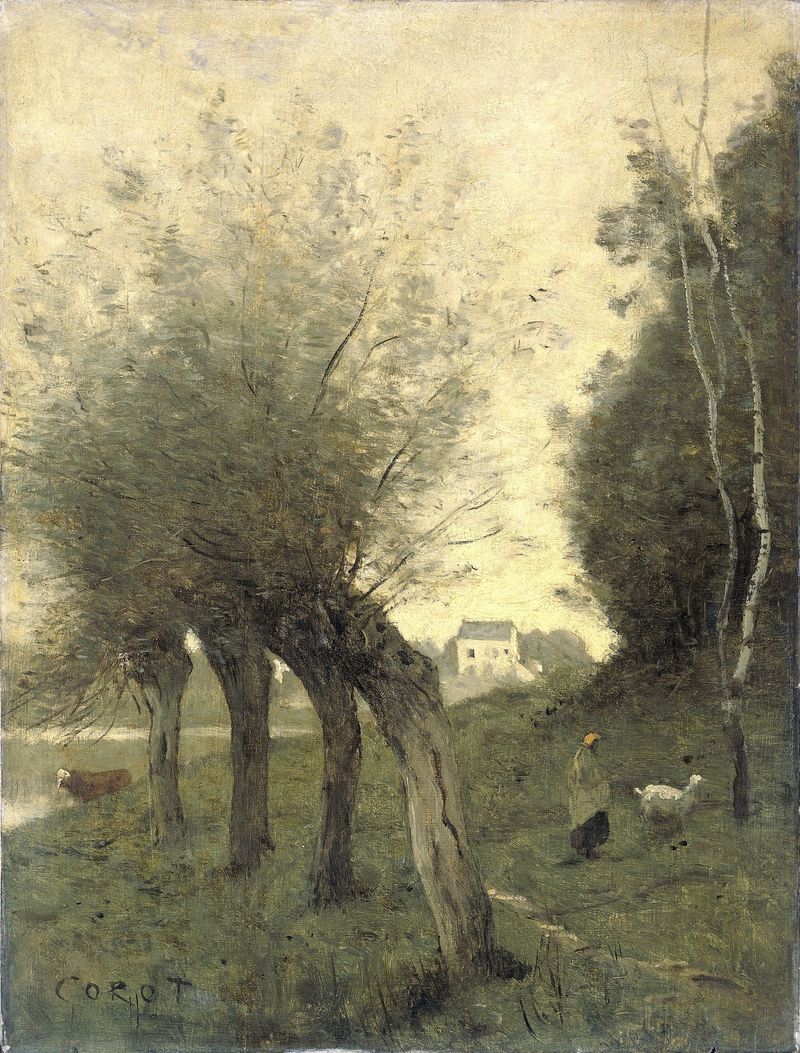
Landscape with Pollard Willows
Jean-Baptiste-Camille Corot
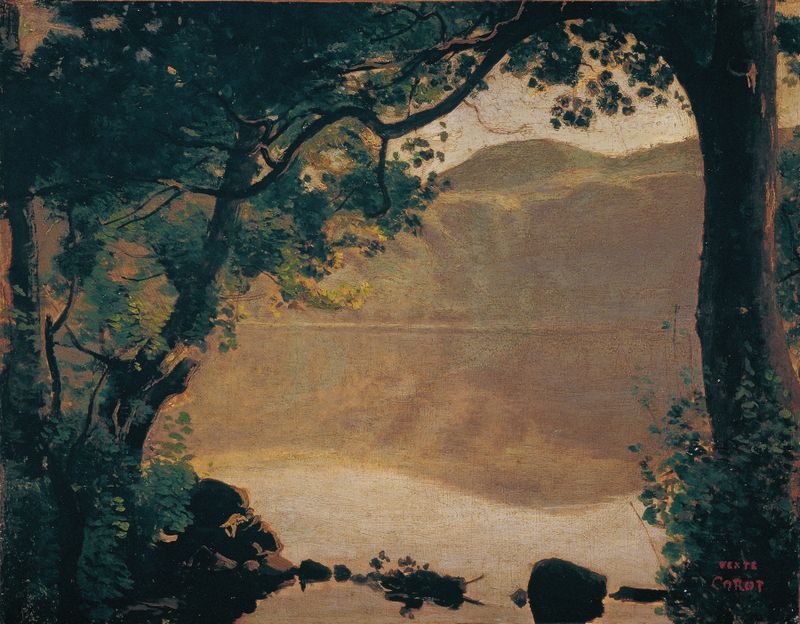
Der Nemisee
Jean-Baptiste-Camille Corot
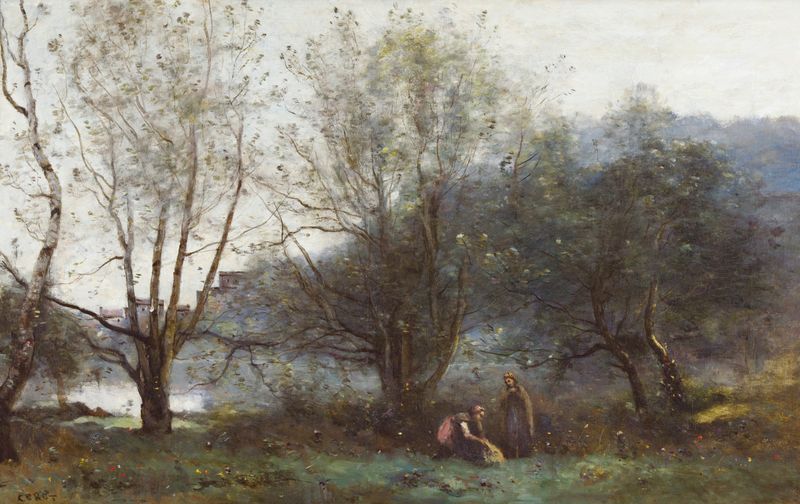
Les Étangs De Ville D’avray
Jean-Baptiste-Camille Corot
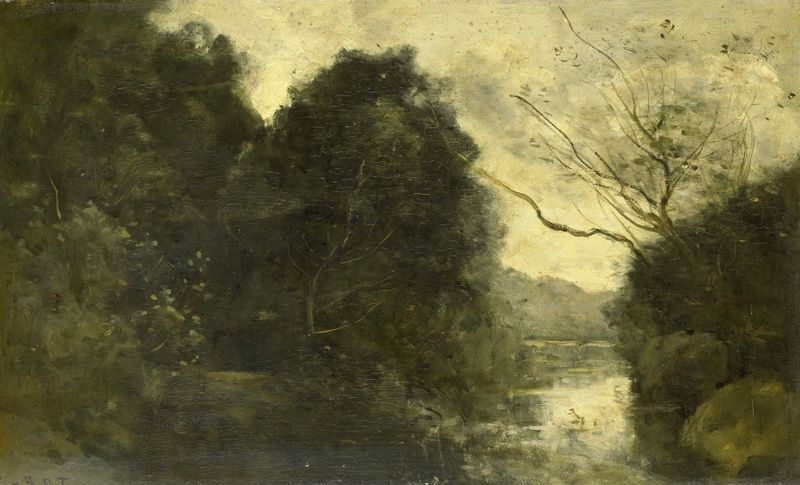
Pond in the Woods
Jean-Baptiste-Camille Corot
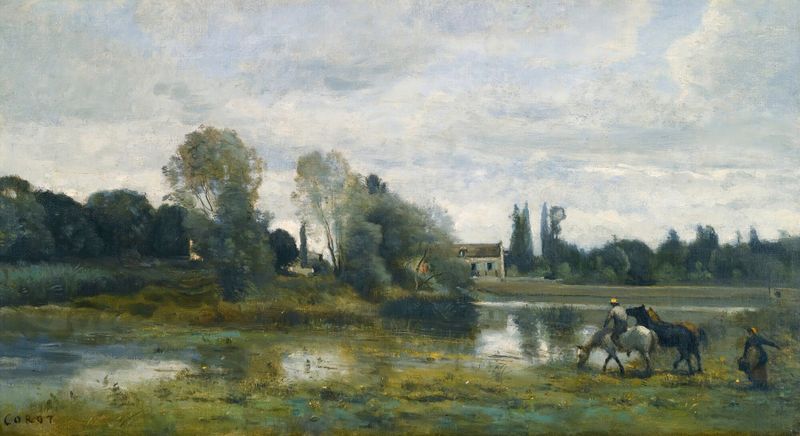
Ville D’avray; L’abreuvoir Des Chevaux
Jean-Baptiste-Camille Corot
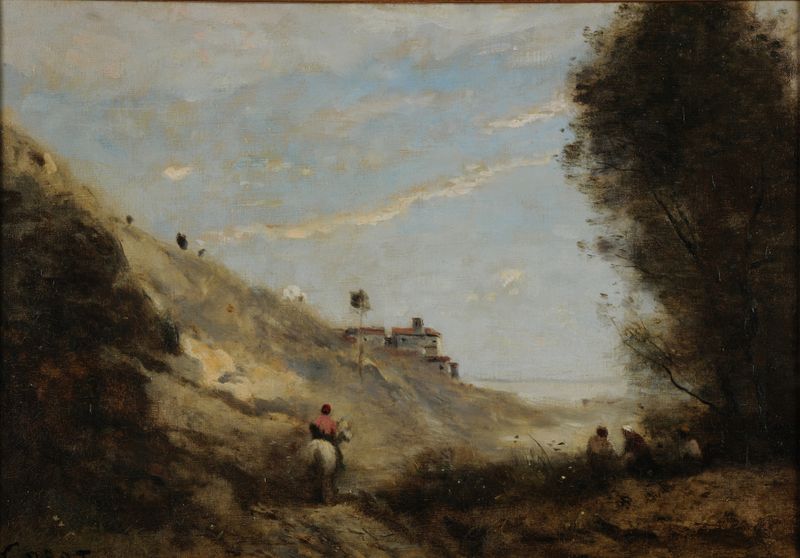
Le vallon au cavalier
Jean-Baptiste-Camille Corot





