
Pâturages, Hesnes — History & Facts
Can paint confess what words never could? In Pâturages, Hesnes, the essence of memory surges to the forefront, evoking a quiet yet profound nostalgia that transcends spoken language. Look to the vivid greens and soft browns, where the undulating hills seem to cradle the fleeting light of a day just beginning to fade. The brushstrokes, fluid and deliberate, capture the gentle sway of grass in a late afternoon breeze, inviting you to feel the landscape as if it were a living organism. Notice how the play of light dances across the scene, illuminating patches while leaving others in soft shadow, creating a harmonious balance that suggests both tranquility and the passage of time. Delve deeper into the details: the solitary figure in the distance, a mere silhouette against the unfolding lushness, hints at the human connection to the land.
The contrast between the vibrant foreground and the muted horizon symbolizes the tension between presence and absence, inviting reflection on one’s relationship with the past. Each stroke of paint seems to whisper secrets of an idyllic moment, resting in the heart of memory itself. Albert Marquet painted this work in the early 20th century, during a time when he was exploring the interplay of light and color in his landscapes. Living in Paris, he was influenced by the Impressionist movement, but sought to carve his path that focused on the emotive power of nature.
The world was in flux, with rapid changes in society and art, but Marquet found solace in the rural scenes that connected him to a more serene existence, away from the chaos of modern life.
More Artworks by Albert Marquet
Browse all →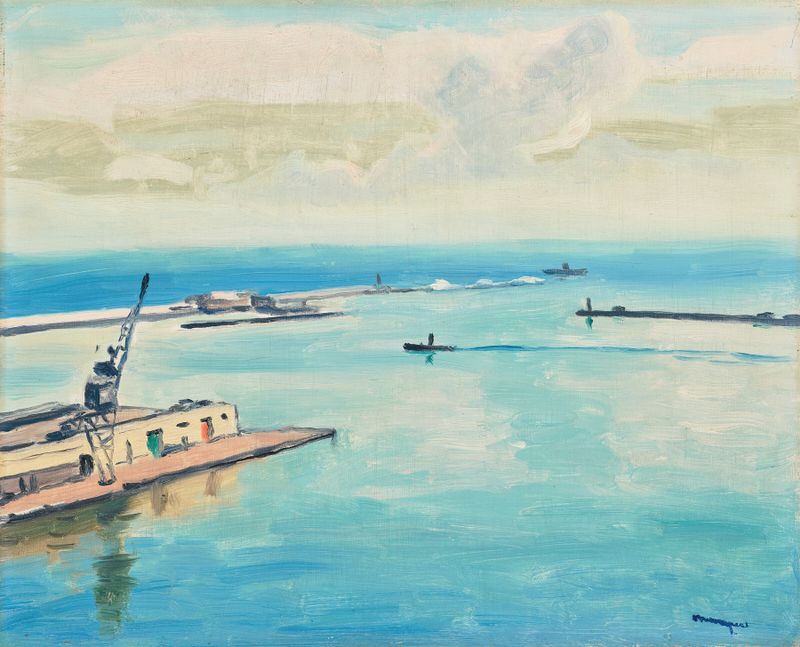
Le Port d’Alger
Albert Marquet
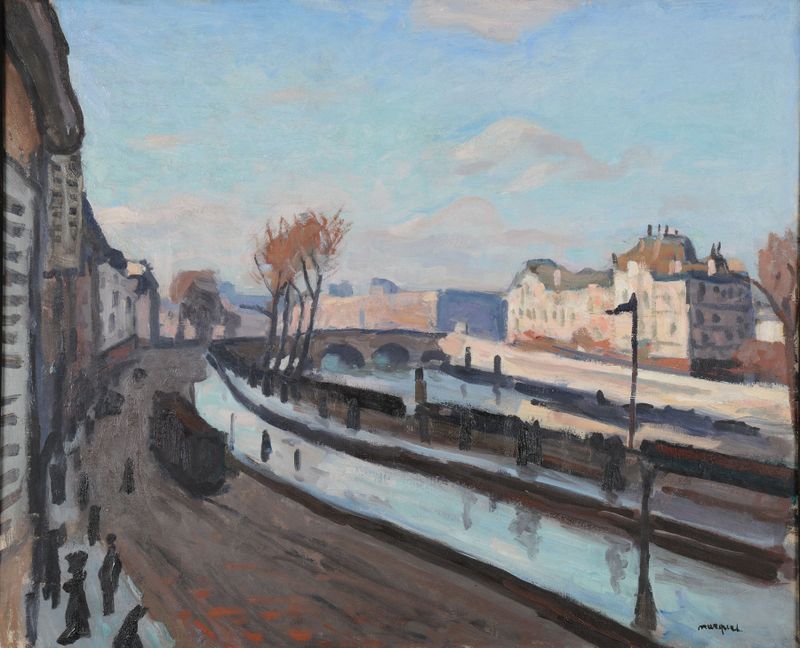
Le quai des Grands Augustins
Albert Marquet
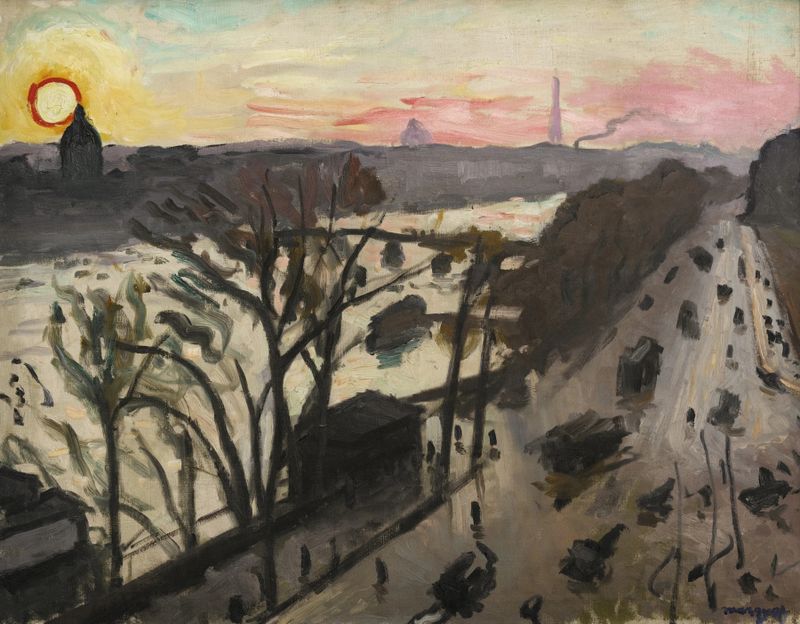
Paris, quai du Louvre, soleil d’hiver
Albert Marquet
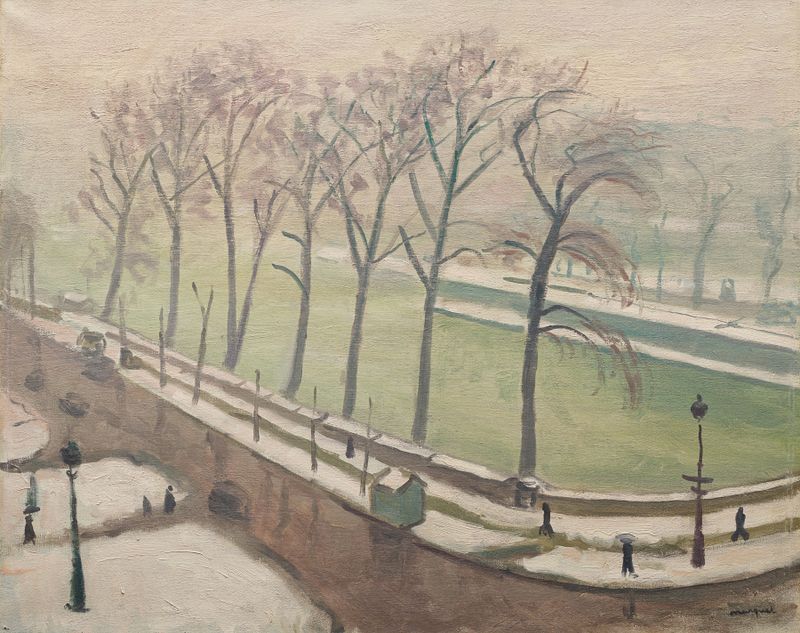
Pont-Neuf sous la neige
Albert Marquet
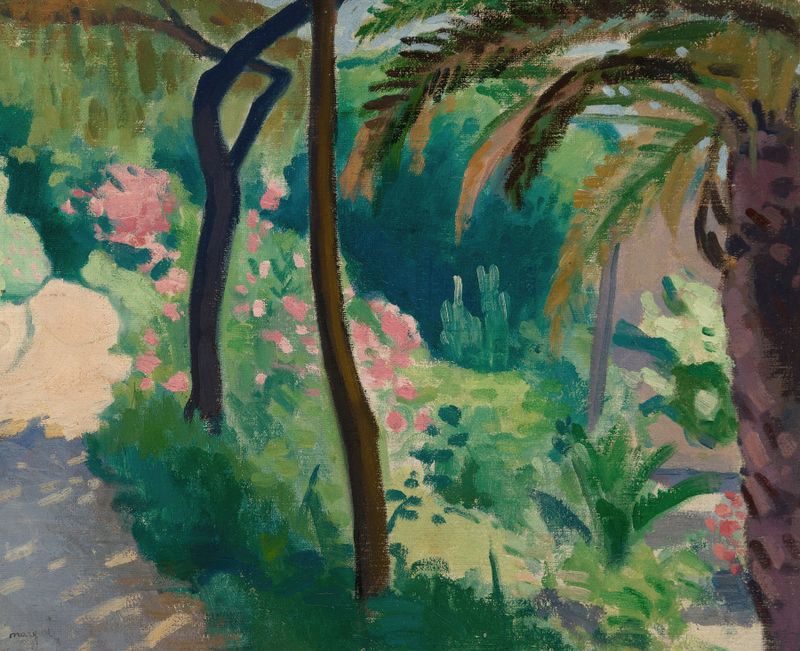
Le jardin à l’Estaque
Albert Marquet
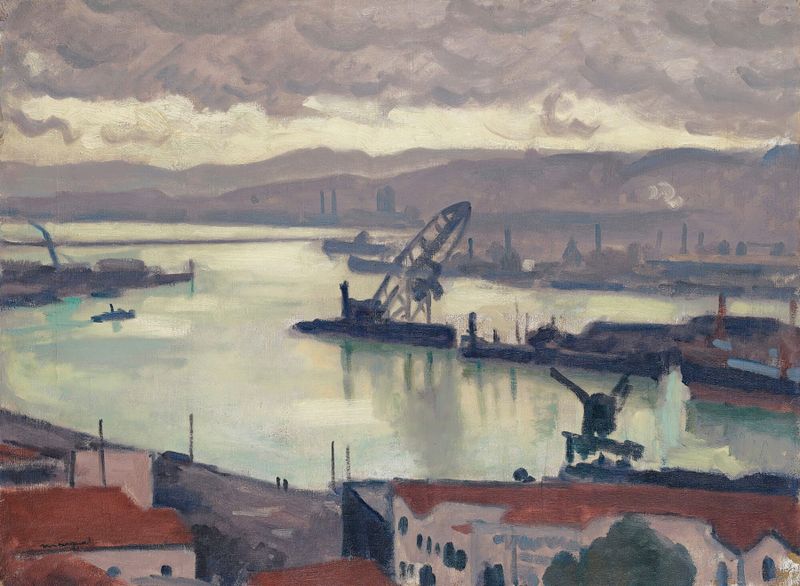
Alger, Temps Gris
Albert Marquet
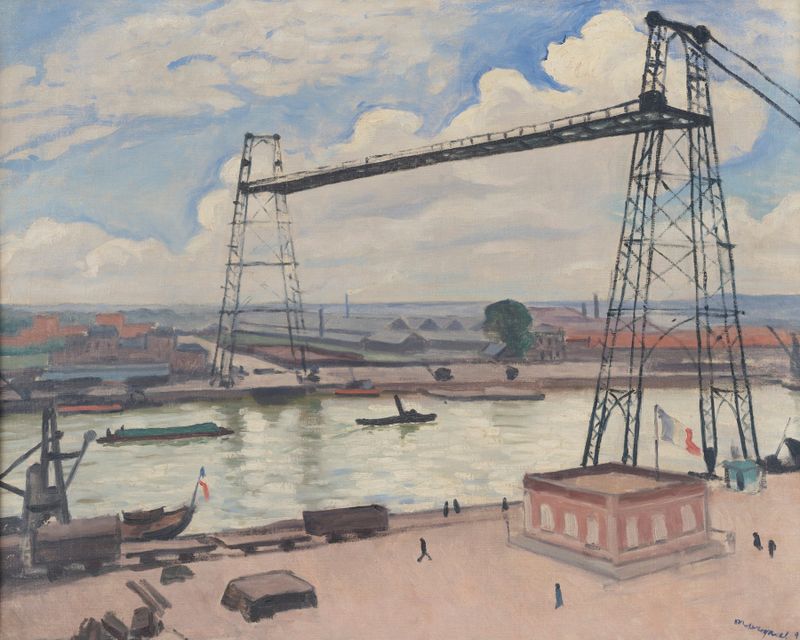
Rouen, le pont transbordeur
Albert Marquet
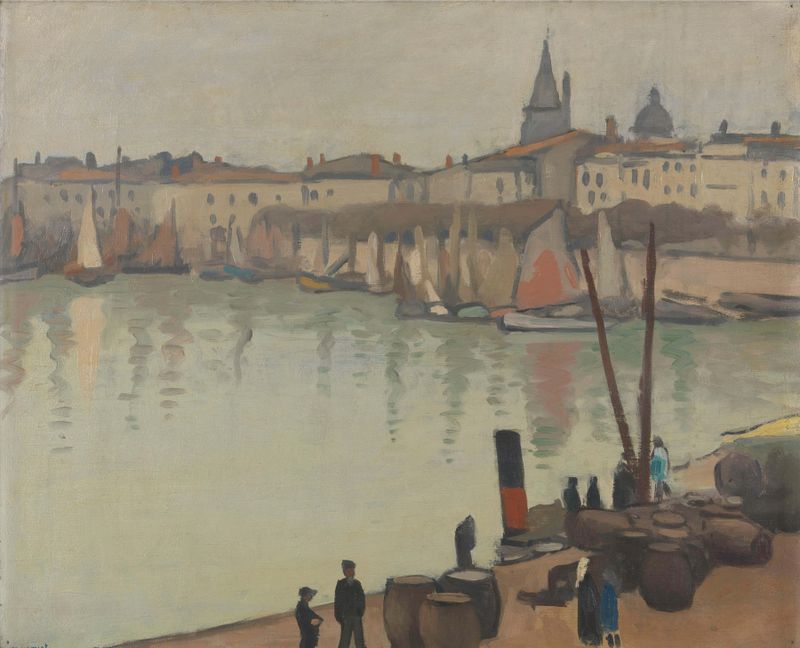
Port of La Rochelle
Albert Marquet

Berge de la Seine à Méricourt
Albert Marquet
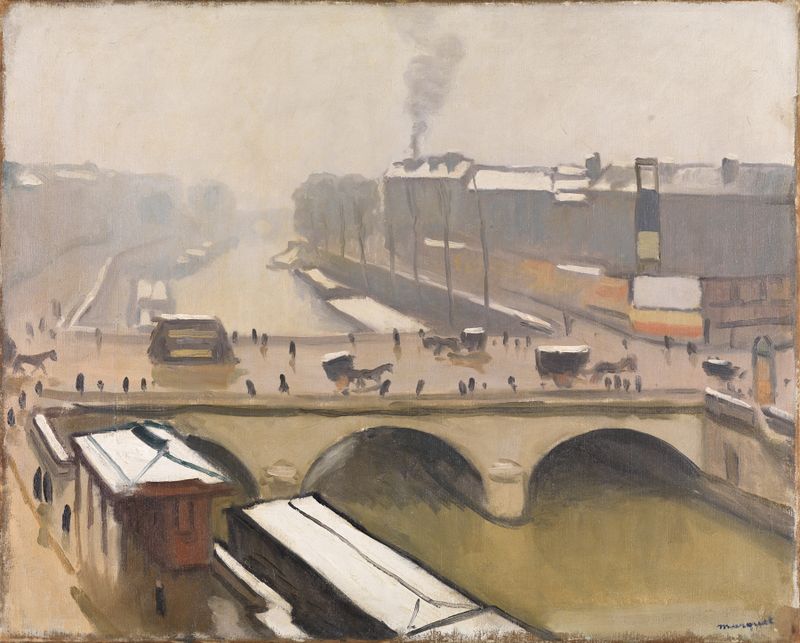
View of the Pont Saint-Michel in Paris
Albert Marquet





