
Pueblo at Sunset (Laguna) — History & Facts
In Pueblo at Sunset, the vibrant hues and sweeping forms evoke an ecstasy that transcends mere observation. The sunset scene captures a fleeting moment where nature and architecture coexist, urging us to pause and reflect on the profound beauty of existence. Look to the center of the canvas, where warm oranges and deep purples collide in a brilliant sky that seems almost alive. Notice how the Pueblo structures stand resolutely against this backdrop, their earthy tones grounding the ethereal radiance above.
The interplay of light and shadow not only defines the architecture but also expresses a deep sense of harmony between the built environment and the landscape, inviting viewers into a serene yet stirring dialogue. As your gaze wanders, the contrast between the vibrant sky and the muted foreground suggests an impending twilight, an ephemeral beauty that speaks to the passage of time. The brushstrokes convey a palpable energy, pulsating with joy yet underscored by a hint of melancholy. Here, the Pueblo people’s connection to their land becomes a profound narrative of resilience, echoing both cultural pride and the transience of life itself. In 1901, Thomas Moran was deeply entrenched in his role as a leading figure of the American West's artistic movement.
Living in the tumultuous backdrop of burgeoning industrialization, he sought to capture the untouched beauty of the landscapes and cultures he encountered. This work reflects his commitment to portraying the sublime, as well as his passion for environmental preservation—elements that resonated within the art world of his time.
More Artworks by Thomas Moran
Browse all →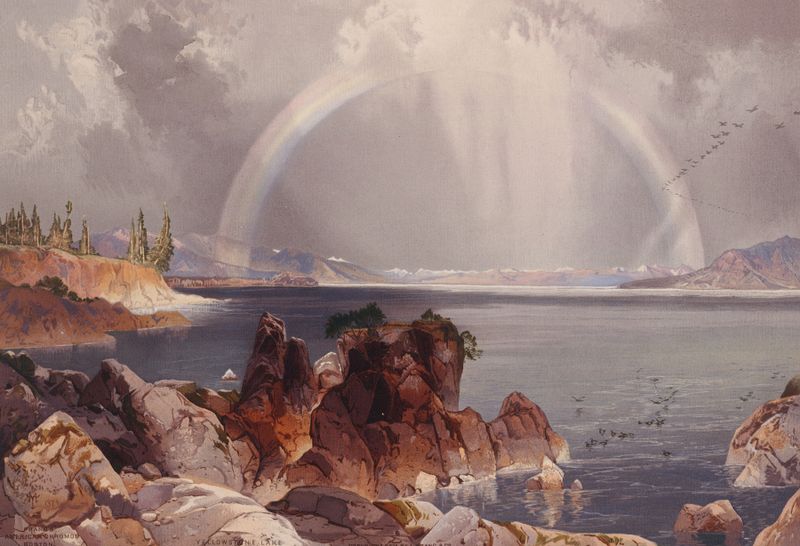
Yellowstone Lake
Thomas Moran

Grand Canyon of the Colorado River
Thomas Moran

Grand Canyon, Colorado River
Thomas Moran

The Towers of Tower Falls, Yellowstone
Thomas Moran
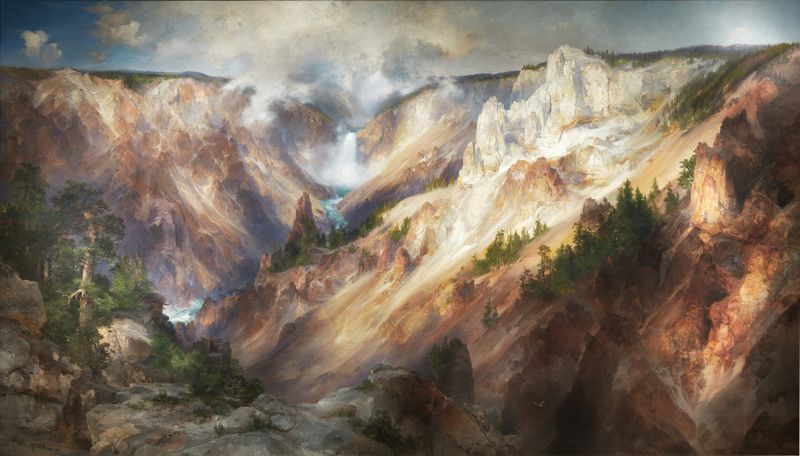
The Grand Canyon Of The Yellowstone
Thomas Moran

Mountain of the Holy Cross
Thomas Moran

Cliffs Of The Upper Colorado River, Wyoming Territory
Thomas Moran
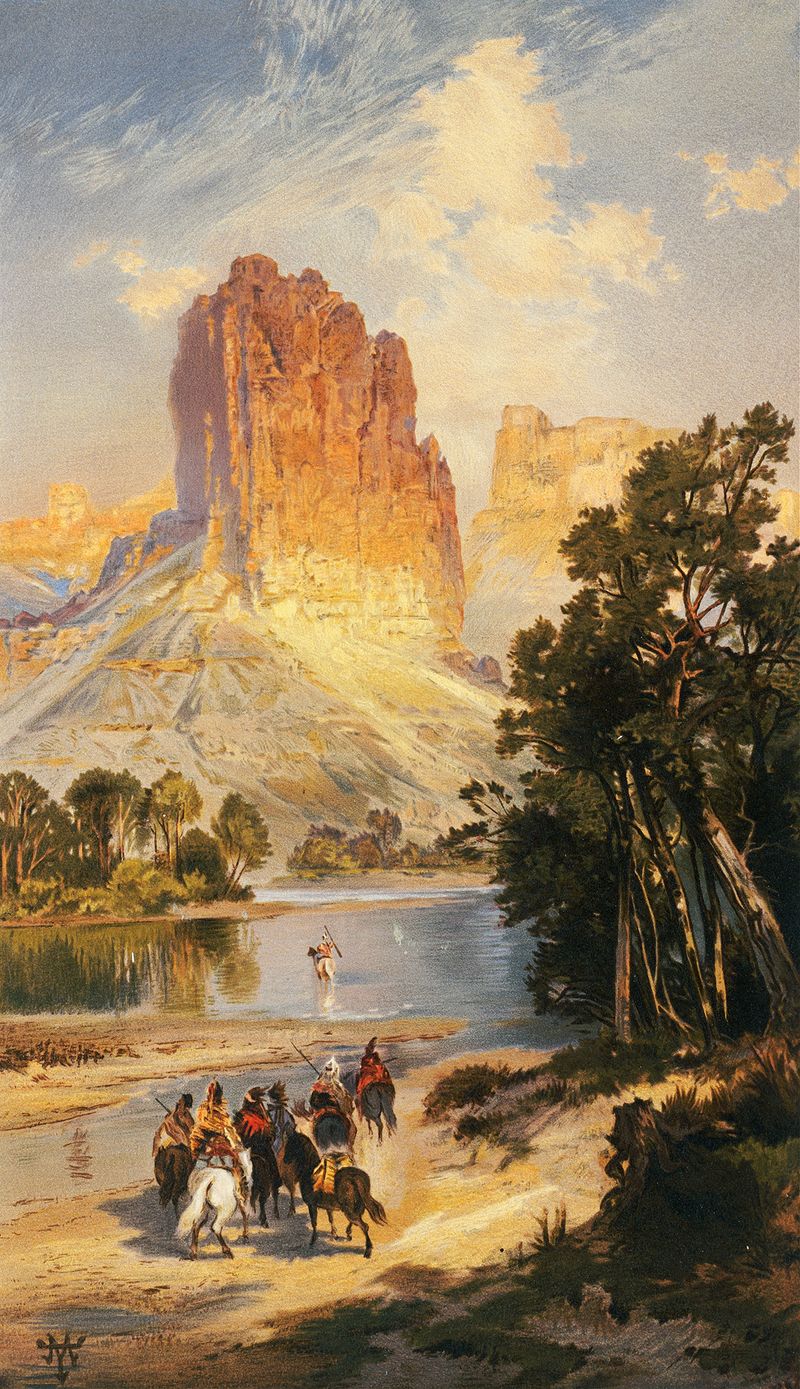
Cliffs of the Upper Colorado River, Wyoming Territory
Thomas Moran

Mammoth Hot Springs, Yellowstone
Thomas Moran
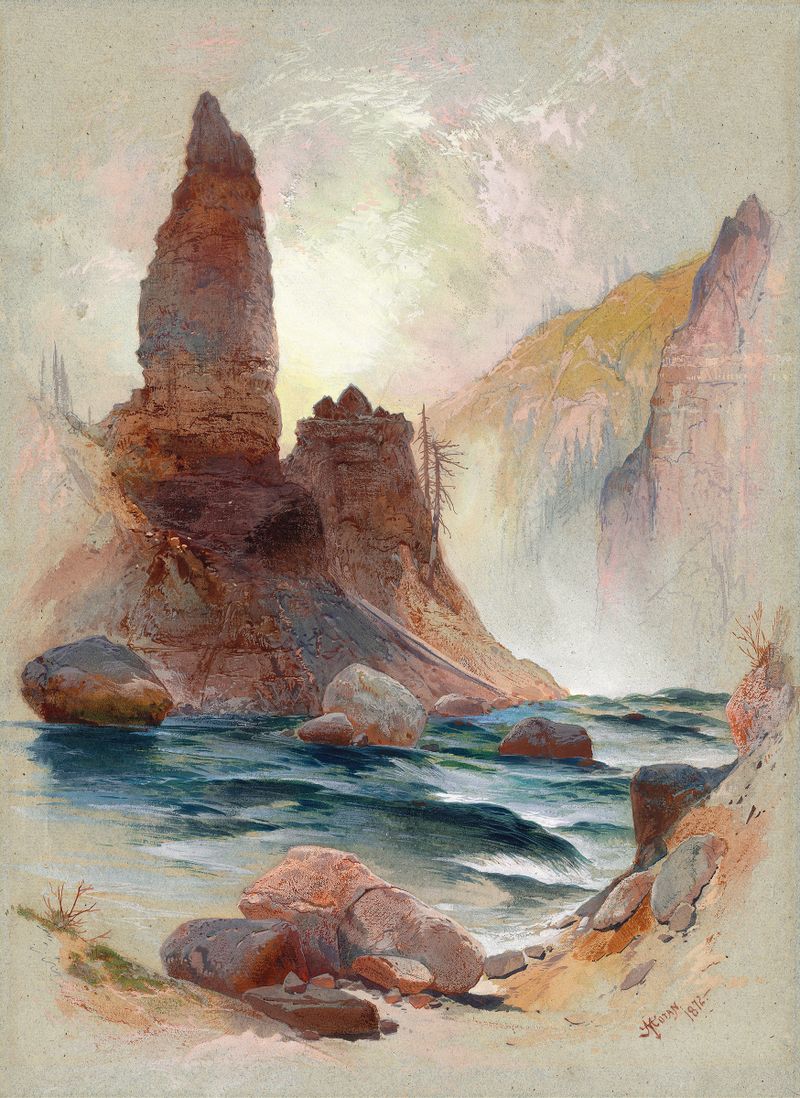
Tower at Tower Falls, Yellowstone
Thomas Moran





