
Punta del Gada from the Anchorage; Azores — History & Facts
Can paint confess what words never could? In Punta del Gada from the Anchorage, a haunting stillness stretches across the canvas, inviting the viewer to confront the emptiness that envelops the scene. Look to the foreground, where gentle waves lap against the shore, their rhythmic dance contrasting with the sharp, rocky cliffs that rise quickly behind. The palette is dominated by muted greens and soft browns, with the sky a blend of pale blues, hinting at a day caught between dawn and dusk. Notice the way the light filters down, casting elongated shadows that accentuate the jagged edges of the landscape, suggesting a world both inviting and isolating. Within this composition lies a tension between the serene beauty of the natural world and the profound solitude it evokes.
The empty harbor speaks of journeys not taken and stories untold, while the distant cliffs stand as silent sentinels, reminding us of the isolation that often accompanies such breathtaking vistas. Each brushstroke carries the weight of absence, transforming the quiet scene into a poignant exploration of human longing. Charles Hamilton Smith painted this work during a period of exploration and change, likely in the early 19th century as he navigated the evolving dynamics of landscape art. At the time, he was captivated by the unique geography of the Azores, reflecting a growing Western fascination with remote and exotic locations.
His artistic journey not only mirrored personal discoveries but also resonated with a broader cultural shift towards appreciating the sublime and the solitary in nature.
More Artworks by Charles Hamilton Smith
Browse all →
Situation of H.M.S. Hecla & Griper
Charles Hamilton Smith
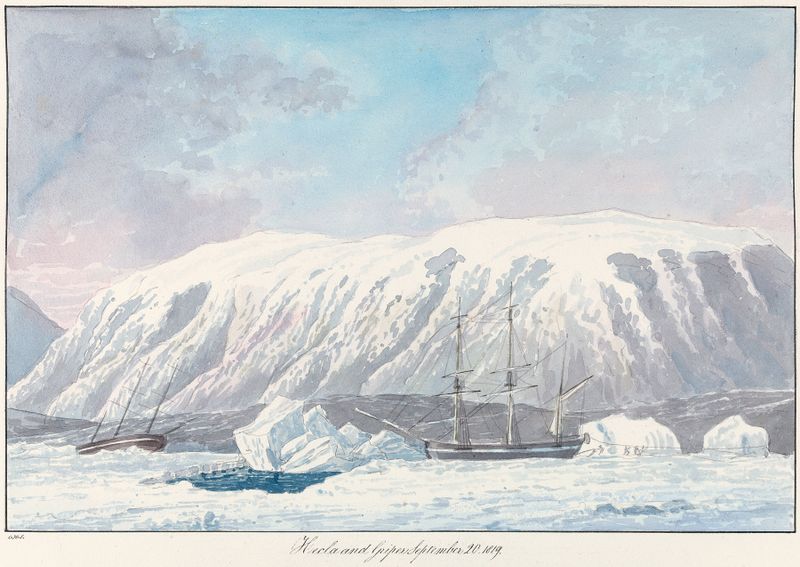
Hecla and Griper
Charles Hamilton Smith

Friendly Cove, Nootka Sound
Charles Hamilton Smith

Iceberg in Baffin’s Bay
Charles Hamilton Smith
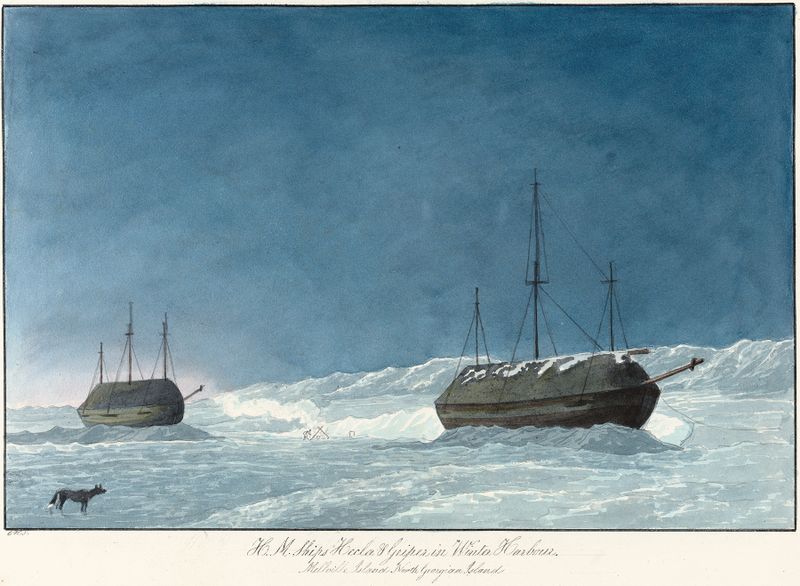
H. M. Ships Hecla and Griper in Winter Harbour
Charles Hamilton Smith

The Erebus & Terror in a Gale in the Pack of the Ice
Charles Hamilton Smith
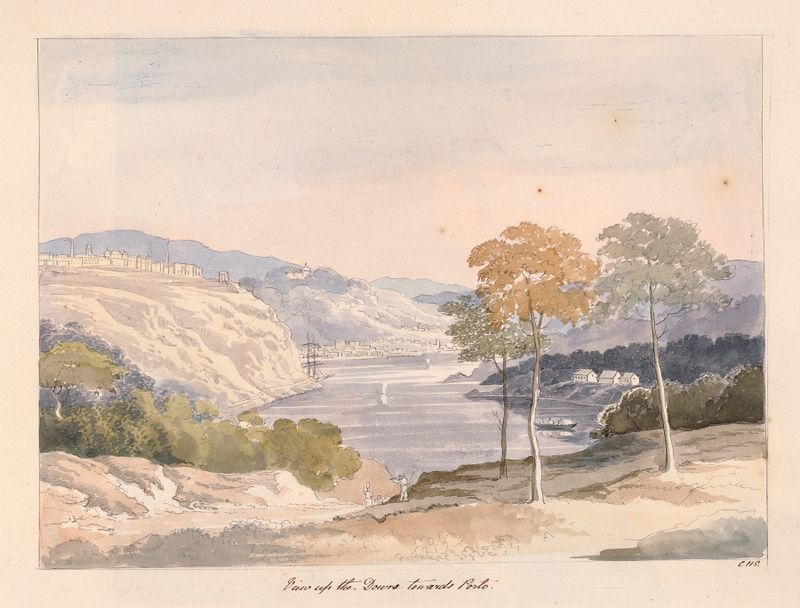
View of the Douro towards Porto
Charles Hamilton Smith
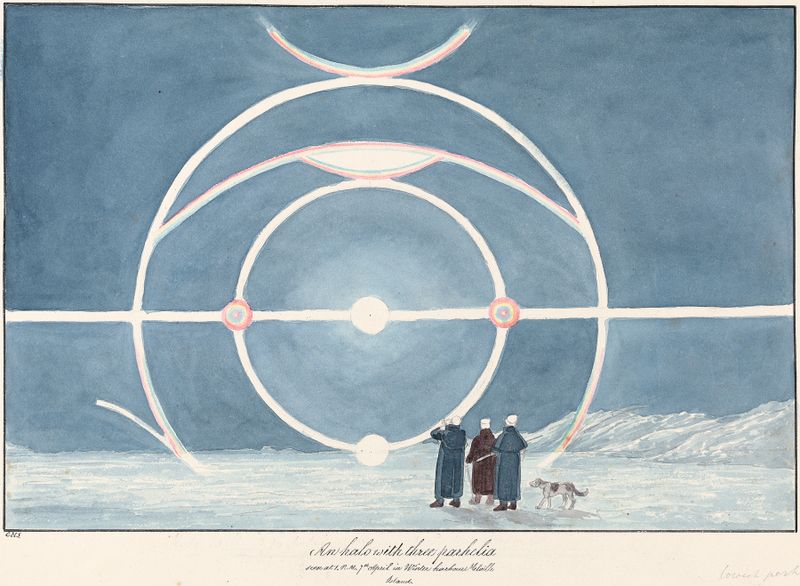
Halo with Three Parhelia, Winter Harbour Melville Island
Charles Hamilton Smith
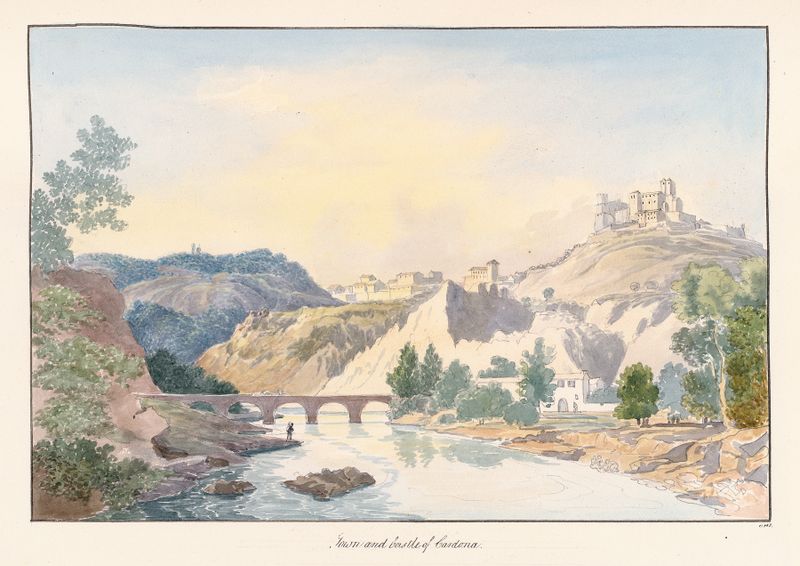
Town and Castle of Cardona
Charles Hamilton Smith
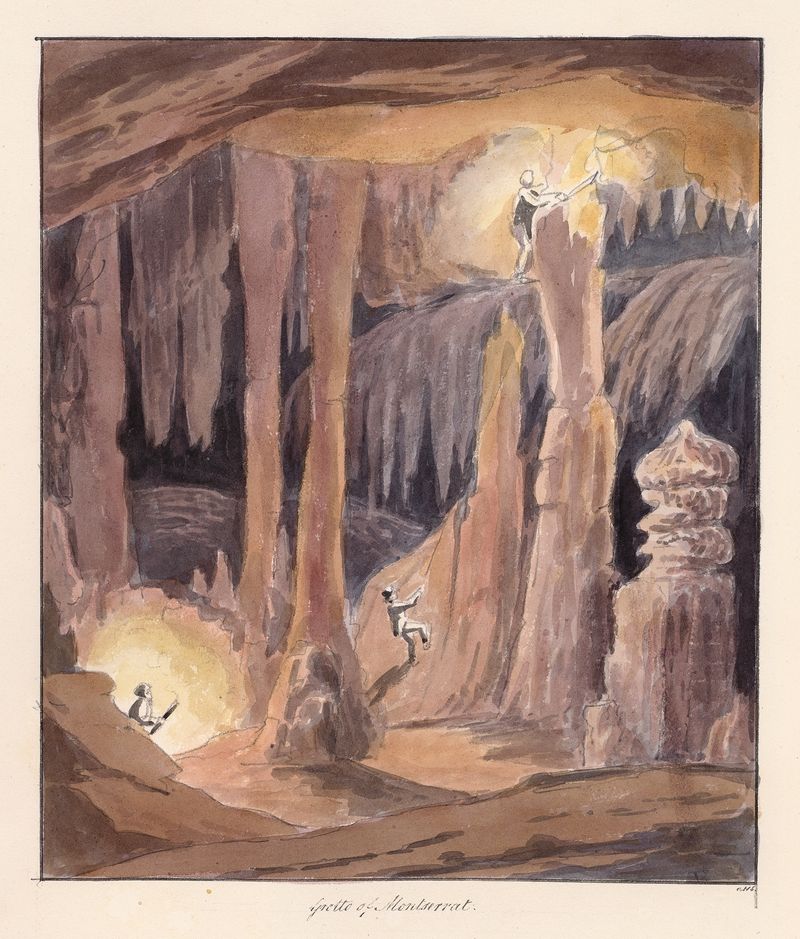
Grotto of Montserrat
Charles Hamilton Smith





