
Purjevene myötätuulessa, ruokalistan luonnos — History & Facts
A sailboat glides across a sunlit sea, its white sail catching both the wind and the viewer’s eye—not with a racing number or a yacht club crest, but with a handwritten menu, as if the day’s voyage were itself a feast. The boat is crowded with playful, cherubic figures, their gestures brimming with the mischief and delight of a summer outing. One leans over the side to dip a hand in the water, another waves a bouquet of flowers, while others cluster around a picnic-like spread, their bodies catching the same bright light that dances on the water.
The flags at the mast—one a Danish cross, another a blue saltire—hint at a cosmopolitan gathering or perhaps a playful nod to the artist’s own travels. The scene is lighthearted, but the careful arrangement of figures and the luminous handling of water and sky draw the eye deeper, inviting us to linger in this fleeting, festive moment. Works like this, a sketch or painted draft from Albert Edelfelt, belong to a world where art and daily life often mingled in witty, ephemeral forms. In the late nineteenth and early twentieth centuries, artists were sometimes called upon to design menus, invitations, and program covers for private gatherings or public festivities—objects meant to be both functional and delightful.
Edelfelt, celebrated for his portraits and scenes of Nordic life, here turns his hand to a genre that blurs the line between fine art and social ritual. The playful subject and informal medium speak to a time when artists moved easily between grand commissions and the intimate pleasures of conviviality. Now held in the Finnish National Gallery’s collection, this work survives as a lighthearted testament to the era’s appetite for beauty in even the most everyday occasions—an invitation, still open, to join the party.
More Artworks by Albert Edelfelt

The Day of Rest
Albert Edelfelt
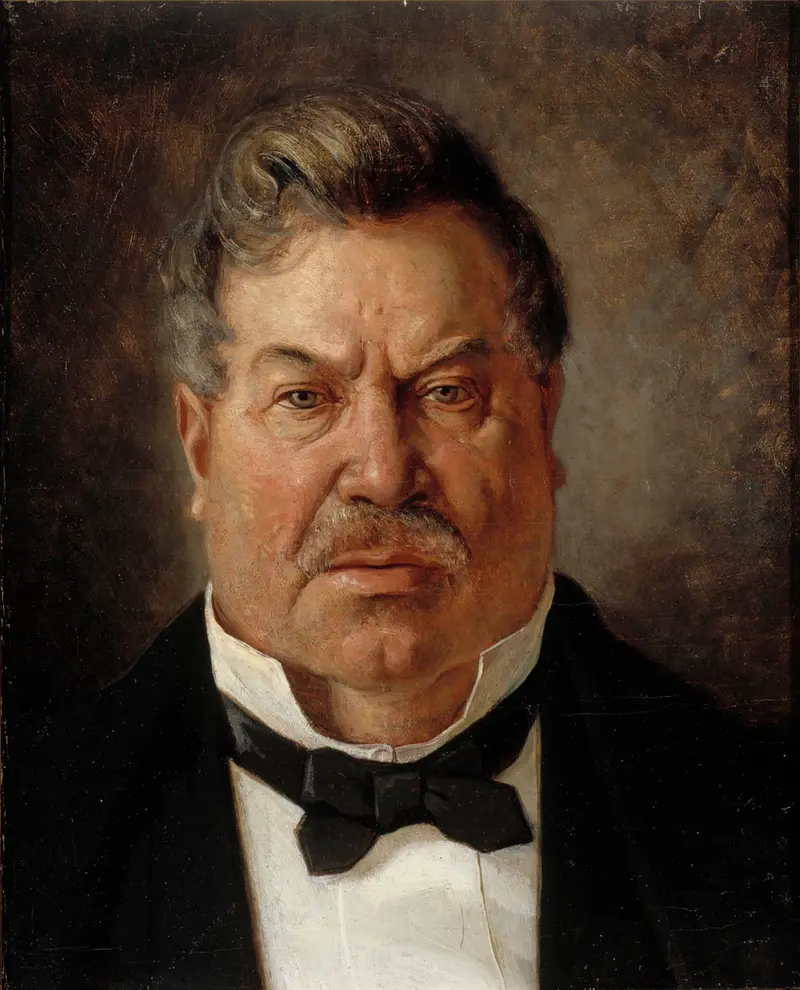
Portrait of August Streng
Albert Edelfelt
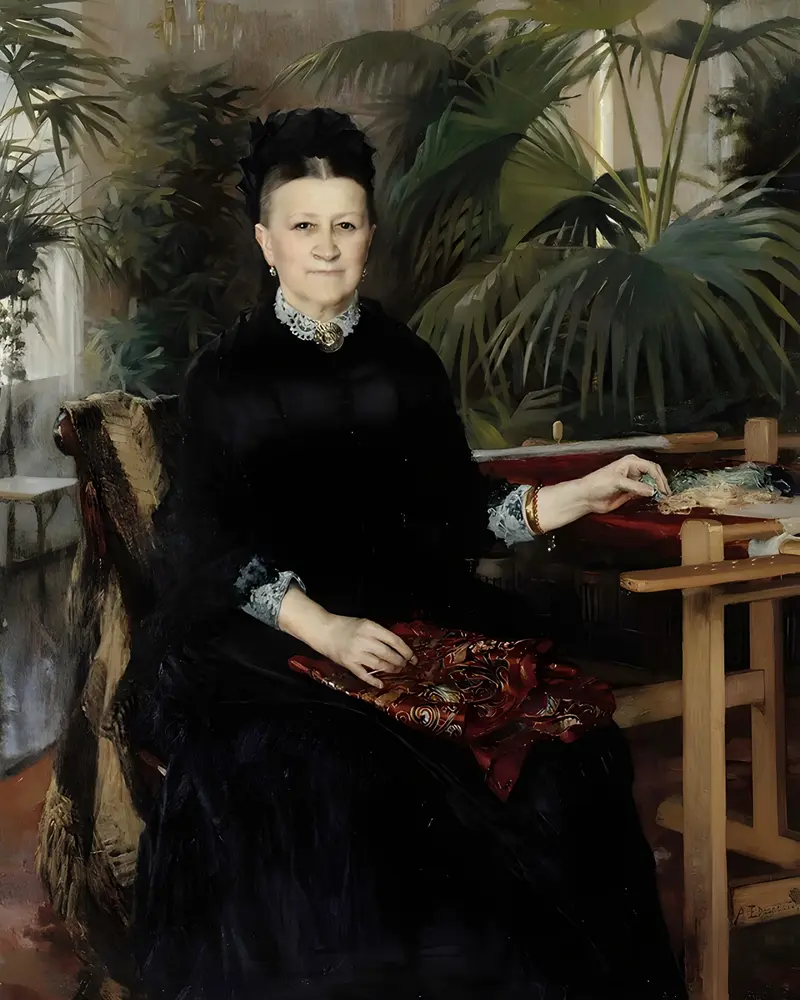
Portrait Of Mrs. Anna Sinebrychoff
Albert Edelfelt

The Poet, Larin Paraske
Albert Edelfelt

Parisian lady in a Peignoir
Albert Edelfelt
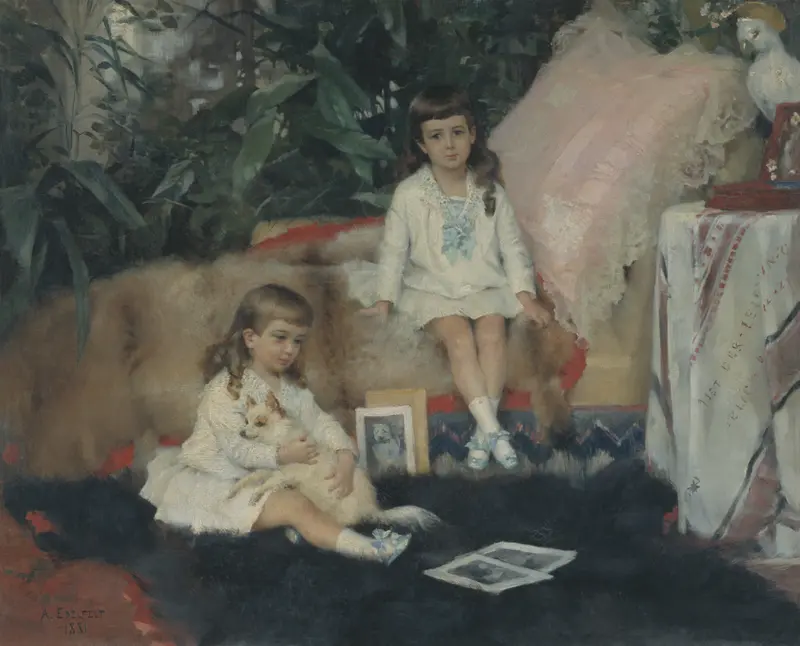
The Grand Dukes Boris and Kirill Vladimirovich as Children
Albert Edelfelt
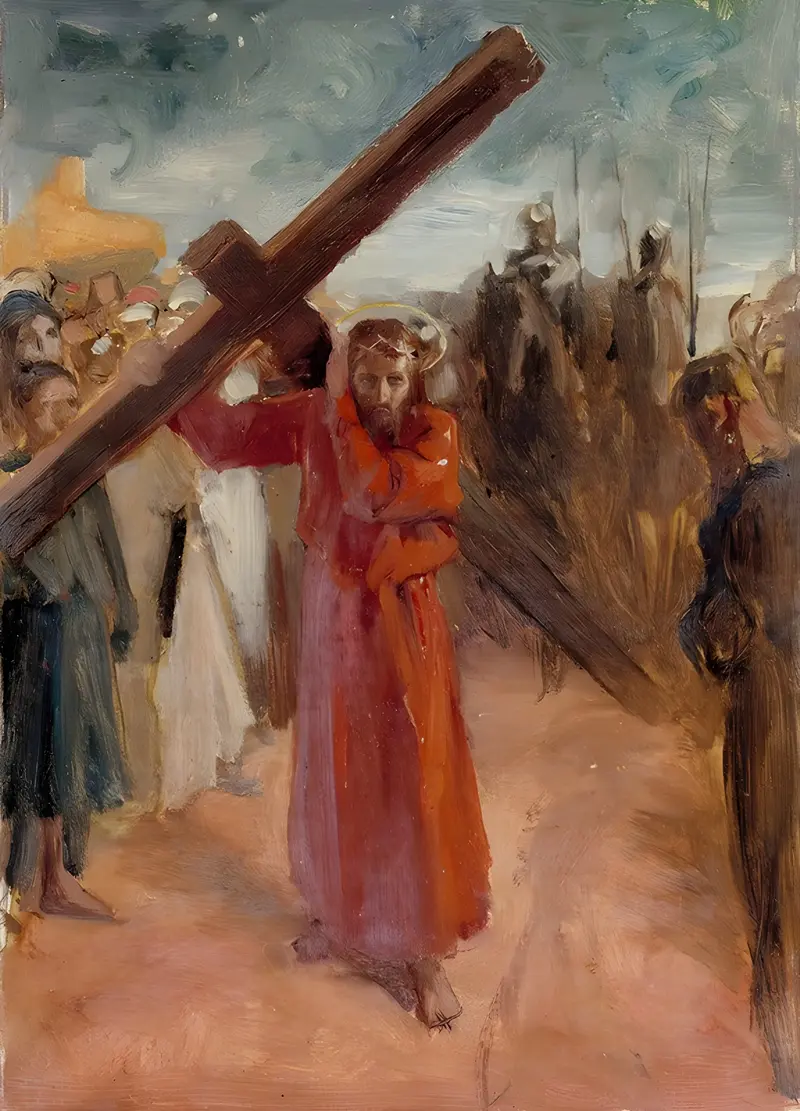
Christ Bears The Cross
Albert Edelfelt
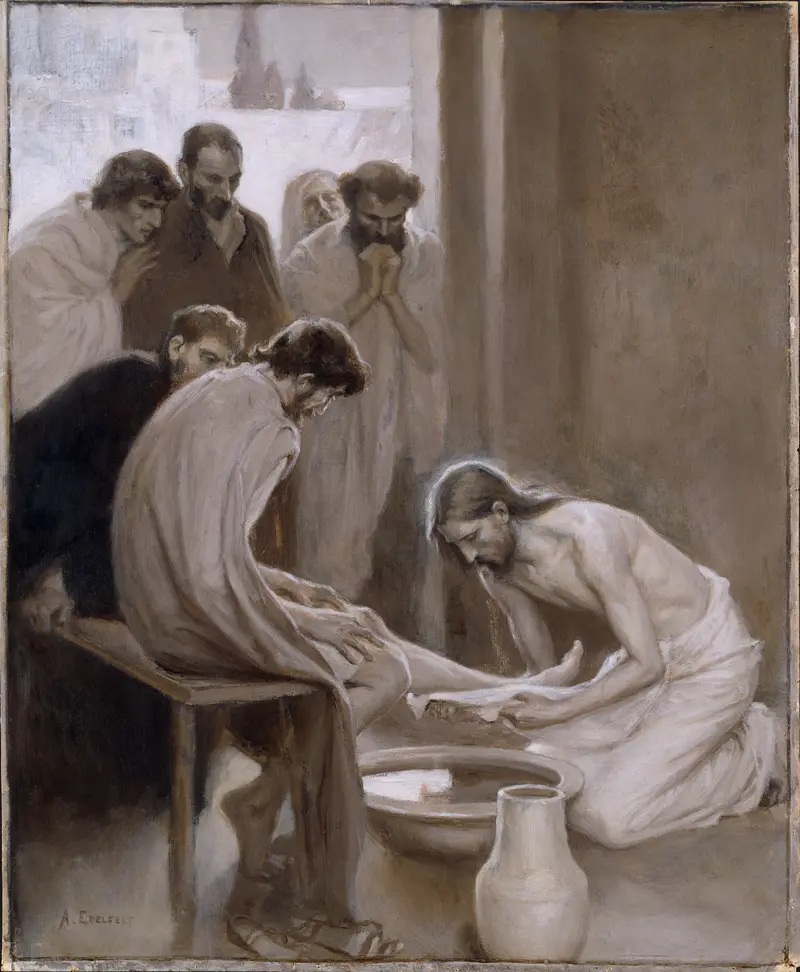
Jesus Washing the Feet of his Disciples
Albert Edelfelt

Larin Paraske with Kantele
Albert Edelfelt
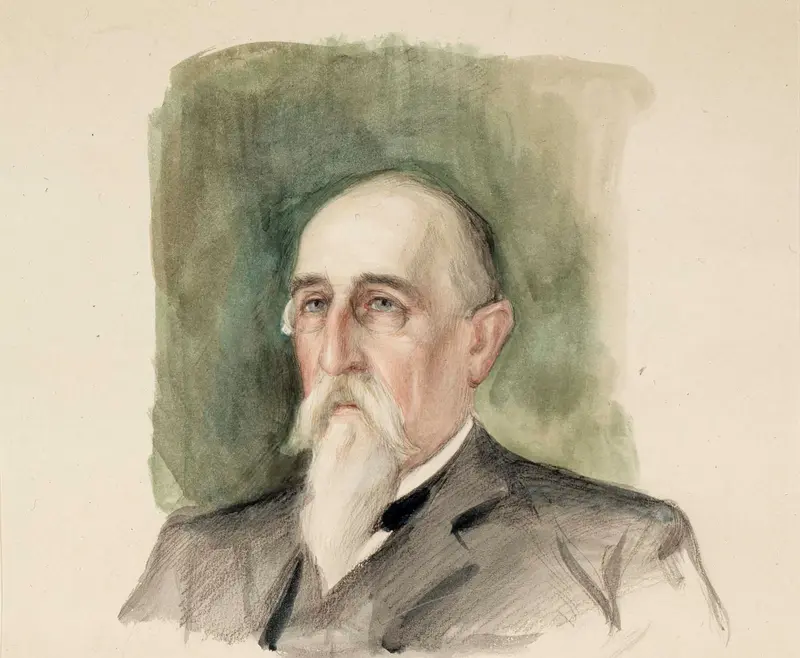
Leo Mechelin, Portrait Study
Albert Edelfelt
More Genre Scene Art

Banquet of the Officers of the St George Civic Guard
Frans Hals

Rembrandt and Saskia in the Scene of the Prodigal Son
Rembrandt van Rijn

Bal du moulin de la Galette
Pierre-Auguste Renoir

Quadrille at the Moulin Rouge
Henri de Toulouse-Lautrec

A Burial at Ornans
Gustave Courbet

When Will You Marry?
Paul Gauguin