
Quai des Grands Augustins — History & Facts
The fleeting moments of life, tinged with loss, find their way into the heart of art, capturing the essence of what it means to remember. Look closely at the foreground, where the soft strokes of greens and blues meld seamlessly into the textured surface of the river. The brushwork captures a gentle rippling of water, reflecting glimpses of a muted sky. Notice the figures along the bank, their postures suggesting quiet contemplation, perhaps mourning the passing of time—each silhouette a story, each shadow a whisper of memories held tight. In the distance, a sense of disconnection prevails, as the architecture looms like ghosts of a bygone era.
The muted palette evokes feelings of nostalgia, yet the vibrant strokes of color hint at a life that still pulses beneath the surface. The contrast between the lively river and the stillness of the figures illustrates a deep emotional tension, inviting viewers to ponder the interplay between presence and absence—a poignant reminder of what is lost and what remains. In 1886, as Auguste Louis Lepère crafted Quai des Grands Augustins, he was immersed in the vibrant art scene of Paris, where Impressionism was evolving into new forms. Living in a world marked by industrial change and personal transformation, the artist infused his work with a sense of introspection, reflecting both the beauty and melancholy of urban life.
This piece stands as a testament to his ability to capture the fleeting nature of existence amidst the ever-changing landscape of the city.
More Artworks by Auguste Louis Lepère
Browse all →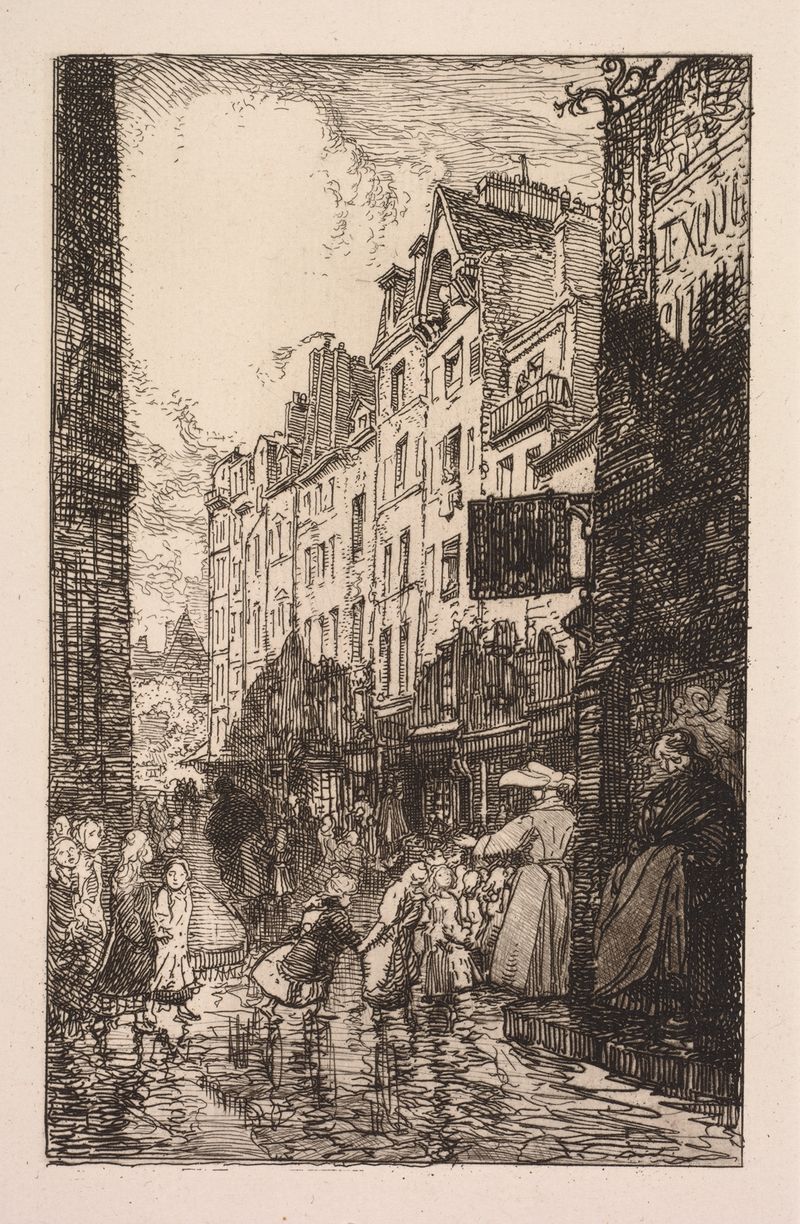
La Rue des Prêtres Saint-Séverin
Auguste Louis Lepère
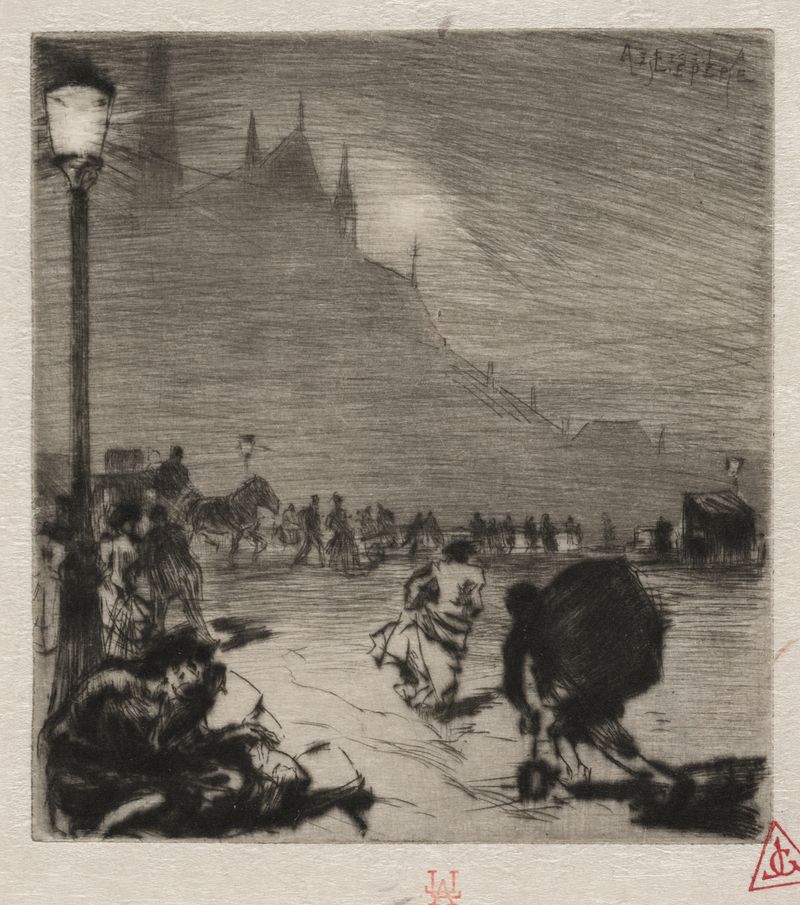
Au Coin du Pont-aux-Doubles
Auguste Louis Lepère
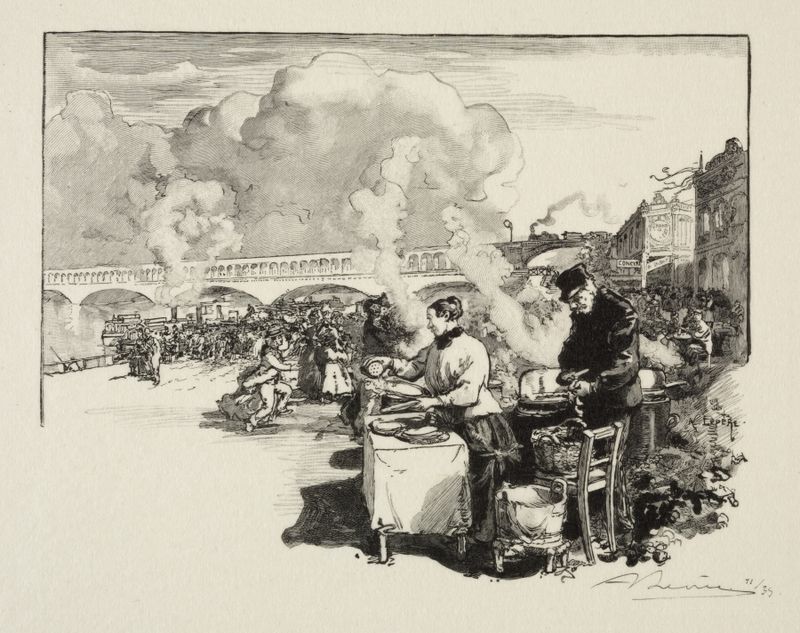
Debarcadère des bateaux-omnibus
Auguste Louis Lepère

La Seine, au quai de la Rapée
Auguste Louis Lepère
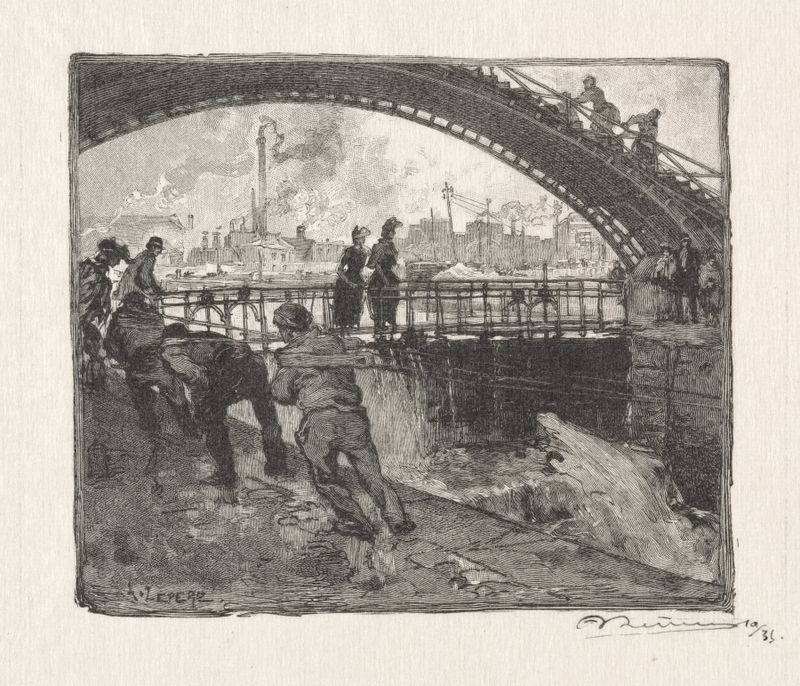
L’Ecluse du Canal St. Martin
Auguste Louis Lepère

Le Boulevard Montmartre, le Soir
Auguste Louis Lepère

Une Chasse au Mont Gérard
Auguste Louis Lepère
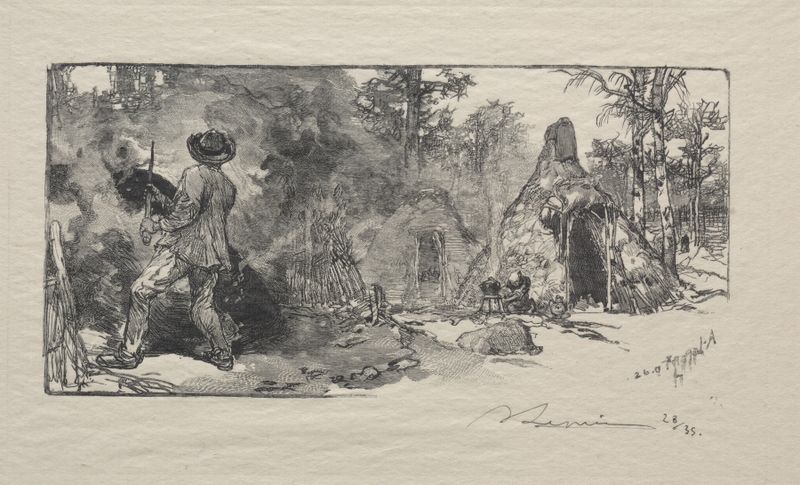
Les Charbonniere
Auguste Louis Lepère
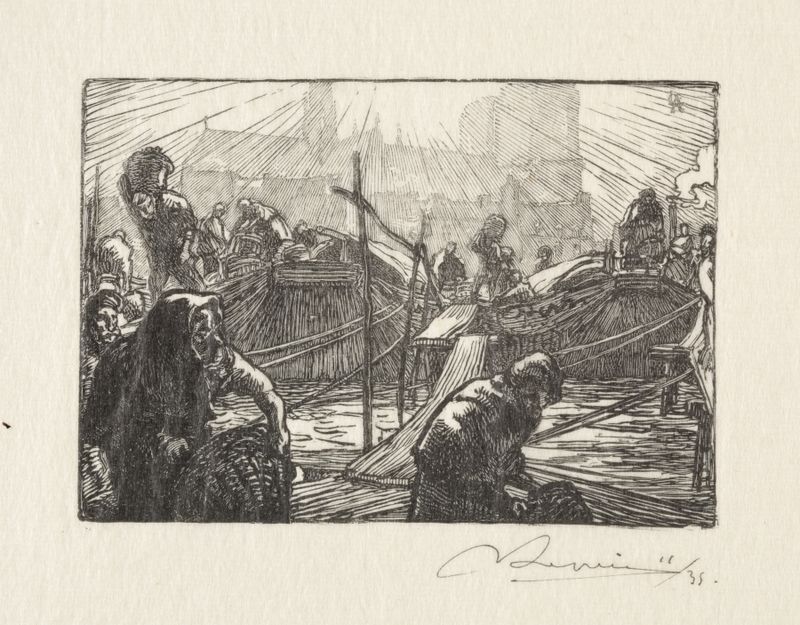
Notre Dame vue du Marché aux pommes
Auguste Louis Lepère

Le Palais des Arts Liberaux, Intèrieur
Auguste Louis Lepère





