
Quai des Grands Augustins, Paris — History & Facts
In the quiet embrace of twilight, shadows stretch across cobblestone streets, whispering secrets of what once was and what might never be again. Each stroke captures a moment of poignant stillness, urging the viewer to reflect on the fleeting nature of existence and the silent weight of loss. Look to the foreground, where the soft contours of the buildings stand resilient against the fading light. Notice how Lepère delicately balances shades of ochre and deep azure, creating a palpable sense of atmosphere.
The muted tones enhance the tranquil yet melancholic feel, drawing the eye toward the water's edge, where the Seine reflects the golden glow of the dusk, inviting contemplation of memories submerged beneath its surface. Within this seemingly serene scene lies a contrast between permanence and transience. The steadfast architecture symbolizes stability, while the ephemeral light suggests a moment slipping away—just like lost time or departed lives. The lone figure meandering along the riverbank hints at solitude and introspection, evoking the quiet ache that accompanies memories of those we have lost.
Each element intertwines to narrate a story of nostalgia, urging us to confront the complexities of human experience. In 1886, Lepère painted this piece amid a rapidly changing Paris, where traditional values began to clash with modernity. Emerging from the Impressionist movement, he sought to capture the essence of urban life, often reflecting his own feelings of disconnect and longing. The world around him was in flux, mirroring the transient beauty he immortalized in Quai des Grands Augustins, Paris.
More Artworks by Auguste Louis Lepère
Browse all →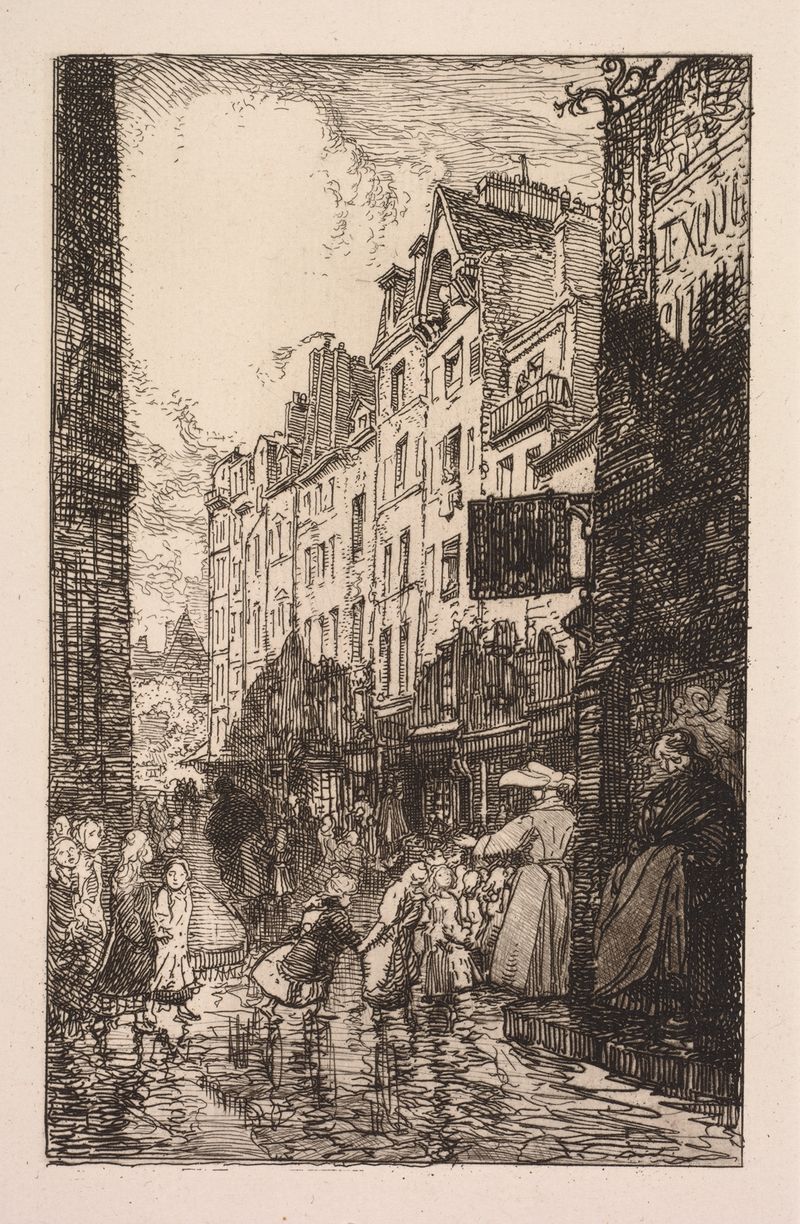
La Rue des Prêtres Saint-Séverin
Auguste Louis Lepère
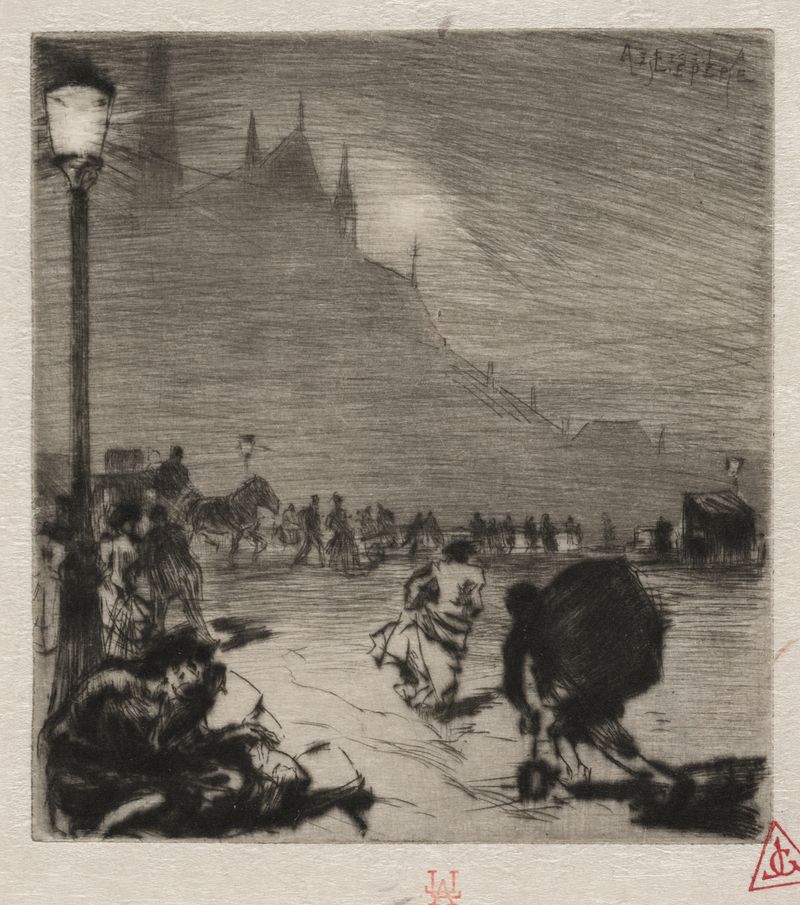
Au Coin du Pont-aux-Doubles
Auguste Louis Lepère
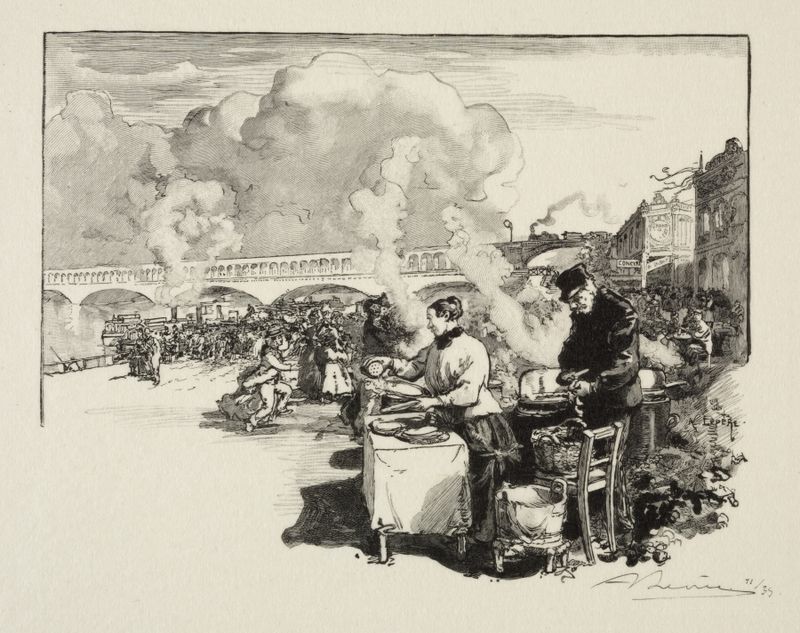
Debarcadère des bateaux-omnibus
Auguste Louis Lepère

La Seine, au quai de la Rapée
Auguste Louis Lepère
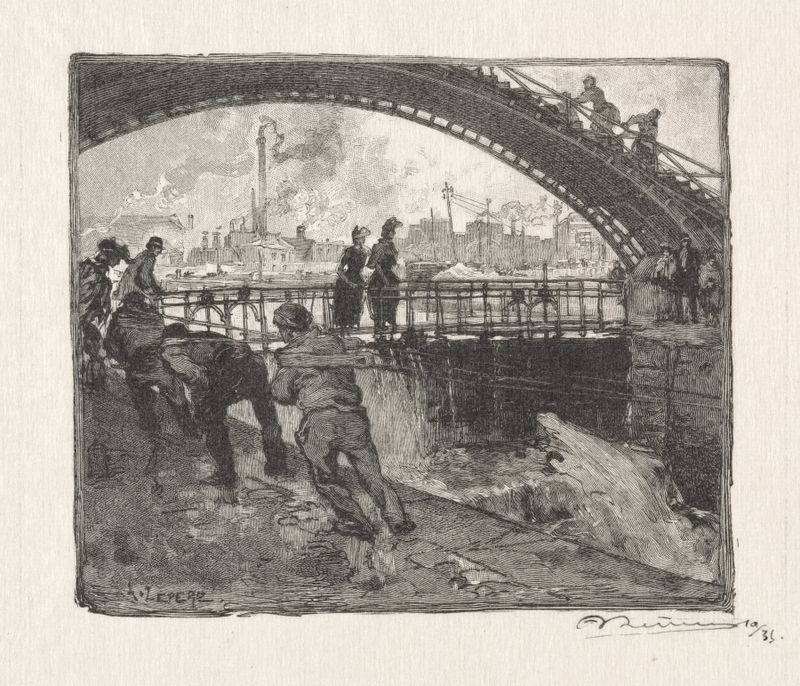
L’Ecluse du Canal St. Martin
Auguste Louis Lepère

Le Boulevard Montmartre, le Soir
Auguste Louis Lepère

Une Chasse au Mont Gérard
Auguste Louis Lepère
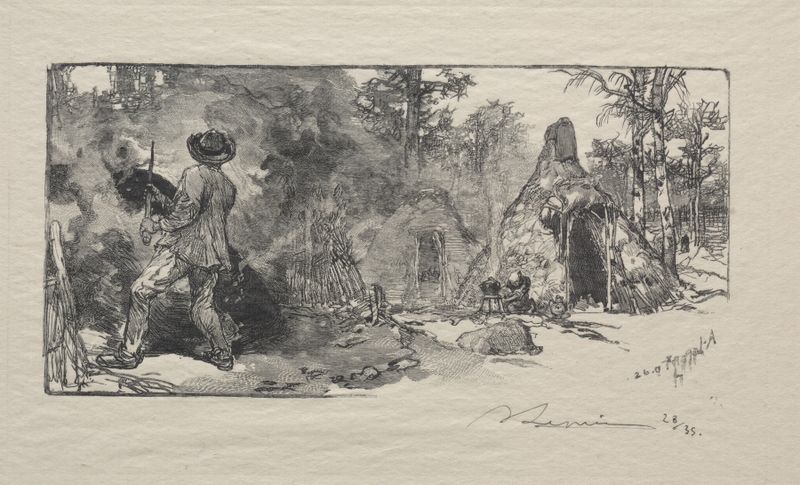
Les Charbonniere
Auguste Louis Lepère
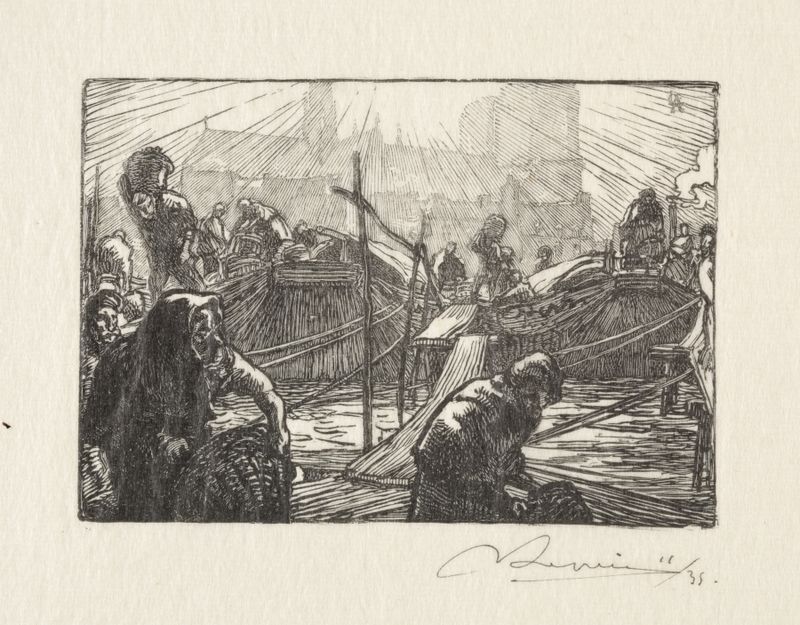
Notre Dame vue du Marché aux pommes
Auguste Louis Lepère

Le Palais des Arts Liberaux, Intèrieur
Auguste Louis Lepère





