
Quarryman’s Lodge — History & Facts
What if silence could speak through light? In Quarryman’s Lodge, the interplay of shadow and illumination invites viewers into a dreamlike realm where stillness echoes. Focus first on the cottage nestled in the foreground, its weathered facade bathed in soft golden rays. The light caresses the wooden beams, revealing intricate textures and the quiet history of labor etched into every surface. Look to the left, where trees rise like sentinels, their dark forms contrasting against the luminous sky, creating a sense of depth and serenity.
The palette, dominated by muted greens and browns, evokes a sense of timelessness; nature's embrace surrounds the humble structure, suggesting both sanctuary and solitude. Within this serene composition lies an invitation to reflect on the lives of those who toiled nearby. The cottage, while modest, stands as a beacon of resilience amid the quarry, representing the harmony between humanity and nature—a fleeting moment captured. The stillness of the scene speaks of forgotten stories, perhaps of quarrymen resting after a hard day's work, their dreams intertwined with the landscape that shapes their existence.
This delicate balance of light and shadow manifests not just a physical space, but a dreamscape steeped in history and quiet contemplation. In 1890, Auguste Louis Lepère was deeply immersed in the world of printmaking, capturing rural and industrial landscapes in a style that focused on the beauty of everyday life. Living in France, he was influenced by the Impressionist movement yet sought to convey a more direct connection to the subjects through his unique lighting techniques. Quarryman’s Lodge reflects his commitment to portraying the nuanced relationship between man and his environment, a testament to his vision in a rapidly industrializing world.
More Artworks by Auguste Louis Lepère
Browse all →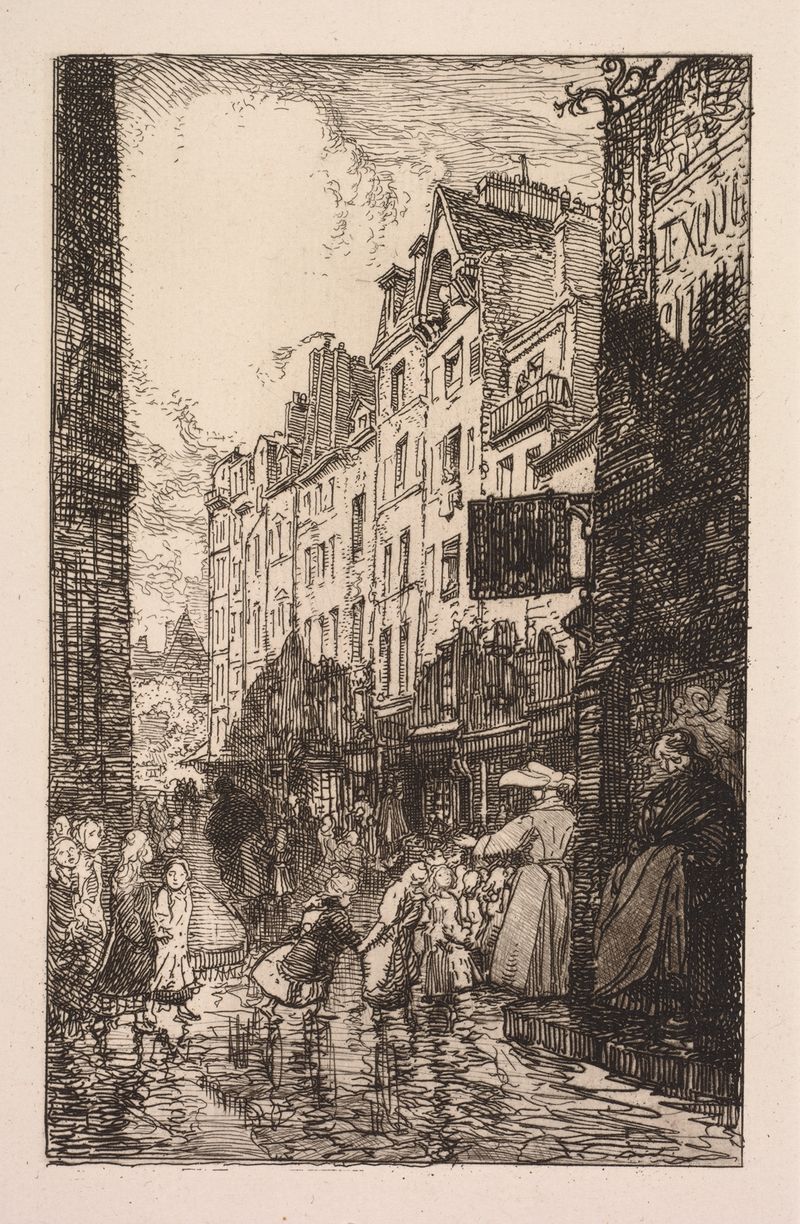
La Rue des Prêtres Saint-Séverin
Auguste Louis Lepère
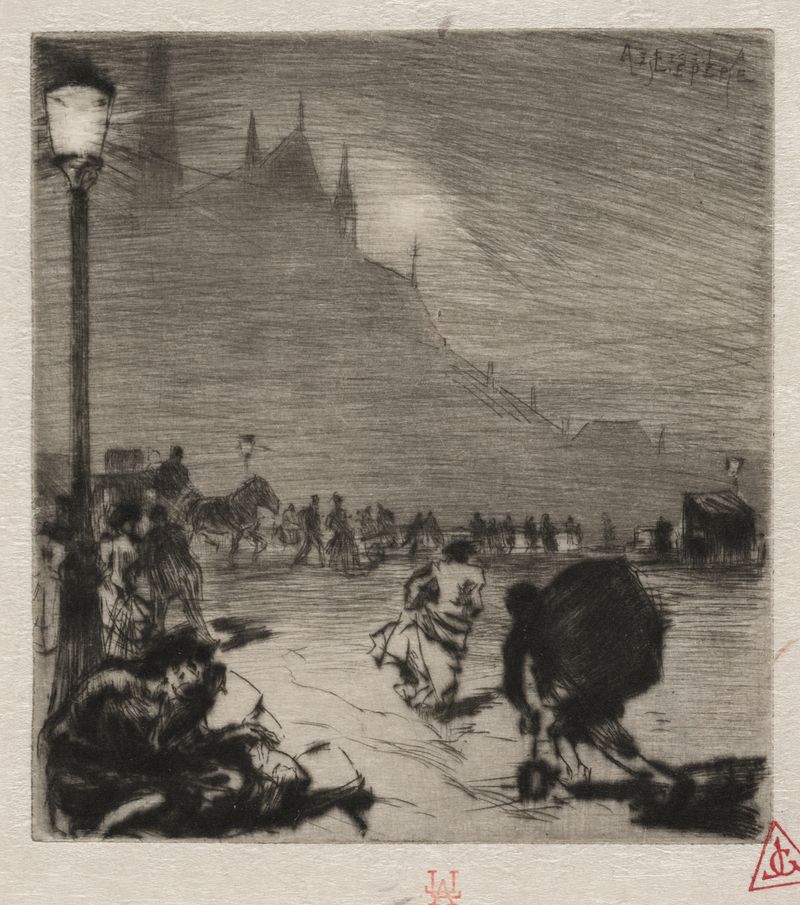
Au Coin du Pont-aux-Doubles
Auguste Louis Lepère
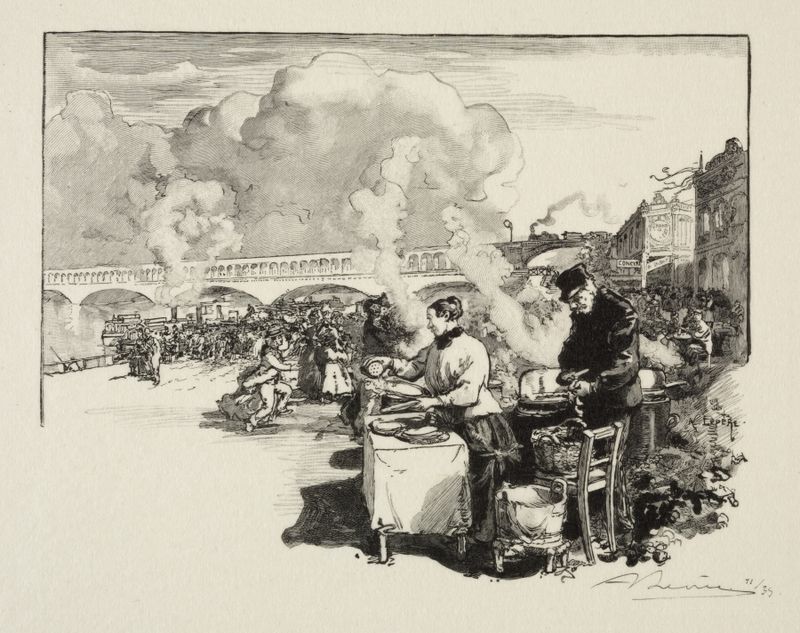
Debarcadère des bateaux-omnibus
Auguste Louis Lepère

La Seine, au quai de la Rapée
Auguste Louis Lepère
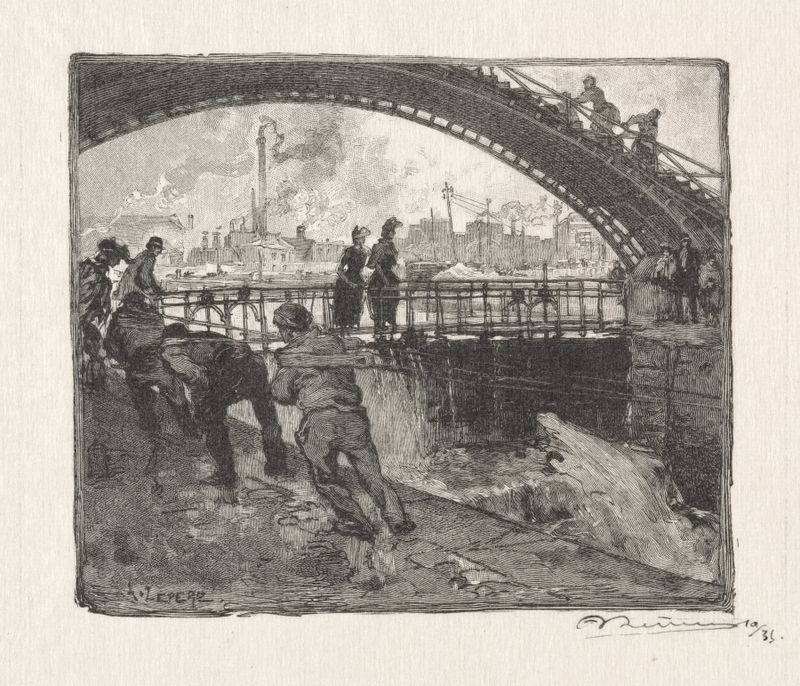
L’Ecluse du Canal St. Martin
Auguste Louis Lepère

Le Boulevard Montmartre, le Soir
Auguste Louis Lepère

Une Chasse au Mont Gérard
Auguste Louis Lepère
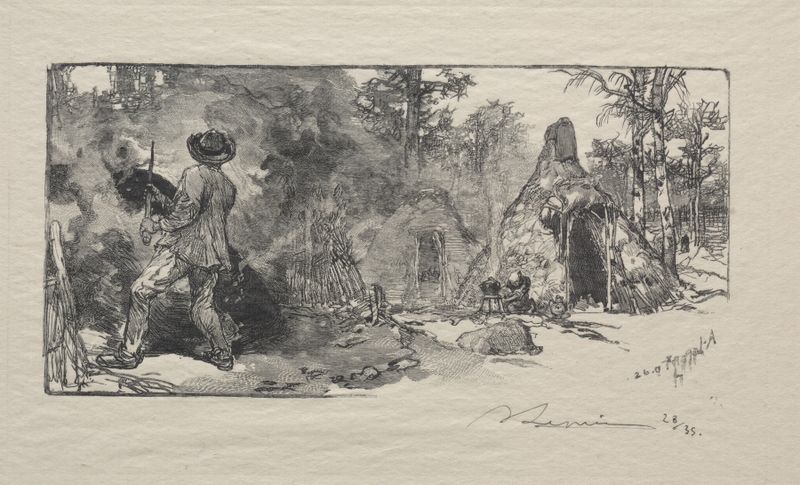
Les Charbonniere
Auguste Louis Lepère
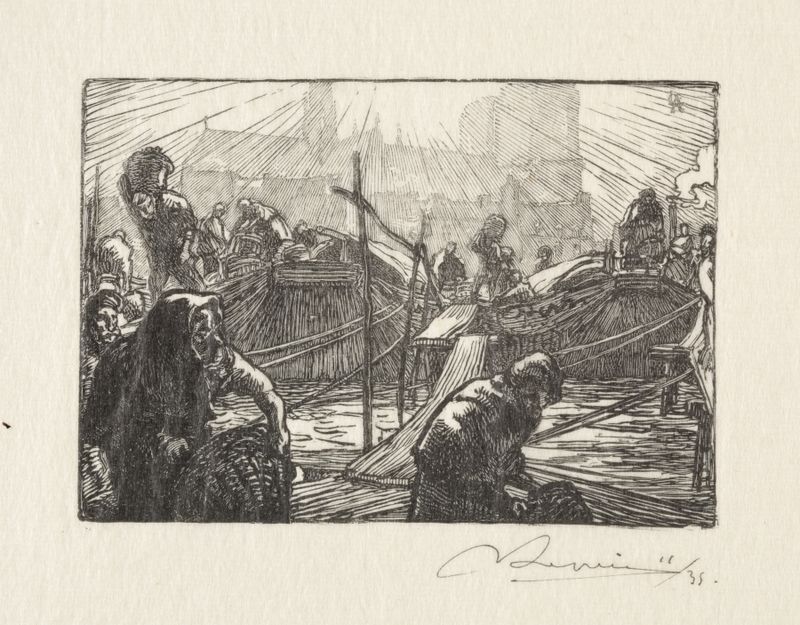
Notre Dame vue du Marché aux pommes
Auguste Louis Lepère

Le Palais des Arts Liberaux, Intèrieur
Auguste Louis Lepère





