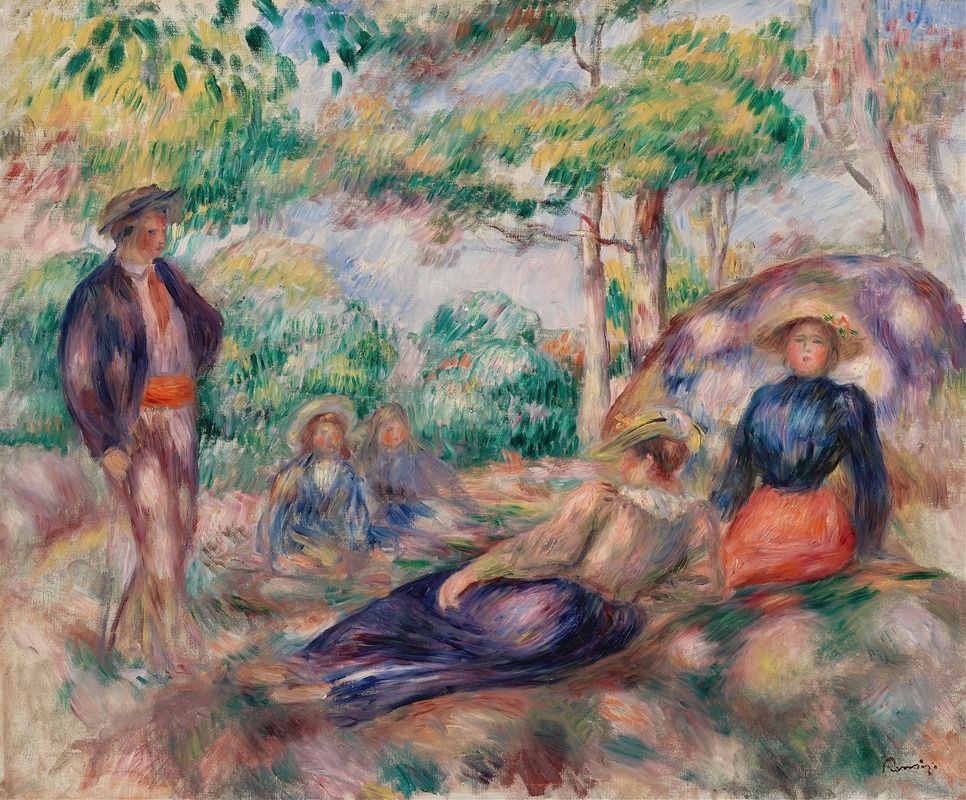
Discover insights about this artwork
Que viene el Coco. (Here comes the bogey-man.) — History & Facts
In Que viene el Coco, Francisco de Goya presents a dark and unsettling scene. The painting features a shadowy figure looming over a frightened child, evoking a sense of fear. The color palette is dominated by deep blacks and browns, creating a dramatic contrast with the pale skin of the child.
This stark use of color enhances the emotional impact of the work. The painting is executed in oil on canvas, a medium that allows for rich textures and deep colors. Goya's brushwork is expressive, with visible strokes that add to the tension of the scene. The dimensions are approximately 100 x 150 cm, making it a sizable work that commands attention.
The composition is carefully arranged to draw the viewer's eye toward the central figure of the child. Francisco de Goya created Que viene el Coco during a time when Spanish society was deeply influenced by folklore and superstition. This work reflects the fears of parents regarding the bogeyman, a figure used to scare children into obedience. Interestingly, Goya's exploration of dark themes foreshadows the psychological depth found in later art movements.
The painting remains a significant example of Romanticism in Spanish art.
More Artworks by Francisco de Goya
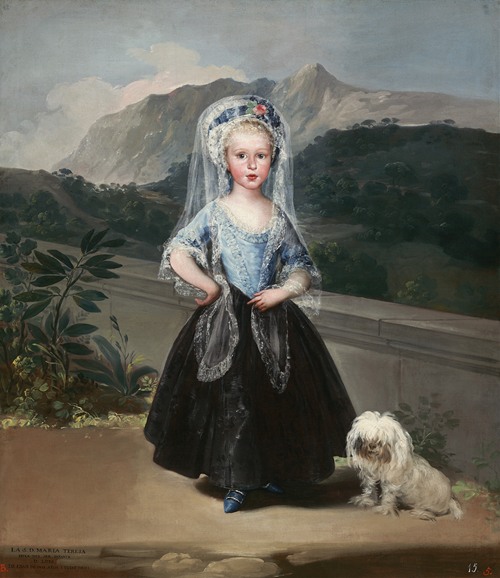
María Teresa de Borbón y Vallabriga,later Condesa de Chinchón
Francisco de Goya
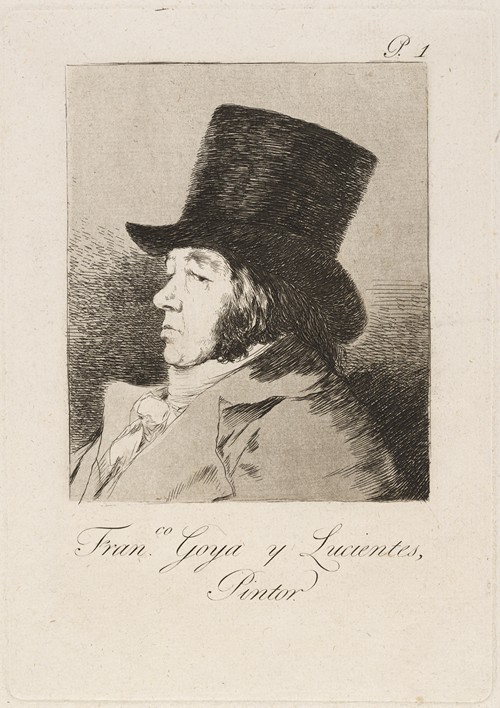
Francisco Goya y Lucientes, Pintor (Francisco Goya y Lucientes, painter)
Francisco de Goya
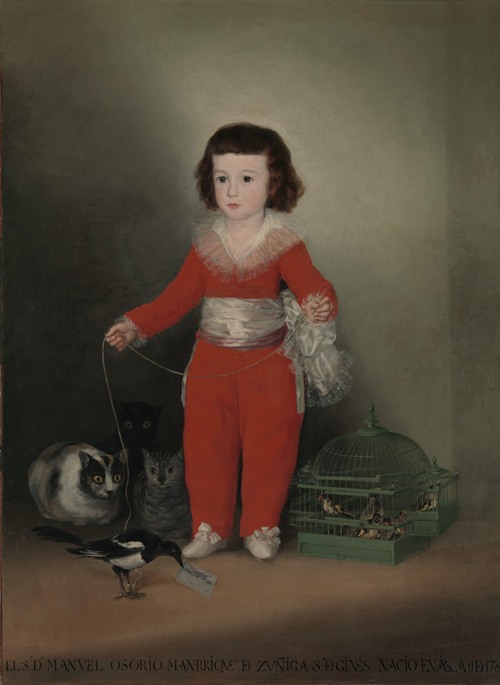
Manuel Osorio Manrique de Zuñiga (1784–1792)
Francisco de Goya
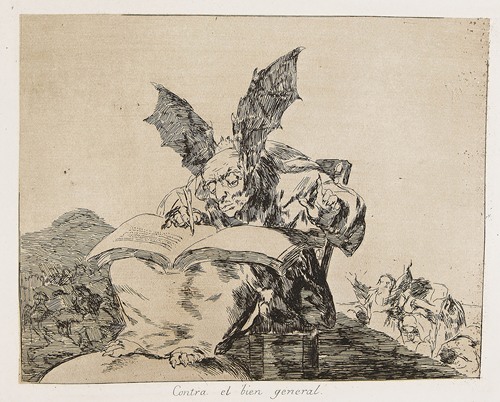
Los desastres de la guerra
Francisco de Goya
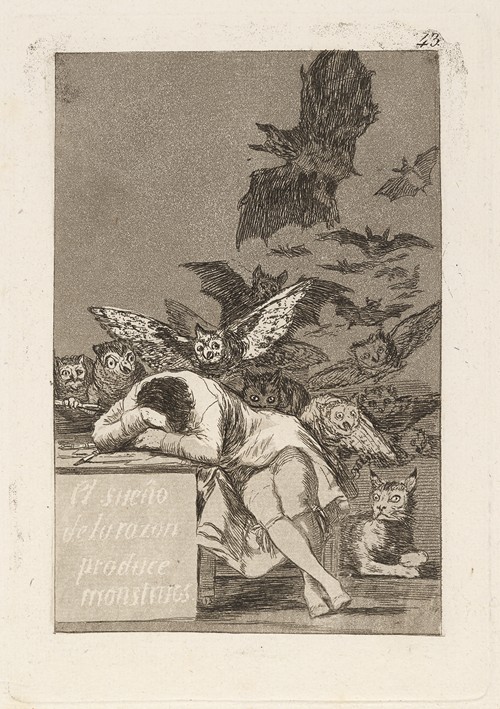
El sueño de la razon produce monstruos. (The sleep of reason produces monsters.)
Francisco de Goya
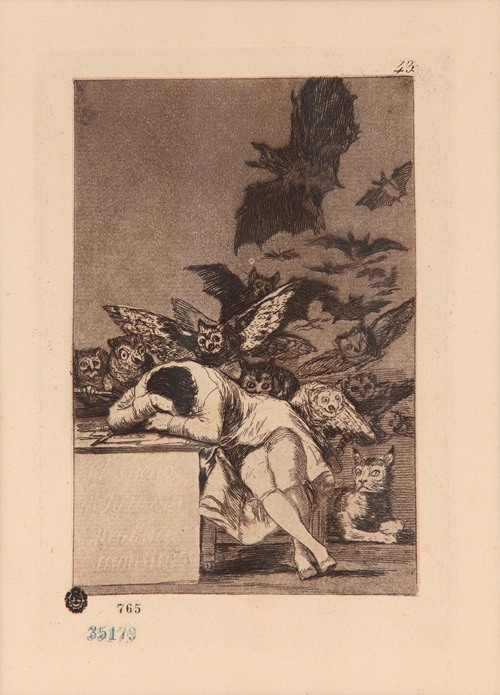
El sueño de la razon produce moustruos (Serie Caprichos)
Francisco de Goya
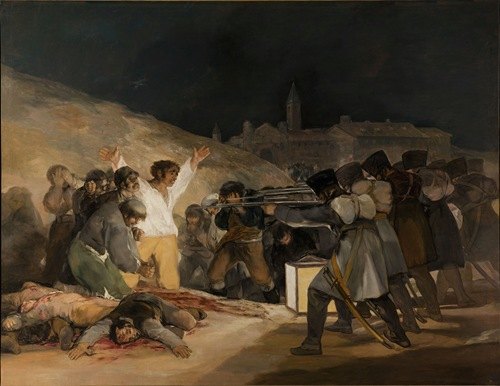
The Third of May
Francisco de Goya
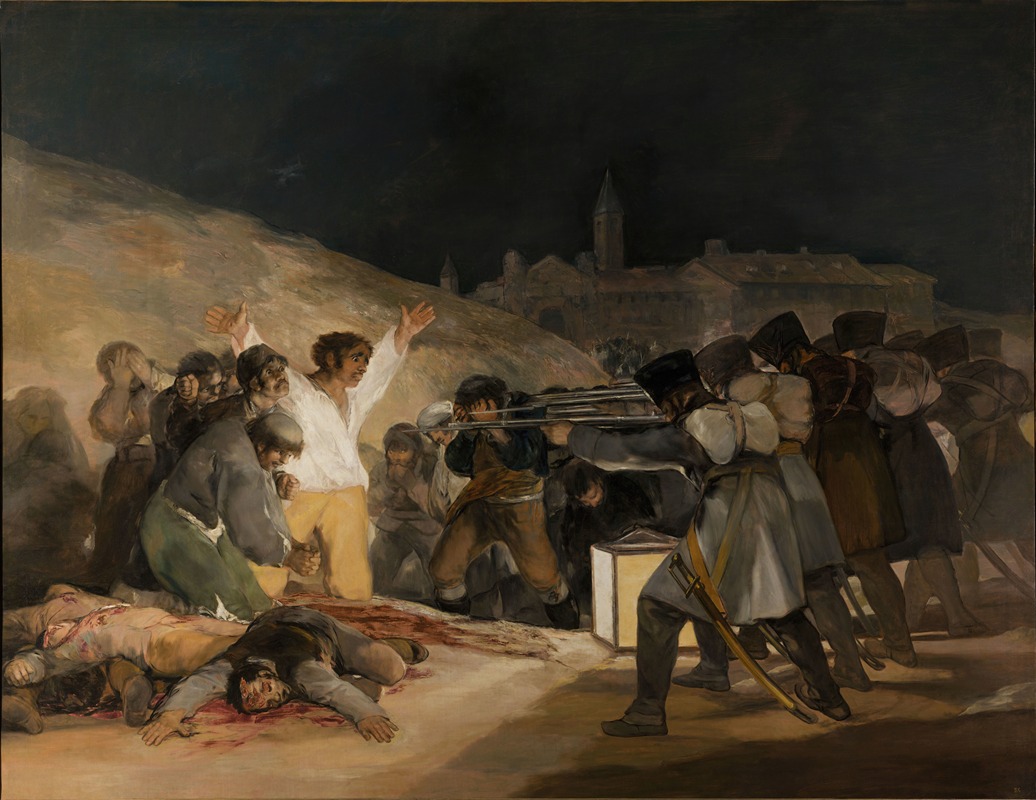
The Third of May 1808
Francisco de Goya
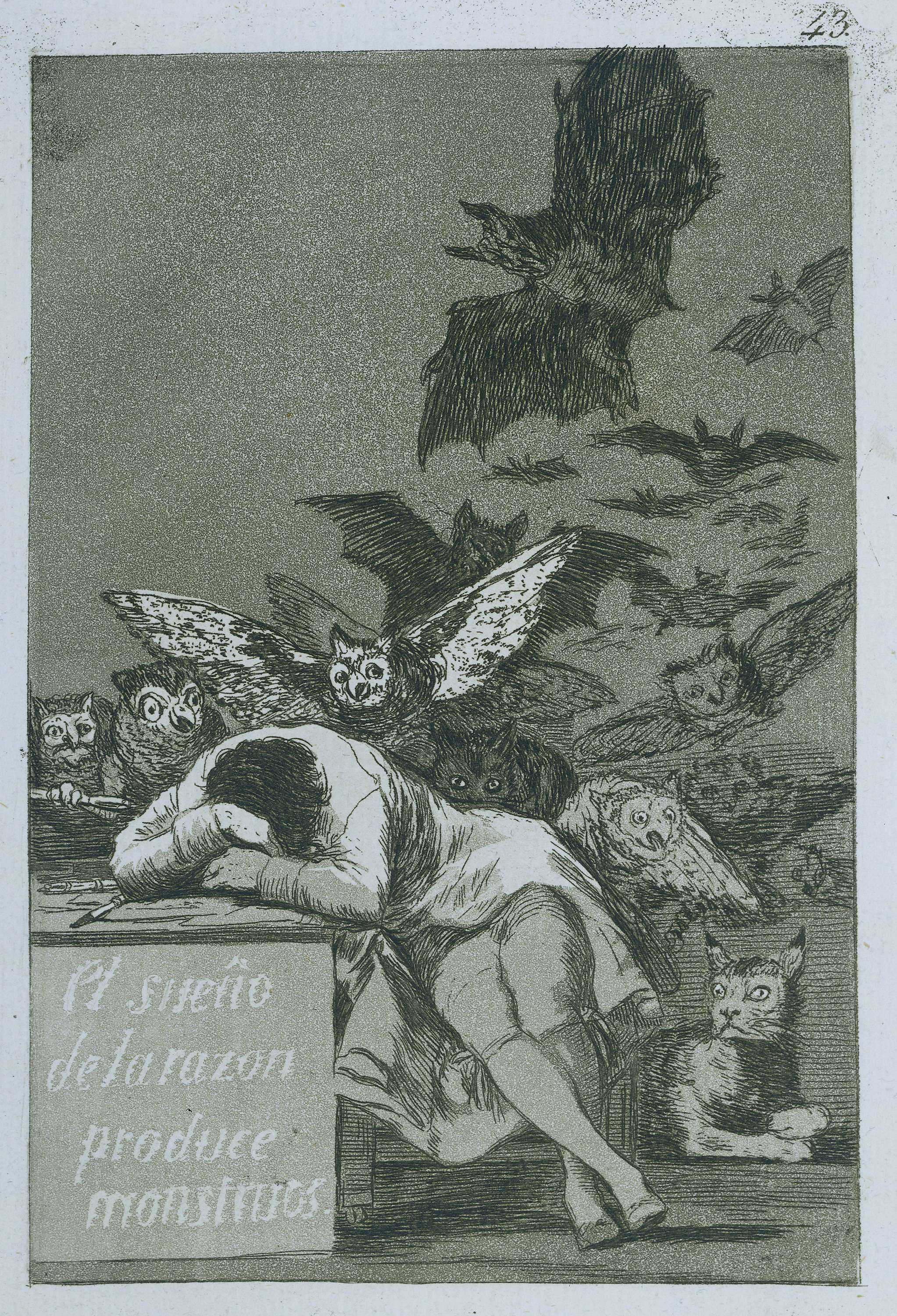
De slaap van de rede brengt monsters voort
Francisco de Goya
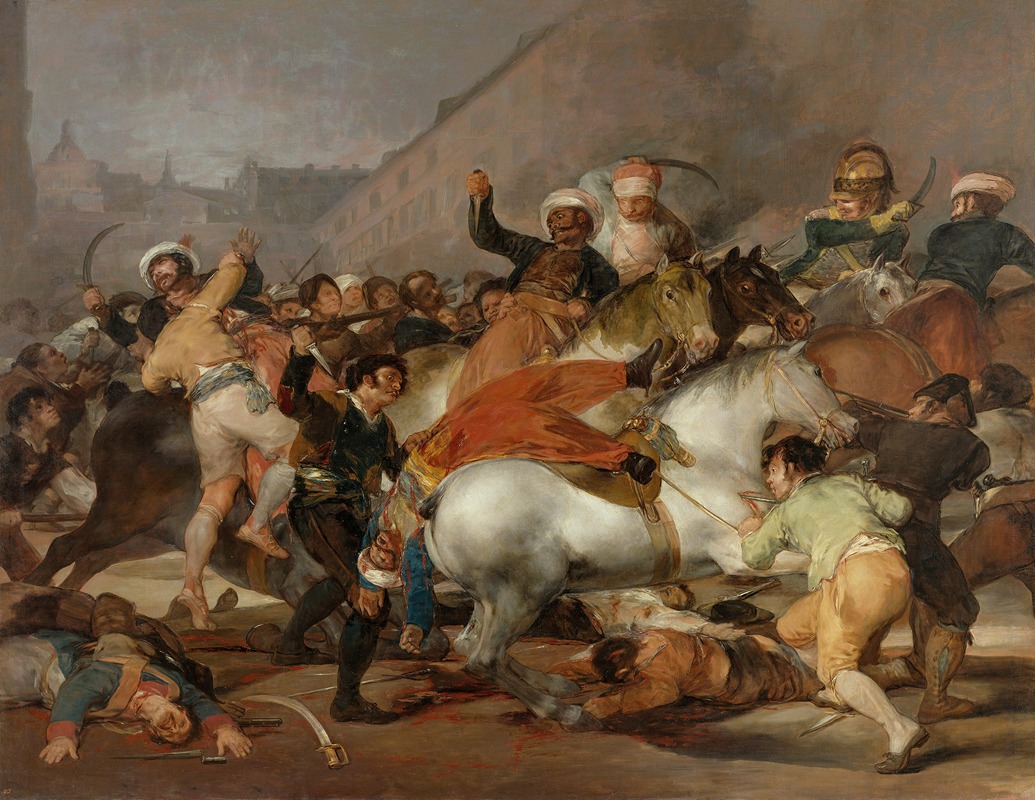
The Charge of the Mamelukes (1814)
Francisco de Goya