
Queen Bertha and the Spinners — History & Facts
A queen sits not above her people, but among them, her hand guiding a spindle as surely as her arm encircles the young girl at her side. The eye is drawn first to the gentle intimacy at the painting’s center: the monarch, crowned and robed, leans close to instruct, her presence both regal and maternal. Around her, girls of varying ages cluster, each absorbed in the ancient, rhythmic work of spinning.
The light, soft and clear, falls across their faces and hands, illuminating the textures of wool, linen, and hair, and lending a quiet dignity to their labor. Even the basket of raw fleece at their feet becomes part of the story, a symbol of transformation and shared tradition. Painted in 1888, Queen Bertha and the Spinners by Albert Anker belongs to a world that valued the lessons of history and the virtues of domestic industry. In the late nineteenth century, scenes of everyday life—especially those that celebrated rural customs or legendary figures—found eager audiences in Switzerland and beyond.
Artists like Anker were known for their meticulous observation and their ability to render the ordinary extraordinary, often using such images to reflect on identity, education, and the role of women. Though the specific journey of this painting remains obscure, its date and subject root it firmly in a period fascinated by the intersection of myth and daily life. The viewer is left to wonder: whose stories were spun into these threads, and what wisdom passes quietly from hand to hand?
More Artworks by Albert Anker

Portrait Of A Girl
Albert Anker
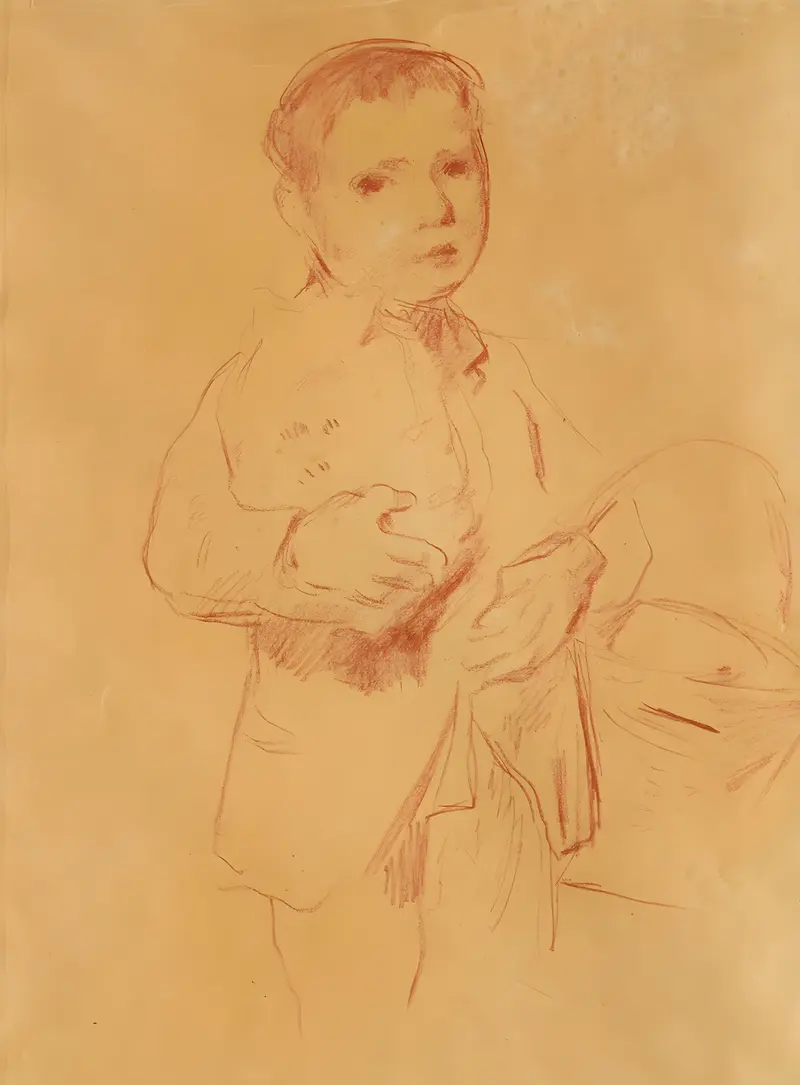
Boy with a basket
Albert Anker
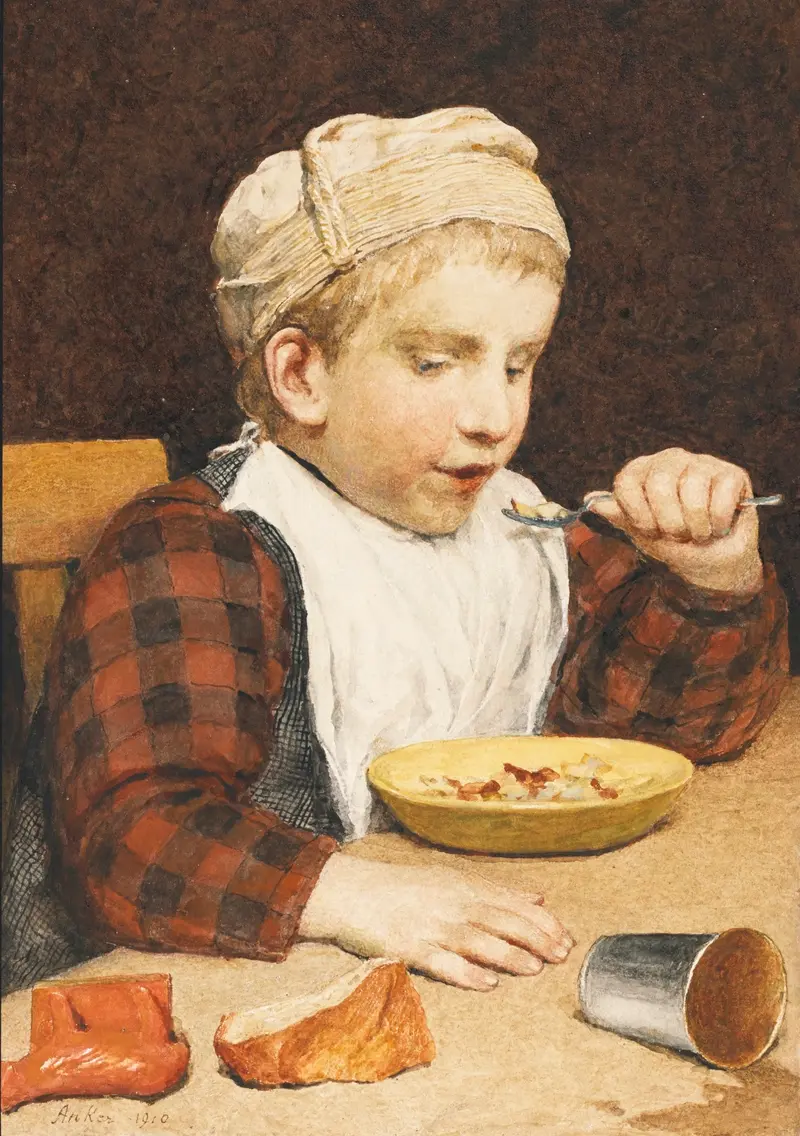
Knabe Mit Mütze Beim Essen
Albert Anker
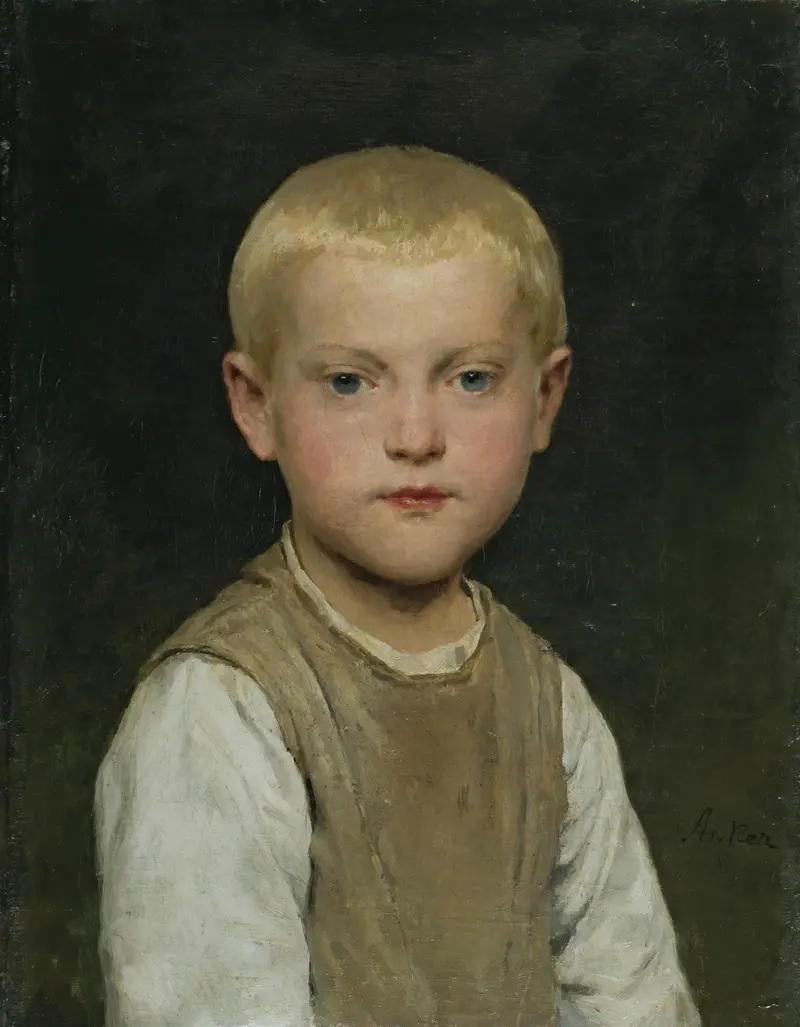
Knabenbildnis (Dr Heiri)
Albert Anker
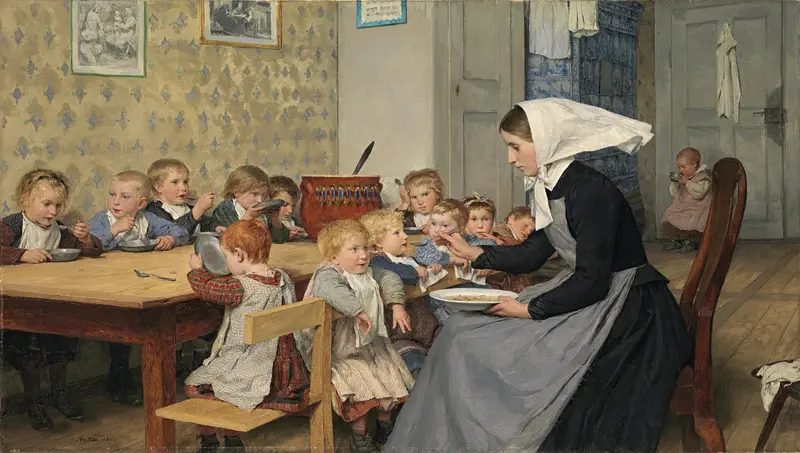
Die Kinderkrippe I
Albert Anker

L’instituteur et le pasteur
Albert Anker
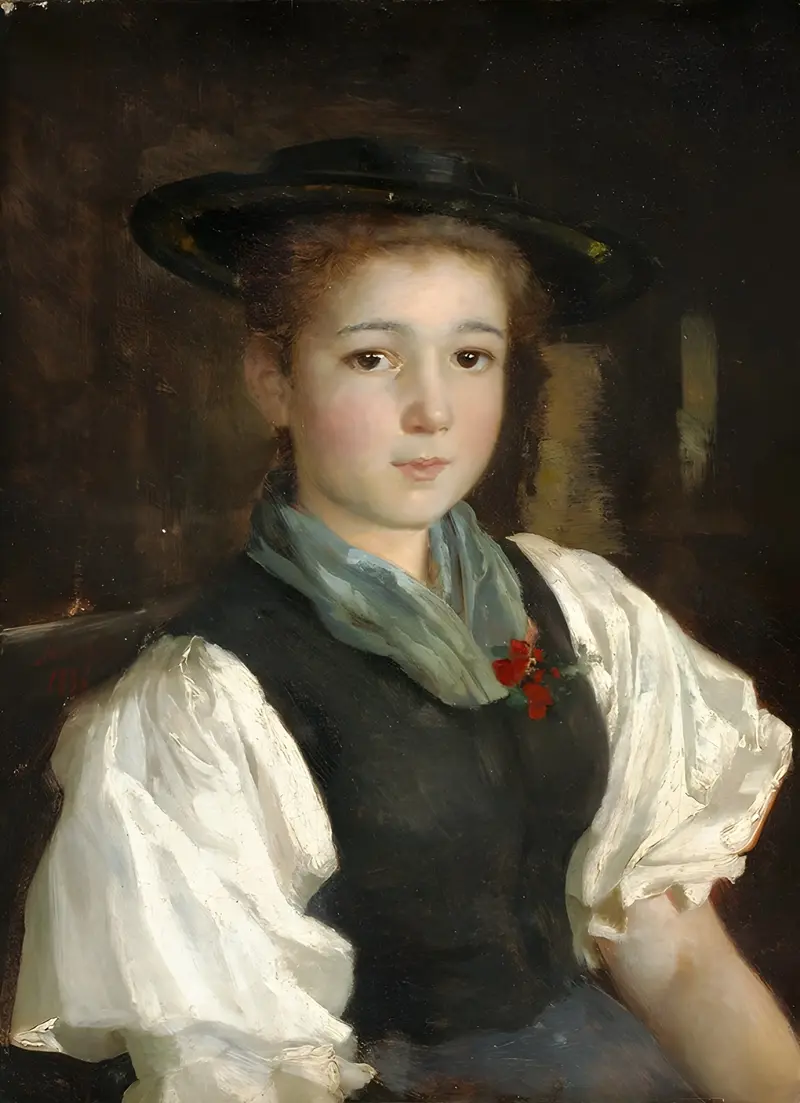
Bauernmädchen (Farm Girl)
Albert Anker
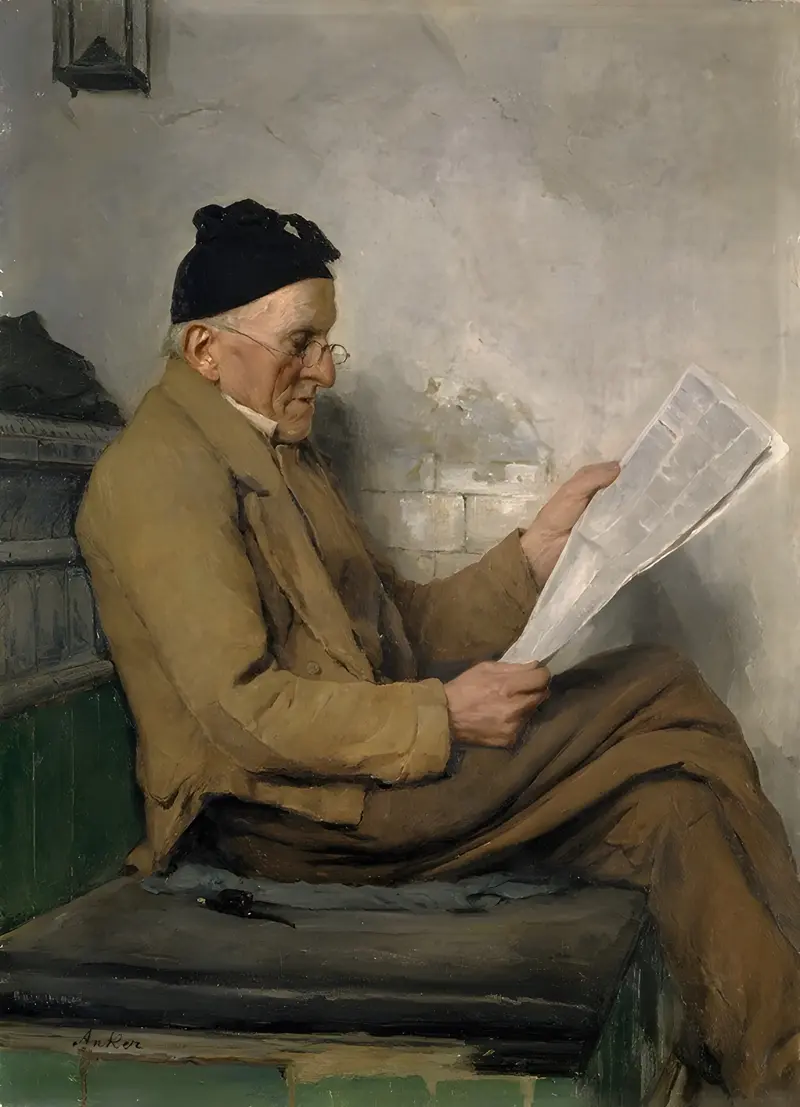
Farmer Reading on the Stove Bench
Albert Anker
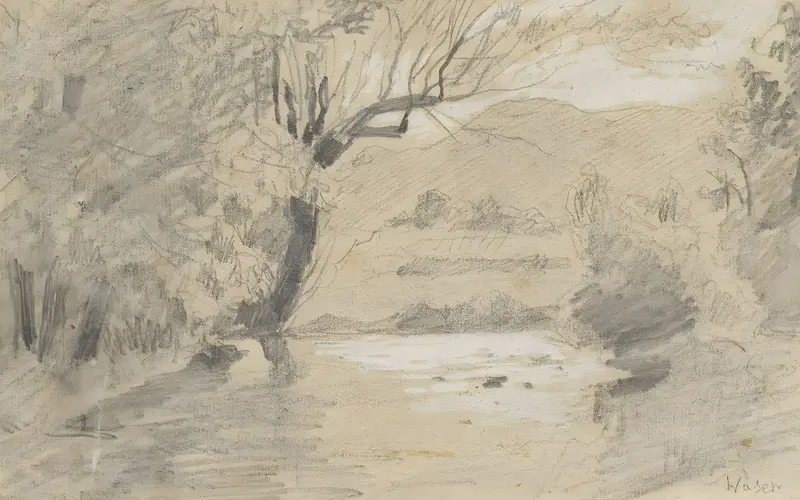
Flusslandschaft in Wasen (Emmental)
Albert Anker
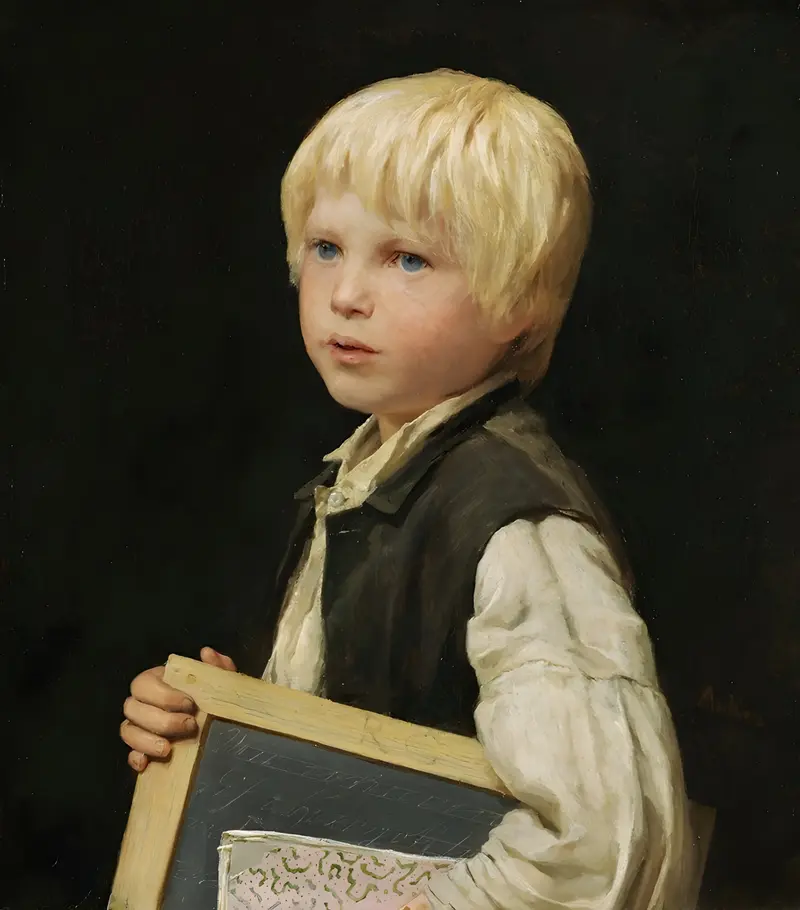
School Boy
Albert Anker
More Genre Scene Art

Banquet of the Officers of the St George Civic Guard
Frans Hals

Rembrandt and Saskia in the Scene of the Prodigal Son
Rembrandt van Rijn

Bal du moulin de la Galette
Pierre-Auguste Renoir

Quadrille at the Moulin Rouge
Henri de Toulouse-Lautrec

A Burial at Ornans
Gustave Courbet

When Will You Marry?
Paul Gauguin