
Queen Elizabeth’s Oak near Finborough Hall July 31, 1824 — History & Facts
What if silence could speak through light? In the delicate interplay of nature and history, Anne Rushout captures a moment where time pauses, allowing the spirit of a majestic oak to whisper the untold stories of centuries past. Focus on the towering, gnarled oak tree that dominates the canvas, its branches stretching wide, like arms embracing the surrounding landscape. The artist employs soft, muted greens and browns, evoking a sense of tranquility and reverence. Notice how the light filters through the leaves, casting dappled shadows on the ground below, creating a patchwork of light and dark that invites you to step into this peaceful realm.
The subtle brushstrokes portray the texture of the bark, hinting at the oak’s enduring strength. Yet, beneath the serene facade lies a profound tension. The oak stands alone, a solitary sentinel in a vast yet empty landscape, evoking feelings of both majesty and melancholy. The absence of any human presence emphasizes a sense of isolation, as if the tree has witnessed countless seasons of life and change, yet remains rooted in stillness.
This void speaks volumes, inviting reflections on legacy, the passage of time, and what remains after all else has faded. In 1824, when this piece was created, Rushout was deeply engaged with the Romantic movement, which sought to express an emotional connection to the natural world. Living in England, a realm steeped in tradition and nostalgia, she infused her work with a sensitivity to the landscapes that shaped her identity. This artwork resonates not only as a portrayal of a singular tree but as a poignant meditation on existence itself amidst the rapidly changing world around her.
More Artworks by Anne Rushout
Browse all →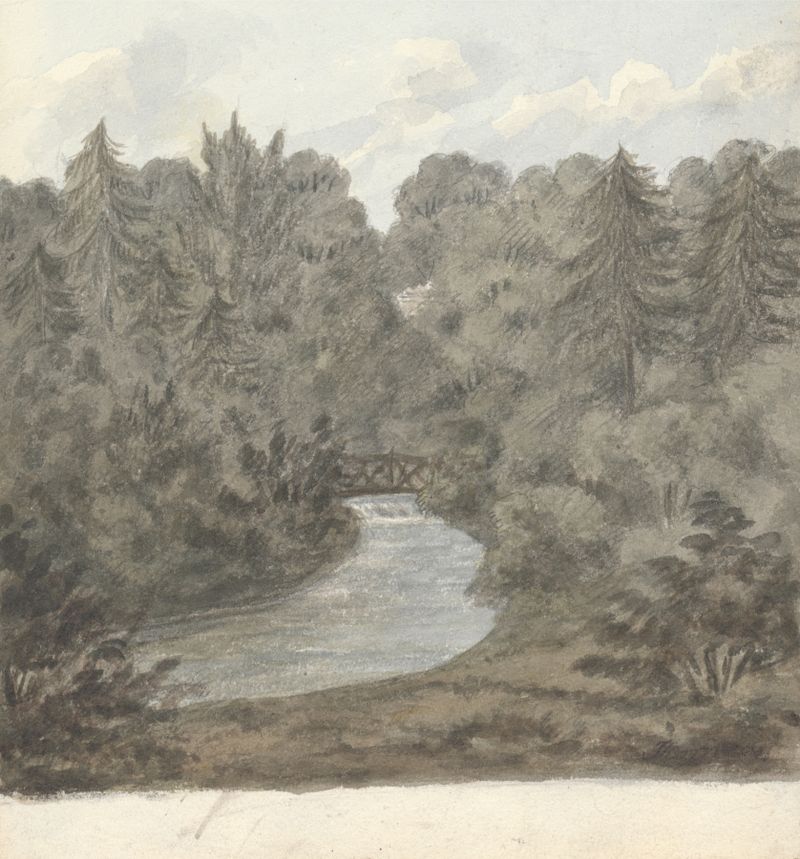
Thornery Pool, Sezincote
Anne Rushout
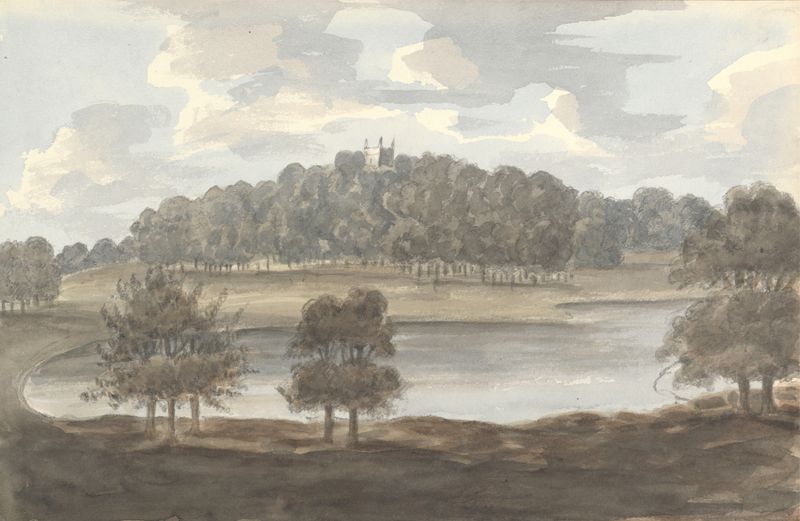
Holkham, August 1824
Anne Rushout

Grove Cottage, Wanstead May 18th, 1825
Anne Rushout
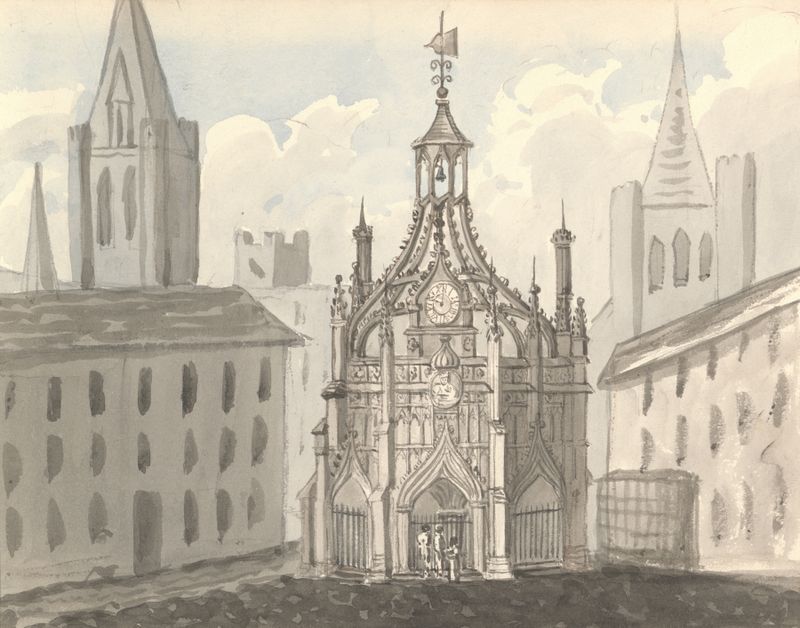
From Inn at Chichester, July 1828
Anne Rushout
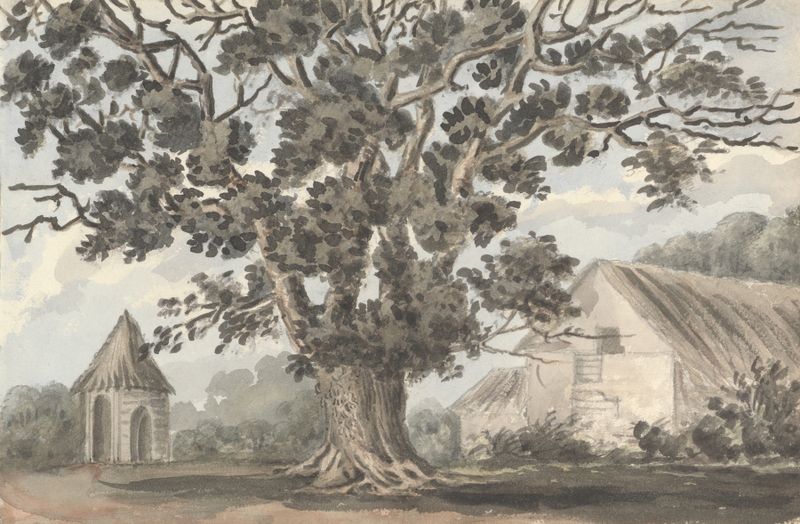
Queen Elizabeth’s Oak near Finborough Hall
Anne Rushout

Holkham, August 1824
Anne Rushout
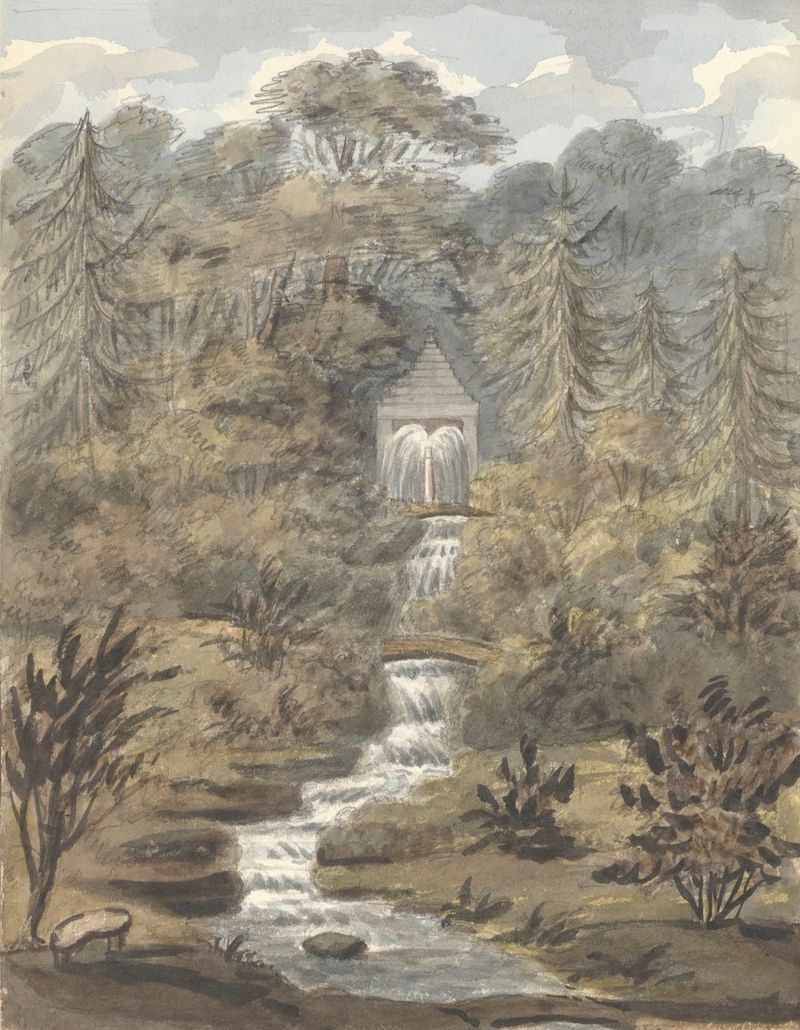
Temple and Falls, Sezincote
Anne Rushout

From Flower Garden, Wanstead Grove
Anne Rushout

From Window at Eastnor Castle, Gloucestershire Beacon, September 28, 1829
Anne Rushout

From Portico at Wanstead Grove, May 24, 1825
Anne Rushout





