
Queen Mab’s Cave — History & Facts
When did color learn to lie? The vibrant hues in Queen Mab’s Cave swirl with a deceptive allure, masking the turbulence that simmers beneath their surface. Look to the foreground where tumultuous waves crash against the jagged cliffs, each brushstroke alive with frenetic energy. The tumult of blues and greens draws the eye, while the ethereal light emanating from the cave’s mouth casts an eerie glow, suggesting both refuge and peril. Notice how the contrasting warmth of the sunset juxtaposes the chilling shadows, illuminating the duality of beauty and violence inherent in nature. As your gaze travels deeper into the painting, hidden meanings emerge.
The cave, a symbol of sanctuary, stands in stark contrast to the chaos outside, revealing a tense relationship between comfort and danger. The swirling patterns evoke an unsettling sense of motion, echoing the tumultuous relationships often hidden in the shadows. This tension serves as a reminder of the darker aspects of human experience, where vibrant colors can mask underlying turmoil. In the aftermath of 1846, during a period marked by social upheaval and artistic experimentation, the artist found himself at a crossroads.
Living in London, Turner was grappling with the evolving art world, embracing bold color and innovative techniques while confronting personal and societal discontent. This work reflects not only his response to the changing tides of art but also a profound engagement with the violence and chaos of the world around him.
More Artworks by Joseph Mallord William Turner
Browse all →
Dort or Dordrecht- The Dort Packet-Boat from Rotterdam Becalmed
Joseph Mallord William Turner
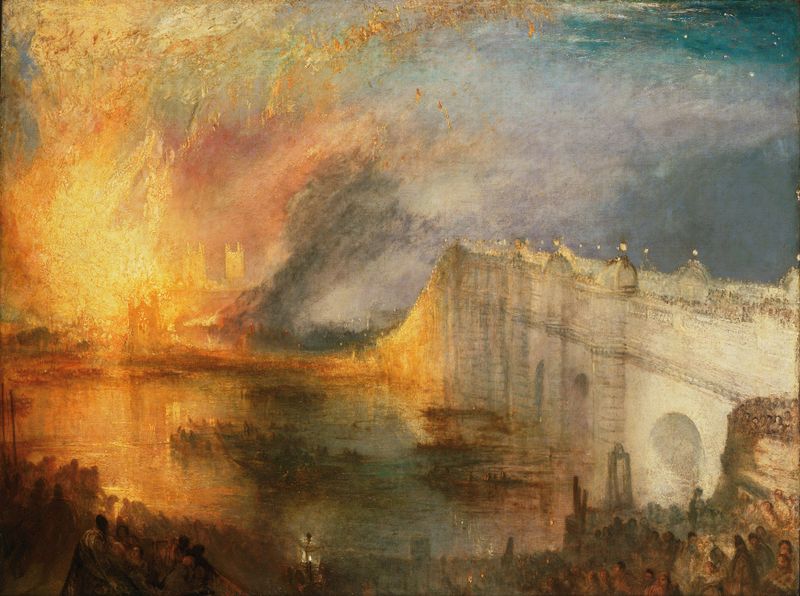
The Burning of the Houses of Lords and Commons, October 16, 1834
Joseph Mallord William Turner
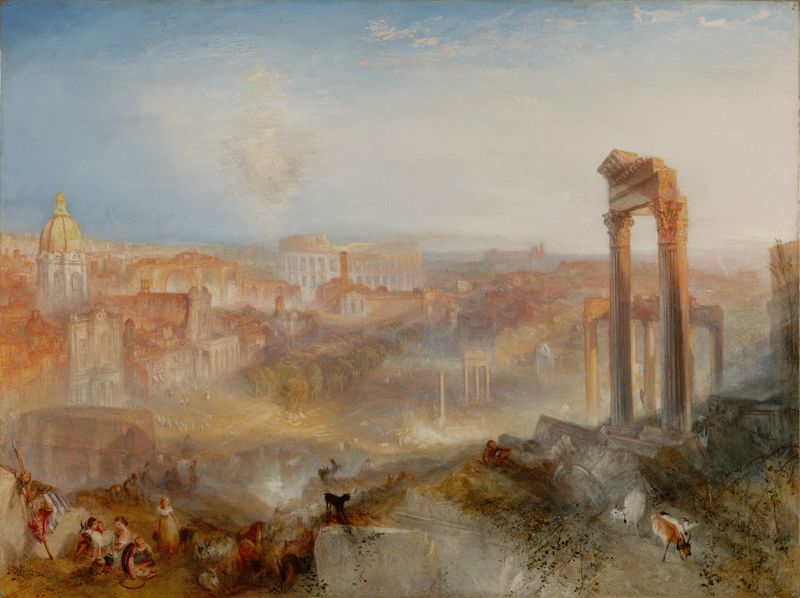
Modern Rome – Campo Vaccino
Joseph Mallord William Turner
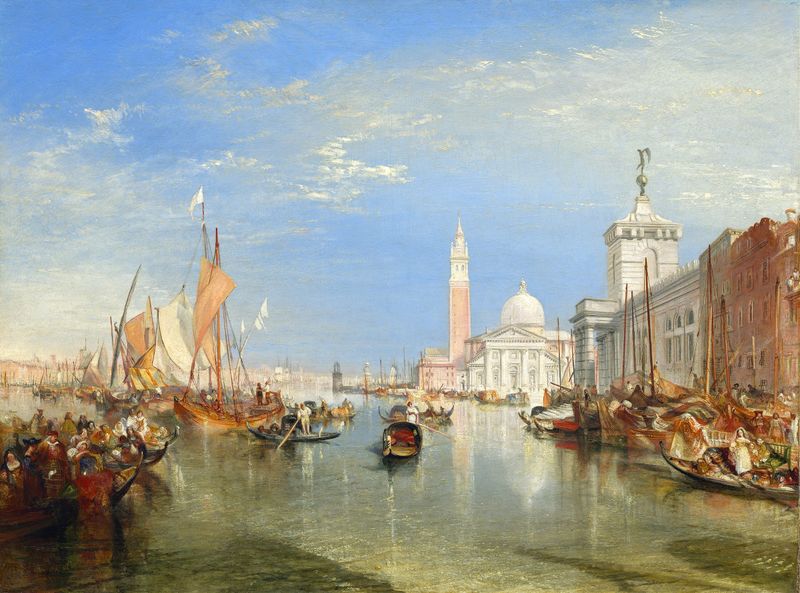
Venice – The Dogana and San Giorgio Maggiore
Joseph Mallord William Turner

The Burning of the Houses of Lords and Commons, 16 October 1834
Joseph Mallord William Turner
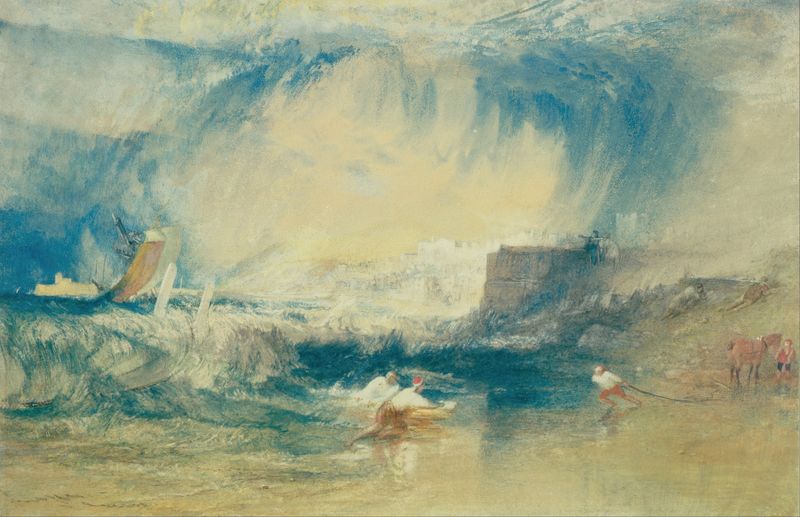
Lyme Regis, Dorsetshire, England
Joseph Mallord William Turner
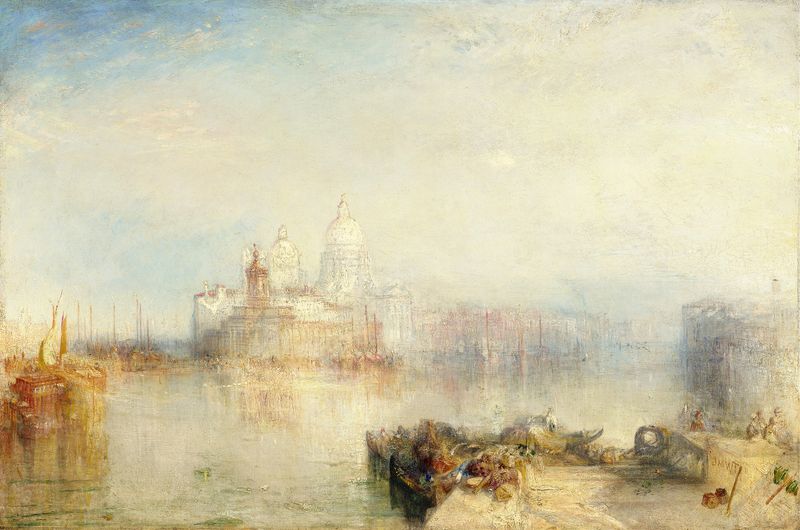
The Dogana and Santa Maria della Salute, Venice
Joseph Mallord William Turner
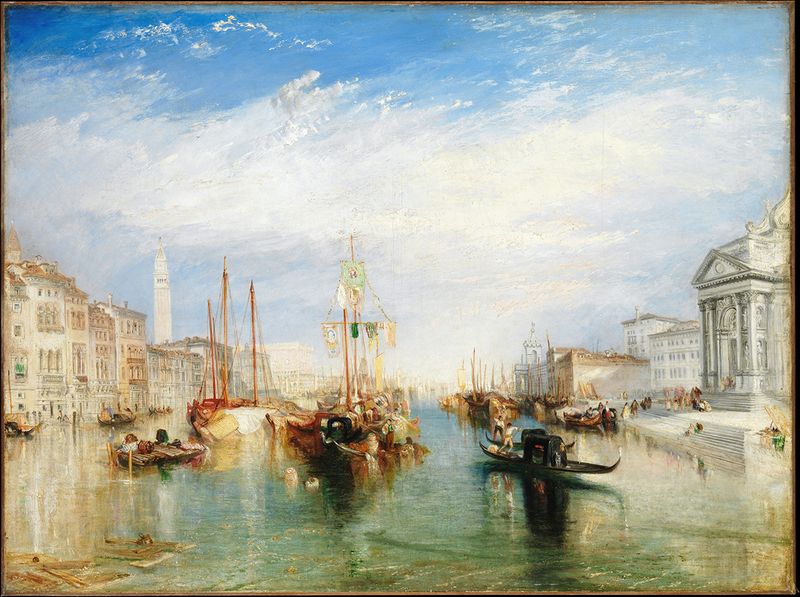
Venice, from the Porch of Madonna della Salute
Joseph Mallord William Turner
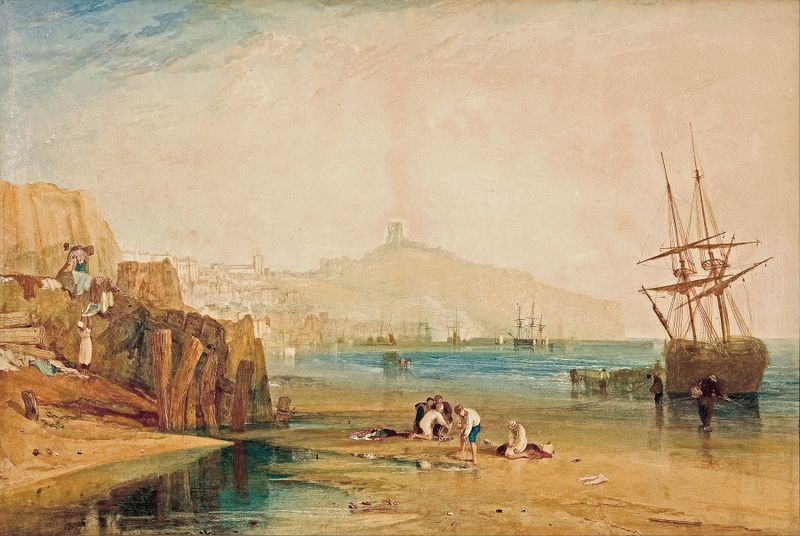
Scarborough town and castle; morning; boys catching crabs
Joseph Mallord William Turner
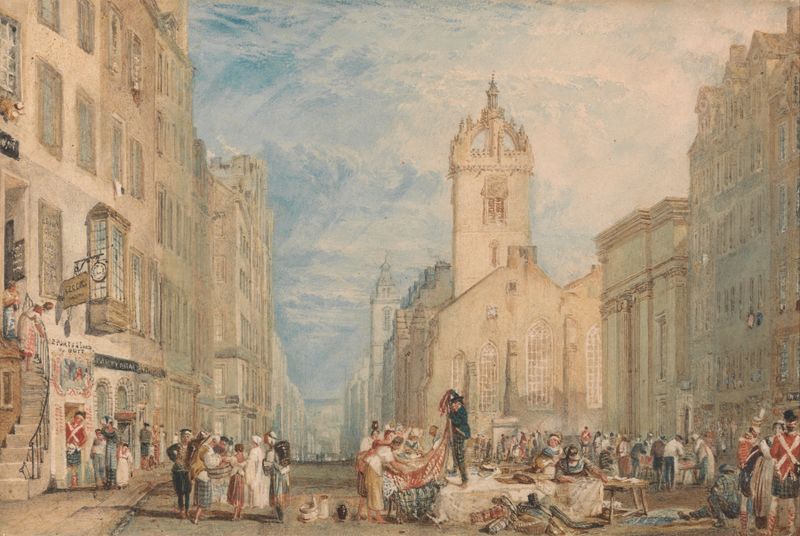
High Street, Edinburgh
Joseph Mallord William Turner





