Ram en schaap — History & Facts
When did color learn to lie? In Ram en schaap, the vibrant palette stirs a profound dialogue about reality and illusion, veiling deeper truths within its hues. Look to the foreground, where a ram stands proudly, its woolly coat rendered with whispers of light and shadow. Notice how the artist deftly contrasts the soft textures of the animal's fleece against the rough earth, creating a tactile experience that invites touch. The warm sun illuminates the scene with a golden glow, casting dappled shadows that dance across the canvas.
The composition draws the eye to the pastoral landscape behind, a harmonious blend of verdant greens and serene blues, perfectly capturing the essence of a tranquil day. Yet, within this idyllic setting, there lies a subtle tension between the stillness of nature and the underlying void of existence. The solitary ram gazes outward, as if contemplating its place in a world that teeters on the brink of chaos. The juxtaposition of the gentle sheep alongside the confident ram hints at a duality of strength and vulnerability, symbolizing the fragility of life in a seemingly perfect landscape.
Here, color acts as both a comfort and a deceit, illustrating the complexities that lie beneath the surface. During the years from 1648 to 1652, Nicolaes Pietersz Berchem was immersed in a burgeoning art scene in the Netherlands, where pastoral themes were gaining prominence. This period was characterized by a fascination with nature and the idyllic portrayal of rural life, reflecting society's desire for peace amidst urban turmoil. As he painted, Berchem navigated these artistic currents, capturing the essence of his time while infusing his works with an introspective quality that resonates even today.
More Artworks by Nicolaes Pietersz Berchem
Browse all →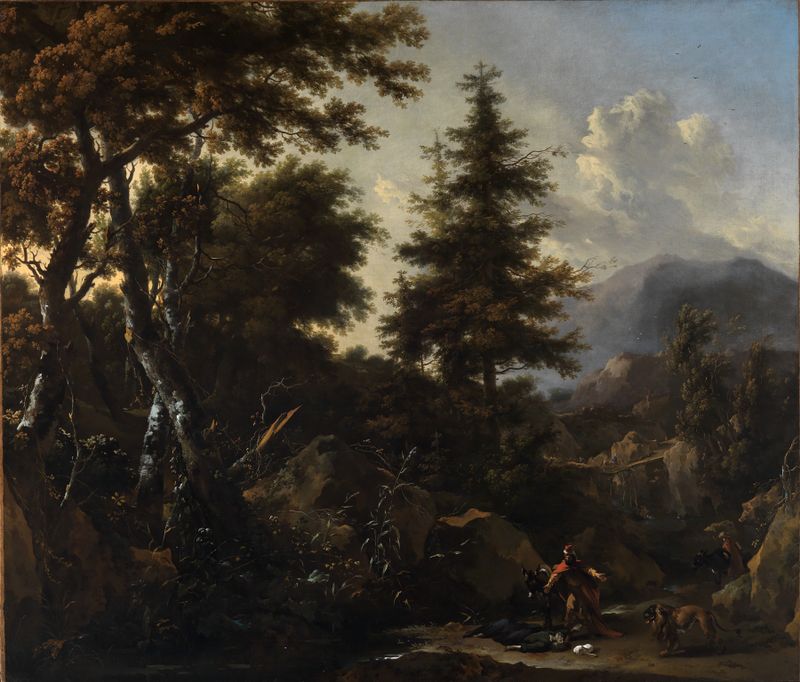
Schlucht im Bergwald mit alttestamentlicher Staffage
Nicolaes Pietersz Berchem
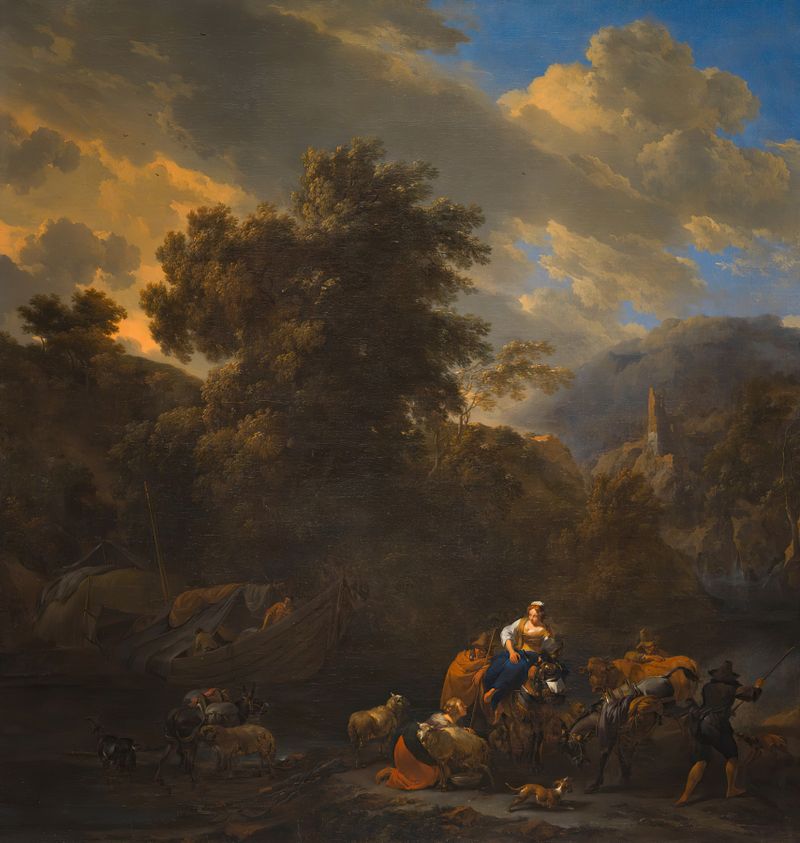
Italianate Landscape with Figures and Pack Animals on the Banks of a River
Nicolaes Pietersz Berchem
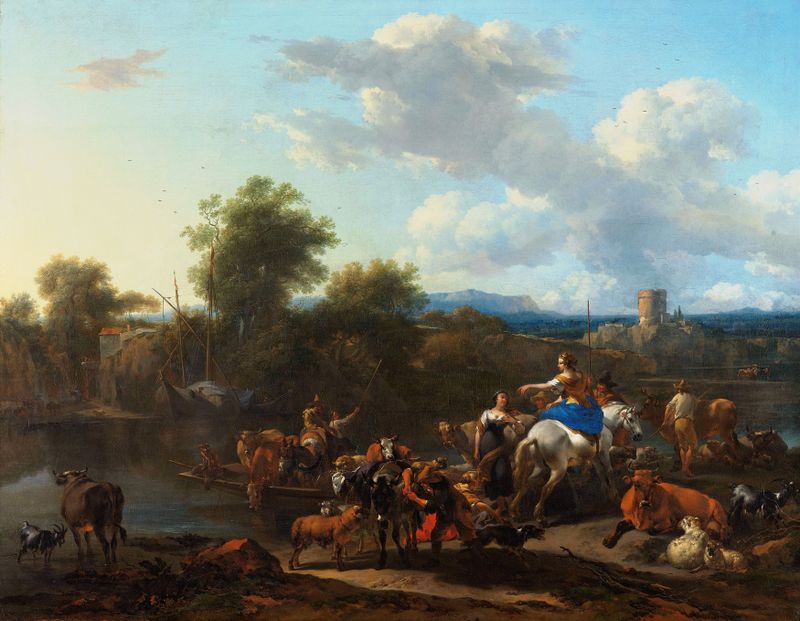
The Cattle Ferry
Nicolaes Pietersz Berchem
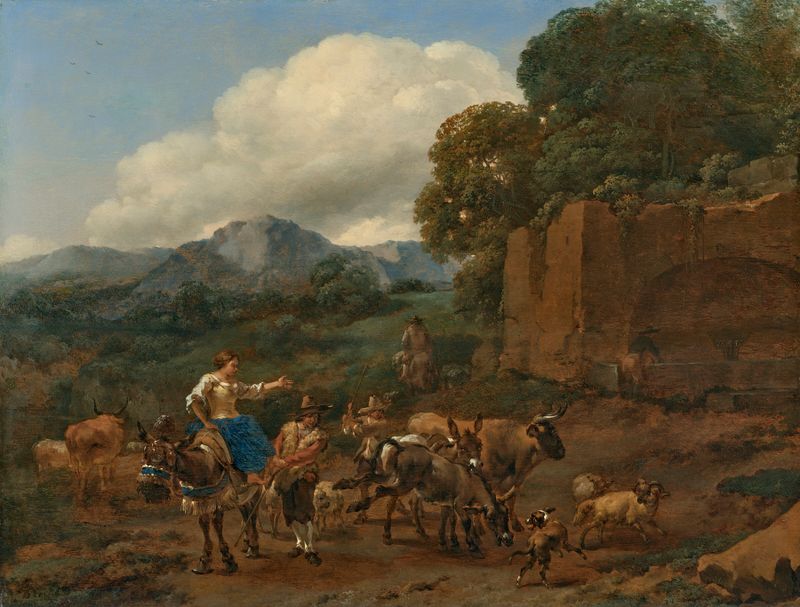
An Italianate landscape with a shepherdess on a mule and a shepherd, herding cattle, sheep, donkeys and dogs on a mountain track next to ruins
Nicolaes Pietersz Berchem
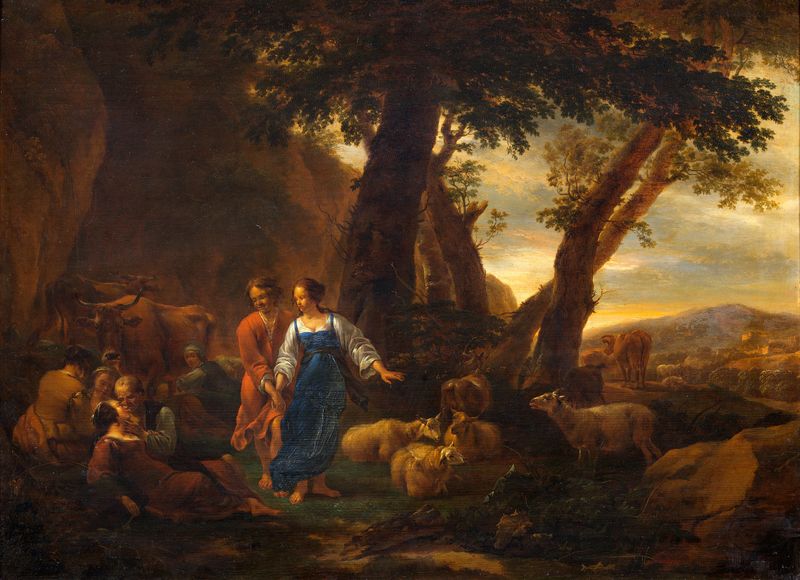
Landscape with Peasants and Cattle
Nicolaes Pietersz Berchem
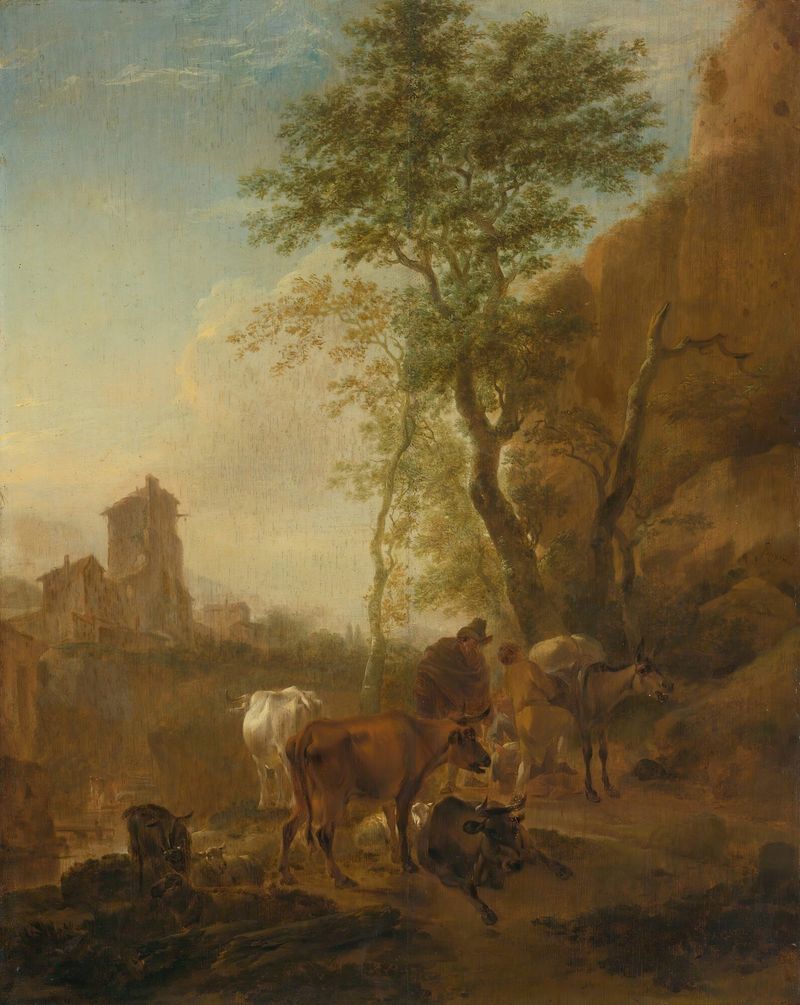
Italianate Landscape With Cows
Nicolaes Pietersz Berchem
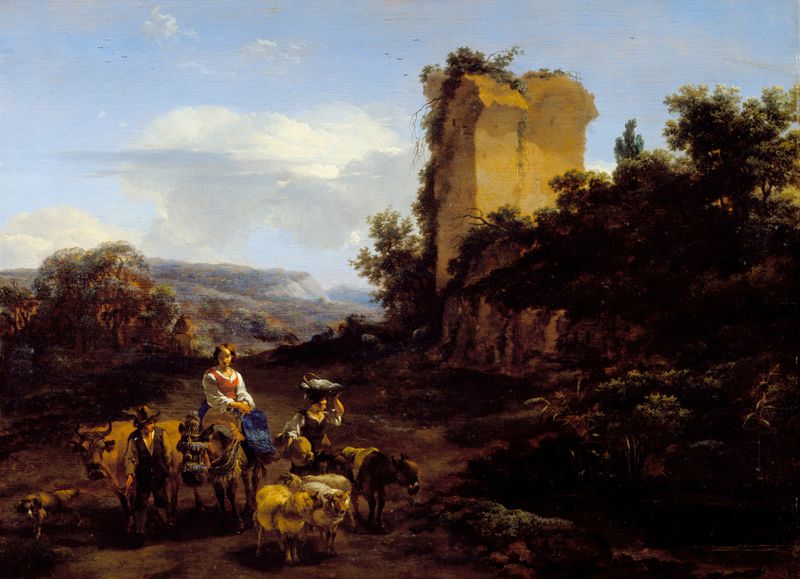
Landscape with Ruins and Travelers
Nicolaes Pietersz Berchem
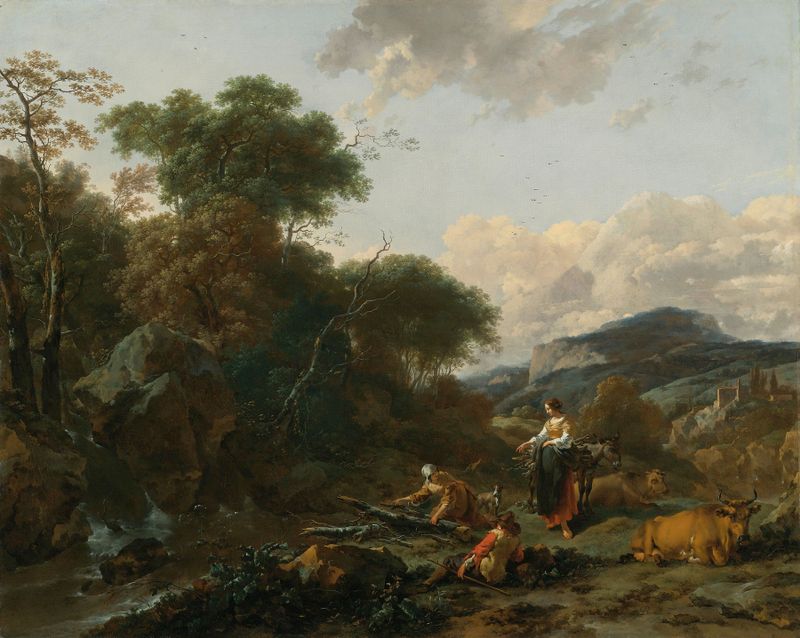
A Landscape With Figures
Nicolaes Pietersz Berchem
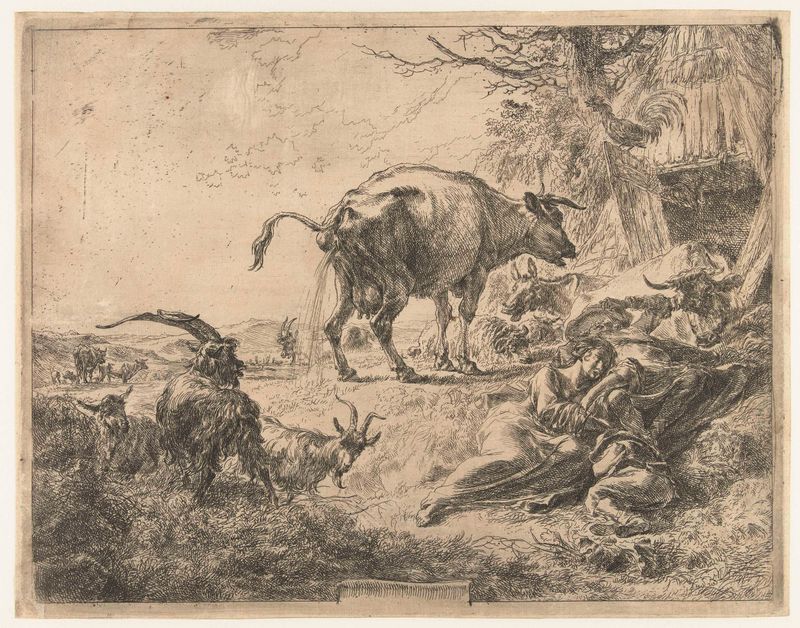
Slapende herdersfamilie en rustend vee
Nicolaes Pietersz Berchem
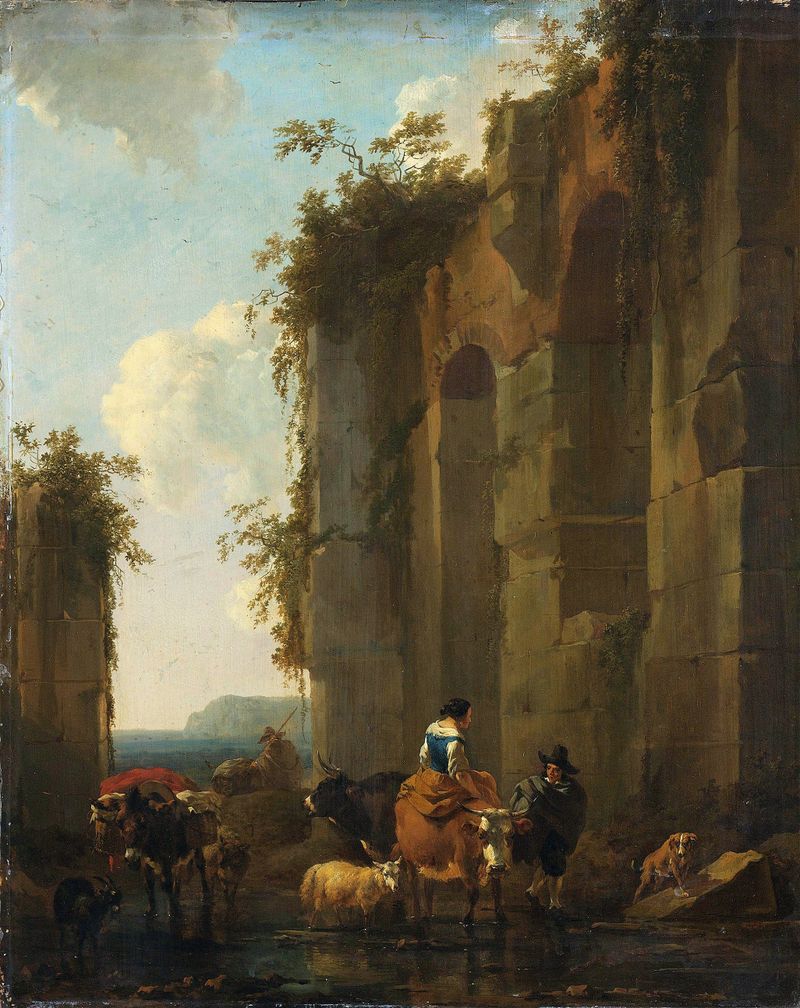
Ruins in Italy
Nicolaes Pietersz Berchem