
Ray of Sun after the Storm — History & Facts
Can paint confess what words never could? In Ray of Sun after the Storm, a profound dialogue unfolds between light and shadow, revealing the lasting emotional scars of nature's tumult. Look to the center, where a brilliant shaft of sunlight pierces through receding storm clouds, illuminating the landscape below with a golden warmth. The vibrant greens of foliage glisten with fresh rain, juxtaposed against the dark, brooding hues of the stormy sky. Notice how the artist skillfully employs contrasting colors to evoke a sense of rejuvenation, as if the earth itself breathes a sigh of relief after the tempest. In the foreground, delicate droplets cling to leaves, symbols of renewal and resilience, while the distant horizon speaks of hope.
The interplay between the vibrant sunlight and ominous clouds mirrors the emotional journey from turmoil to tranquility, inviting contemplation on the cycles of life and nature. Each brushstroke conveys a moment captured in time, suggesting that after every storm, a ray of light awaits to guide us forward. Joseph Théodore Coosemans painted this work between 1876 and 1891, a period marked by a growing fascination with capturing the fleeting effects of light in nature. Living in Belgium during a time of artistic innovation, he was influenced by the burgeoning Impressionist movement, which sought to portray the world with authenticity and immediacy.
This painting reflects not only Coosemans’ personal artistic journey but also the broader shift in how artists began to interpret their surroundings in fresh, evocative ways.
More Artworks by Joseph Théodore Coosemans
Browse all →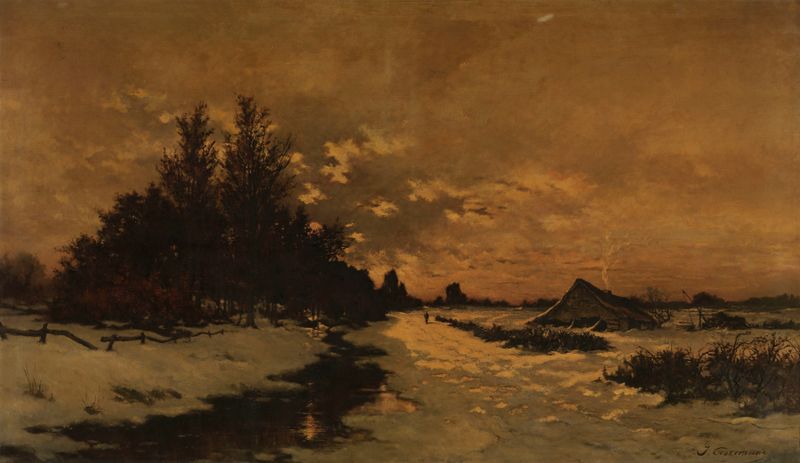
A Winter’s Day in the Kempen
Joseph Théodore Coosemans
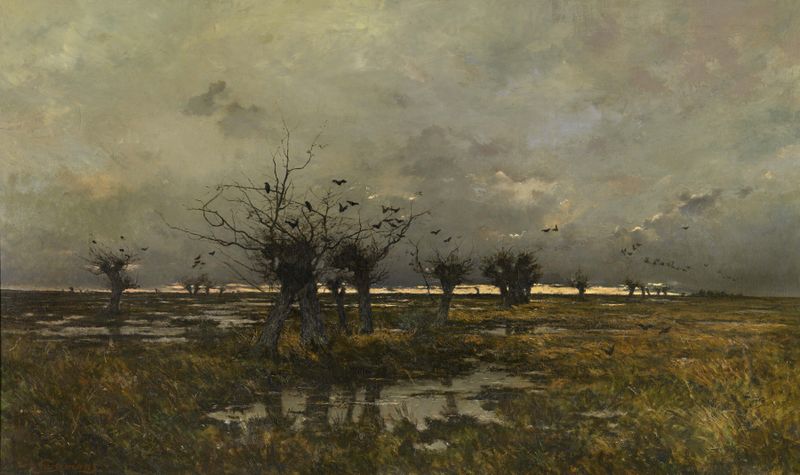
Evening in the Limburg Kempen
Joseph Théodore Coosemans
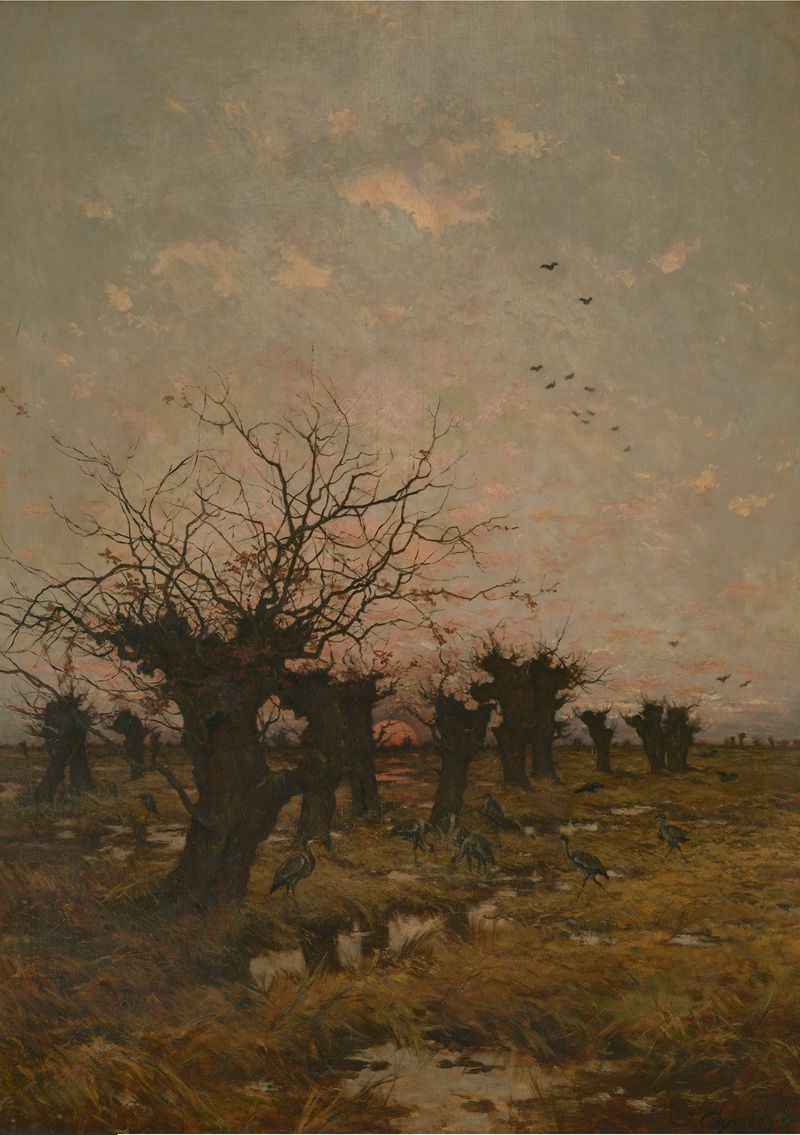
Sunset in the Kempen
Joseph Théodore Coosemans
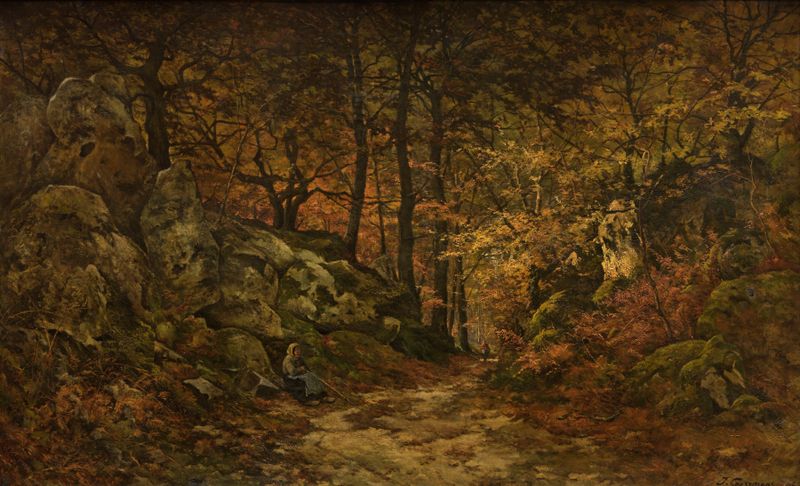
The Gorge aux Loups in Fontainebleau
Joseph Théodore Coosemans
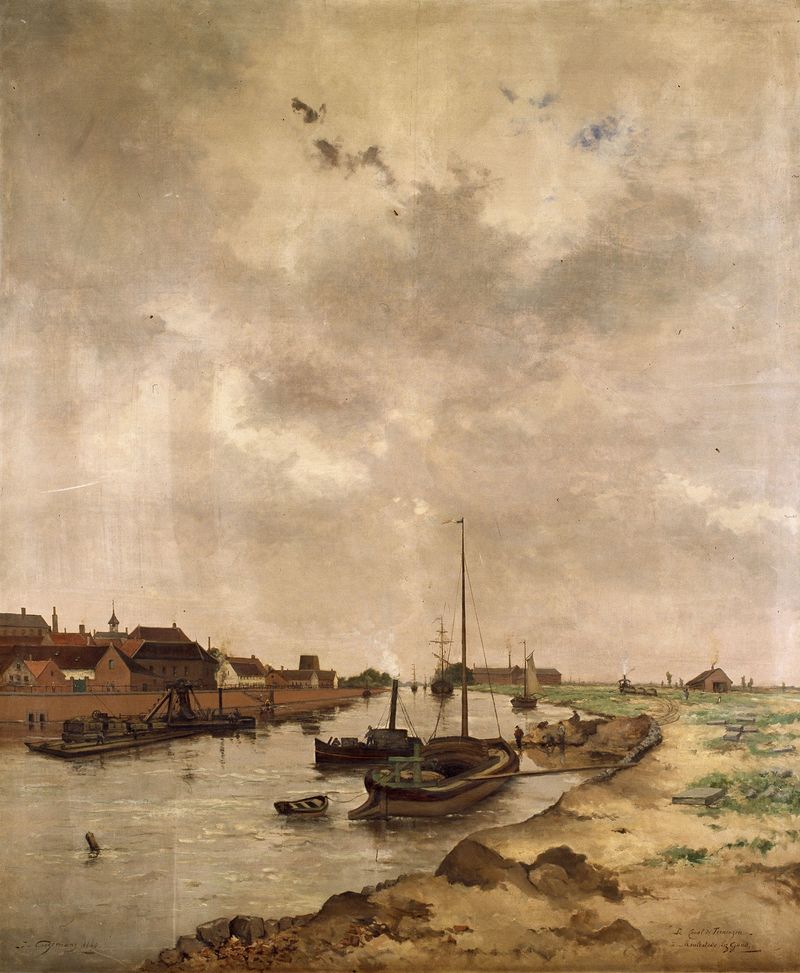
The Ghent-Terneuzen Canal in Ghent
Joseph Théodore Coosemans
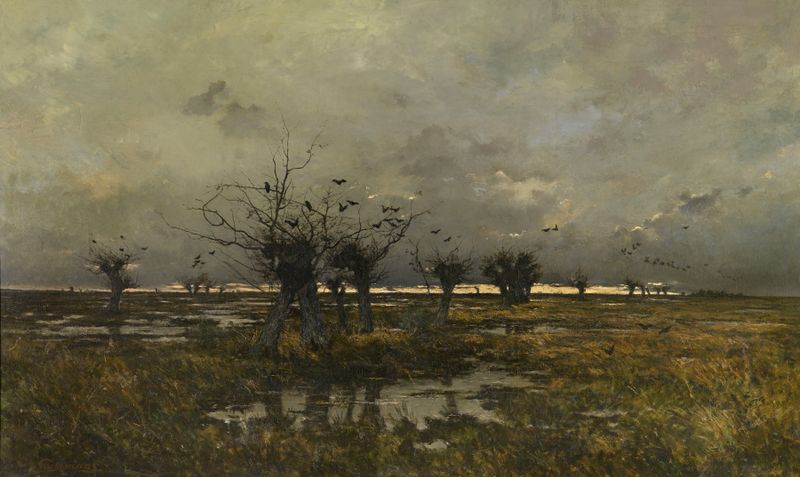
Evening in the Limburg Kempen
Joseph Théodore Coosemans





