
Sunset in the Kempen — History & Facts
Who listens when art speaks of silence? In the quiet embrace of twilight, Sunset in the Kempen whispers the palette of day’s end, inviting us to pause and reflect. Look to the horizon, where the sky ignites in vibrant hues of orange and deep indigo, a masterful gradient that transitions the day into night. Notice how the soft brushstrokes blend seamlessly, imparting a sense of atmospheric depth and movement. The silhouetted shapes of the distant trees frame the scene, while the tranquil water below captures the fading light like a mirror, creating a harmonious balance that enchants the eye. Beneath its serene surface, the painting holds layers of emotional contrasts — the fleeting nature of time embodied by the setting sun, the warmth of the colors juxtaposed against the cool encroachment of night.
Each element invites contemplation: the stillness of the landscape reflects an inner calm, yet it echoes the inevitable passage of day into darkness. Here, silence resonates with a profound weight, urging viewers to confront their own thoughts on impermanence. Created in the 19th century, this work emerged during a period rich with explorations of natural beauty and impressionistic techniques. Joseph Théodore Coosemans crafted this piece while navigating the artistic conversations of his time, where light and color began to assert themselves as vital components of emotional expression in landscape painting.
As he captured the Kempen's twilight, he not only depicted a moment in nature but also contributed to the evolving narrative of art that sought to express the ineffable.
More Artworks by Joseph Théodore Coosemans
Browse all →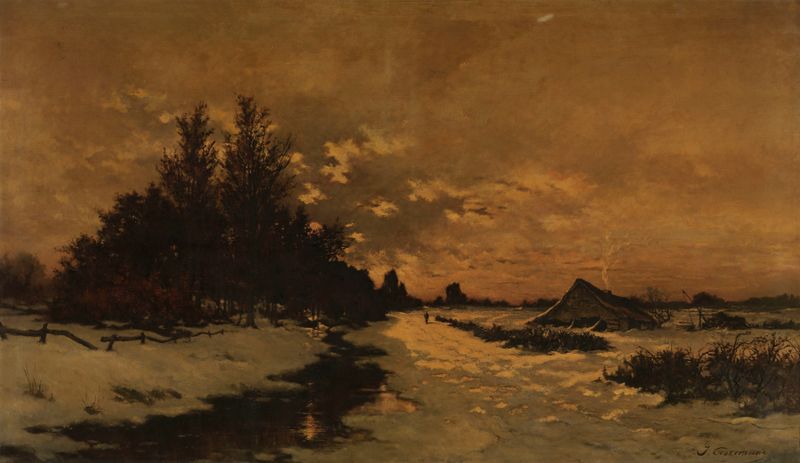
A Winter’s Day in the Kempen
Joseph Théodore Coosemans
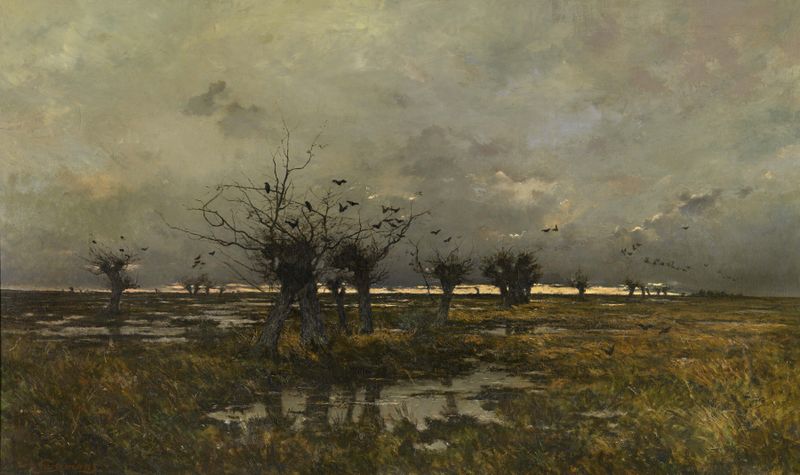
Evening in the Limburg Kempen
Joseph Théodore Coosemans
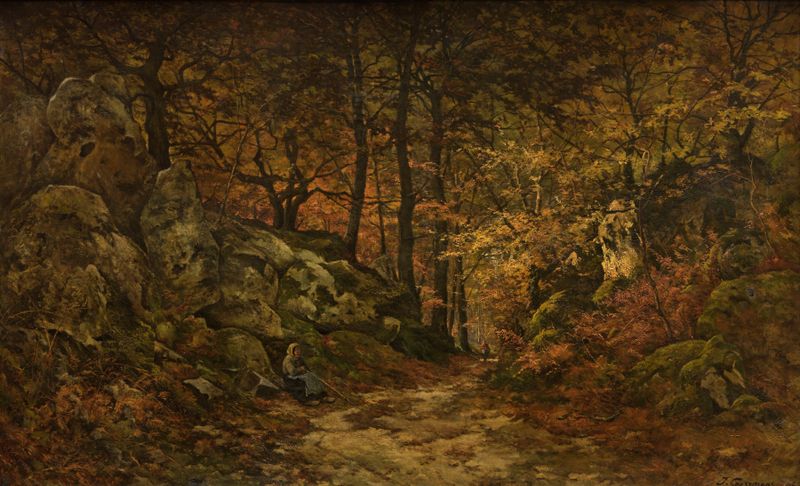
The Gorge aux Loups in Fontainebleau
Joseph Théodore Coosemans
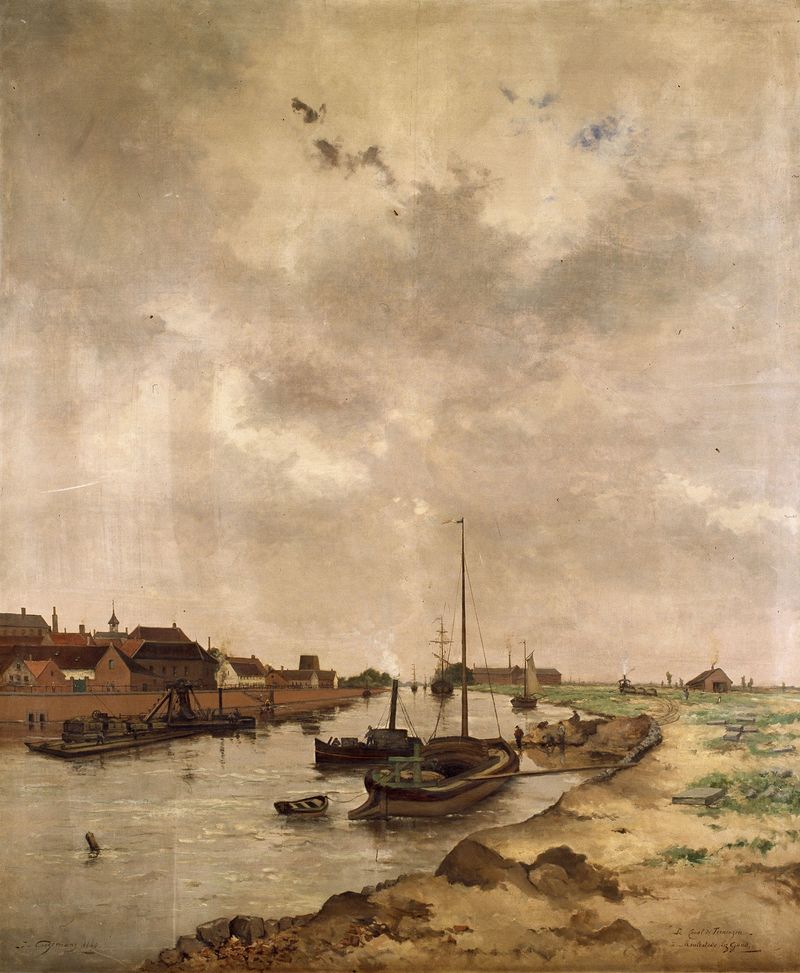
The Ghent-Terneuzen Canal in Ghent
Joseph Théodore Coosemans
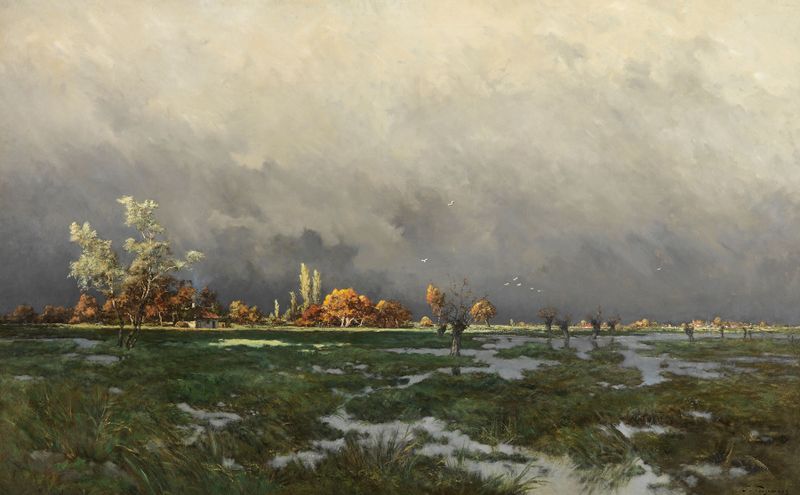
Ray of Sun after the Storm
Joseph Théodore Coosemans
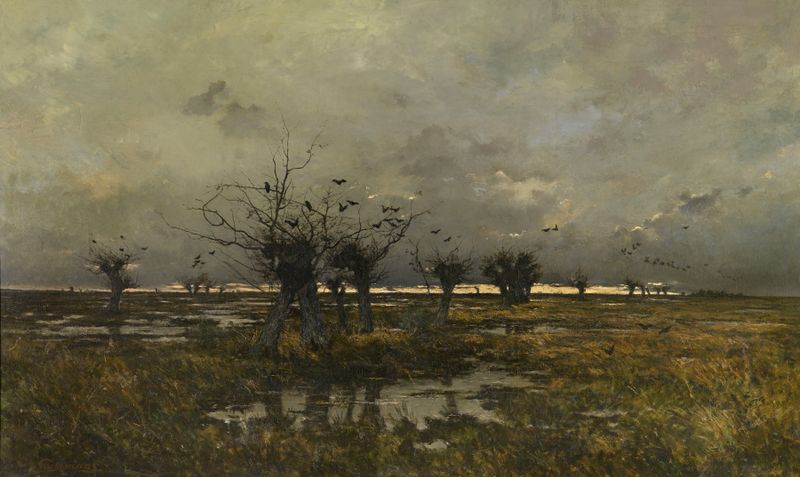
Evening in the Limburg Kempen
Joseph Théodore Coosemans





