
The Ghent-Terneuzen Canal in Ghent — History & Facts
In a world longing for rejuvenation, a canvas can awaken the senses like a morning breeze stirring the leaves. Look closely at the shimmering surface of the water, where the reflection of the sky dances in hues of blue and gold. The soft brushstrokes create a sense of movement, guiding the eye across the tranquil scene. Notice how the trees on the banks, deeply rooted in earth tones, stand in stark contrast to the vibrant flashes of light on the canal's surface, suggesting a dynamic interplay between nature and the passage of time. The placement of boats in the foreground draws attention to the delicate balance of human activity against the serene backdrop of the canal, evoking a sense of harmony.
Each vessel, though still, tells a story of purpose and community, while the quiet ripples in the water hint at the unseen currents of life below. This duality of stillness and motion captures the essence of an awakening world, as if the landscape breathes in anticipation of what is to come. Joseph Théodore Coosemans painted this work in 1880 while living in Ghent, a time when Europe was experiencing dramatic industrial change. Against this backdrop, his focus on the soft beauty of nature and water reflects a desire to preserve the gentler aspects of life amidst the encroaching modernity.
The painting embodies a moment of calm, offering a sanctuary in a rapidly transforming world.
More Artworks by Joseph Théodore Coosemans
Browse all →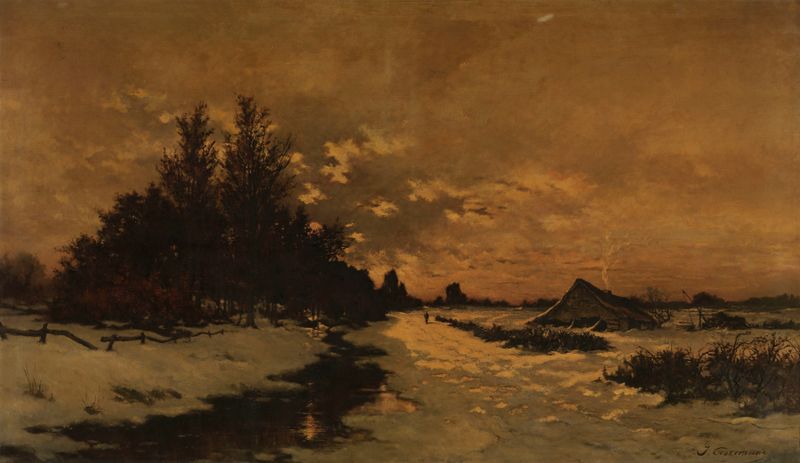
A Winter’s Day in the Kempen
Joseph Théodore Coosemans
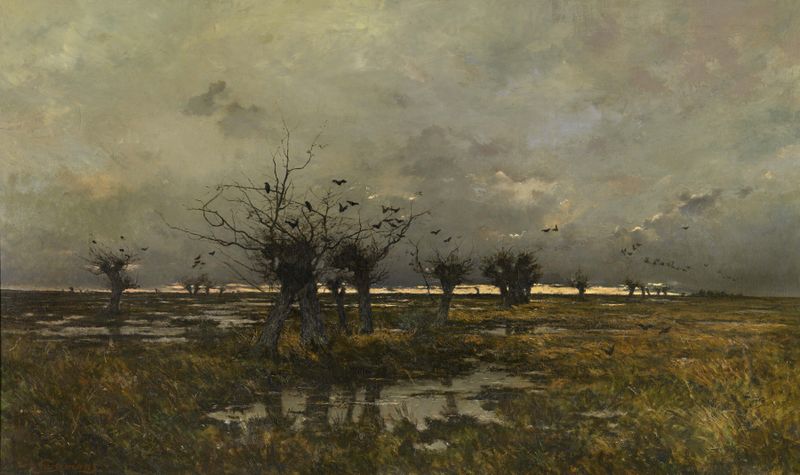
Evening in the Limburg Kempen
Joseph Théodore Coosemans
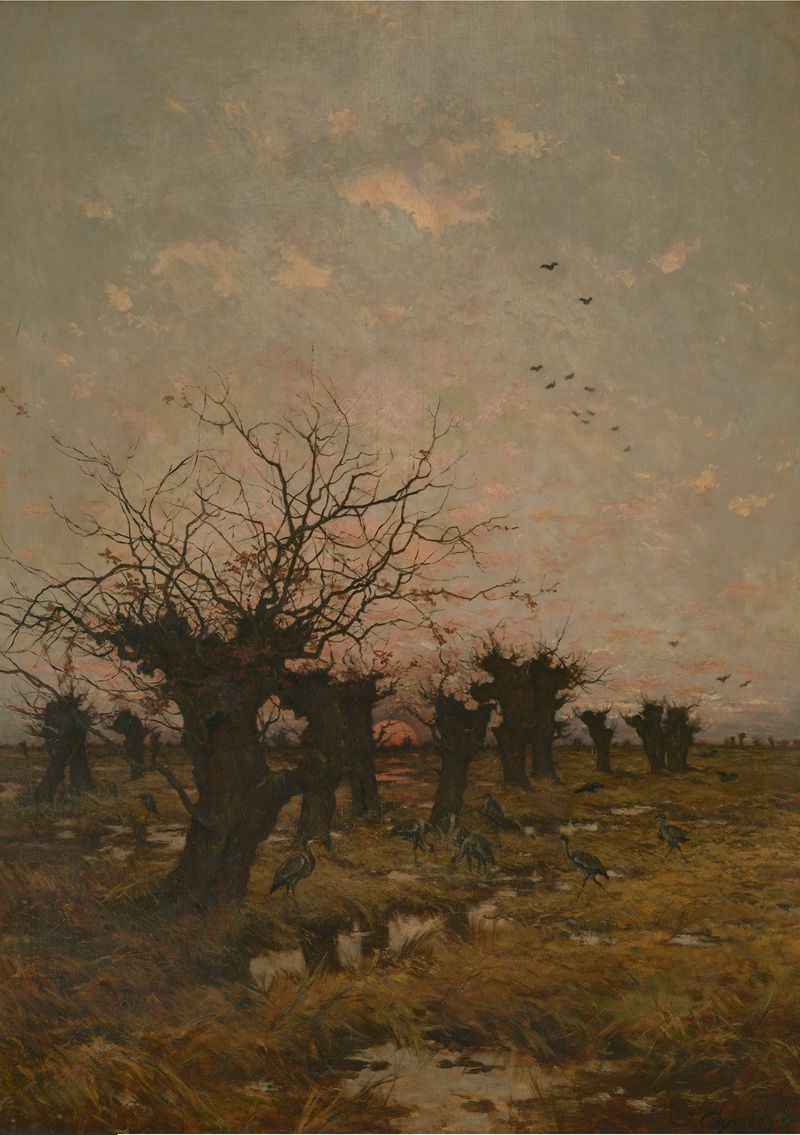
Sunset in the Kempen
Joseph Théodore Coosemans
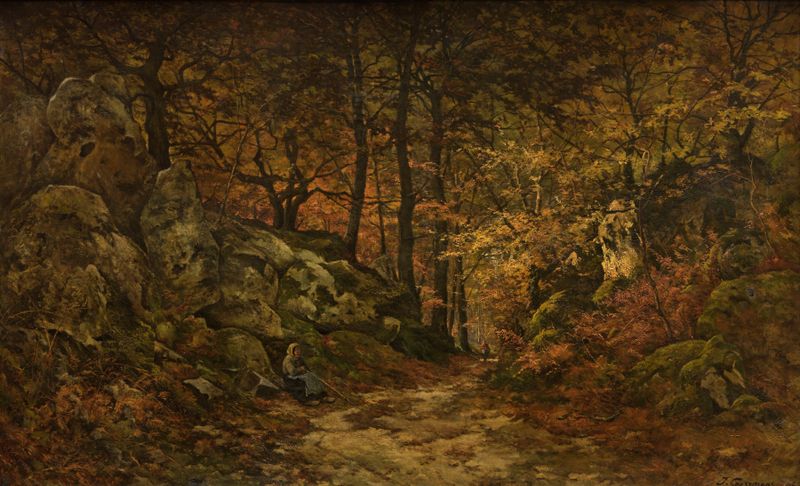
The Gorge aux Loups in Fontainebleau
Joseph Théodore Coosemans
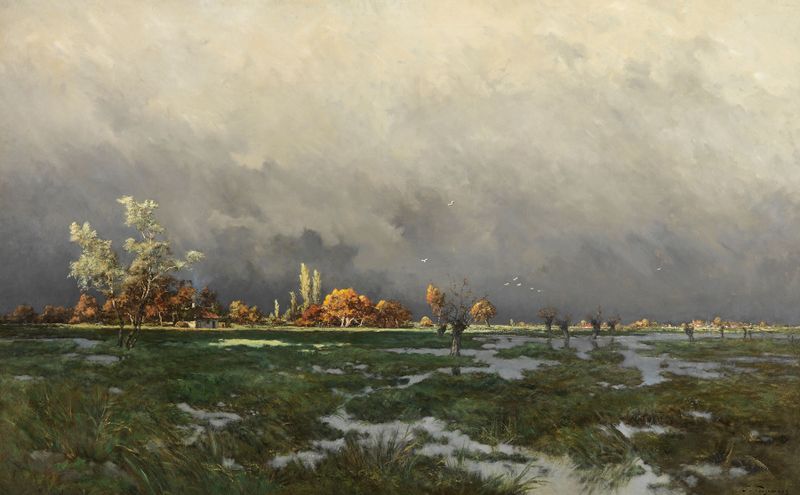
Ray of Sun after the Storm
Joseph Théodore Coosemans
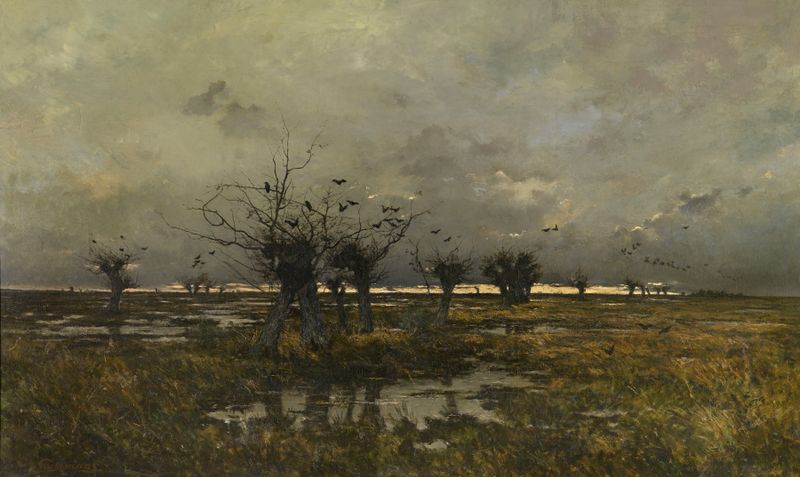
Evening in the Limburg Kempen
Joseph Théodore Coosemans





