Rechtvaardigheid (Justitia) — History & Facts
In the quiet, unyielding gaze of Rechtvaardigheid, we encounter an ethereal dance between perception and illusion. The figures and symbols woven into this work question not only the nature of justice but also our understanding of truth itself. Look to the center at the figure of Justitia, poised in a serene yet commanding stance, holding her scales with deliberate care. The delicate contours of her robe elegantly cascade, framing the subtle interplay of light and shadow that creates a sense of depth.
Notice how the soft palette of muted earth tones evokes both warmth and reverence, inviting introspection while maintaining an air of authority. The artist's meticulous attention to detail, from the intricate folds of fabric to the delicate features of her face, draws the viewer into a world poised between reality and idealism. Beneath the surface of this serene portrayal lies a tension woven from the dualities of justice and judgment. The scales she holds are not merely a tool of measurement; they symbolize the precarious balance between morality and truth, inviting viewers to reflect on the subjective nature of justice.
The blindfold that graces her eyes speaks volumes — it challenges the observer to consider the often-blurred lines of bias in both society and self. In 1539, while painting this work, Beham was navigating the complexities of the Reformation, a time when the principles of morality and justice were under intense scrutiny. Residing in Nuremberg, he was deeply influenced by humanist ideals, which permeated the art world, inspiring a quest for clarity and truth in representation. Amidst the turmoil of religious strife, Rechtvaardigheid stands as a testament not just to the artist's skill but also to the enduring quest for understanding in a world rife with illusion.
More Artworks by Hans Sebald Beham
Browse all →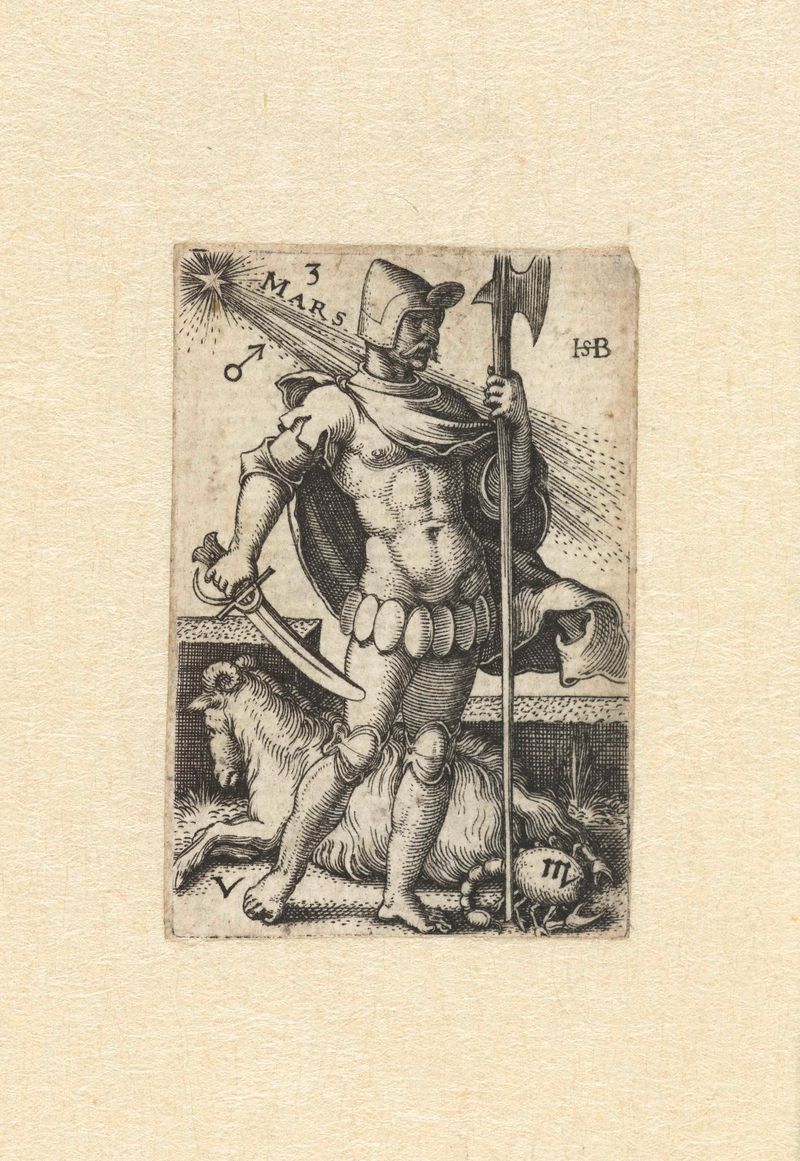
Mars met sterrenbeelden Ram en Schorpioen
Hans Sebald Beham

Achilles in gevecht met Hector
Hans Sebald Beham
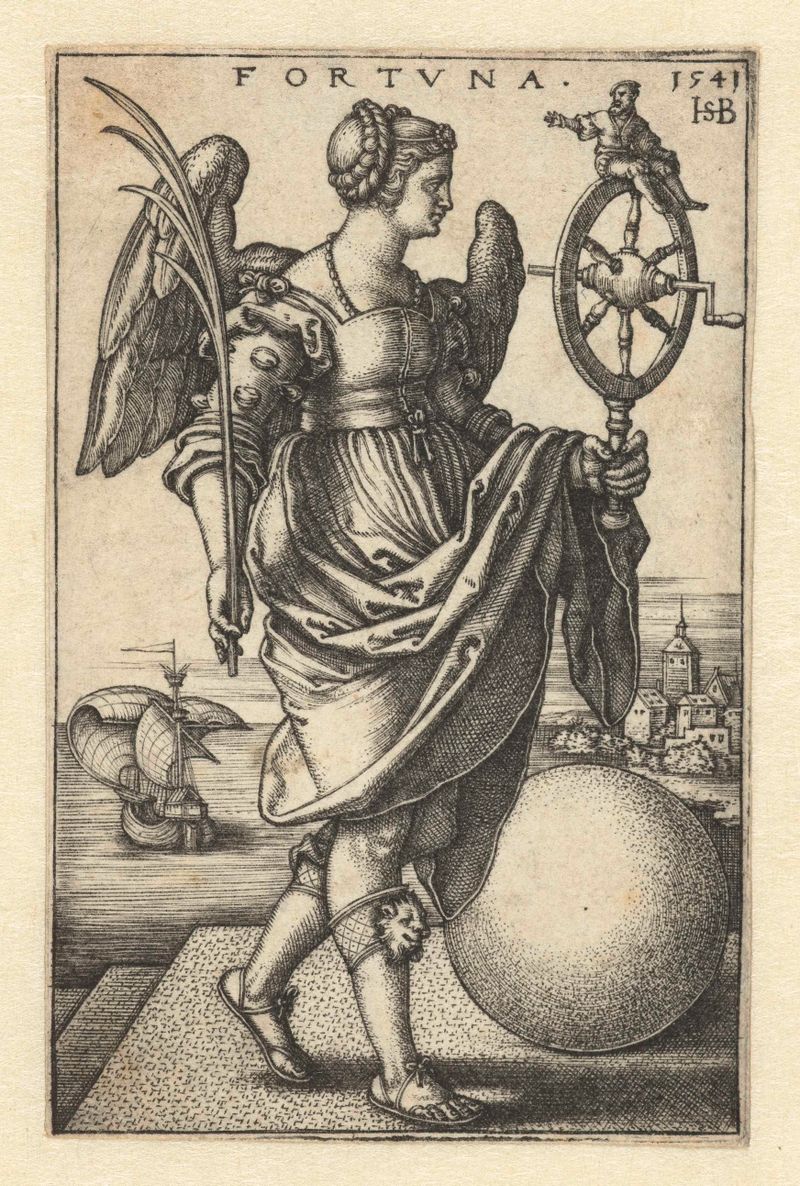
Fortuna
Hans Sebald Beham

Hercules worstelt met Antaeus
Hans Sebald Beham

Twee muzikanten met schalmey en doedelzak
Hans Sebald Beham

Voorzichtigheid (Prudentia)
Hans Sebald Beham

Hercules in gevecht met de Trojanen
Hans Sebald Beham
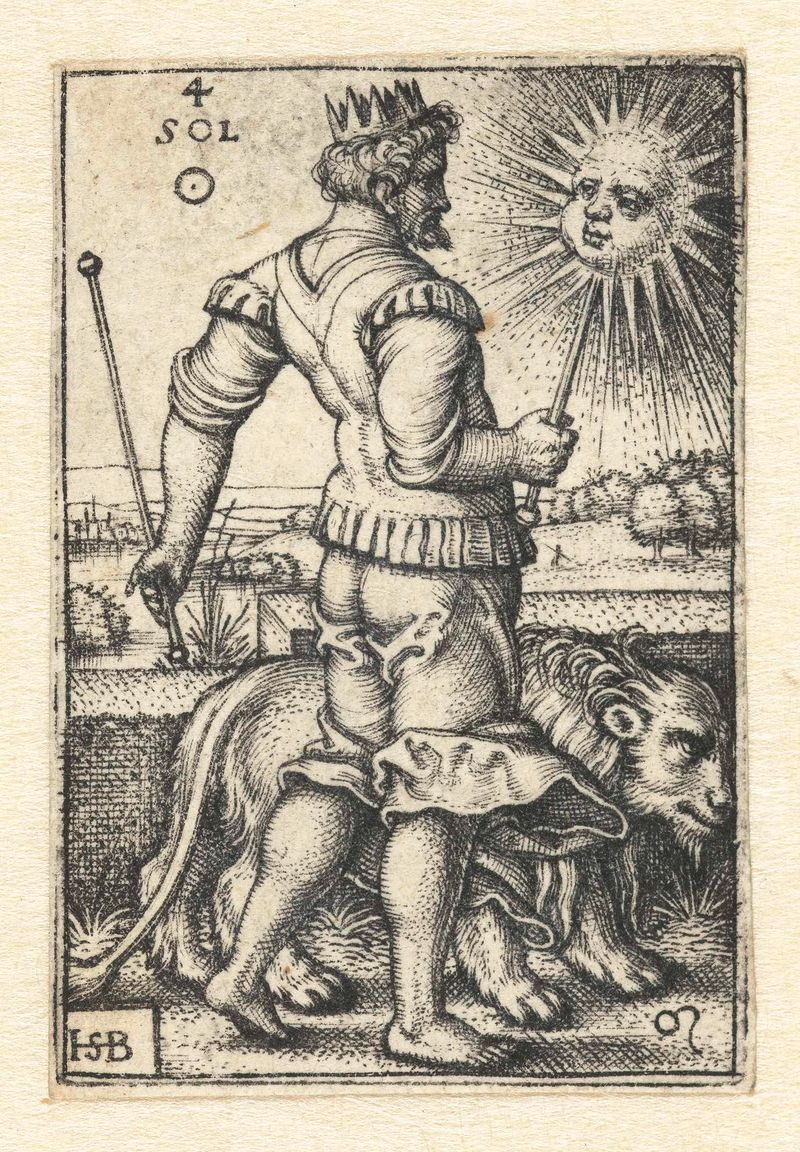
Apollo (Sol) met sterrenbeeld Leeuw
Hans Sebald Beham
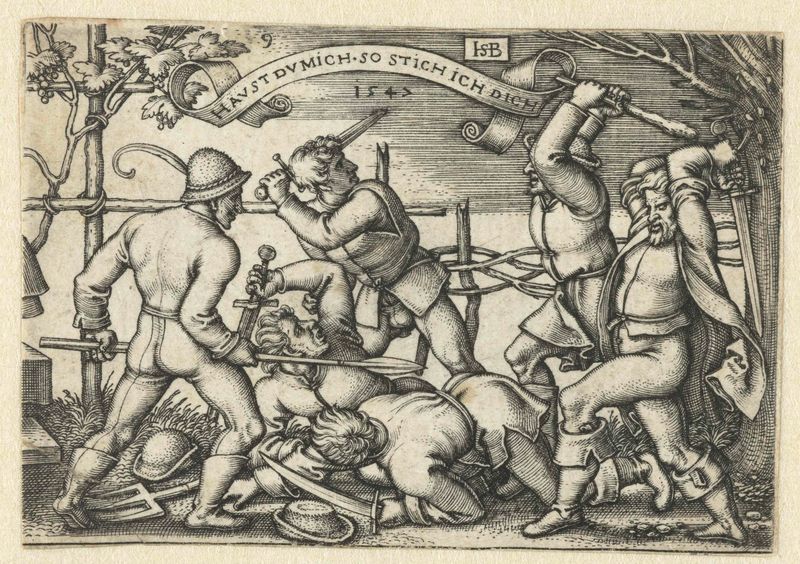
Vechtende boeren met zwaarden
Hans Sebald Beham
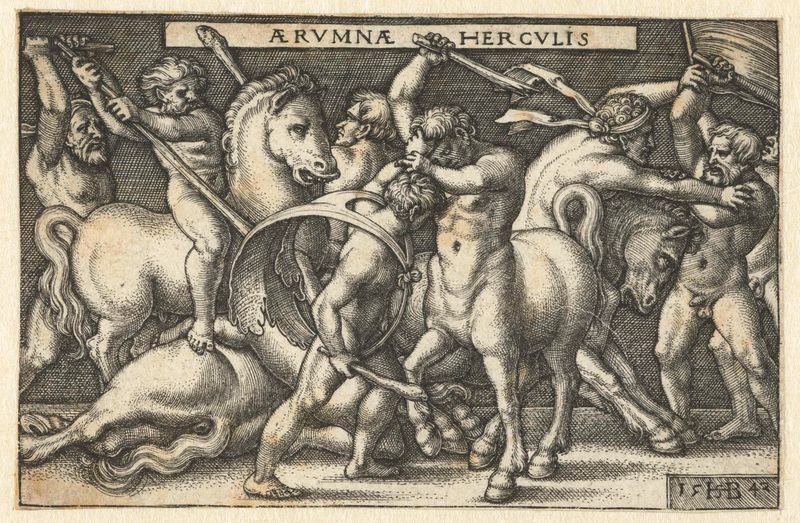
Hercules in gevecht met centaurs
Hans Sebald Beham